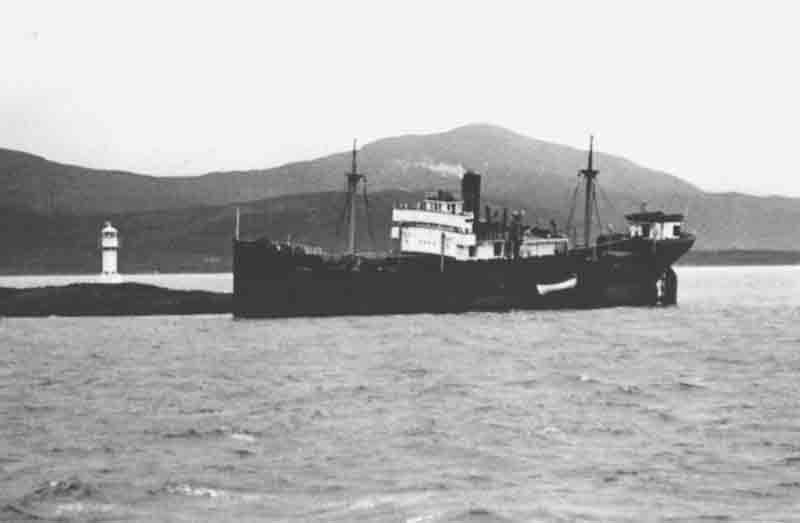
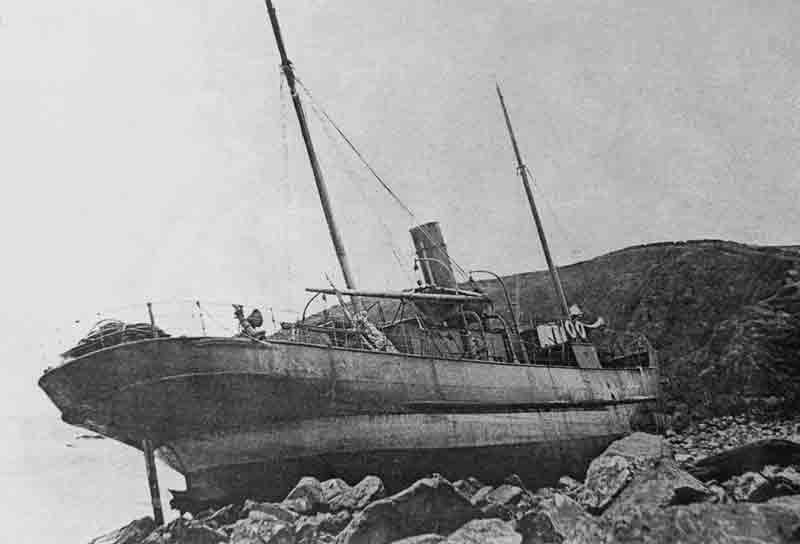
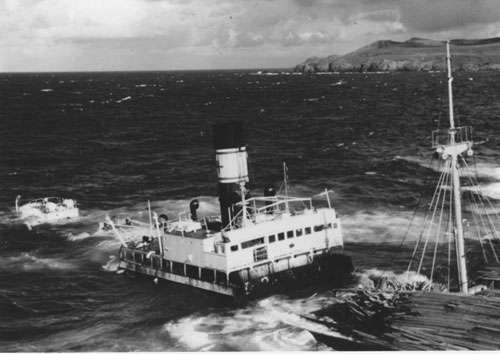
The steel steamship Alabama was launched from the yard of Charles Connell and Co Ltd, Glasgow (Yard No 249) on 28th April 1899. She measured 375.0′ x 50,0′ x 25.9′ and her tonnage was 4454 gross tons, 2869 net tons. She was powered by a triple expansion steam engine by David Rowan and Son Ltd, Glasgow delivering 353 nominal horse power. Originally ordered by Robert Mackill and Co Ltd she was sold before completion to Det Forende Dampskibs Selskab (DFDS) of Copenhagen.
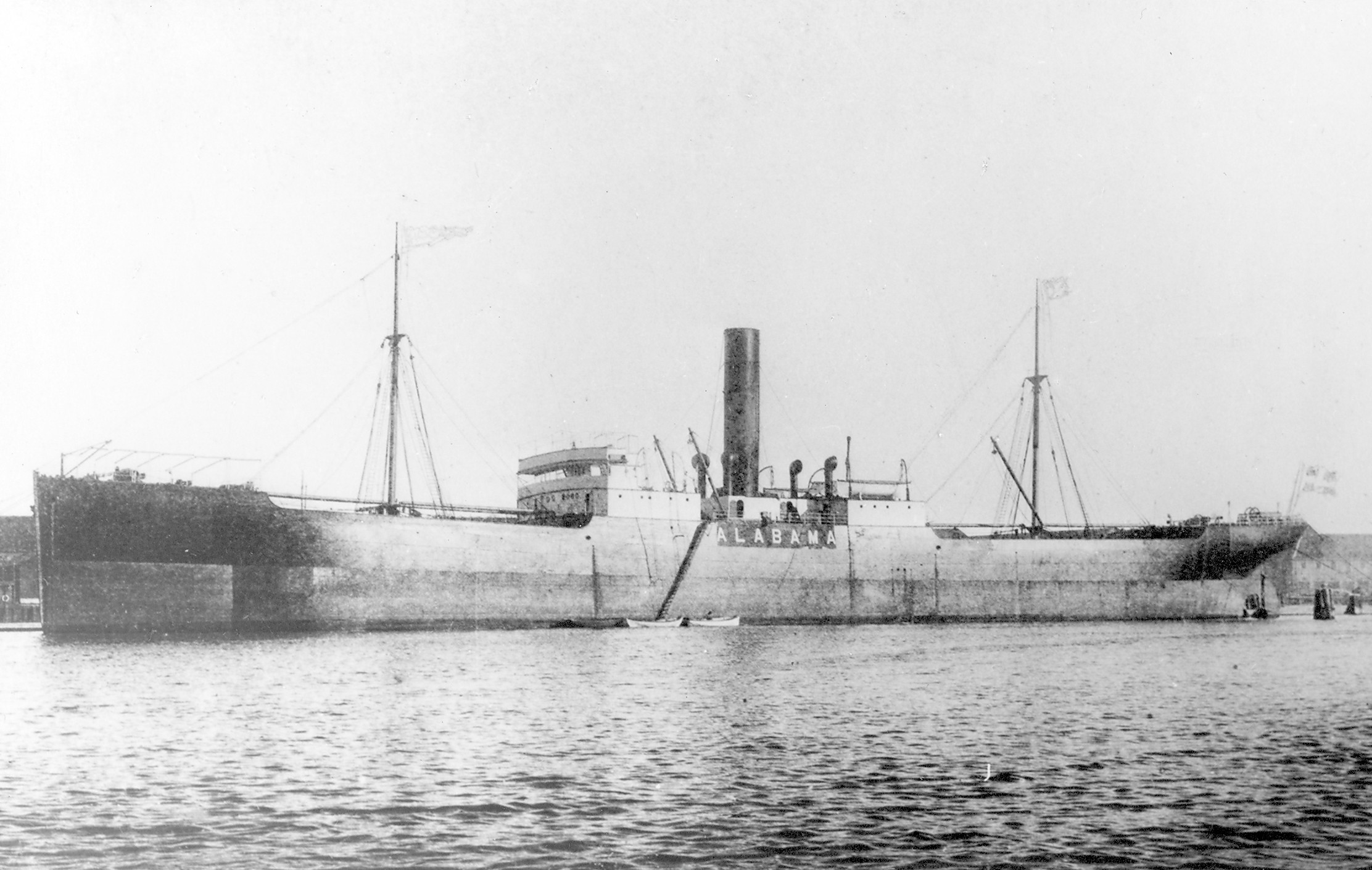
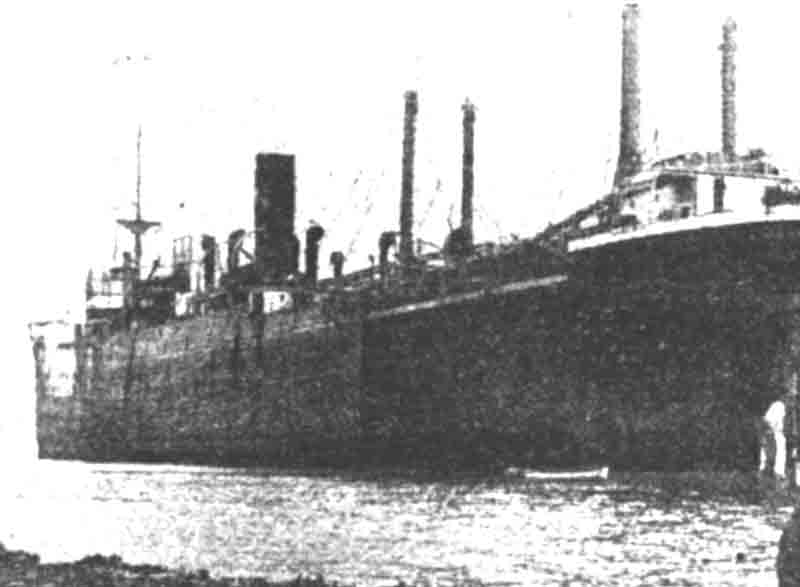
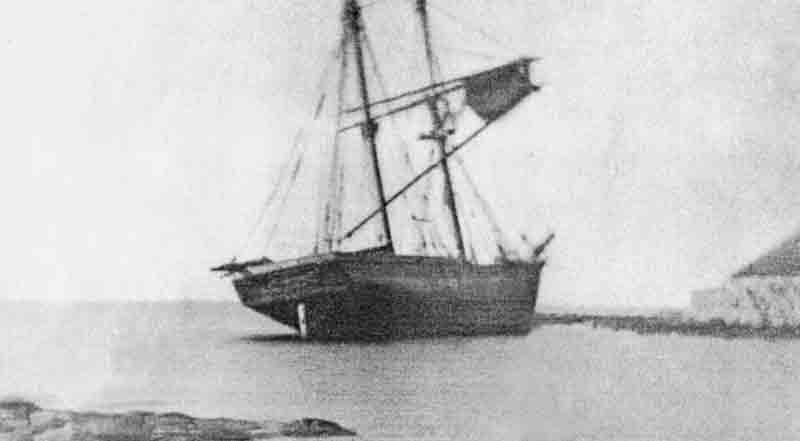
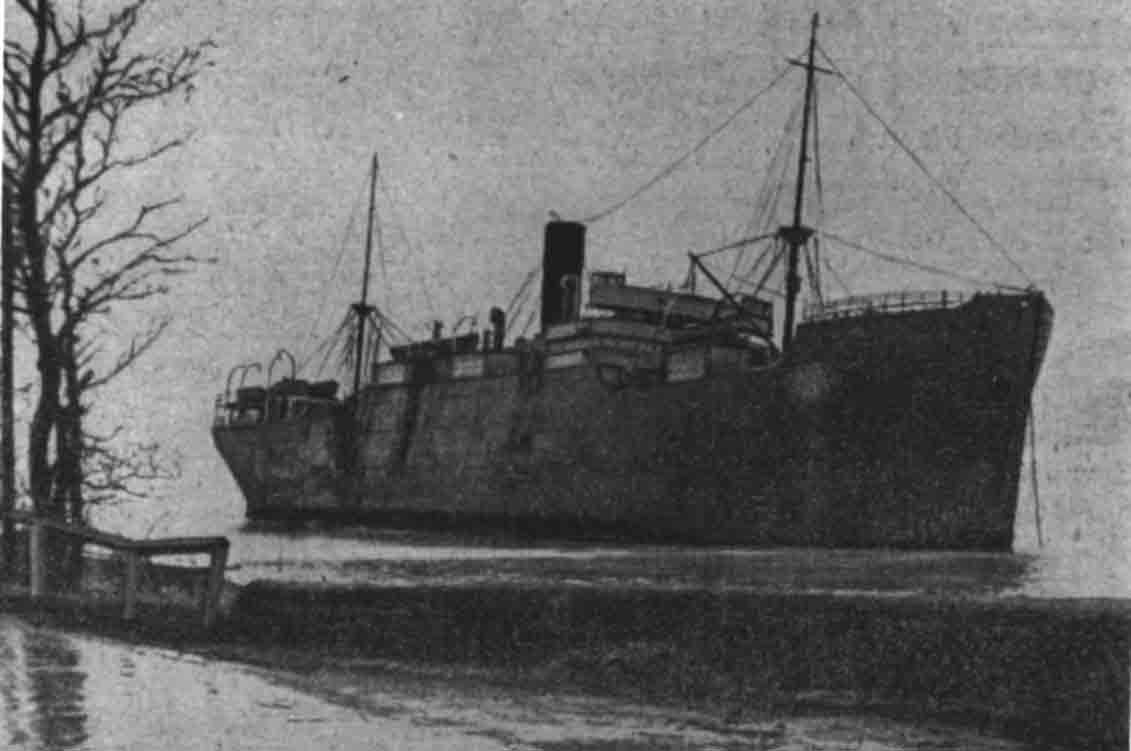
Alabama at anchor

Lloyd’s register 1904
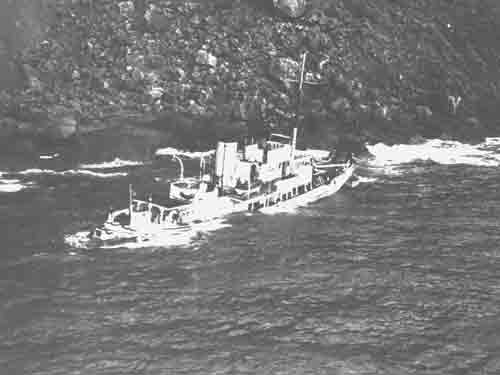
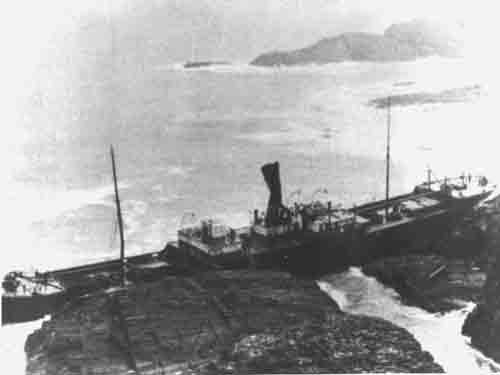
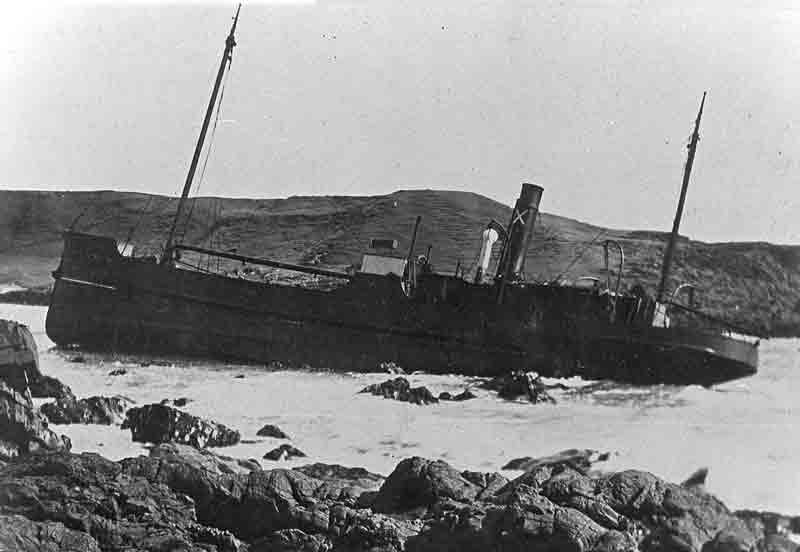
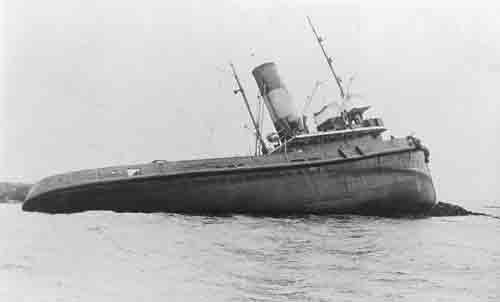
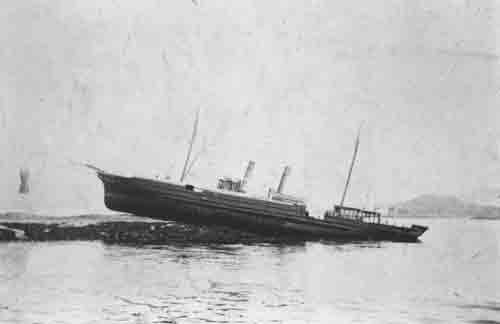
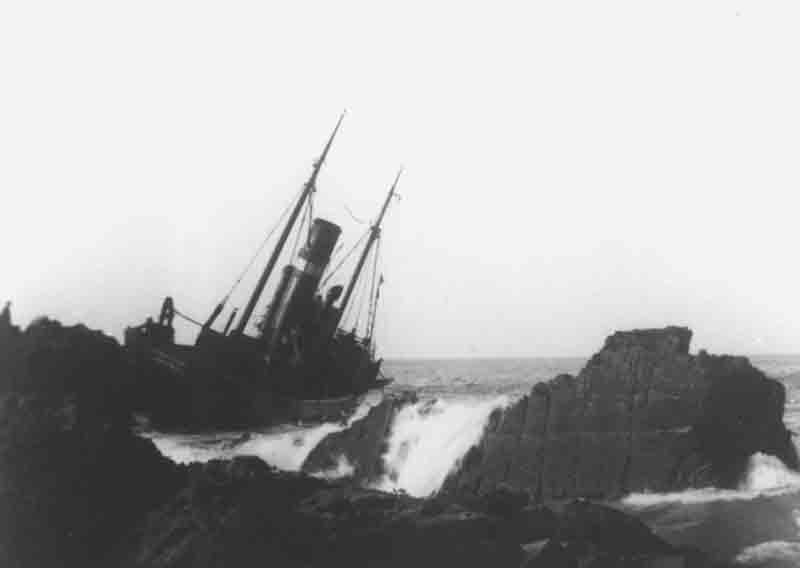
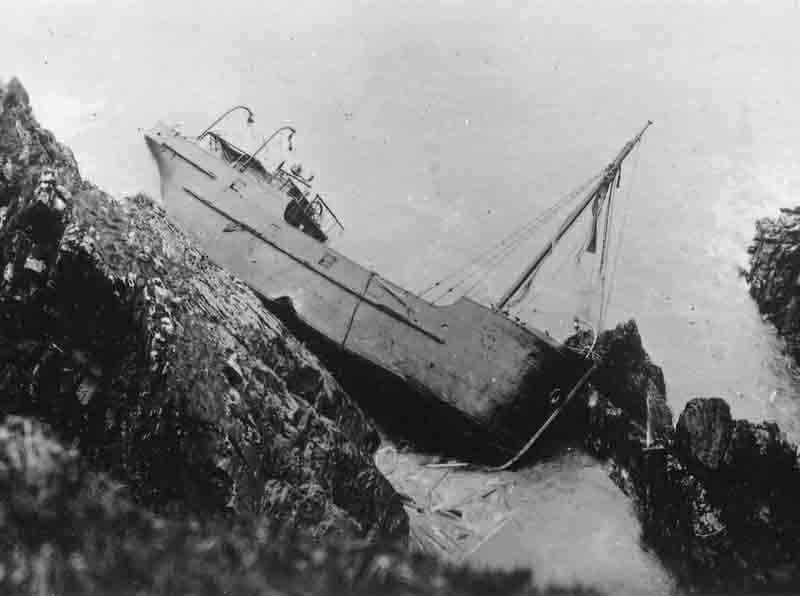
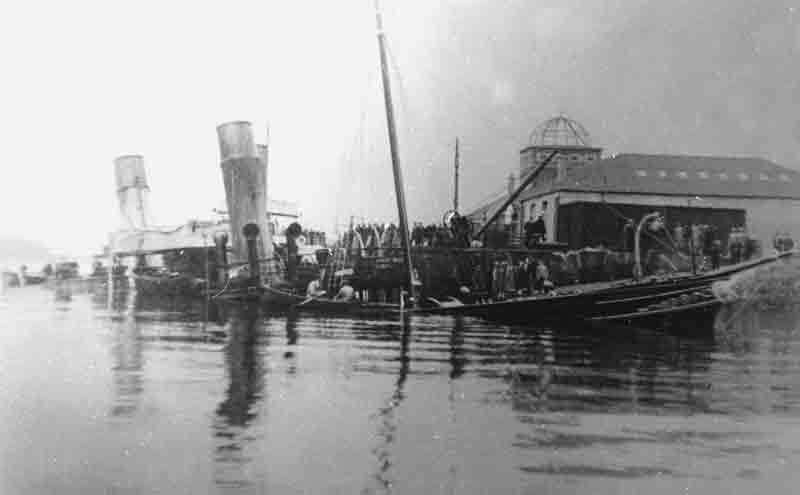
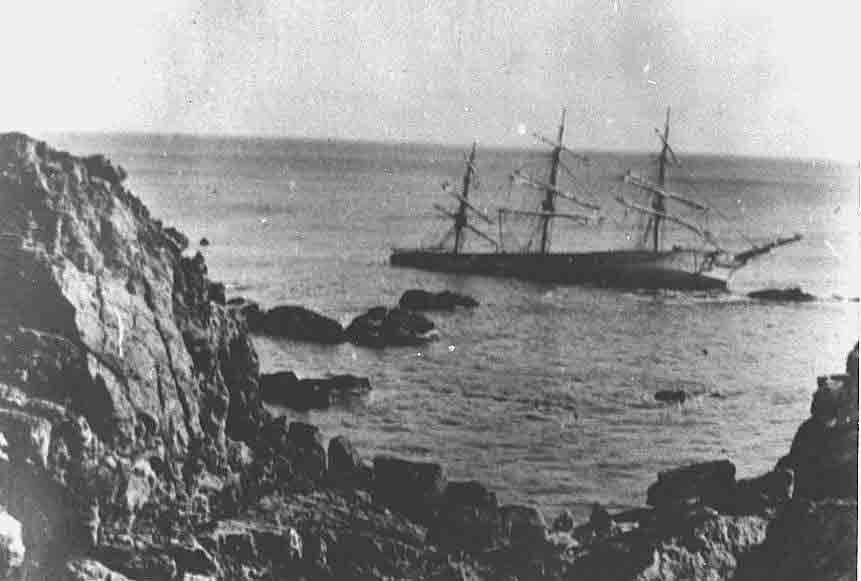
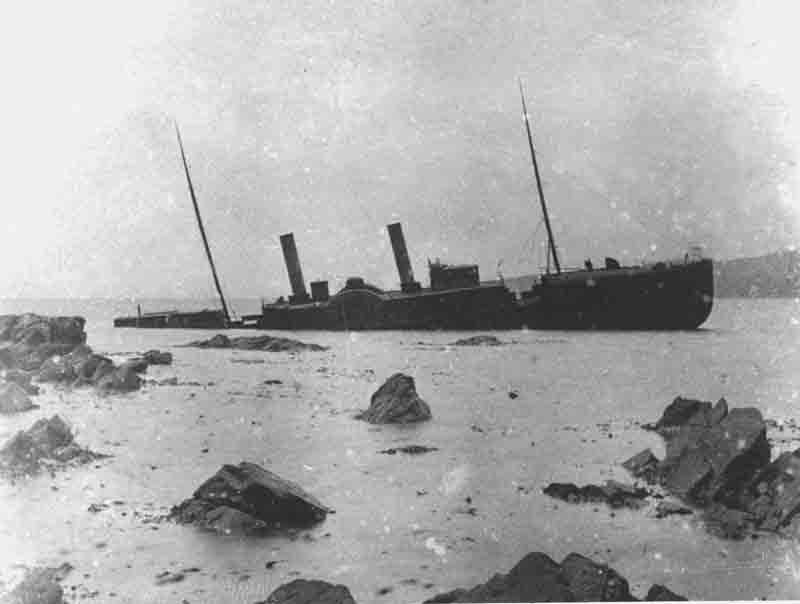
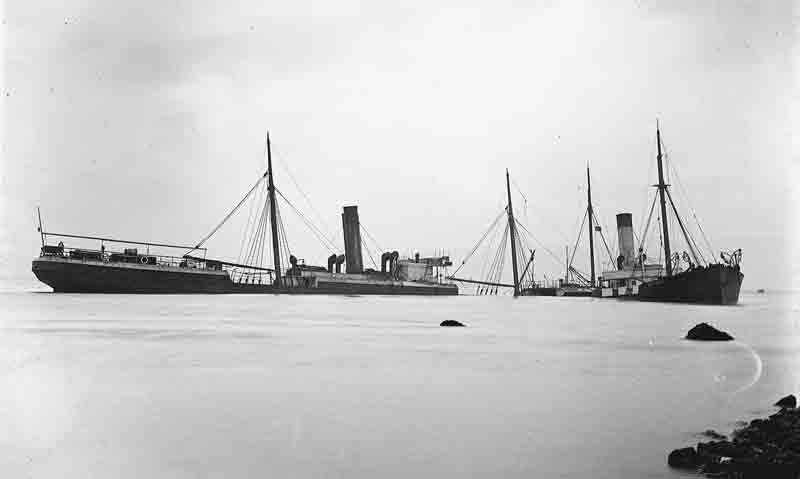
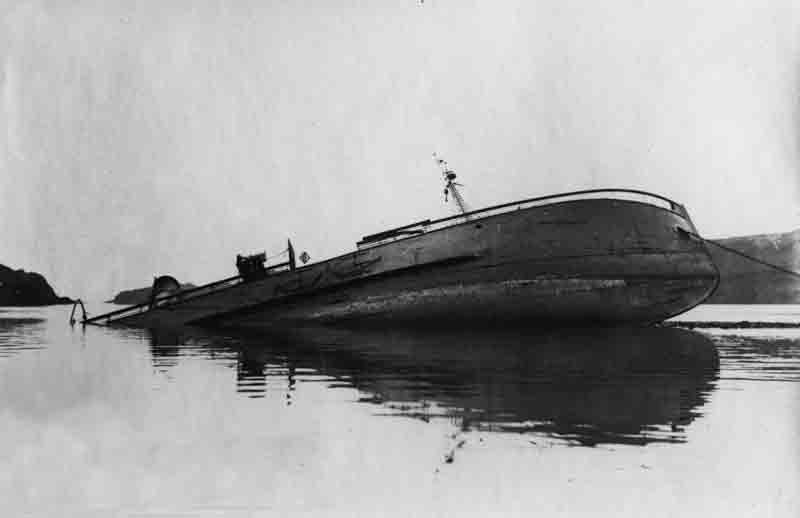
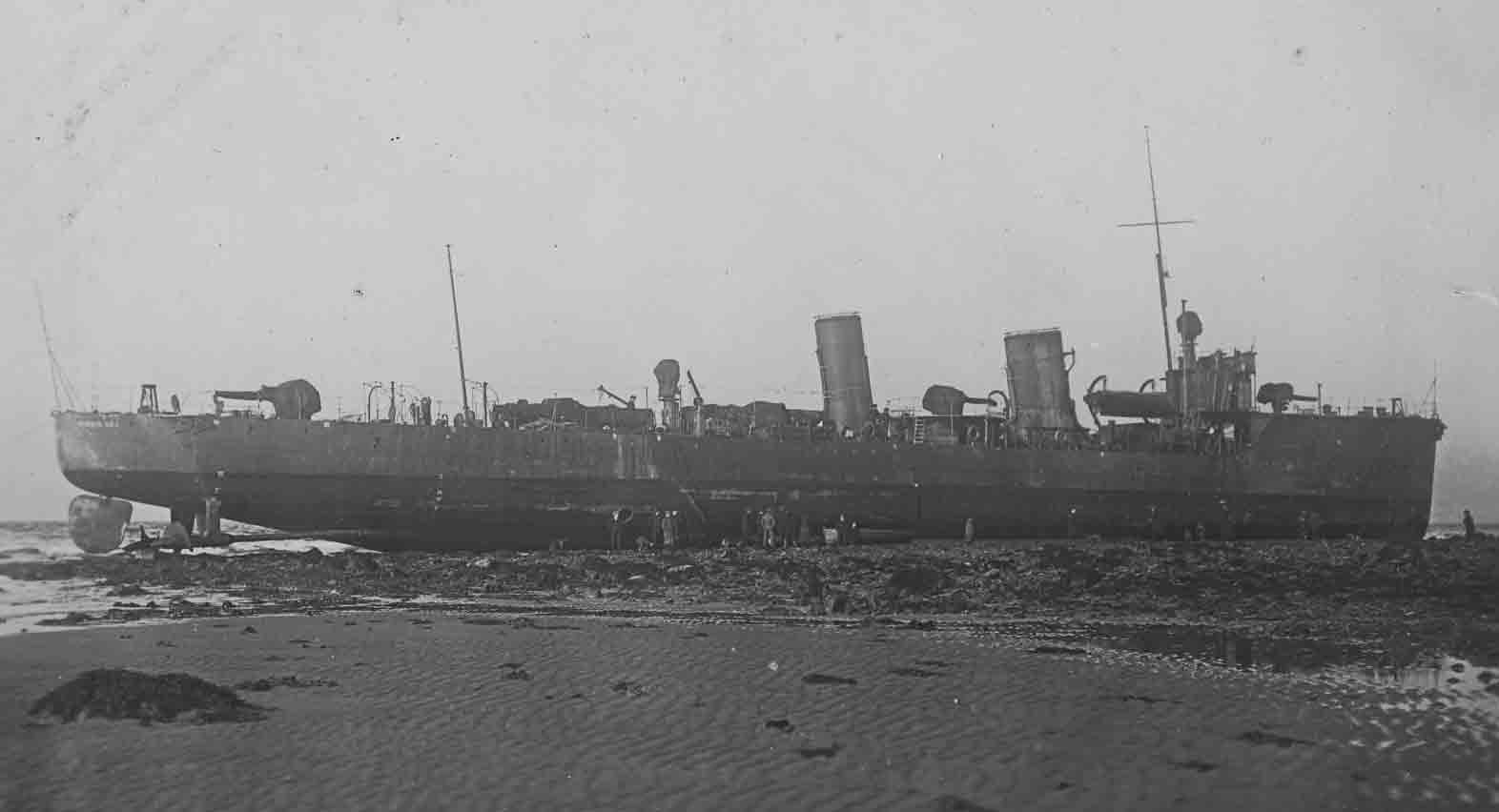
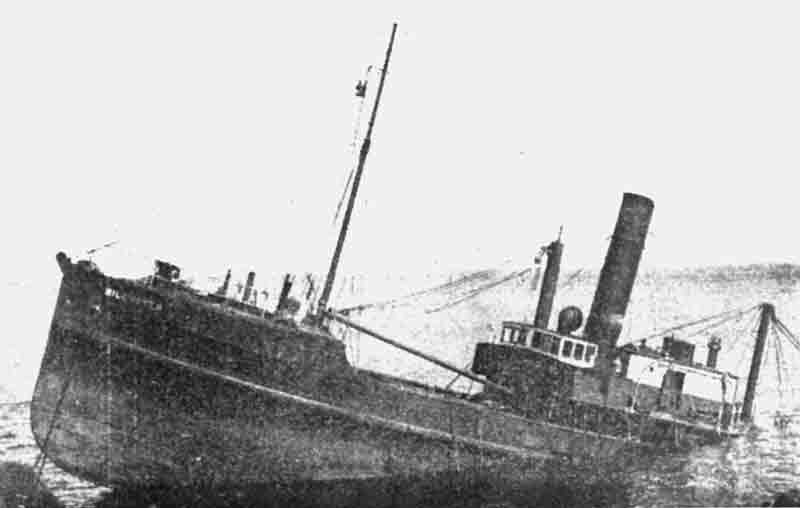
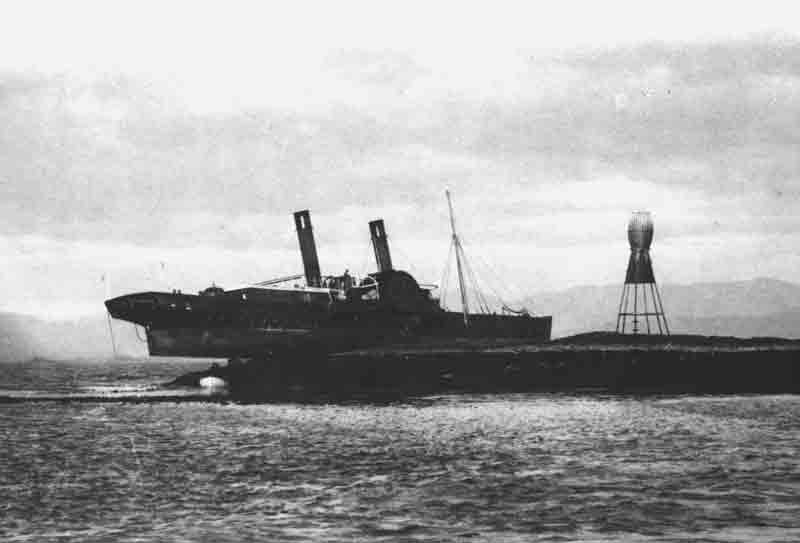
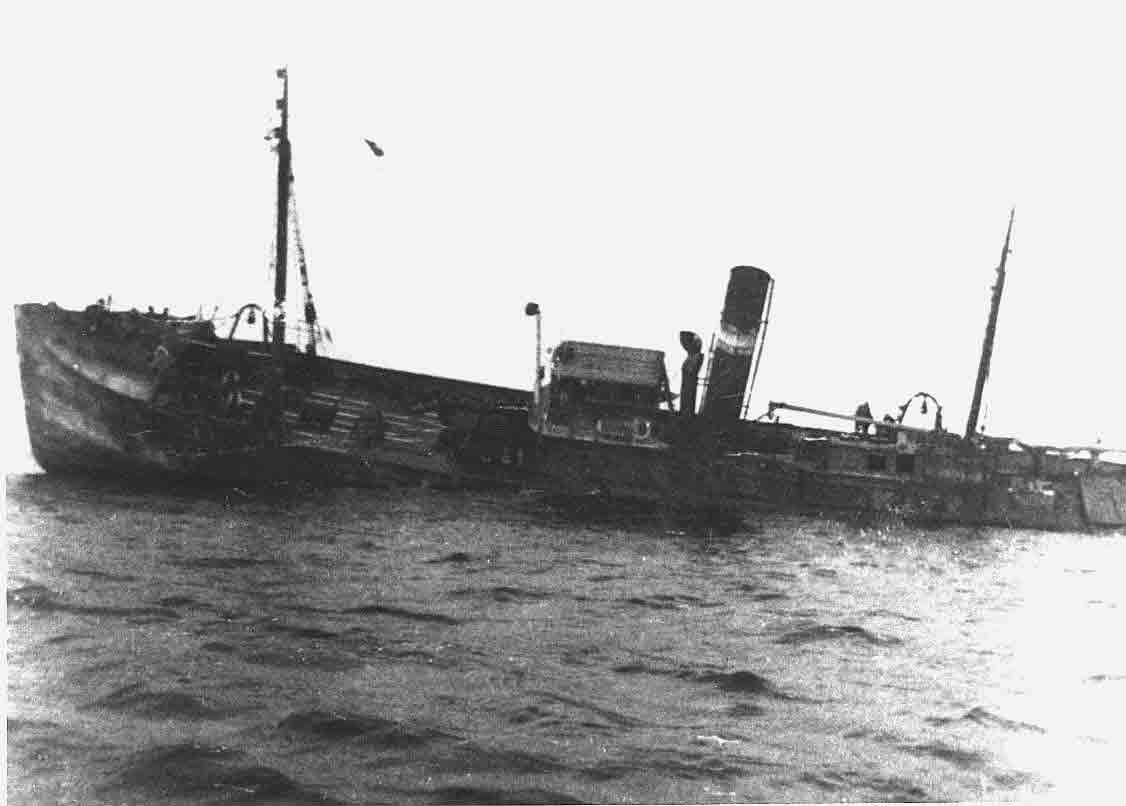
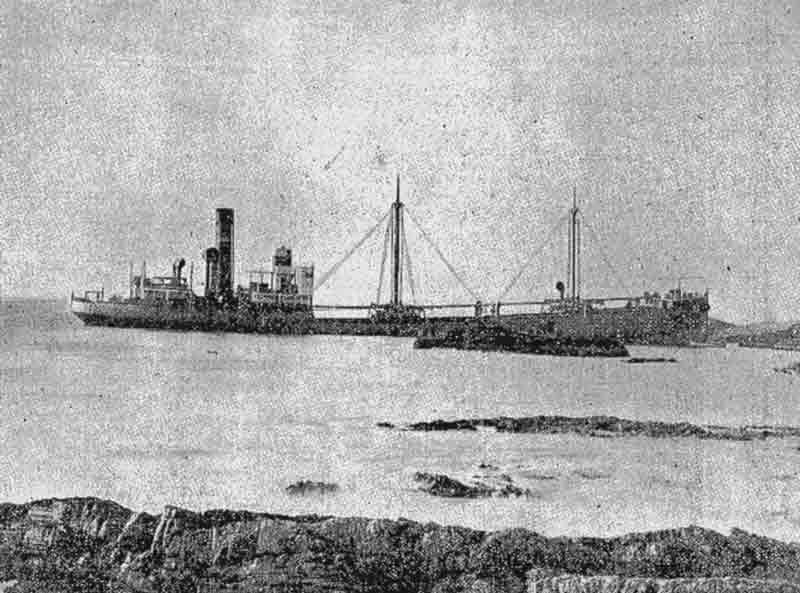
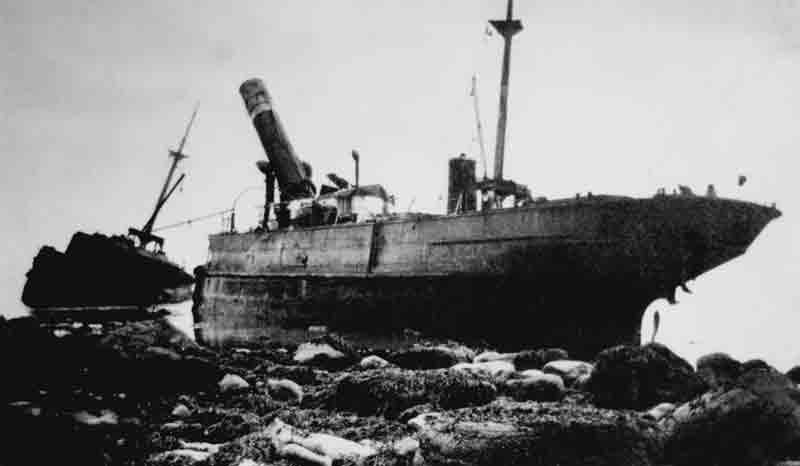
On 31st December 1904 Alabama was lying at anchor off Stornoway. Under the command of Captain Gotche, she had anchored there on 19th December with a broken propeller shaft. As the repairs were under way the weather conditions in the bay deteriorated with a strong wind from the south. Then, between 4 and 5am, the wind suddenly veered north north east and rose to hurricane force. The ship, which was in ballast and sitting high in the water, was battered from the starboard side and began to drag her anchors and quickly drove ashore at Breed River. As she beached she caught on a rocky ledge midships and developed a heavy list to starboard leaving her side under water. The steamship Dunard, which was tied up alongside Alabama delivering the new propeller shaft, had a lucky escape when the master managed to slip his anchors and avoid being swept ashore with the Alabama. Alabama also damaged another small steamer Banito as she was swept ashore but thankfully the damage to Banito was relatively minor and she remained afloat.
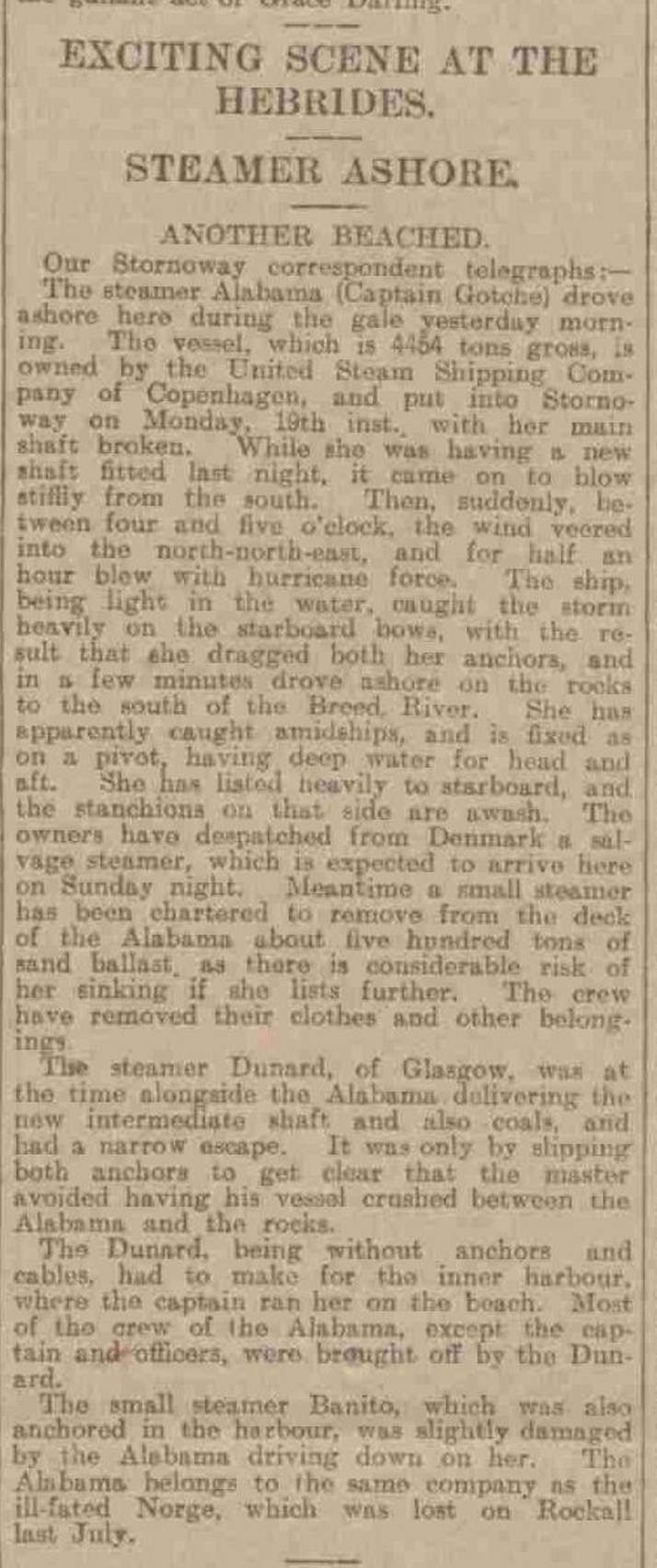
Dundee Courier 31st December
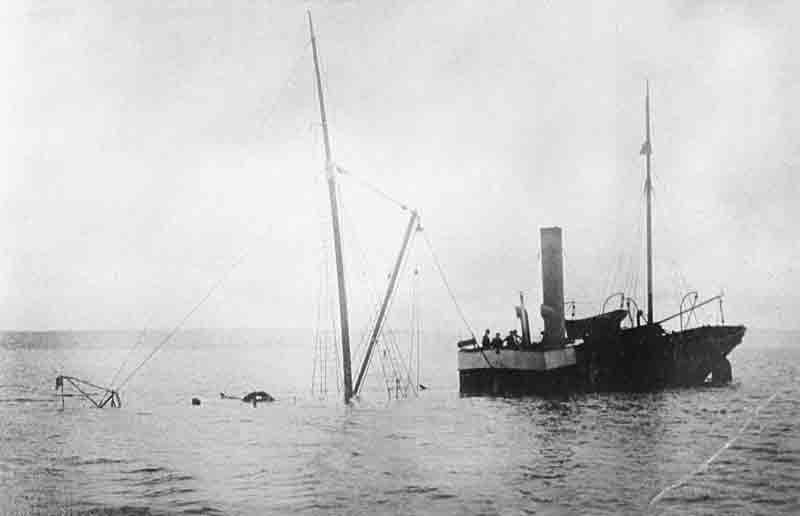
Salvage teams were sent to the site but it soon became apparent that Alabama would become a total wreck. She was later reported to be sitting upright with bow protruding from the surface at low water and the bridge and stern awash at high water. The wreck was buoyed until the start of World War Two and was finally removed in 1943. It appears that the wreck, which lies in position 58° 11.833’N, 06° 23.163’W oriented 118/298 degrees, was dispersed at some point but a survey in 2019 revealed substantial wreckage still remains in depths between 5 and 10 metres.