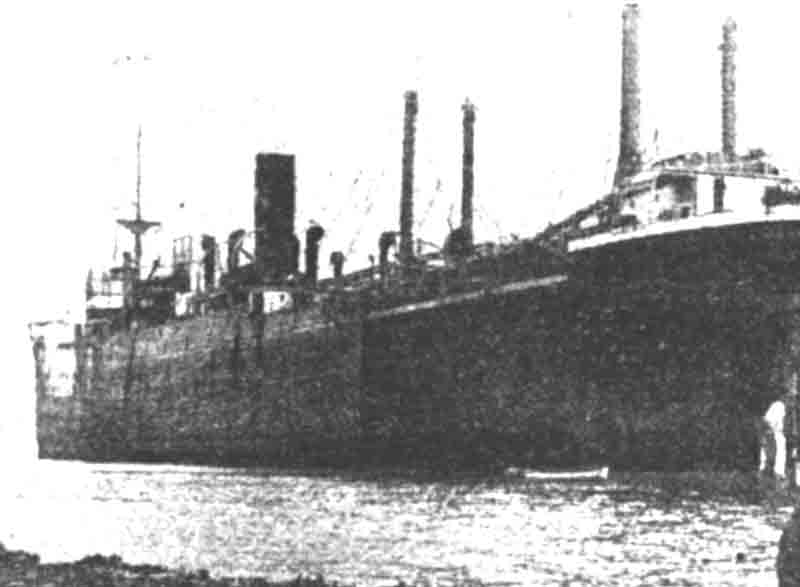
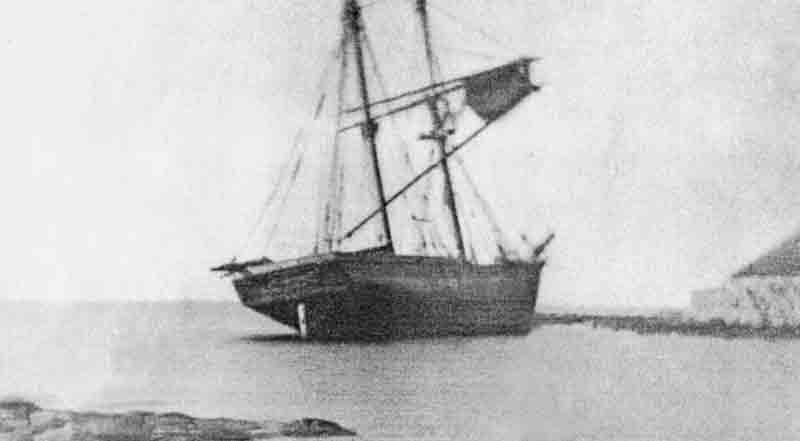
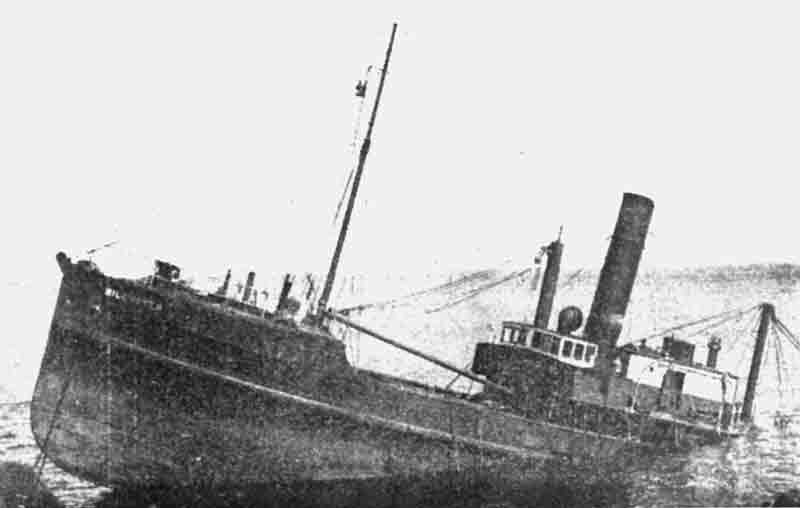
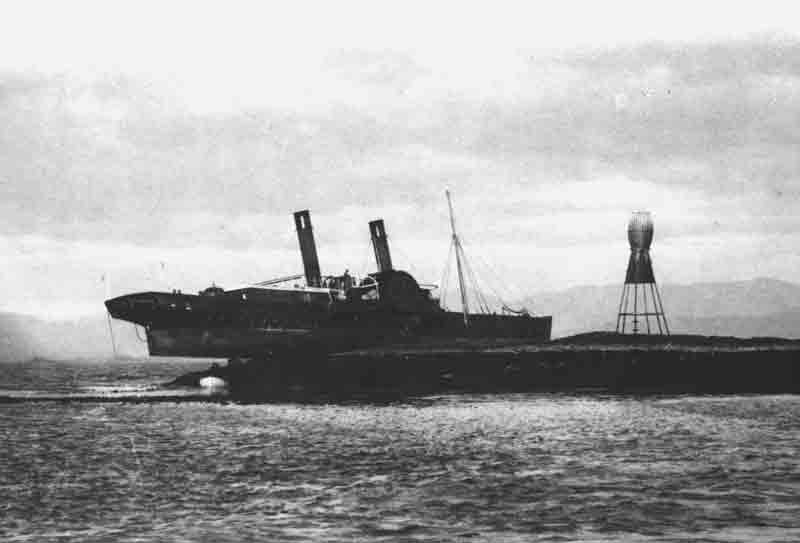
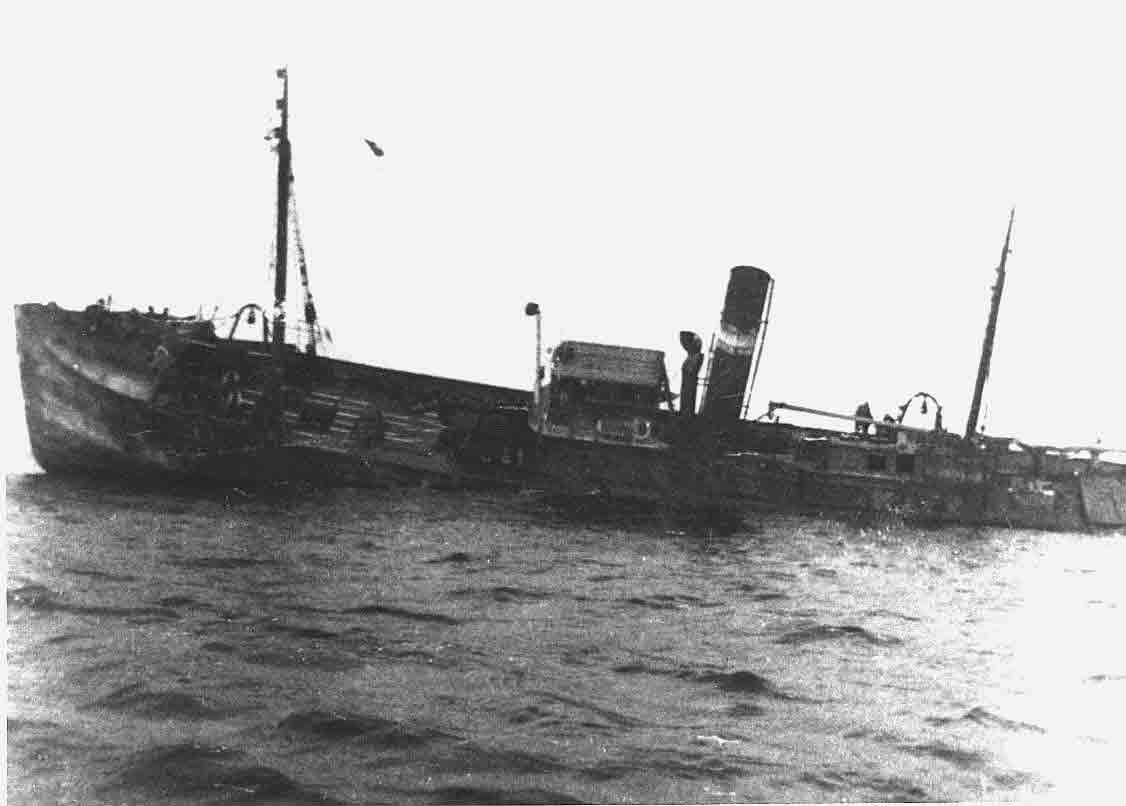
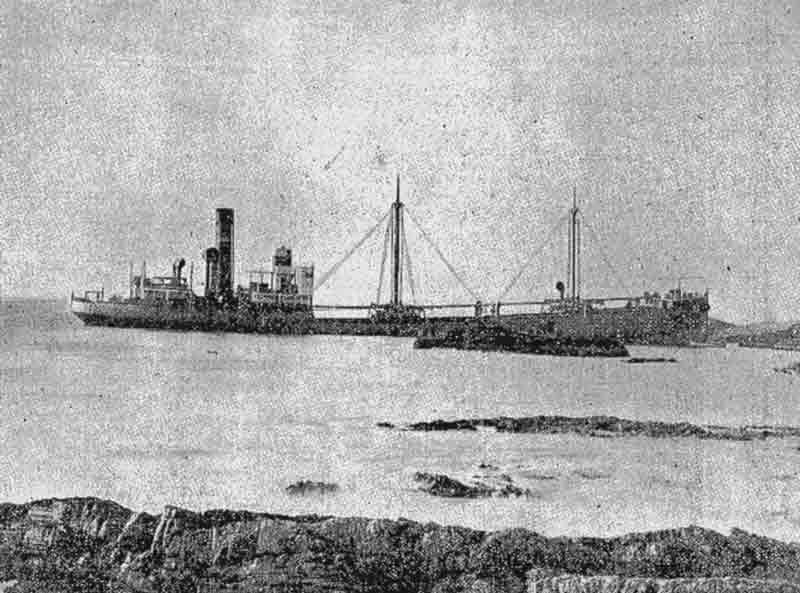
The steel barque Auchmountain was launched from the Port Glasgow yard of Russell and Co Ltd (Yard No 306) on 5th July 1892. She measured 235.5′ x 36.6′ x 21.6′ and her tonnage was 1456 gross tons. She was built to the order of the Auchmountain Shipping Co Ltd (Walter William and Co Ltd) Greenock.

Extract Lloyd’s Register 1892.
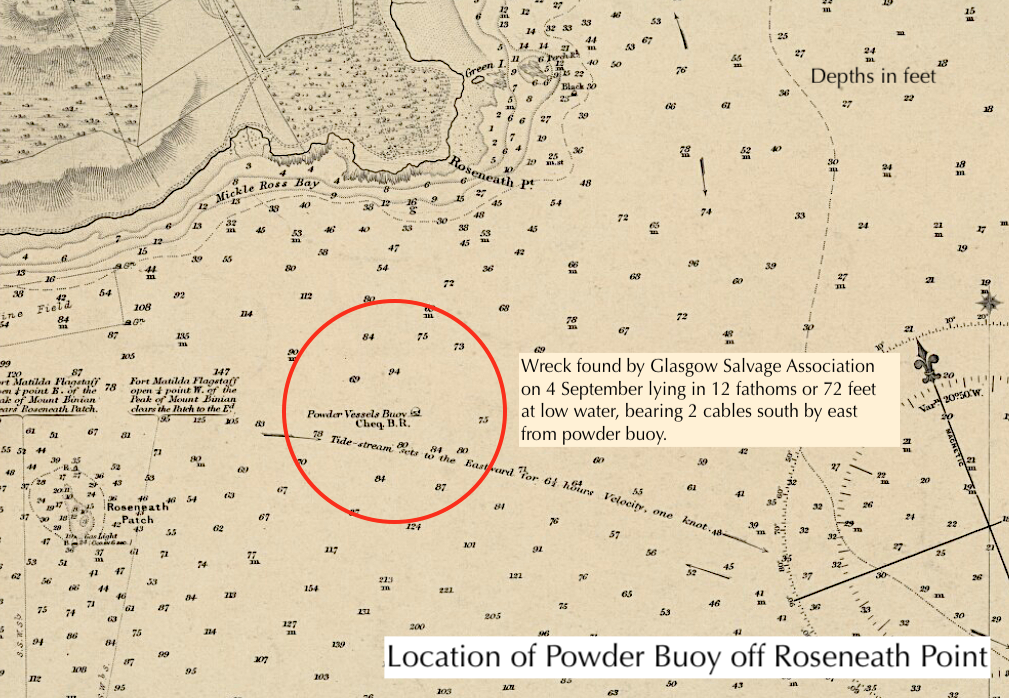
On 30th August, 1892 the Auchmountain left Glasgow for her maiden voyage to Sydney, Australia, with a general cargo of iron pipes, pig iron, beer and whisky for her owners. The next day, after setting her compasses off Gourock, she was moored to the powder buoy, which lay south of Roseneath Point, to take on the final part of her cargo, twenty tons of gunpowder. This was stored in the rear hold that same day leaving her ready to set sail early the next morning.
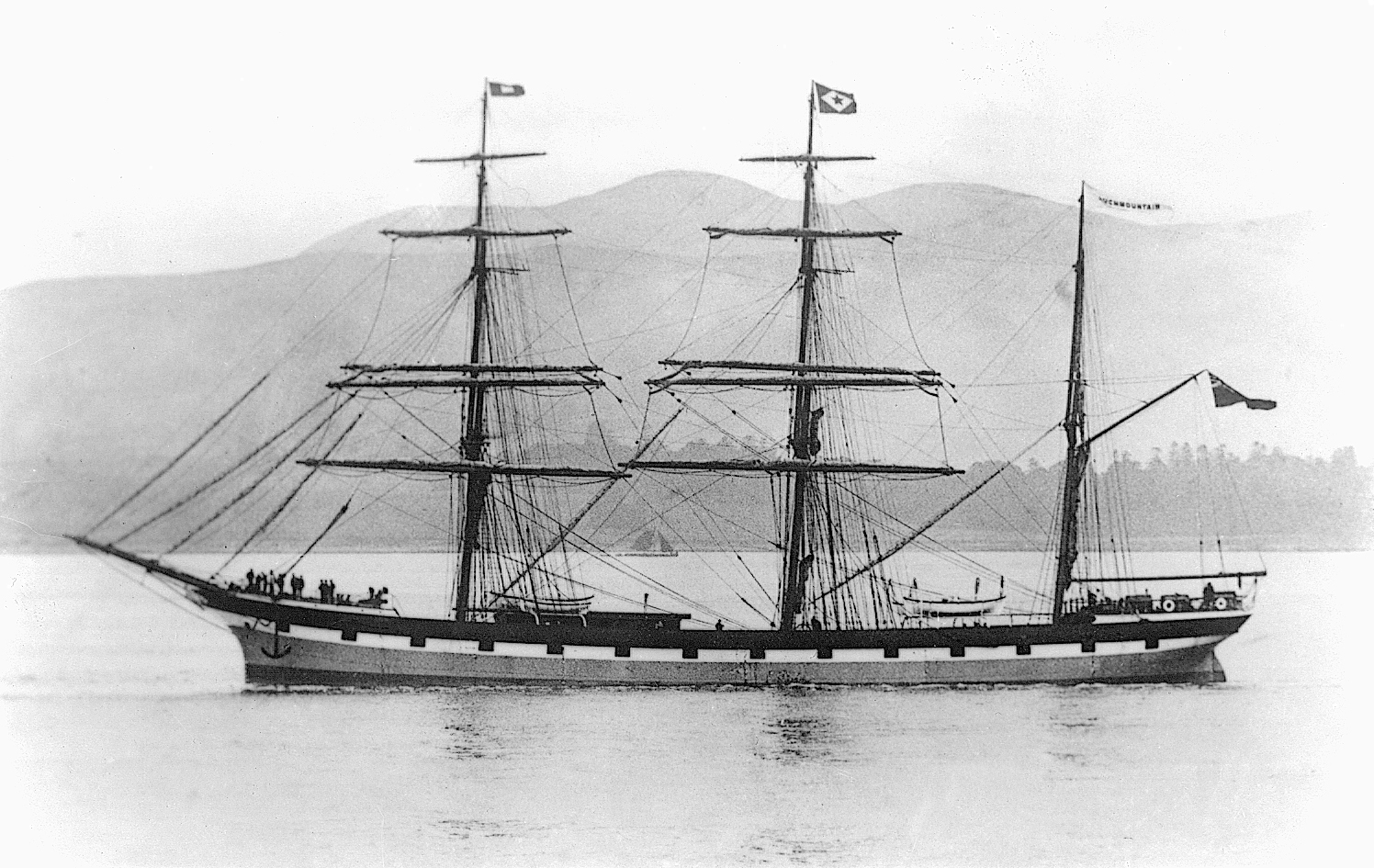
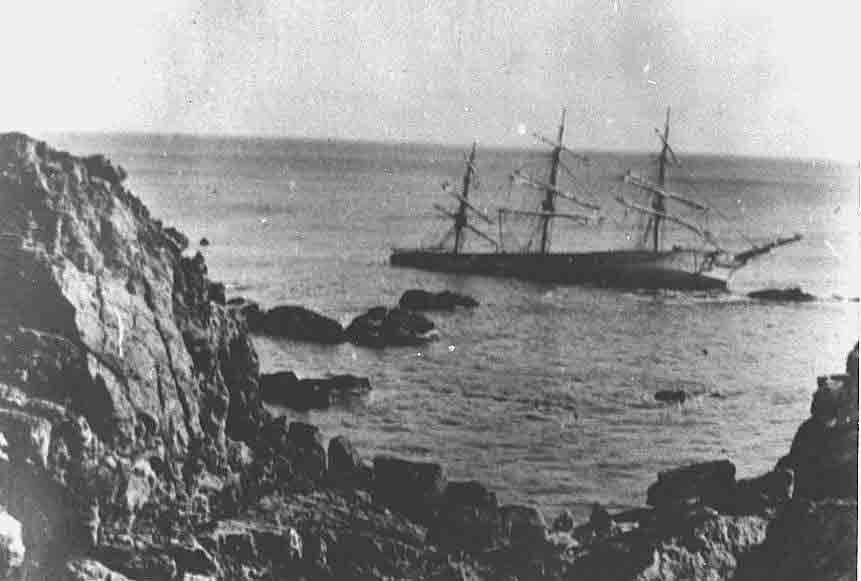
The barque Auchmountain
However, Captain Jones was frustrated from setting sail in his new vessel as strong winds kept him at anchor off Greenock for the whole of Friday 2nd September. As night fell, Chief Officer John Borland took over the watch and Captain Jones retired below intent on an early start next day. Shortly before 10pm Borland discovered a fire in the forecastle and immediately raised the alarm.
The Captain and his crew valiantly fought the blaze for the next two hours but, as the strong winds fanned the flames, the fire gradually spread along the length of the ship towards the deadly cargo in the rear hold. At this stage Captain Jones recognised that an explosion was inevitable and ordered his crew and a startled stowaway, who had been disturbed by the smell of the smoke, into the lifeboat. He returned briefly with some of his crew to attempt to jettison the gunpowder but it was immediately obvious that the task was hopeless and that they were in great danger of being blown up along with the ship and so they abandoned the Auchmountain to her fate. The crew managed to seek safety aboard the guard ship HMS Superb, which was moored around a mile away, across the anchorage.
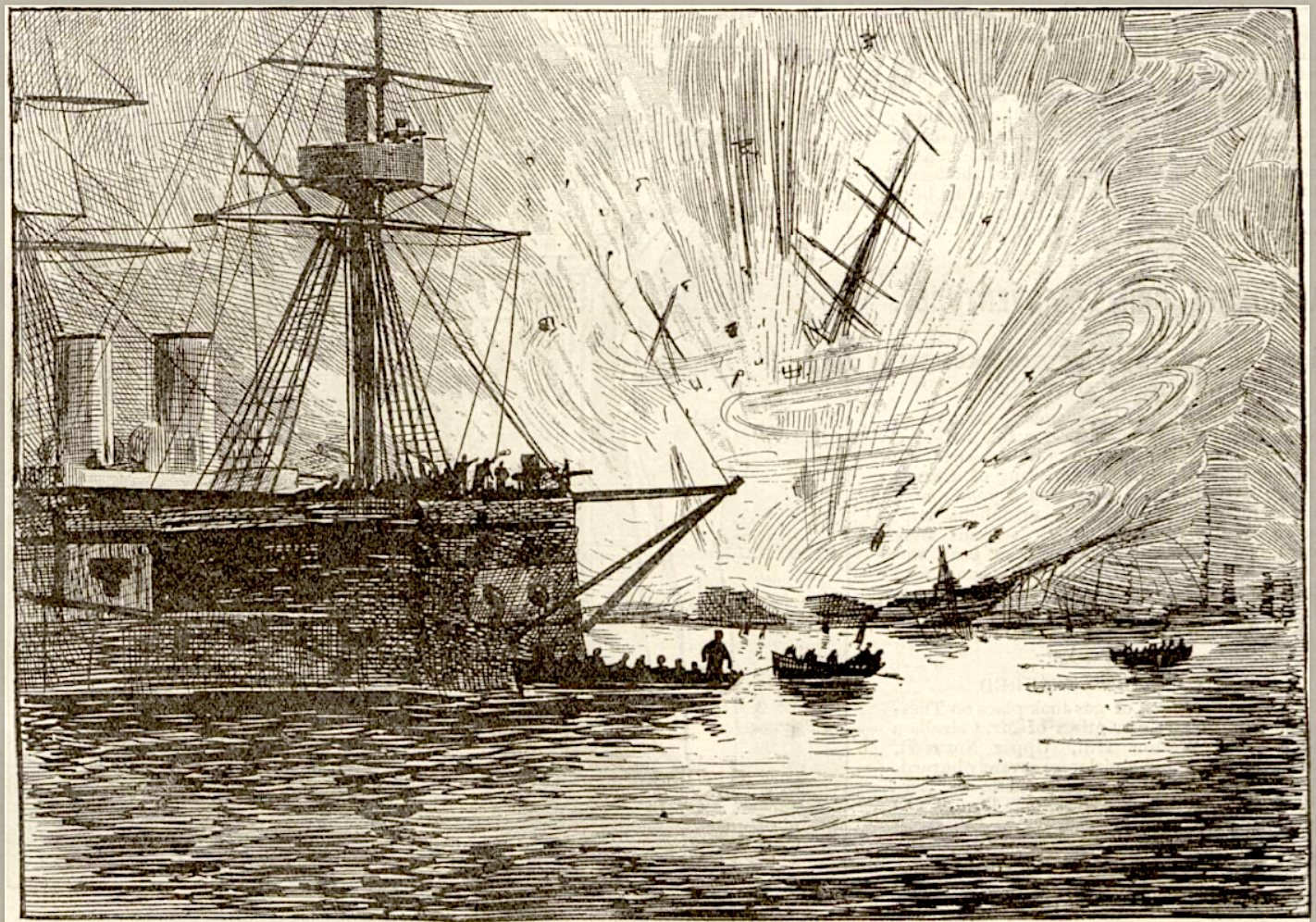
The result of fire and gunpowder……
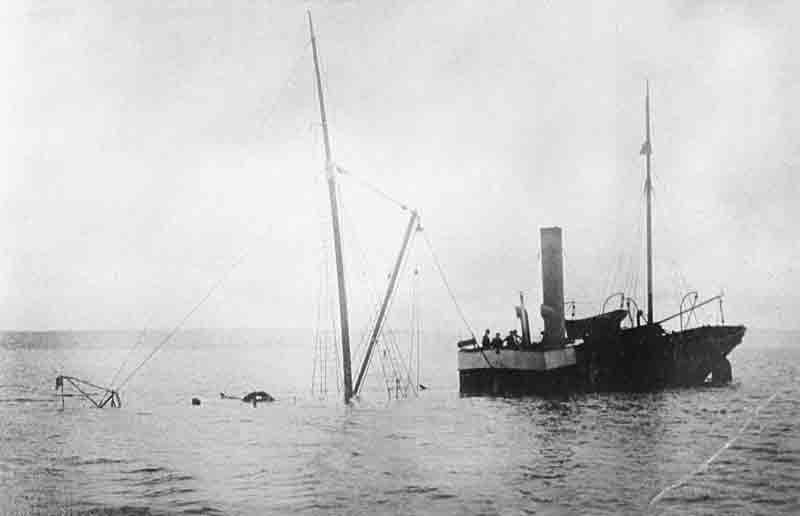
The fire relentlessly spread along the length of the ship with the foremast, mainmast and finally mizzen mast toppling in turn into the flames until, shortly before 5am, the fire reached the rear hold. The Auchmountain was torn apart by a huge explosion which shattered windows in Greenock and Gourock and even in Dumbarton. The explosion was felt as far away as Pollokshaws in Glasgow which is over twenty miles from the scene of the incident. The residents of that area thought that a small earthquake had occurred. Papers from the ship were discovered in a garden in Kilmacolm six miles away. Back on the river, as the thick pall of smoke cleared, the Auchmountain had vanished without trace. After some initial salvage the wreck lay undisturbed for the next few years although, at intervals, pieces of the ship were washed ashore or found floating in the river after a storm.

Lloyd’s casualty report.
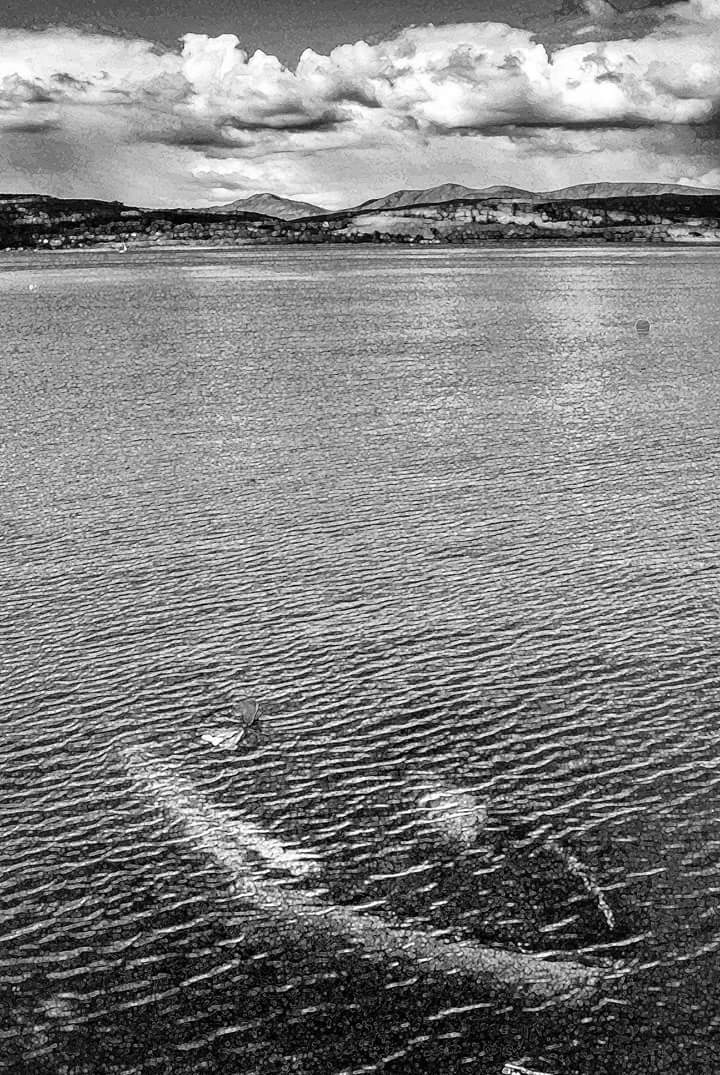
The bow of the wreck, least damaged, well proud of seabed.
The wreck was a hazard to vessels navigating in the busy anchorage off the Tail of the Bank. Once works were complete to salvage as much of her cargo as possible, thoughts turned to breaking up her hull to increase the clearance over the wreck. One such attempt took place on 4th August 1894 when a diver placed a 1000 pound charge of Amberite smokeless explosive within the hull in an attempt to disperse the wreck. This exercise was unsuccessful although the charge did explode.

The large drum of Amberite, to be placed on the wreck by diver Gowen.
A further attempt was made by the agents of the liquidators of the Auchmountain Shipping Company in September 1896. This operation was not carried out to the satisfaction of the Clyde Lighthouse Trust who had the responsibility for the seaways of the Clyde during this period. A few weeks later the wreckage was finally covered by the dumping of dredgings from the excavation of Cessnock dock.