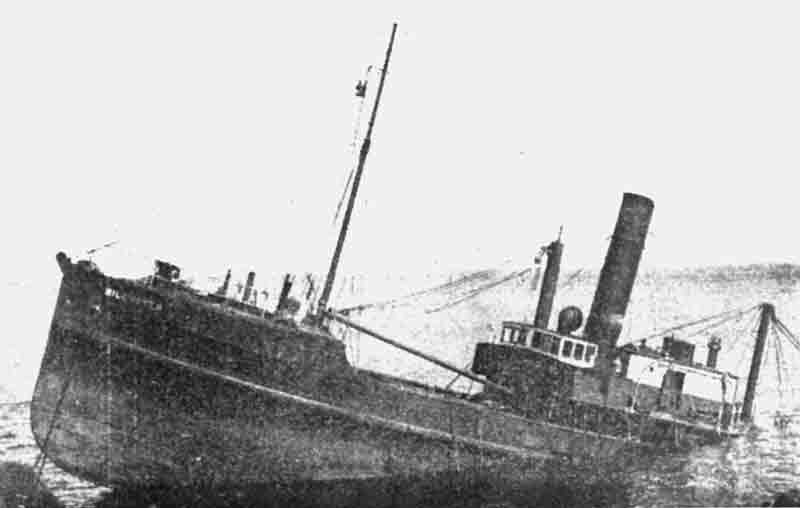
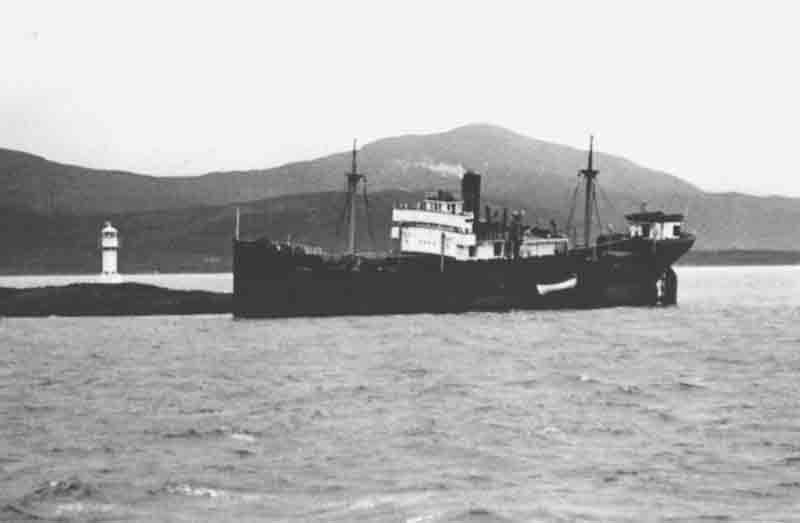
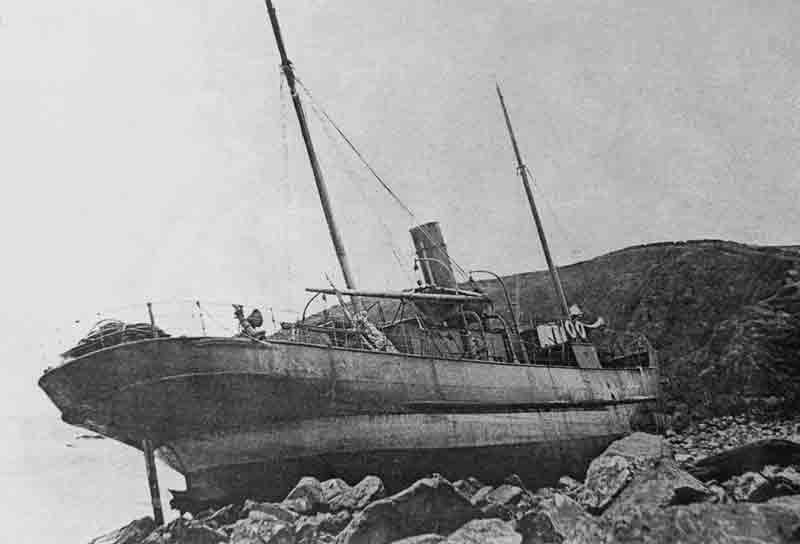
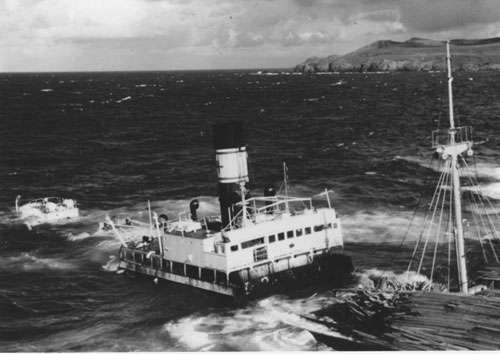
The steel steam trawler Akita was launched from the Selby yard of Cochrane & Sons Ltd (Yard No 1201) on 23 March 1939. She measured 130.7′ x 24.6′ x 11.9′ and her tonnage was 314 gross tons, 116 net tons. She was powered by a triple expansion steam engine supplied by Amos & Smith of Hull which developed 124 nominal horse power. Her official number was 162133.
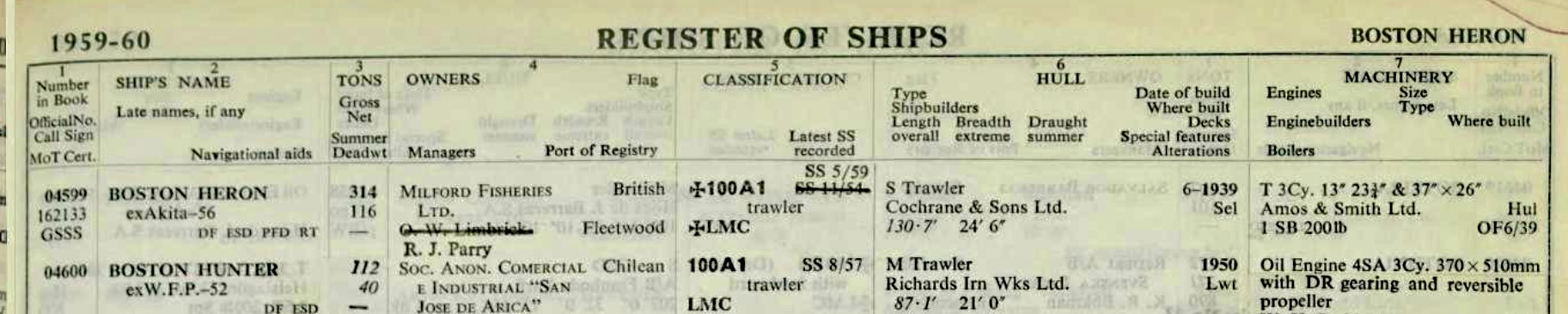
Extract Lloyd’s Register 1960.
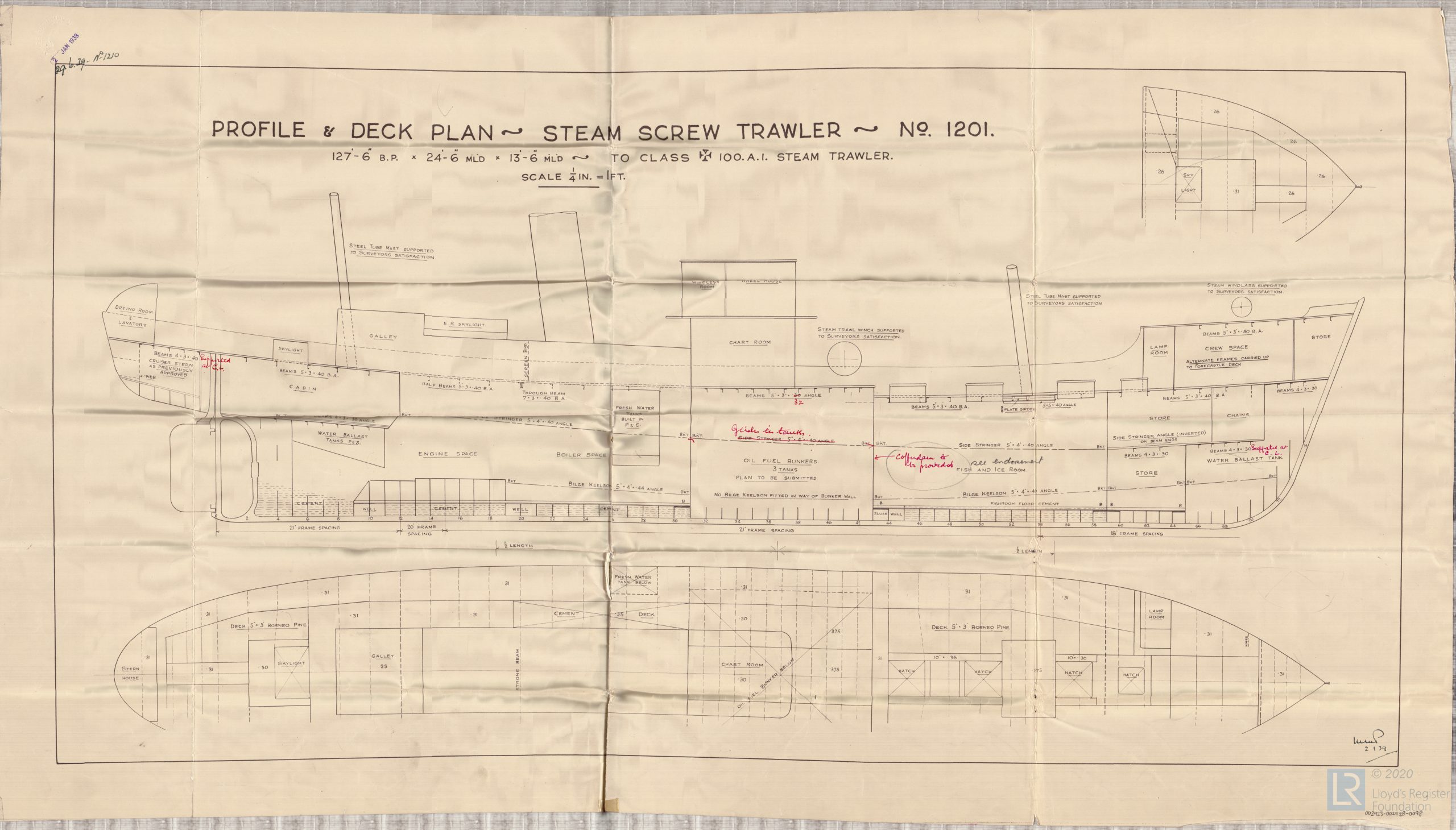
Builders GA drawings. Lloyd’s Register.
Ordered by Neale and West Ltd of Cardiff she was first registered at Cardiff in May 1939 for fishing as CF.4 although immediately requisitioned by the Admiralty for war service as a minesweeper. She survived the war and was returned to her owners before she was sold to Boston Deep Sea Fishing and Ice Co, registered at Fleetwood as FD 48 and renamed Boston Heron in January 1957. Purchased by Milford Fisheries in December 1957 she continued to operate out of Fleetwood before she was sold to her final owners, Merchants (Milford Haven) Ltd, in December 1961 who moved her operation base to Milford Haven.
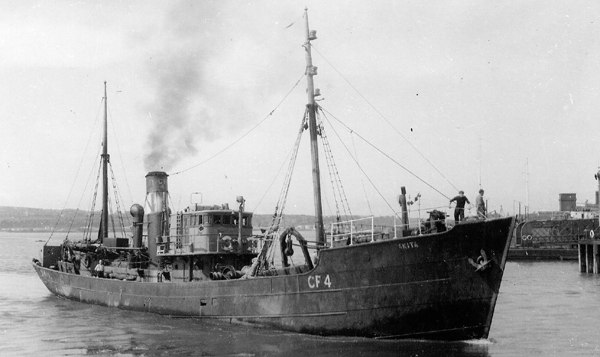
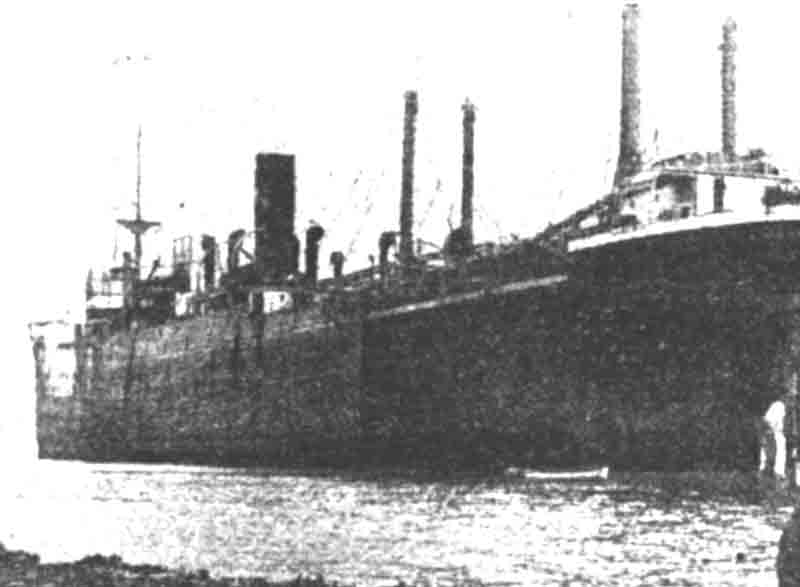
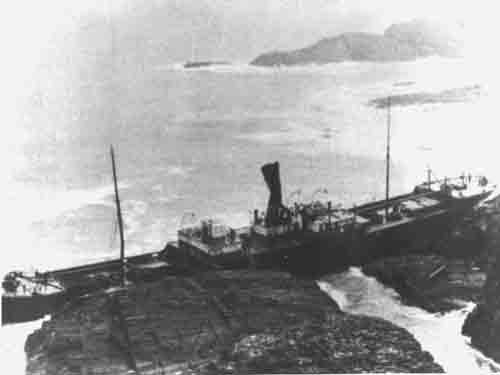
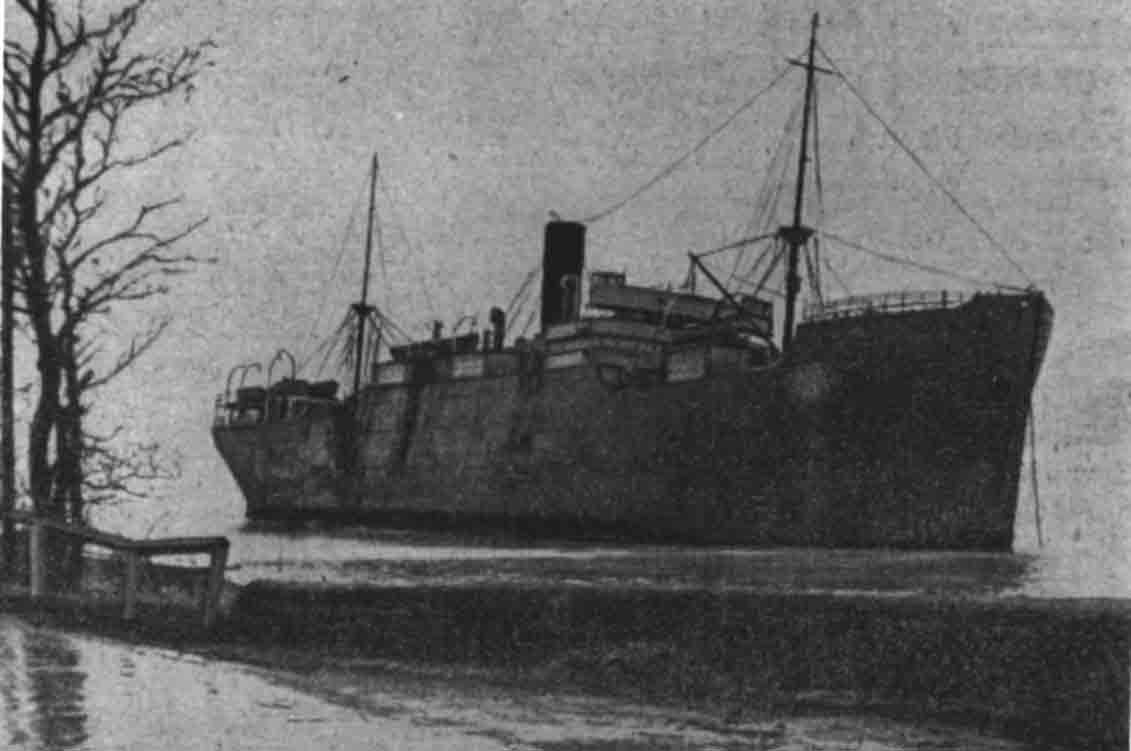
SS Akita.
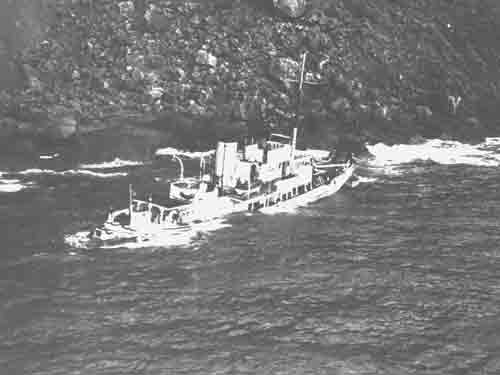
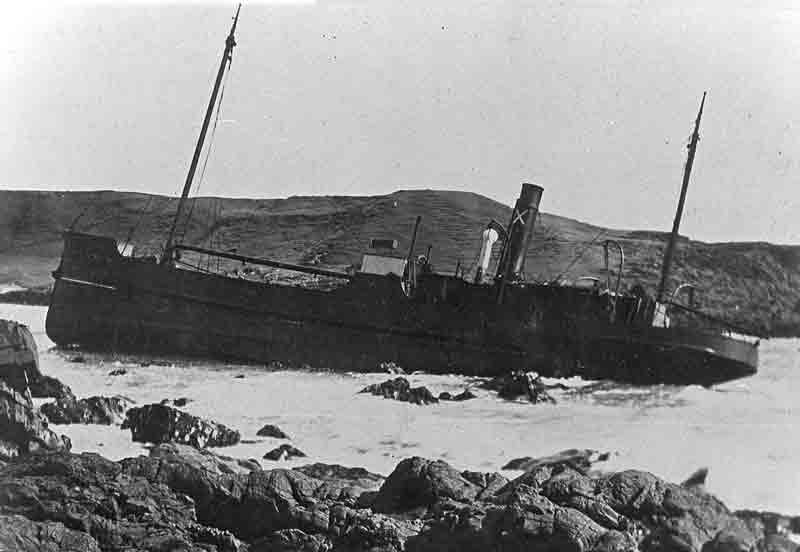
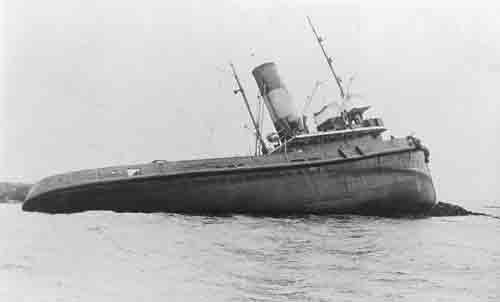
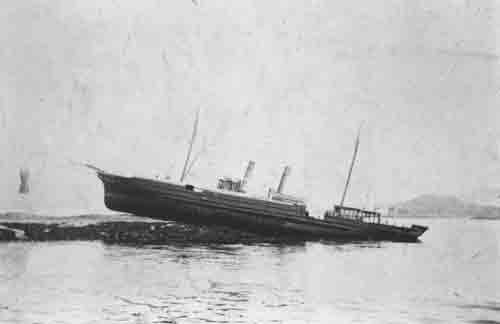
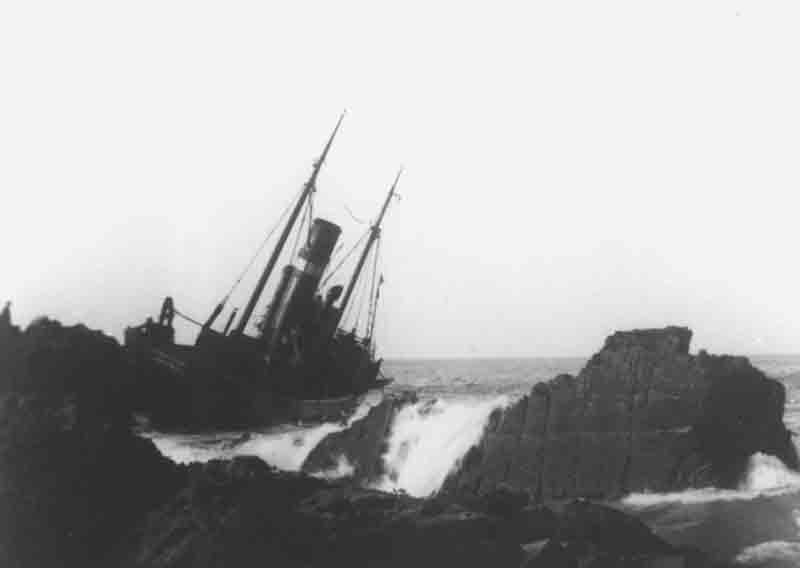
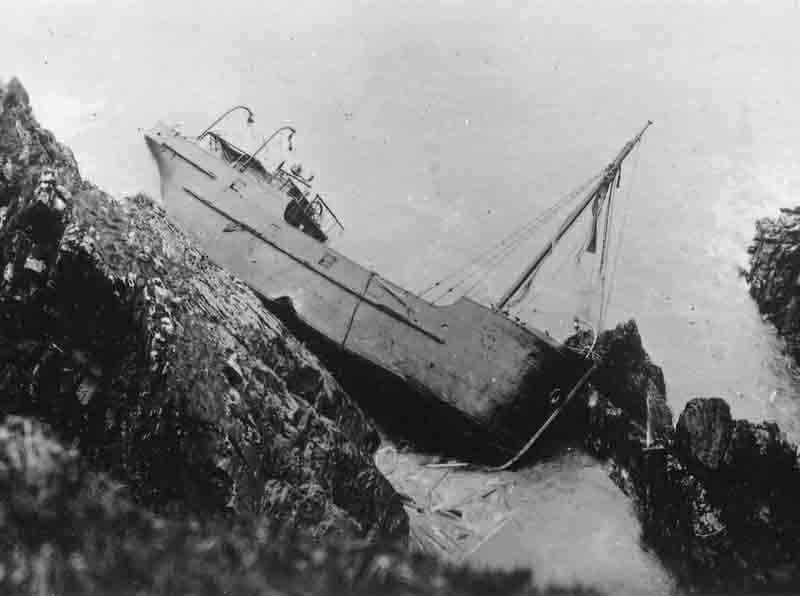
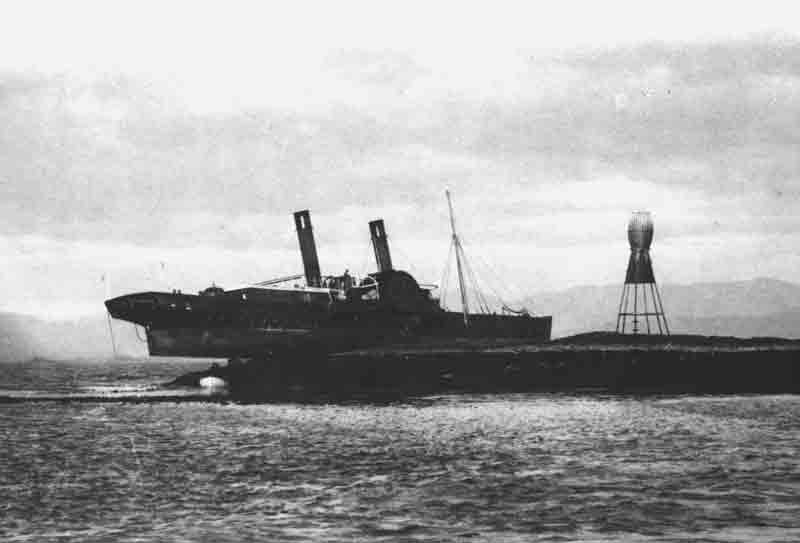
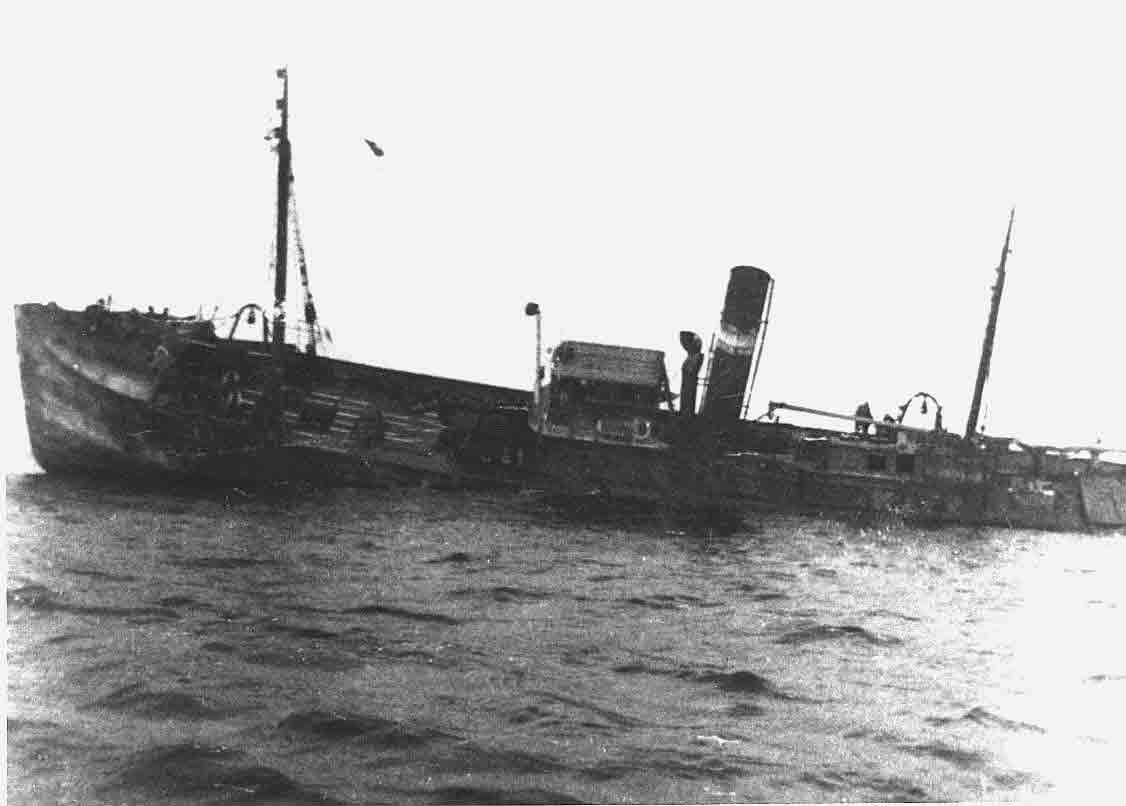
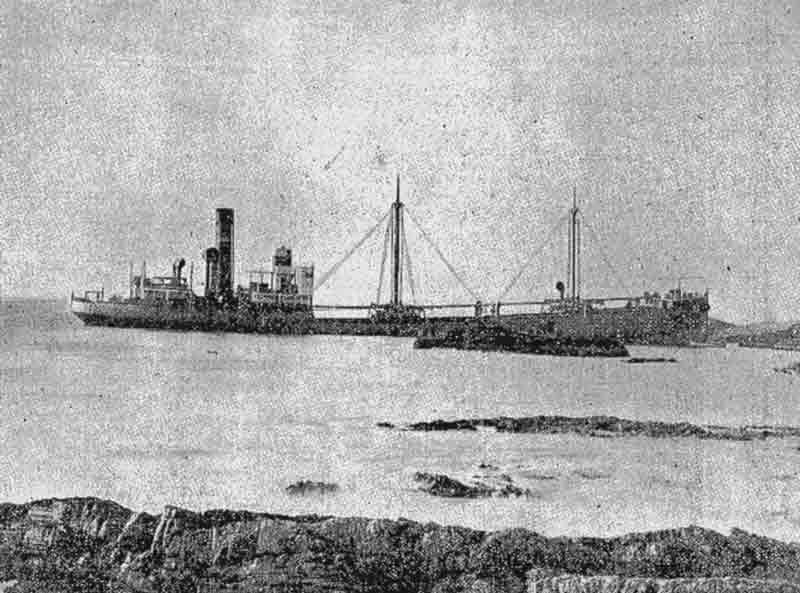
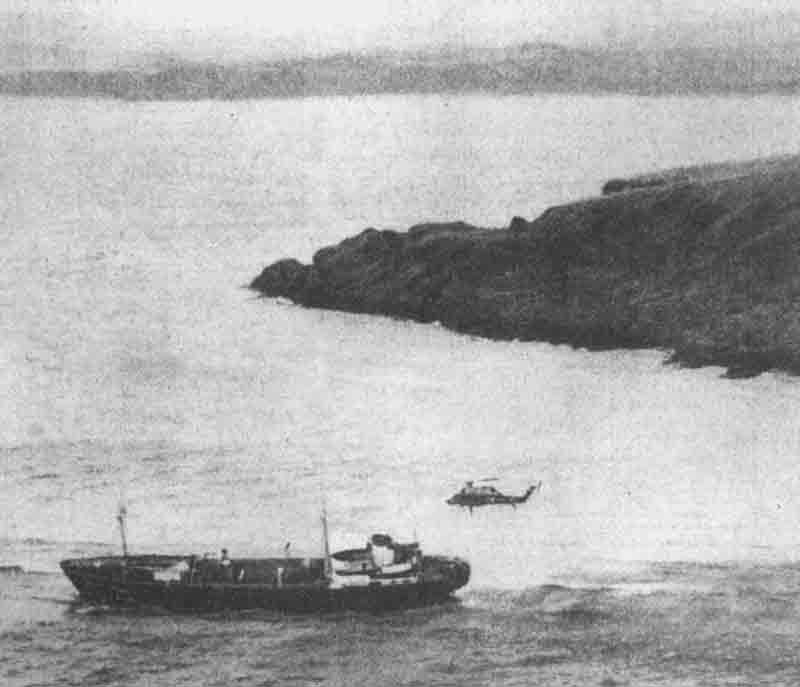
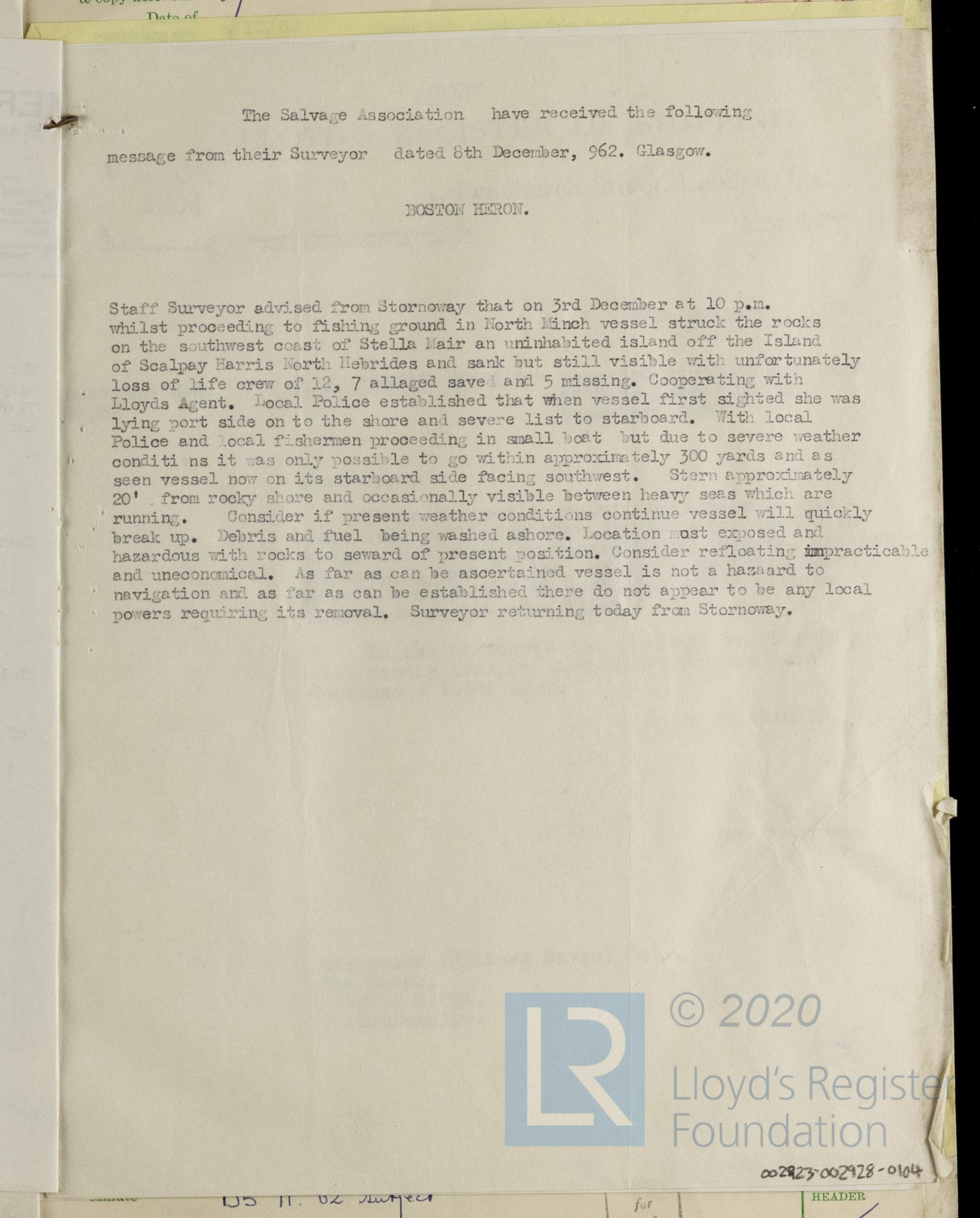
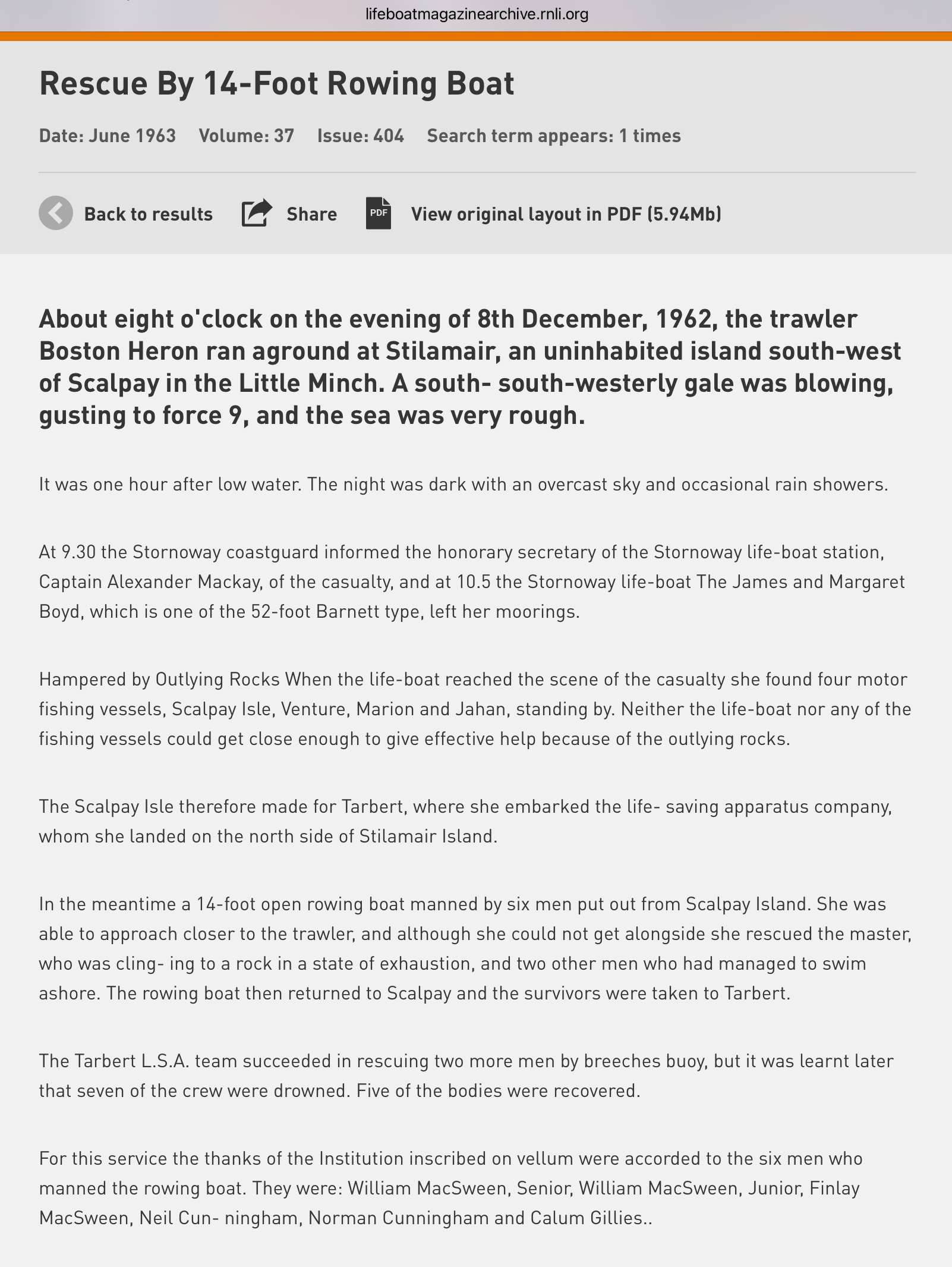
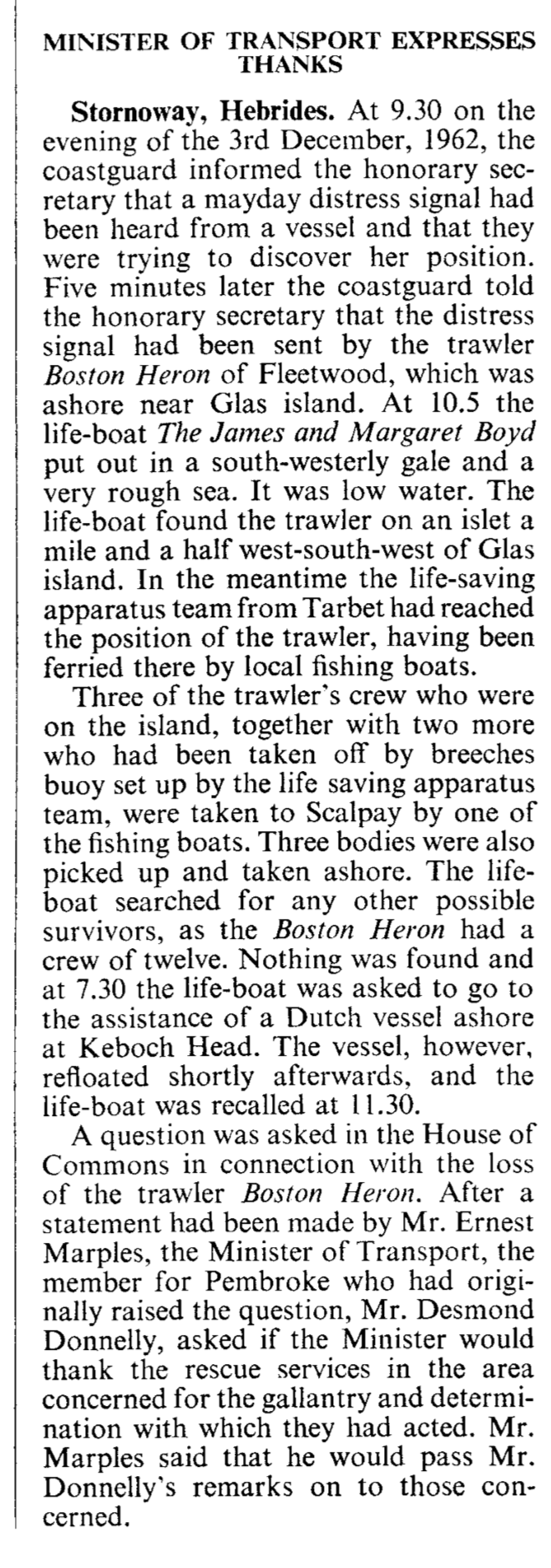
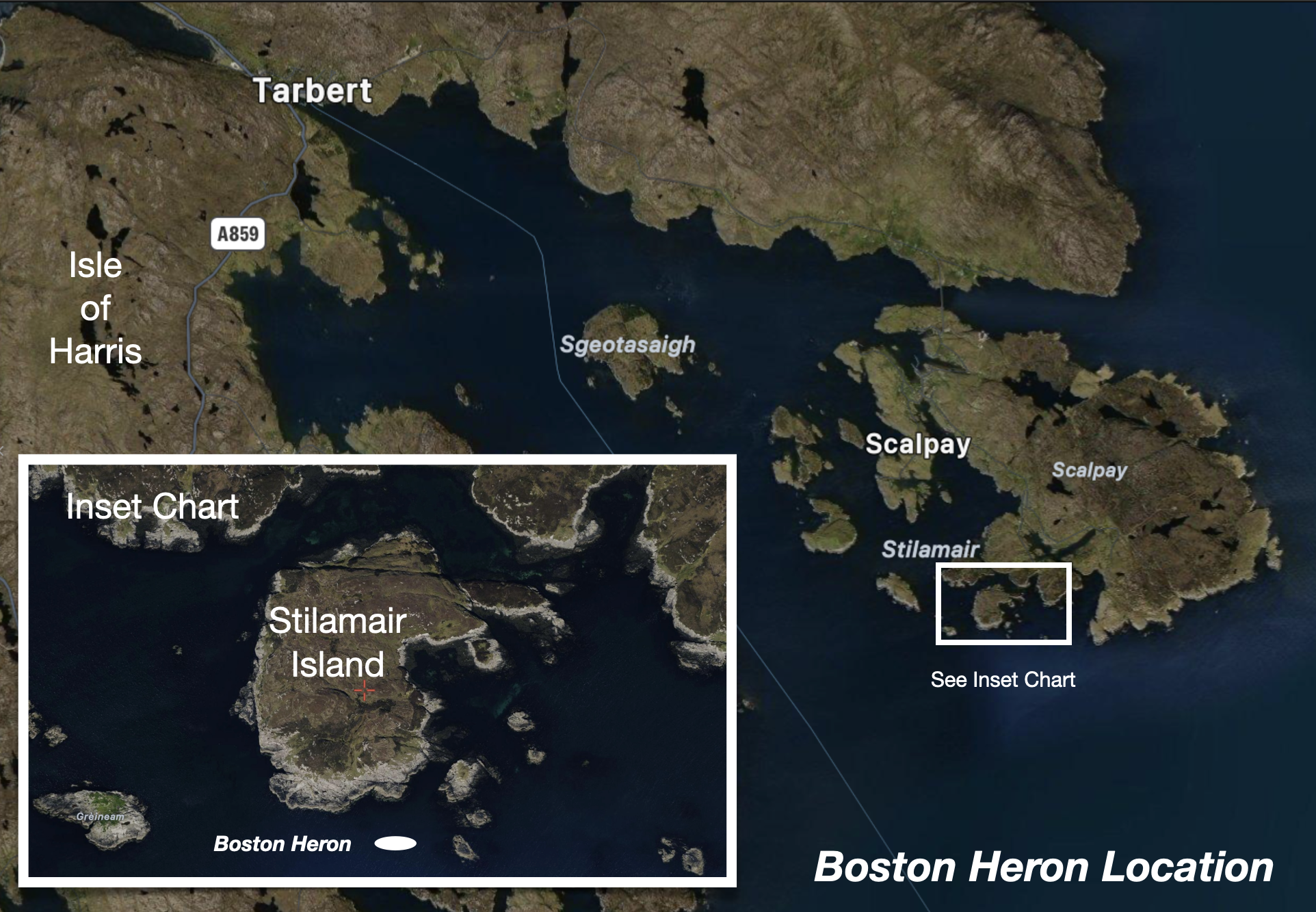
On November 30th 1962 Boston Heron set out from Milford Haven bound for the Atlantic fishing grounds but owning to a deterioration in the weather her skipper, John Bean, decided to change his plans and headed instead for the North Minch hoping to fish there and avoid the worst of the weather. By 6:00pm on December 3rd the trawler was 5 or 6 miles WNW of Neist Point, Skye and just over an hour later turned NW to head towards Glas Eilean. At first the night was dark and clear but by 8:00pm squally rain reduced the visibility and the engines were slowed as a precaution and the course altered to the NE. At this point the Decca navigation system started playing up and left the skipper uncertain to his exact position so he altered course again towards the east to keep him clear of any landfall. However, with the navigation system continuing to malfunction, one hour later they felt a bump as the vessel grounded gently on a rock. The engines were stopped but the Boston Heron then drifted broadside onto the rocks at Stilamair Island.
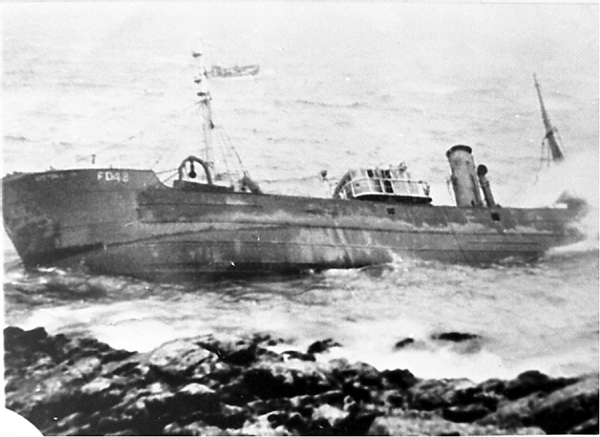
A distress message was sent out at 09:21pm and the skipper ordered the inflatable liferaft to be got ready. However a large wave swept over the ship, which was listing heavily to starboard, and washed the liferaft overboard. Two of the crew were also washed overboard but managed to make it to the rocks of Stilamair Island and relative safety. Shortly afterwards the skipper was also washed overboard and, despite and heavy blow to his head, he too managed to make it ashore. Of the nine crewmen left aboard two were rescued by the life saving crew using a breeches buoy from Stilamair, but tragically the remainder were lost in the maelstrom around their stricken vessel.
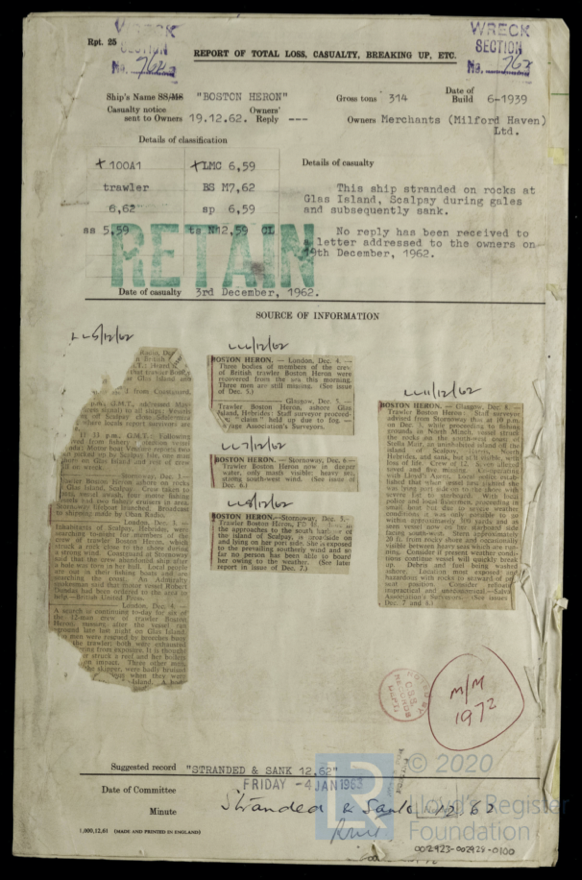
The subsequent enquiry held at Milford Haven on 9th & 10th of April 1963 found that, while there was most likely a problem with the Decca navigation system the skipper, John Bean, contributed to the loss by not taking appropriate action when the fault was discovered by immediately steering east away from any potential landfall.
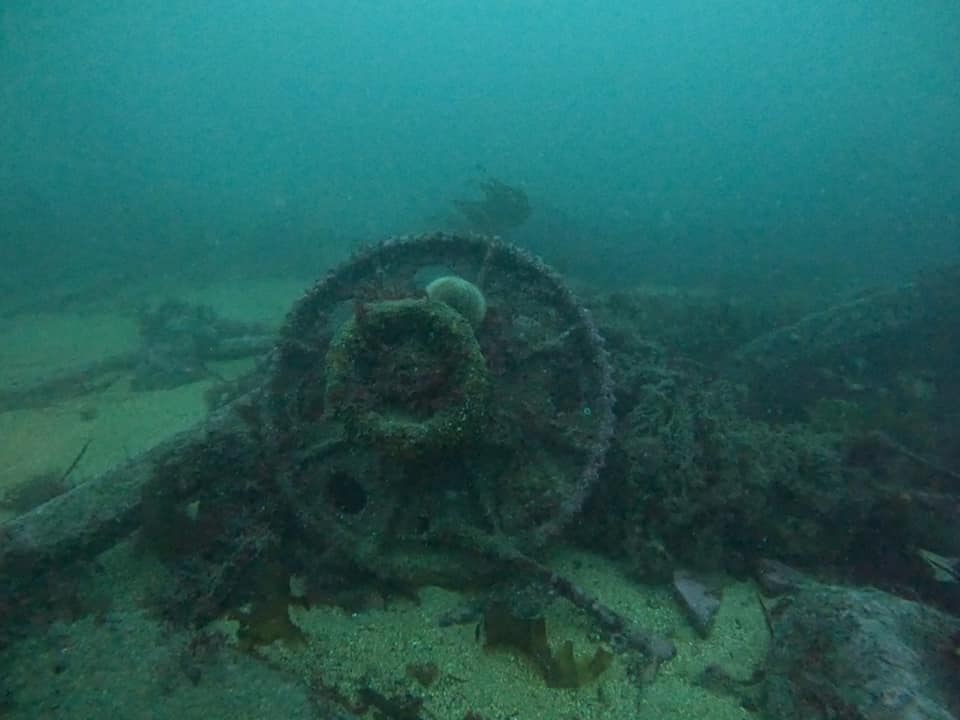
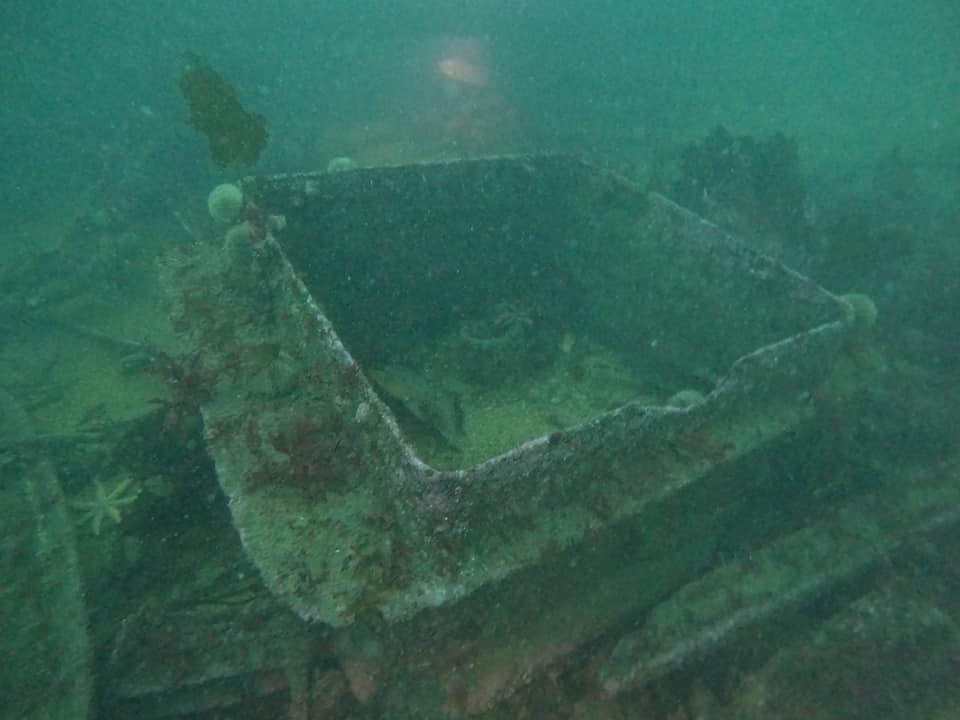
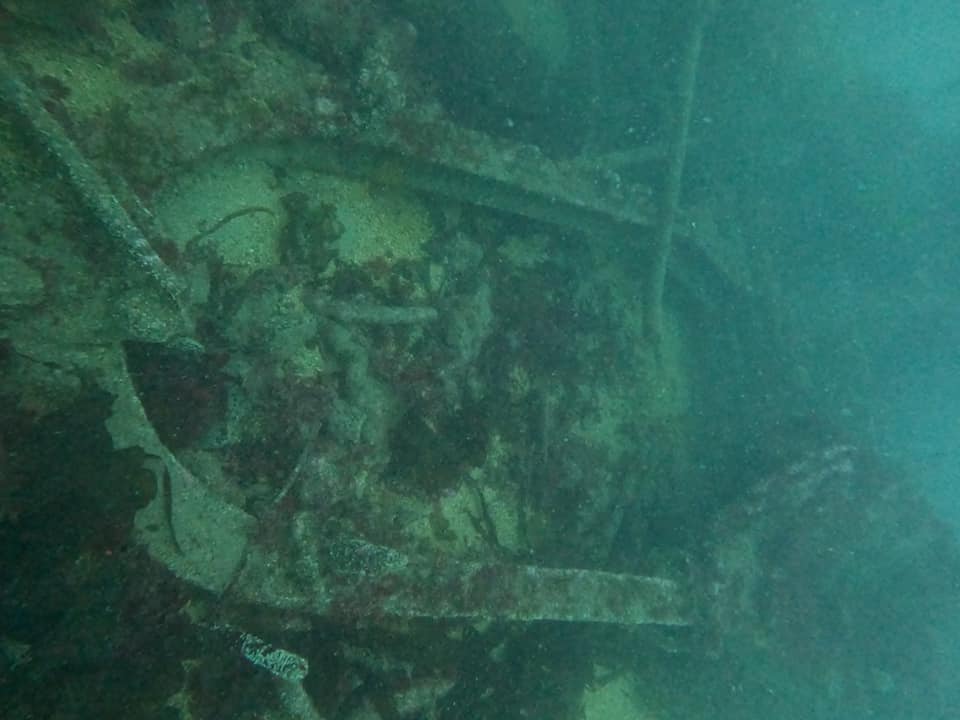
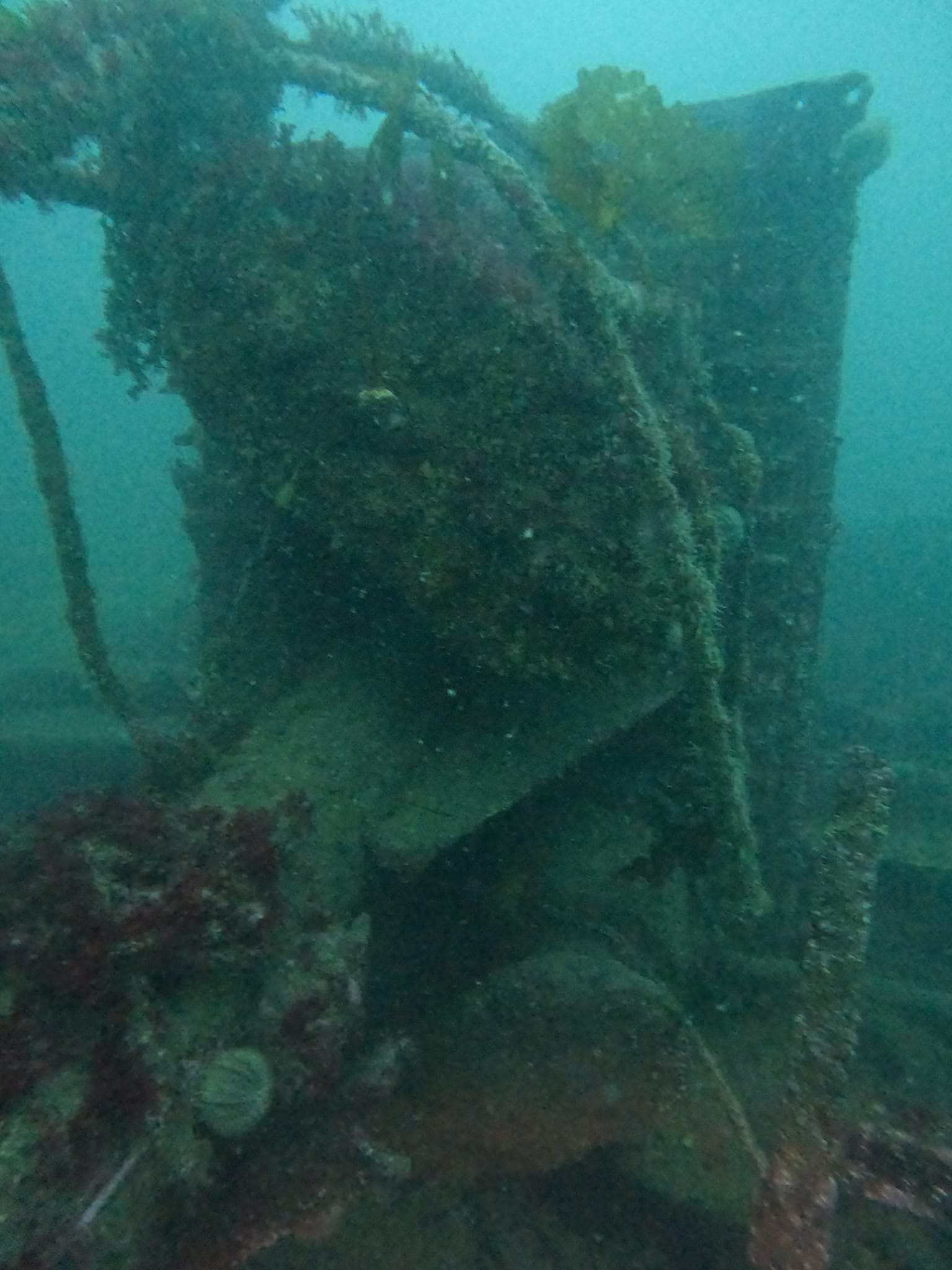
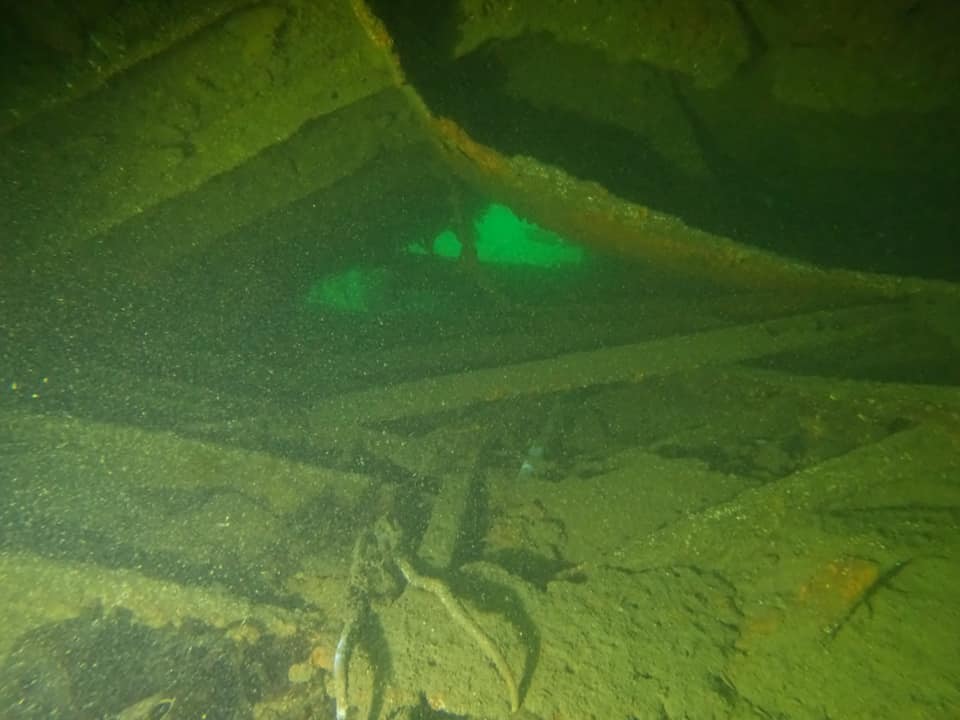
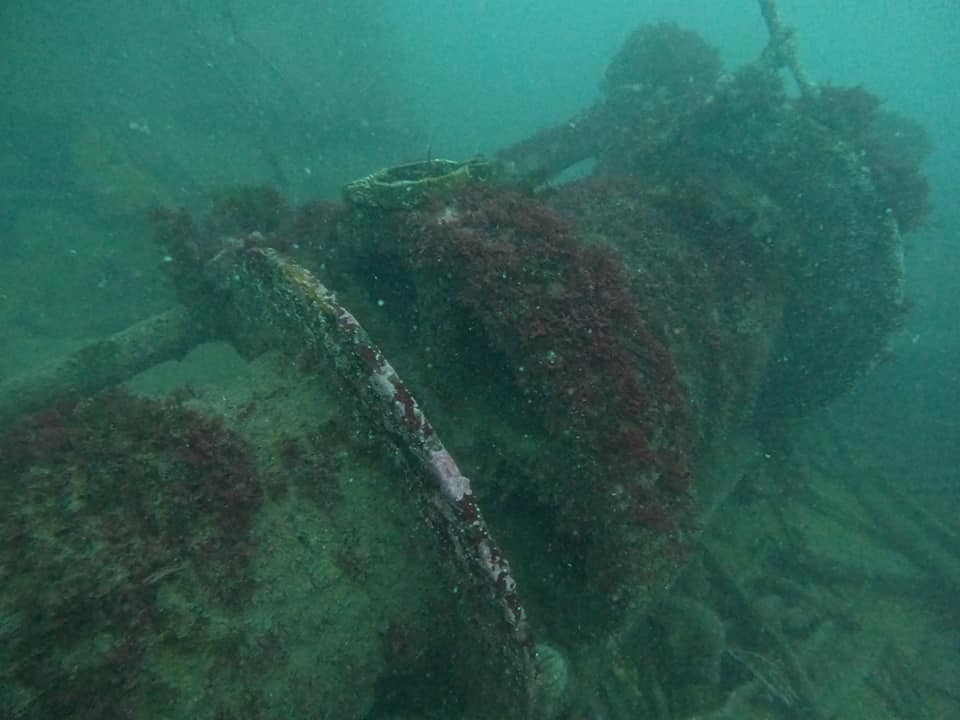
Wreckage on the seabed includes her windlass, main trawl winch and gear, fish hold hatches, boiler and engine, the broken and crushed wheelhouse base and sections of her hull.
We would also like to thank Lloyd’s Register Foundation – Heritage & Education Centre for allowing us to reproduce documents from their archive in this article.