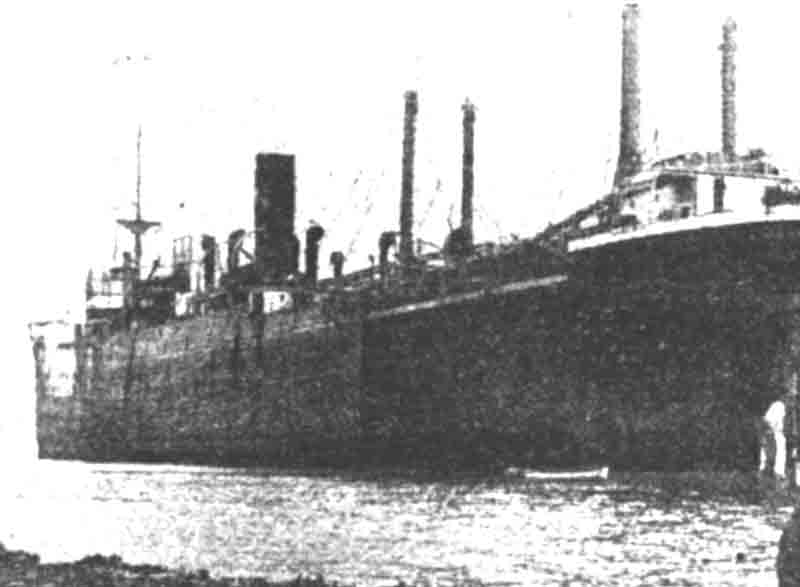
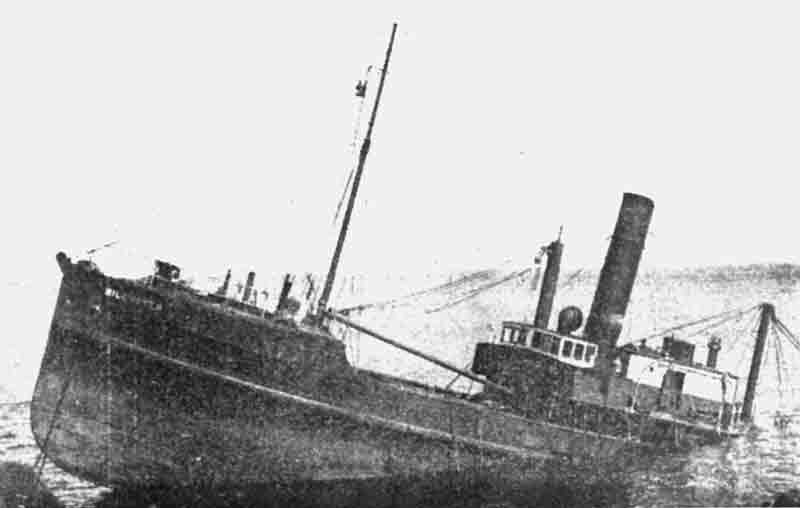
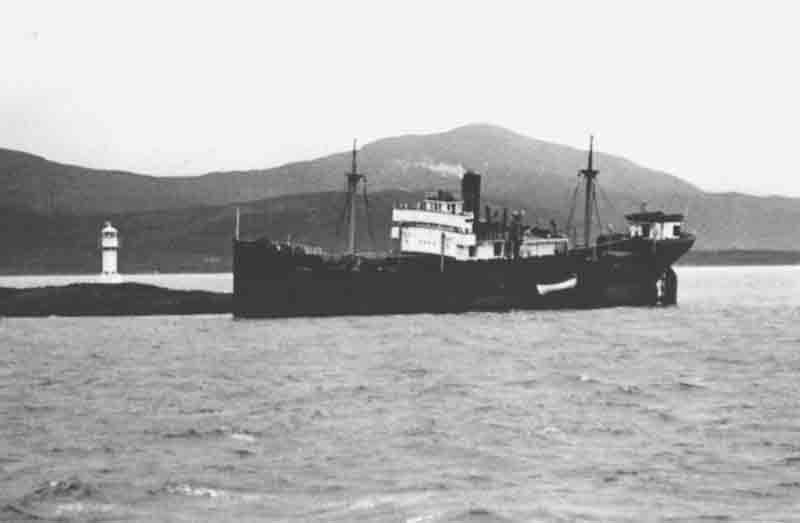
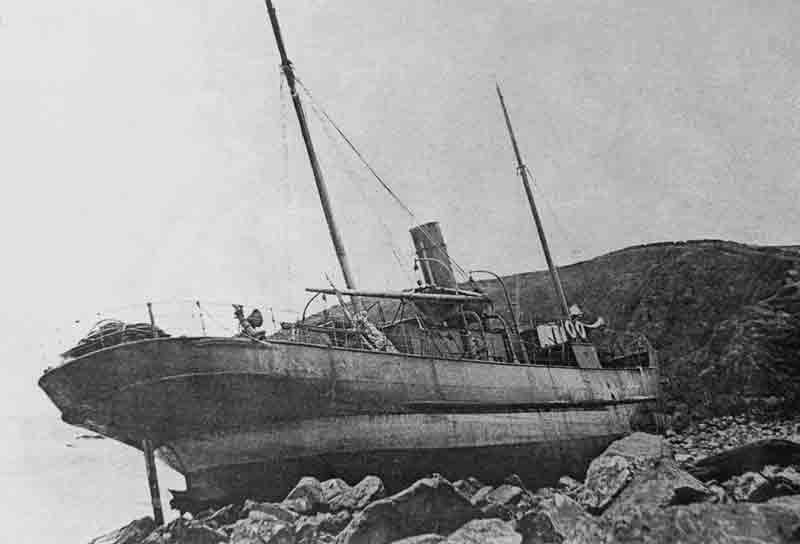
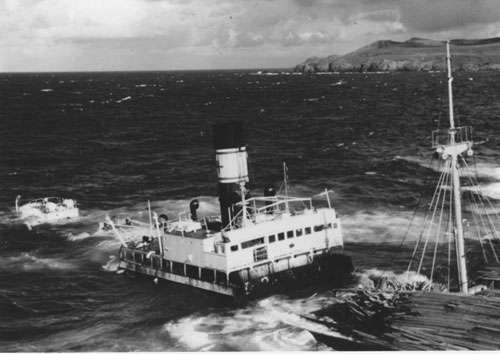
Launched from the yard of William Simons and Co Ltd., Renfrew on 10th December 1920 (Yard no 646) the coastal steamship Camlough measured 167.0′ x 26.6′ x 9.9′ and her tonnage was 540 gross tons, 205 net tons. She was powered by triple expansion steam engine by Simons delivering 89 registered horse power. She was ordered by John Kelly Limited of Belfast on behalf of the Irish Packing Co Ltd of London, Drogheda and Dublin who intended to name her Laiosside. However, during the early stages of her construction Irish Packing Company went into receivership. The contract was sold by the receiver, J H Pim FCA, to John Kelly Ltd who took delivery in early 1921 and registered her in Belfast.

Extract Lloyd’s Register 1929.

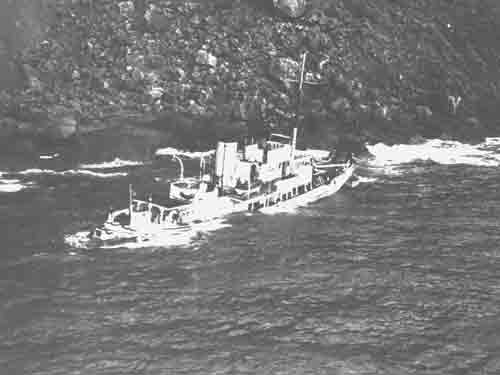
Camlough underway.
At 8:30pm on 9th December, 1932 the radio at Portpatrick wireless station crackled into life with a distress message from Camlough. She was en route from Belfast to Birkenhead under the command of her skipper, Captain Harvey when her engine failed in a strong westerly gale. The crew of the Portpatrick lifeboat bravely launched their vessel and headed out into the huge waves that were driving directly into the harbour mouth of the seaside village. At the same time, on the other side of the Irish Sea, the crew of the lifeboat at Donaghadee heard the same message and launched their own boat, heading out eastwards to the rescue scene.
Twenty miles away the Camlough was wallowing in the huge swell with another steamship, Moyallen, attempting to get a line secured to tow the Camlough towards safety. Seven times the line was secured and the Moyallen gradually managed to tow the powerless steamship closer to land but each time the line parted as she pounded up and down in the waves before another line was passed across and attached to the Camlough. As the lifeboats arrived on the scene in the early hours of the morning of the 10th the first messages to the men listening from the shore station suggested that the efforts to tow the ship to safety would be successful. Finally, as they reached Luce Bay, the seventh tow line also parted and, with no further tow lines available aboard either ship, the captain of the Camlough ordered her crew to let go her anchors. Unfortunately the anchors would not hold and the ship was driven inexorably towards the rocks.
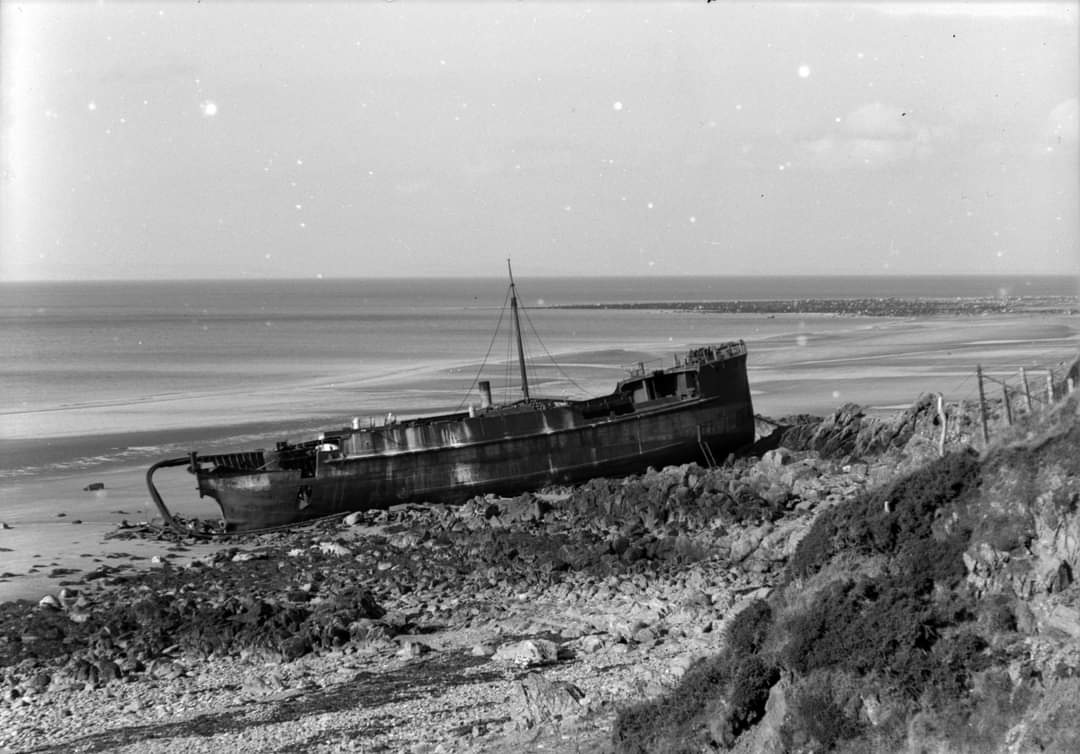

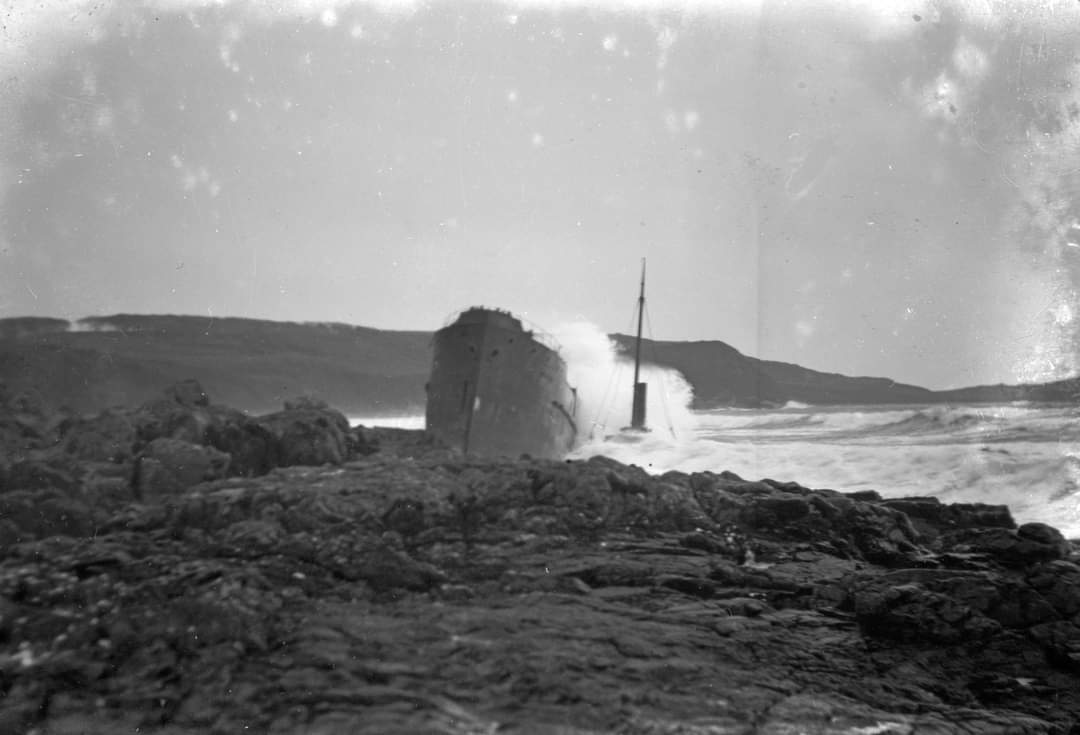


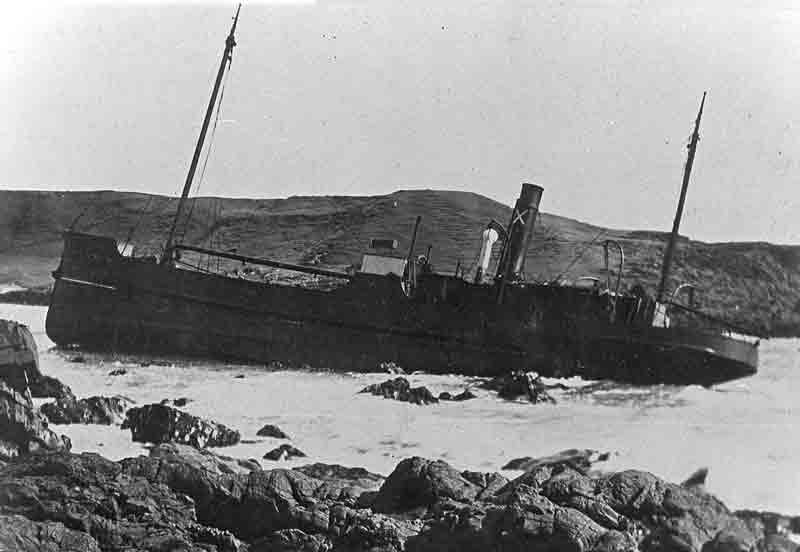
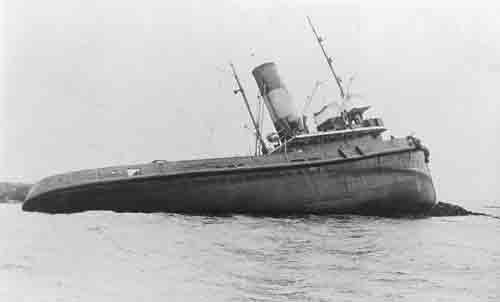
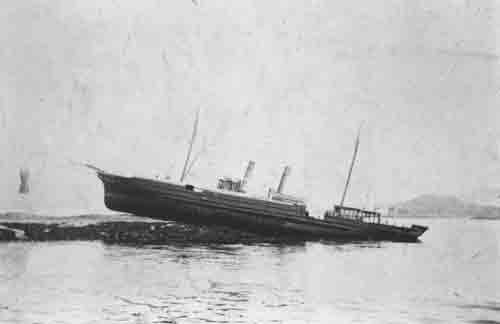
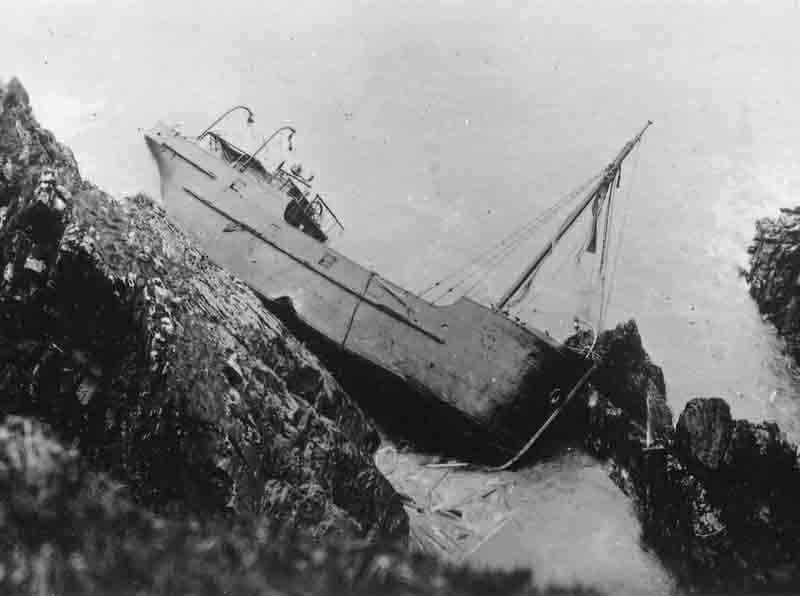
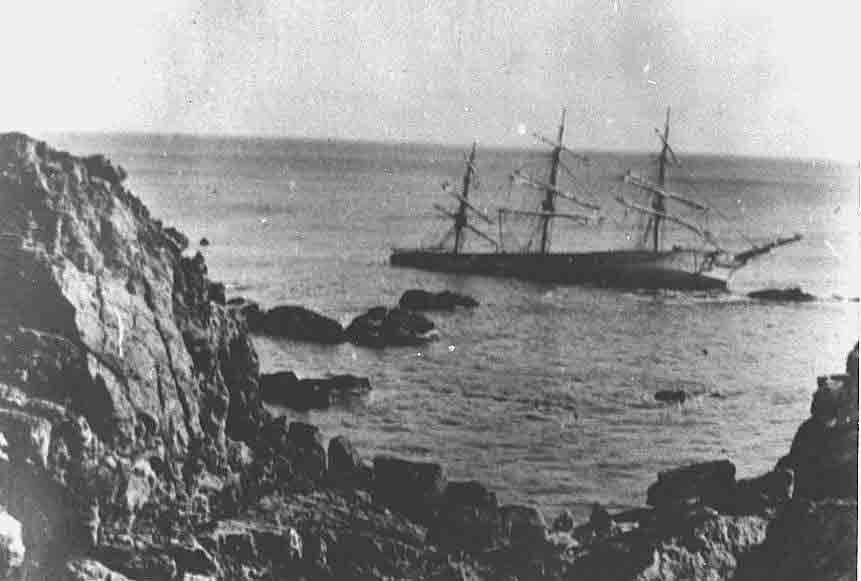
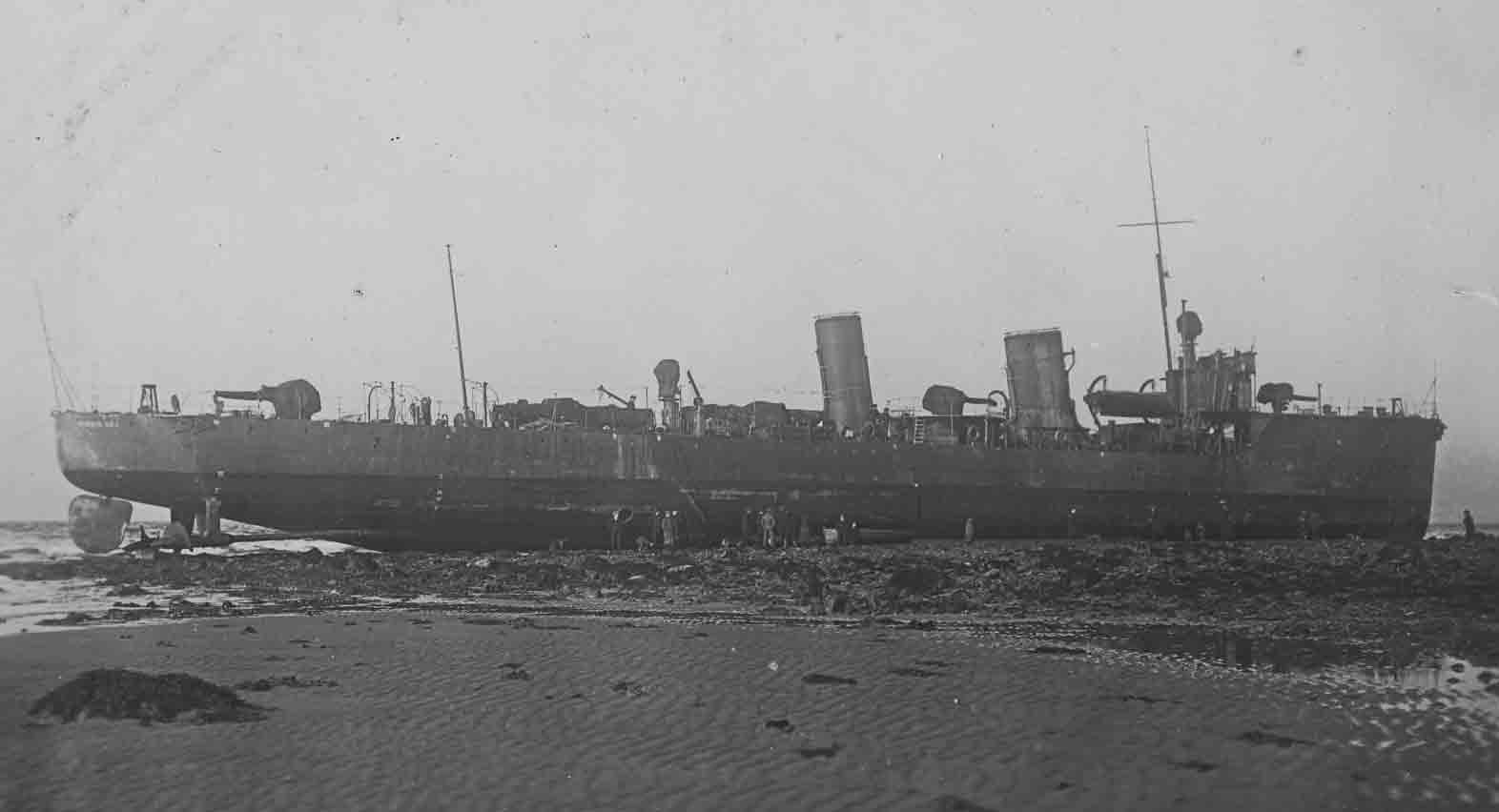
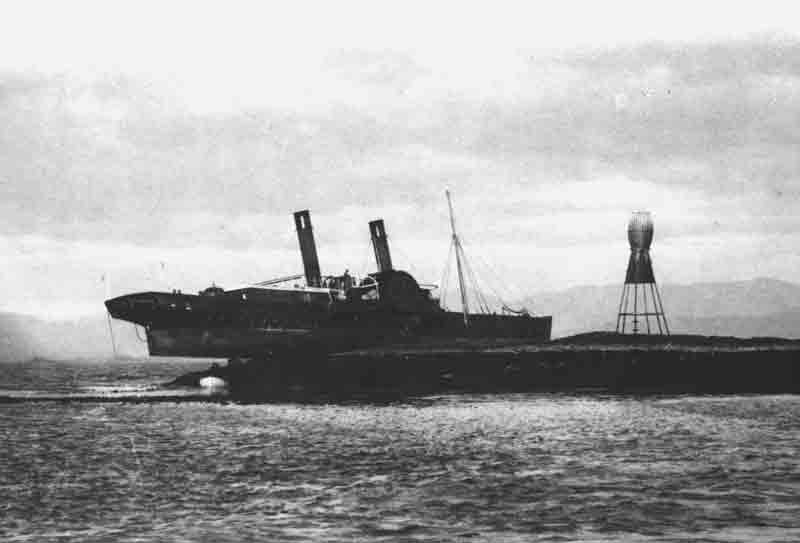
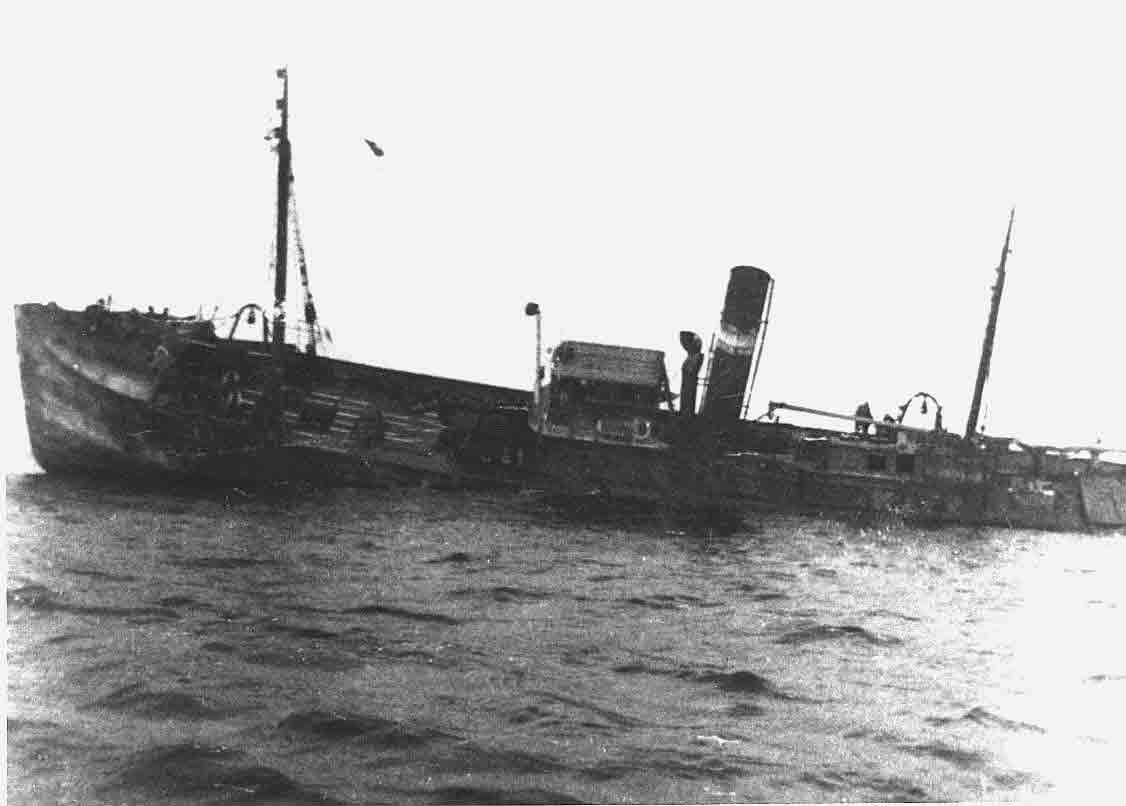
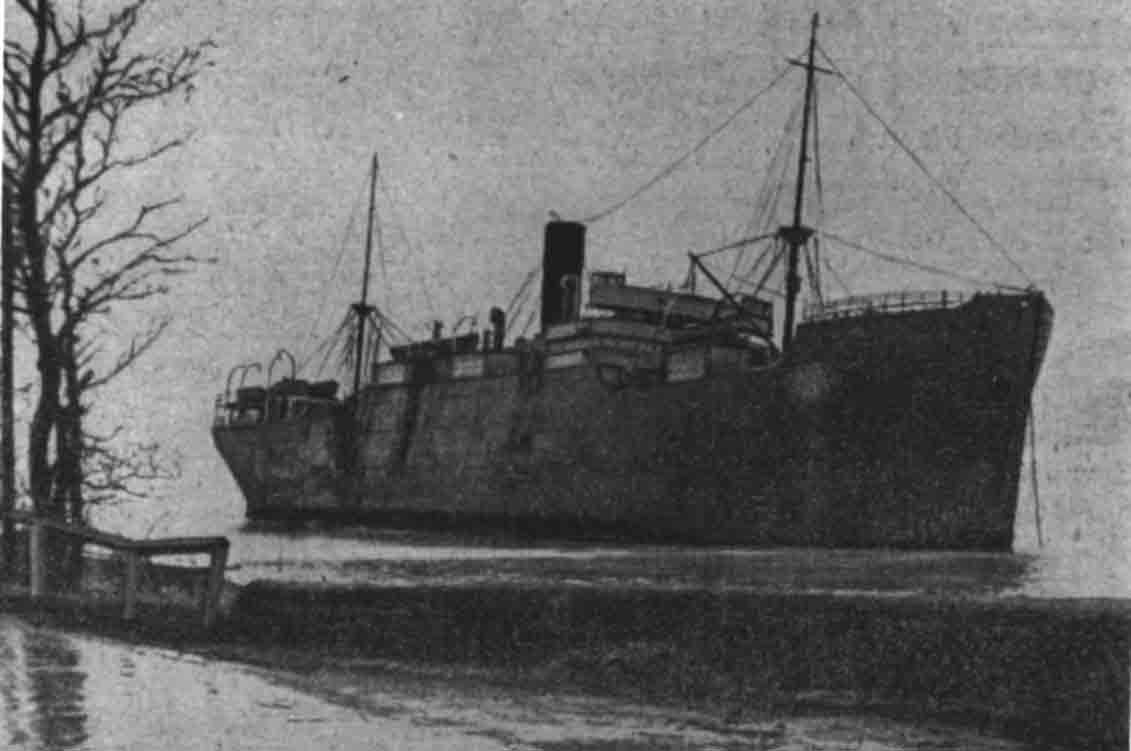
Camlough ashore in Monreith Bay
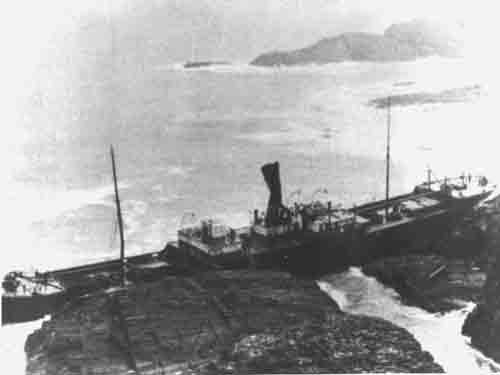
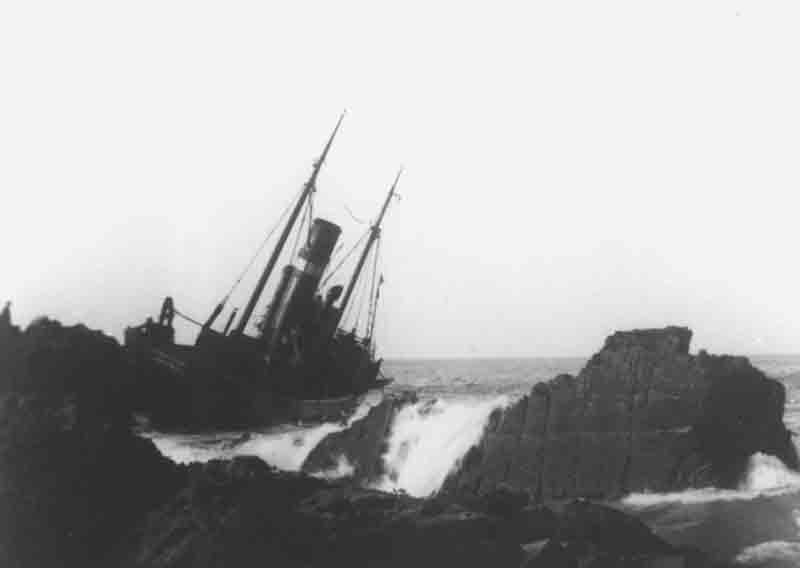
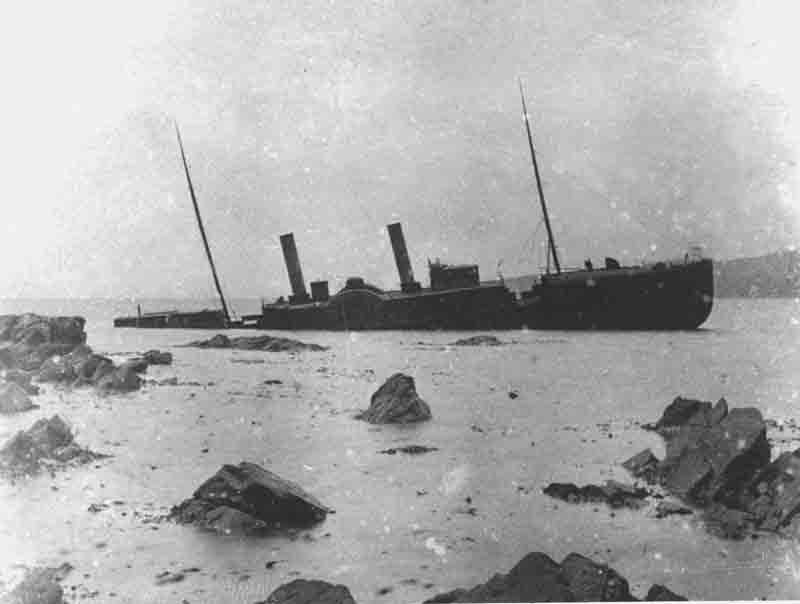
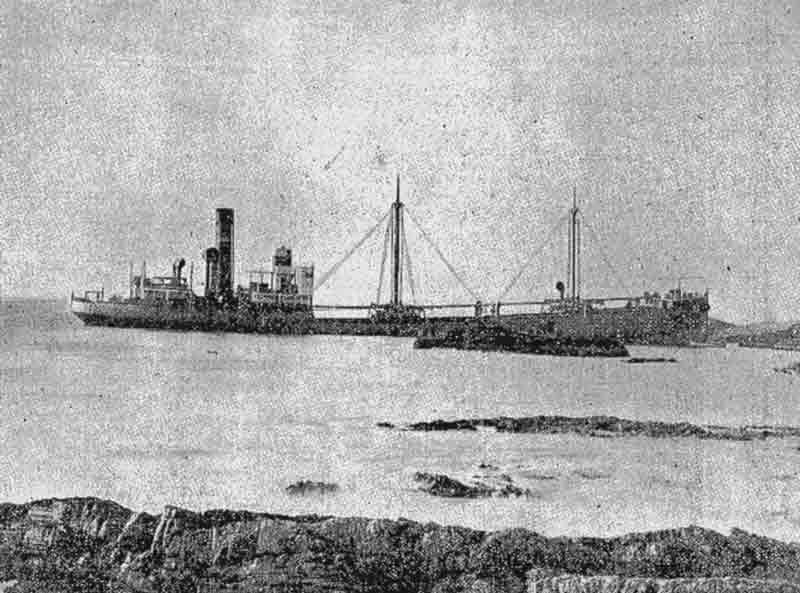
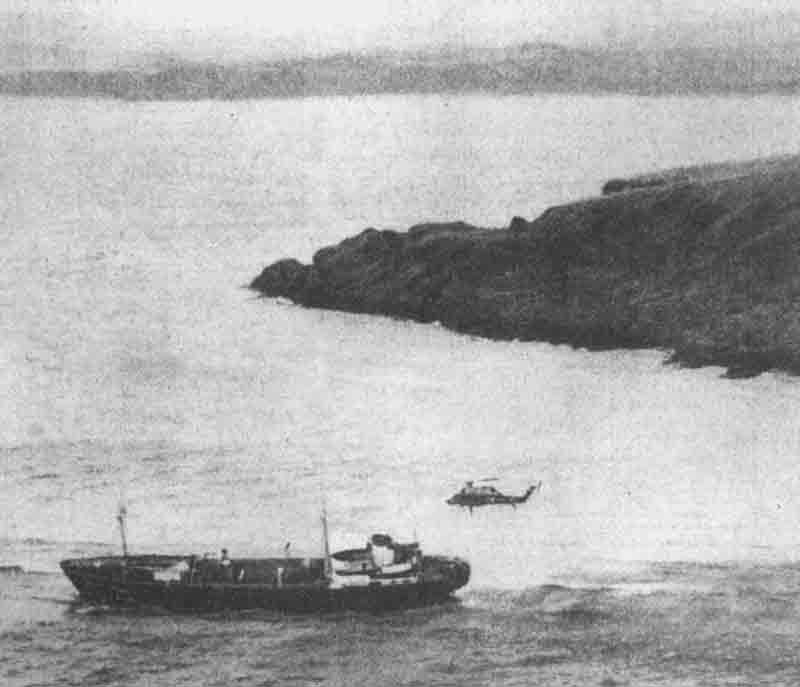
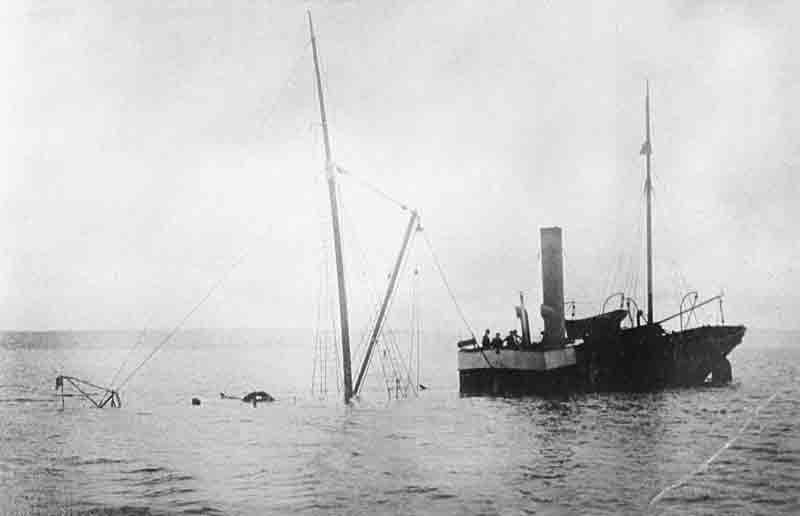
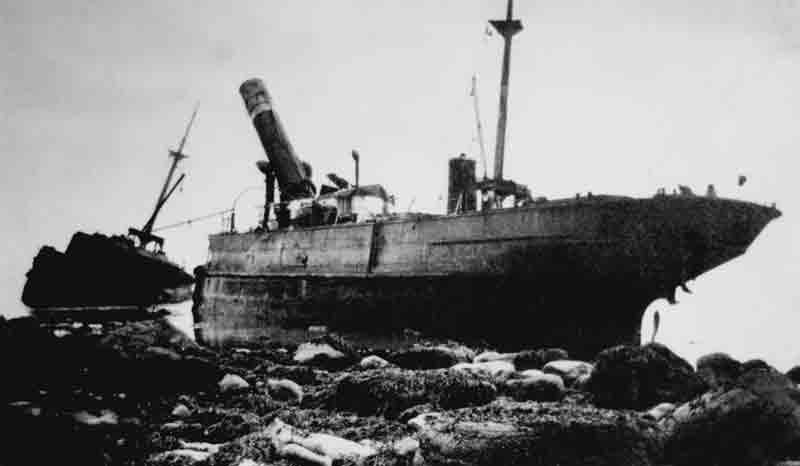
Meanwhile the Camlough drifted towards the shore and was finally wrecked on the Black Rocks in Monreith Bay. As the gale subsided the steamship was left high and dry on the rocks broadside to the sea with damage to her stern frame, rudder and propeller but initially salvage experts who had arrived on the scene hoped to be able to get her off. Bad weather over subsequent days gradually damaged the hull to the point that she was declared a constructive total loss. She was eventually broken up where she lay and removed for scrap. ON 6th September the steam barge Omo ran aground close by while working on the wreck. She was later removed but was a constructive total loss. A few scattered scraps of metal remain among the rocks and spread across the sand close to Monreith.

The remains of the Camlough after salvage operations at Monreith.