Scottish Shipwrecks

Information and Pictures of Shipwrecks in Scotland

  • Home
  • About
    • About Clyde Shipwrecks
    • About Argyll Shipwrecks
  • Shipwrecks
    • Scottish Shipwrecks
    • 1 – Galloway & Solway Firth
    • 2 – Clyde
    • 3 – Argyll
    • 4 – NW Scotland & Outer Hebrides
    • 5 – North Coast & Orkney Isles
    • 6 – Shetland Isles & Fair Isle
    • 7 – North East Scotland
    • 8 – East Scotland
    • 9 – South East Scotland
  • GALLERY
    • GALLERY INTRODUCTION
    • VINTAGE VIEWS
    • WRECKLIFE
    • WRECKSHOTS
    • WRECKCLIPS
  • Book Sale
    • Argyll Shipwrecks
    • Clyde Shipwrecks
  • Blog

Delta

The iron steamship Delta was launched from the Kirkintilloch yard of J and J Hay in December 1881. She measured 65.6′ x 17.5′ x 7.5′ and her tonnage was 68 gross tons, 32 net tons. She was powered by a 2 cylinder compound steam engine by Glen and Ross, Glasgow delivering 25 nominal horse power. Her official number was 85882. The vessel was built by J and J Hay for their own shipping business and registered in Glasgow.  She was a typical example of this small reliable workboat which, like dozens of other similar craft plied the waters of the Clyde estuary carrying cargoes to the ports around its shores. They were sized to navigate the narrow canals of the Forth and Clyde and Crinan.

Delta awaiting launch at J and J Hay shipyard

The Delta was lost off Ru Stafnish, Kintyre on 27th March, 1895 while on a voyage from Glenarm to the Forth and Clyde canal with a cargo of limestone. She sprang a leak in moderate easterly winds and sank in five minutes. Fortunately the crew of four managed to escape in the ship’s boat and reached land safely.

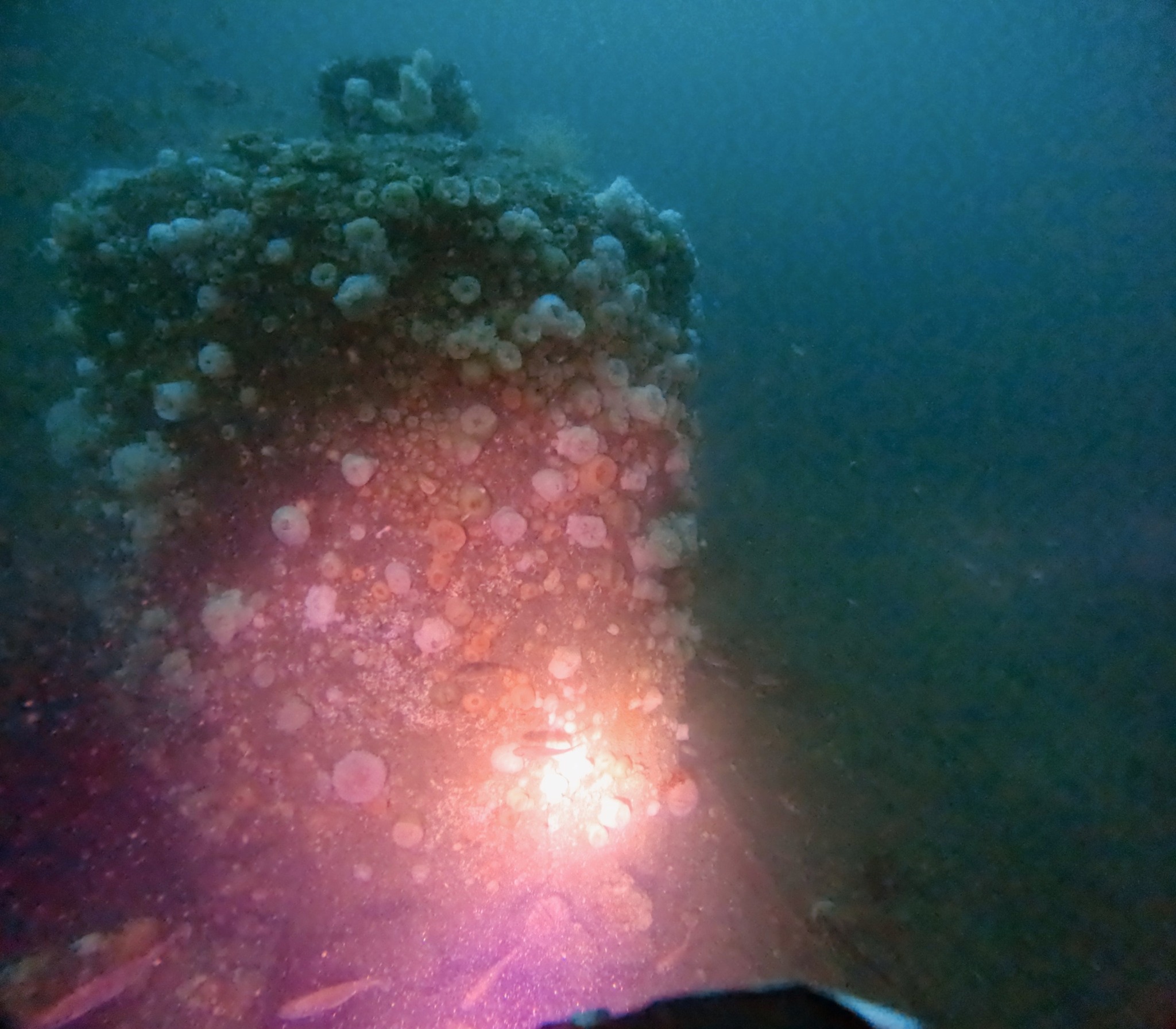
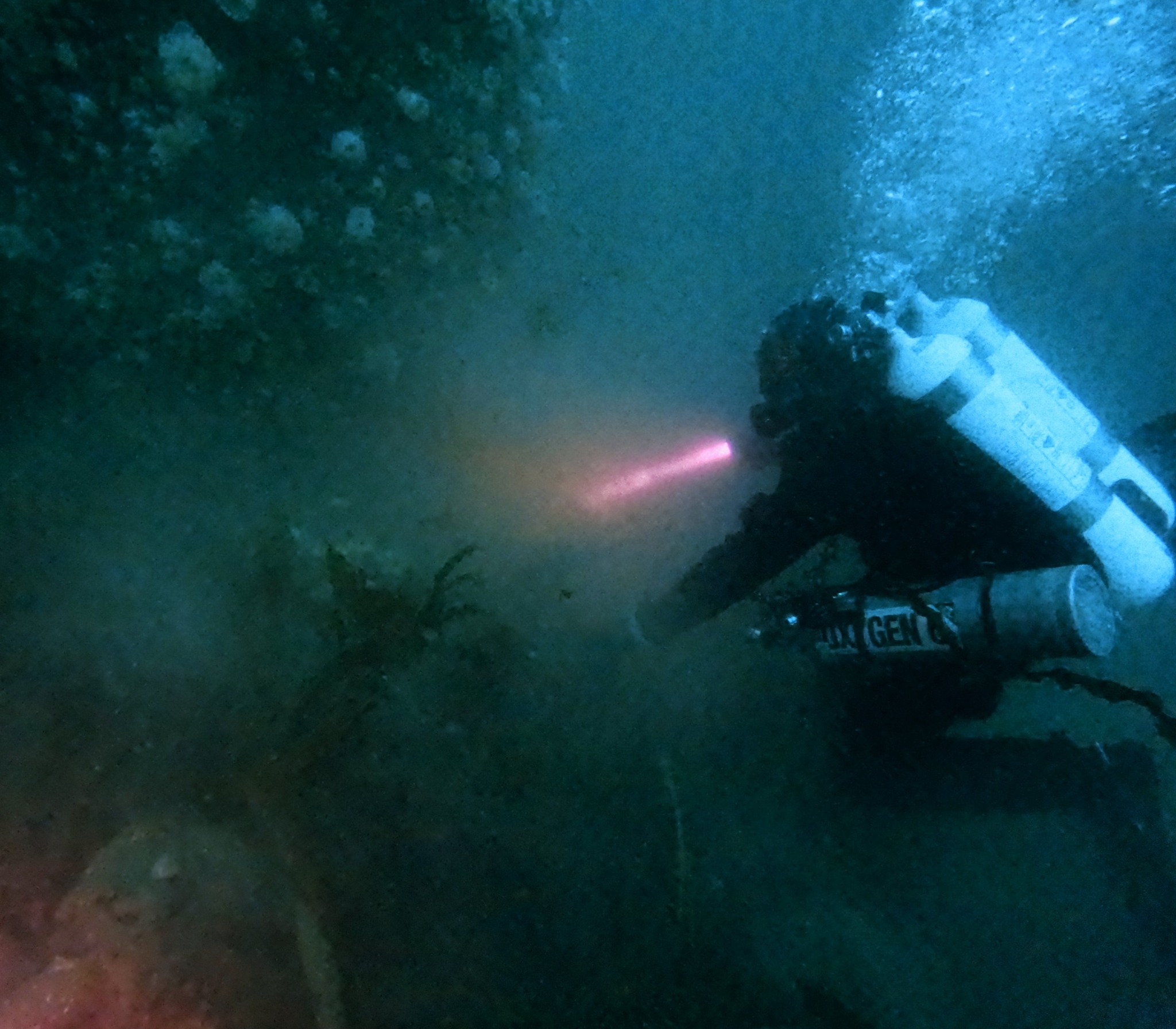
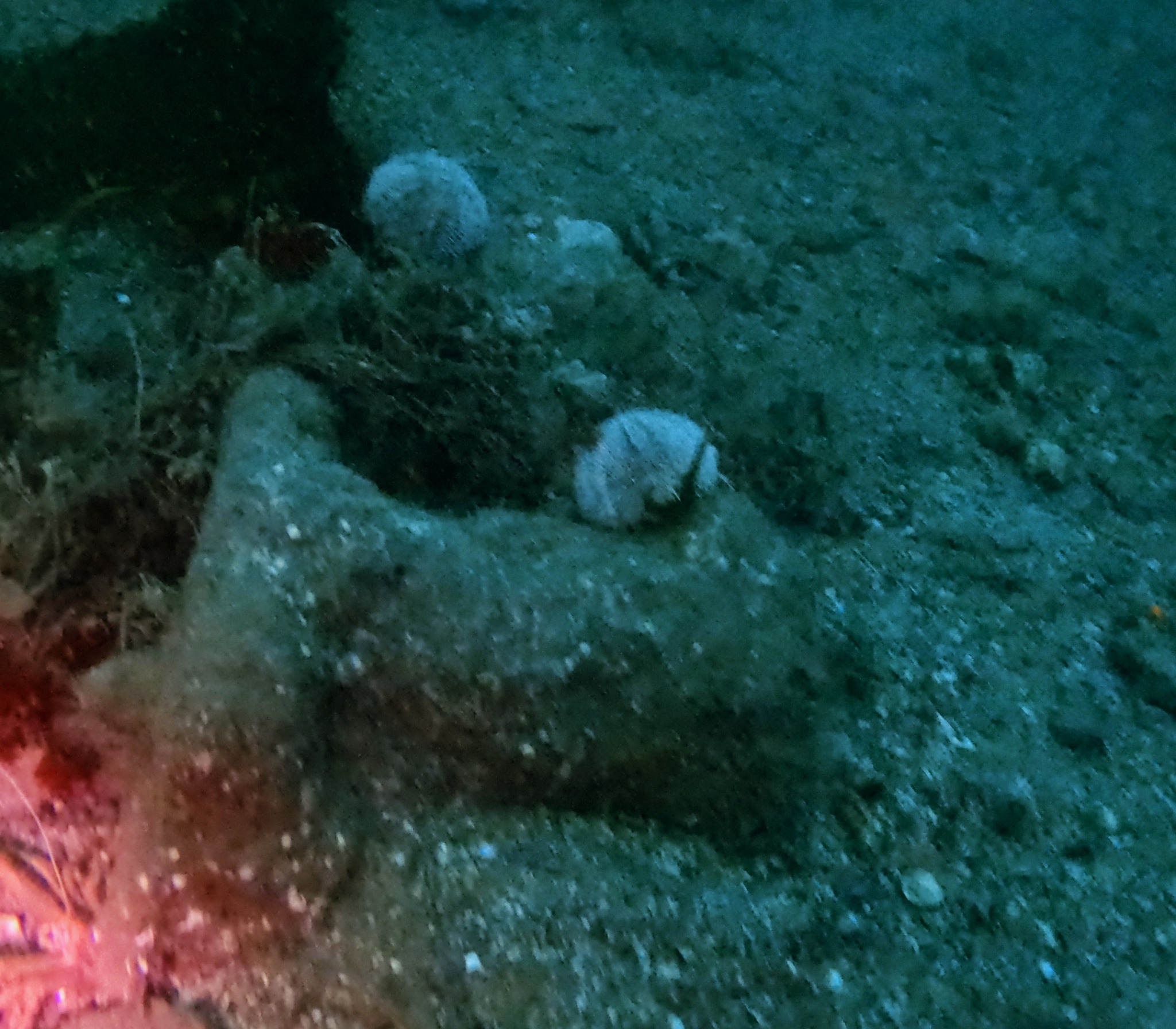
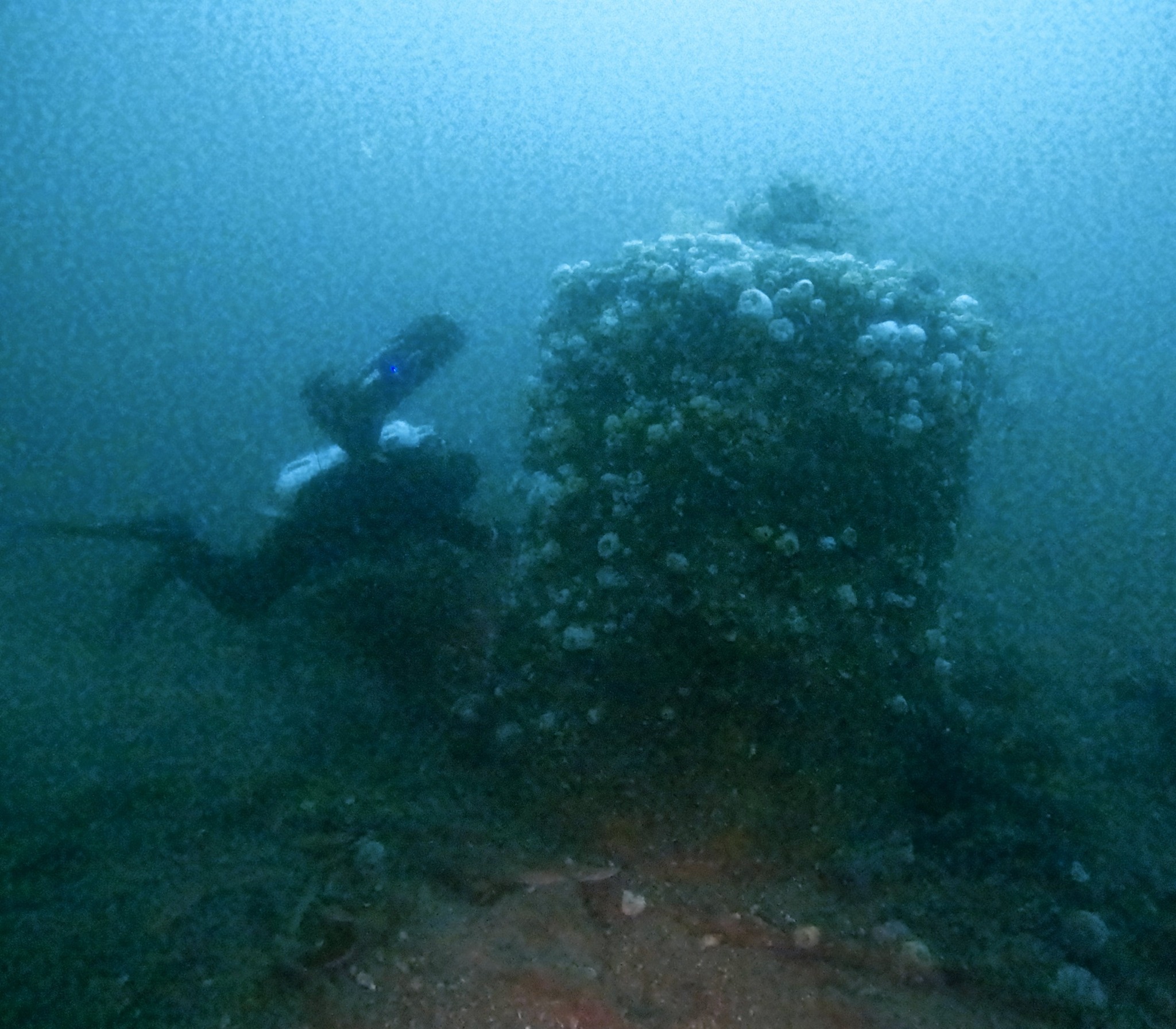
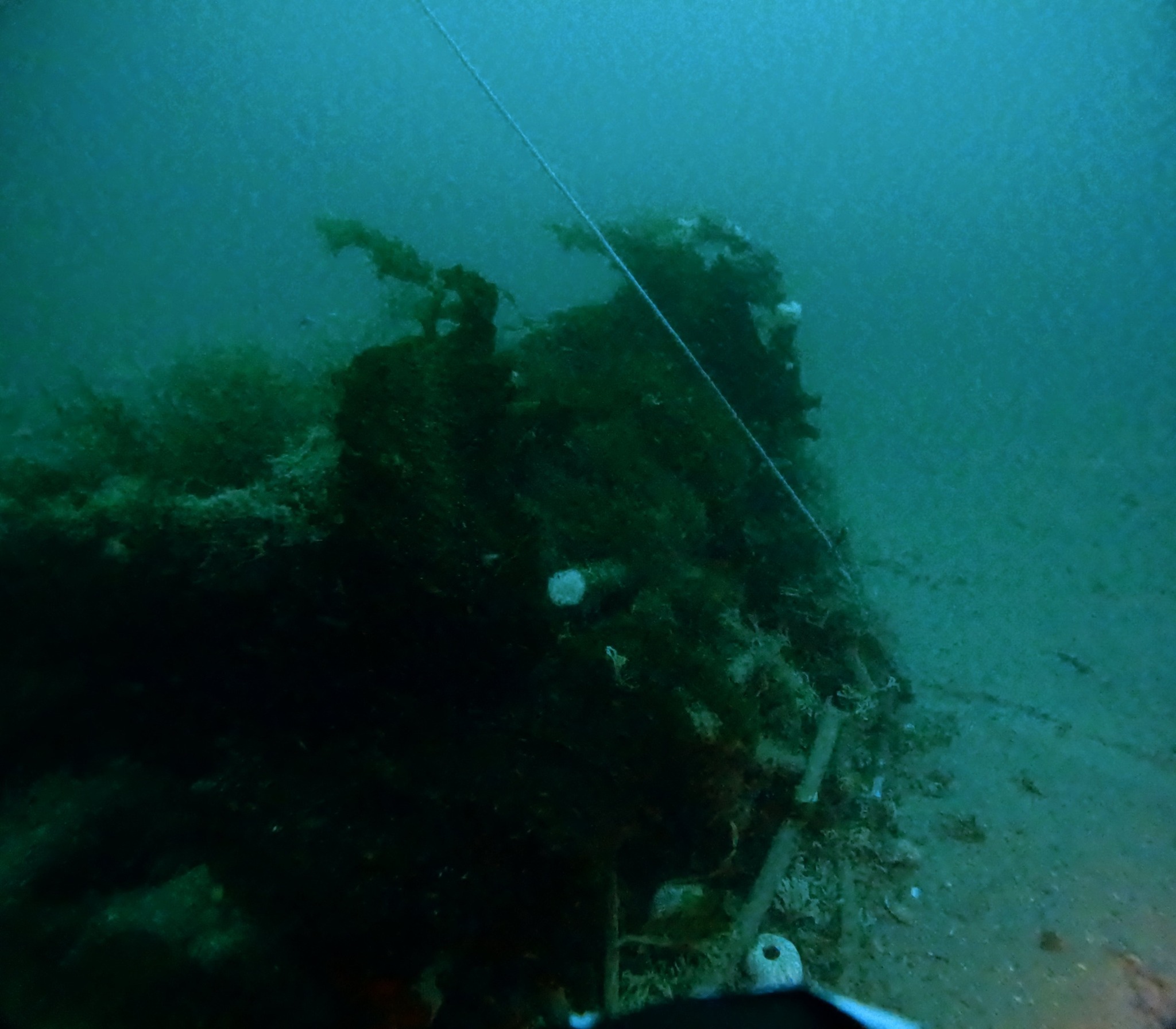
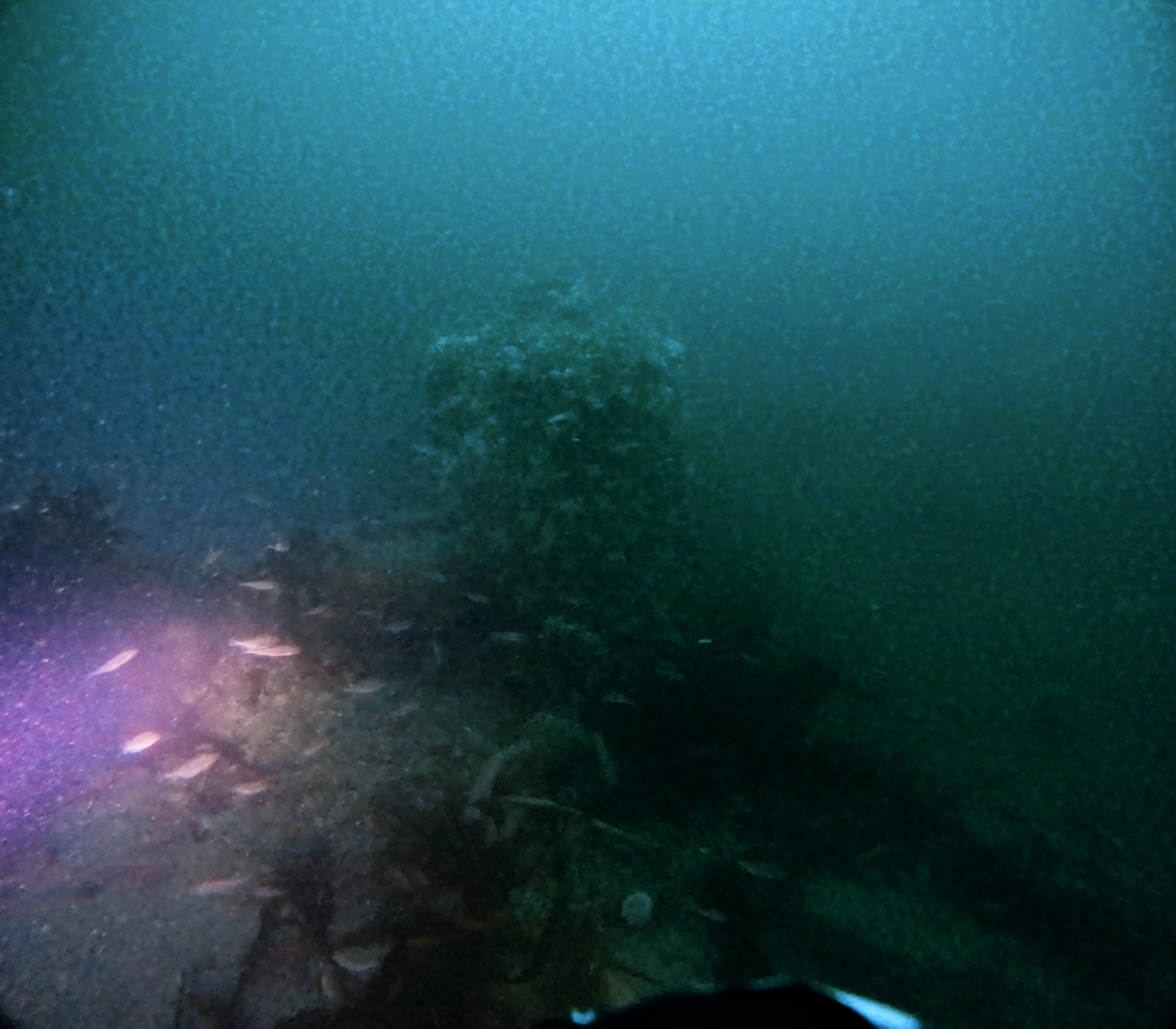
The wreck of the Delta lies 2 miles ESE of Ru Stafnish and sits upright in 38 metres in position 55° 21.716’N, 005° 28.333’W. The vessel has fallen to pieces although the stern section remains partially intact. She lies facing west on a level shingle seabed and rises no more than 1.5 metres at her vertical boiler. At the stern her rudder, propeller and engine can still be seen inhabited by shoals of pollock and bib whiting. The bow area has less wreckage and is characterised by the prominent pile of her limestone cargo and the remains of the bow and forward winch.
518337899_662508400144722_2533182287942895019_n
518328103_662508193478076_5313550129632925606_n
518270156_662508303478065_4027126778753874105_n
518270144_662517650143797_3504600161835427267_n
518287395_662508496811379_442344513042294387_n
518322470_662511930144369_2382710382105762642_n
Visibility on the wreck is variable due to the muddy seabed but in good conditions makes a pleasant dive with no tidal problems which is unusual for wrecks in the area. However the site is well offshore and exposed so good boat cover and use of delayed surface marker buoys is essential.

Bell recovered from the wreck

We’d like to thank Simon Cook for his permission to use his underwater photographs of the wreck.

Share this:

  • Click to share on Facebook (Opens in new window) Facebook
  • Click to share on X (Opens in new window) X
  • More
  • Click to print (Opens in new window) Print
  • Click to email a link to a friend (Opens in new window) Email

Subscribe to Blog via Email

Enter your email address to subscribe to this blog and receive notifications of new posts by email.

Our Social Media Sites


Shipwreck Slideshow

Admiral Cordington Barcombe Belford Bombardier Brigadier Clydesdale Cormoran Coronella Dunira Grenadier Harald Hereford Express Islay Kathleen Stromboli Lapwing II Laverock Milewater Mountaineer Norse Paulina Hexpress Pirate Pretorian Princess Patricia Rondo Tyrconnel Agios Minas

Site built and hosted by Braveheart Webdesign Islay