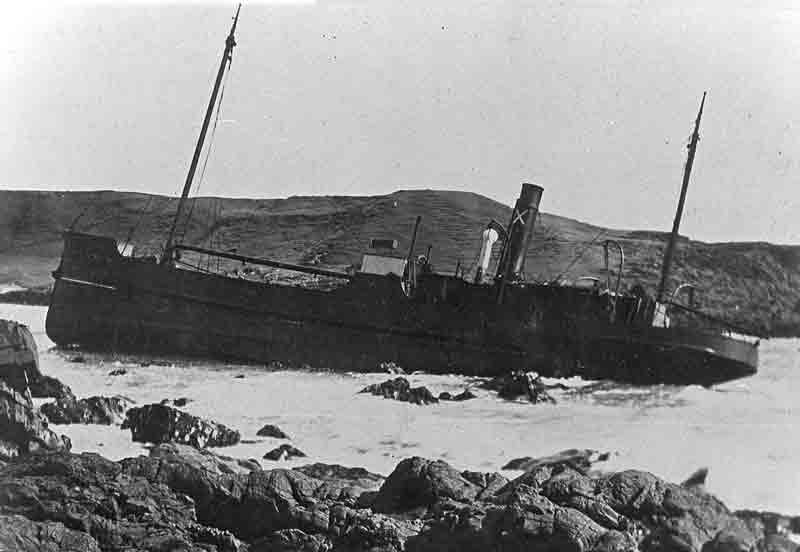
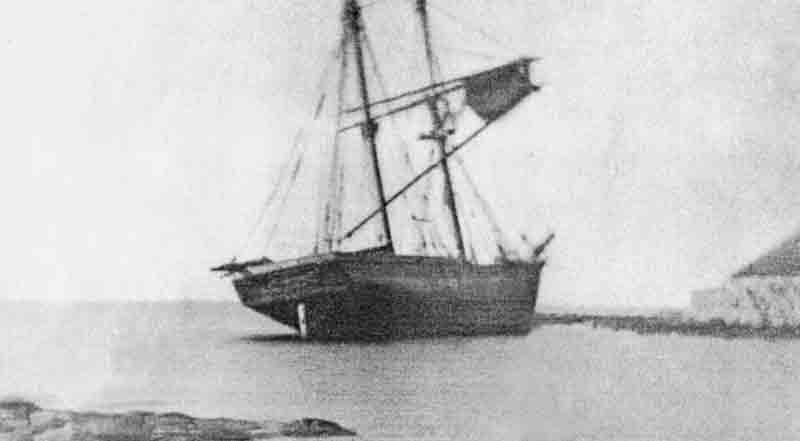
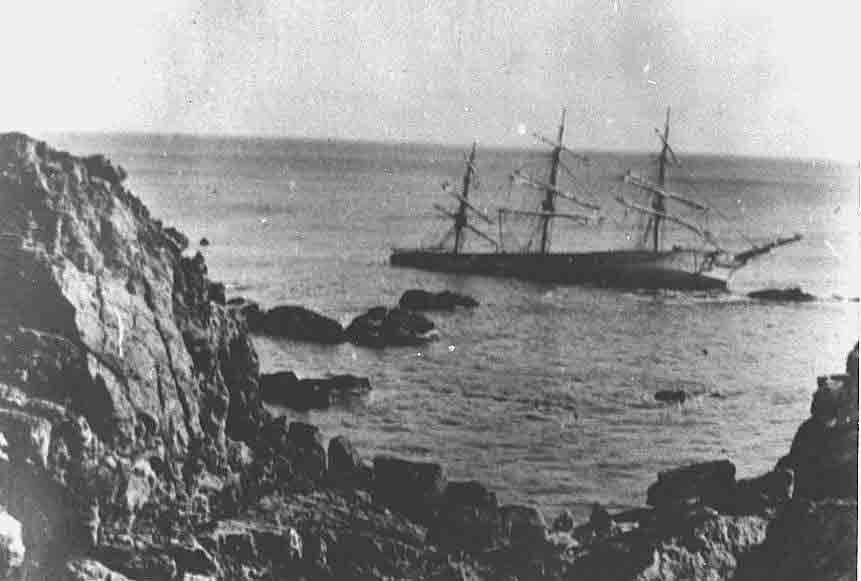
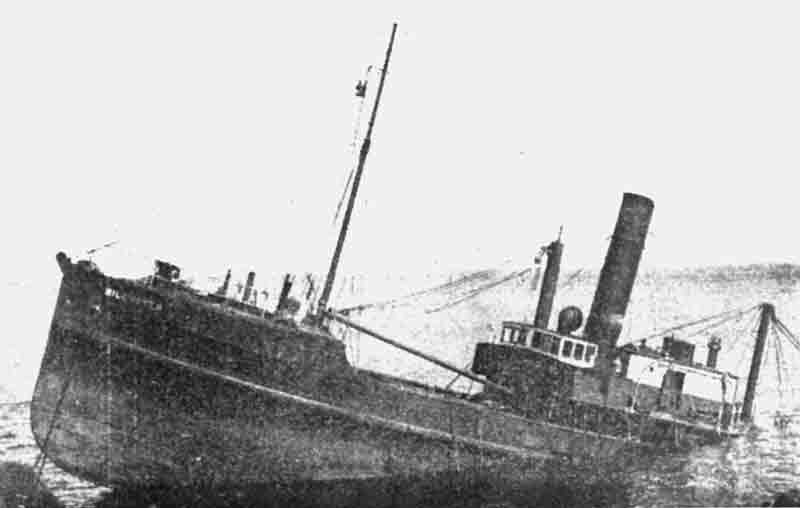
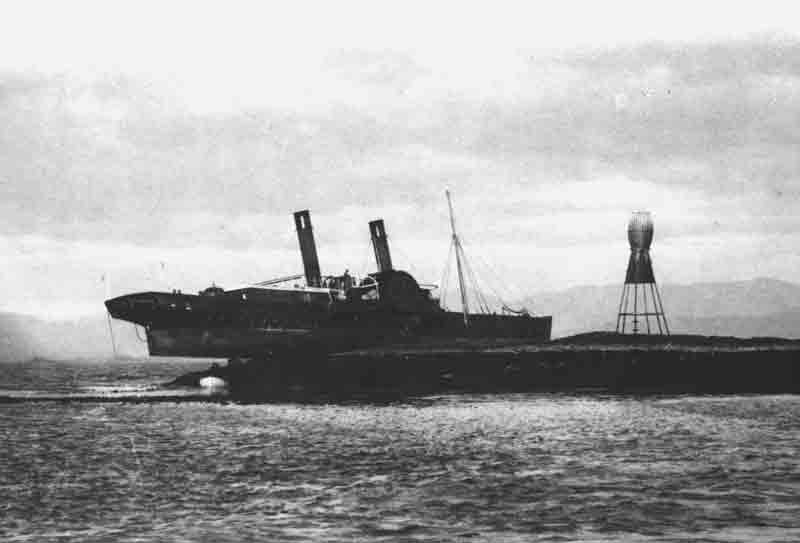
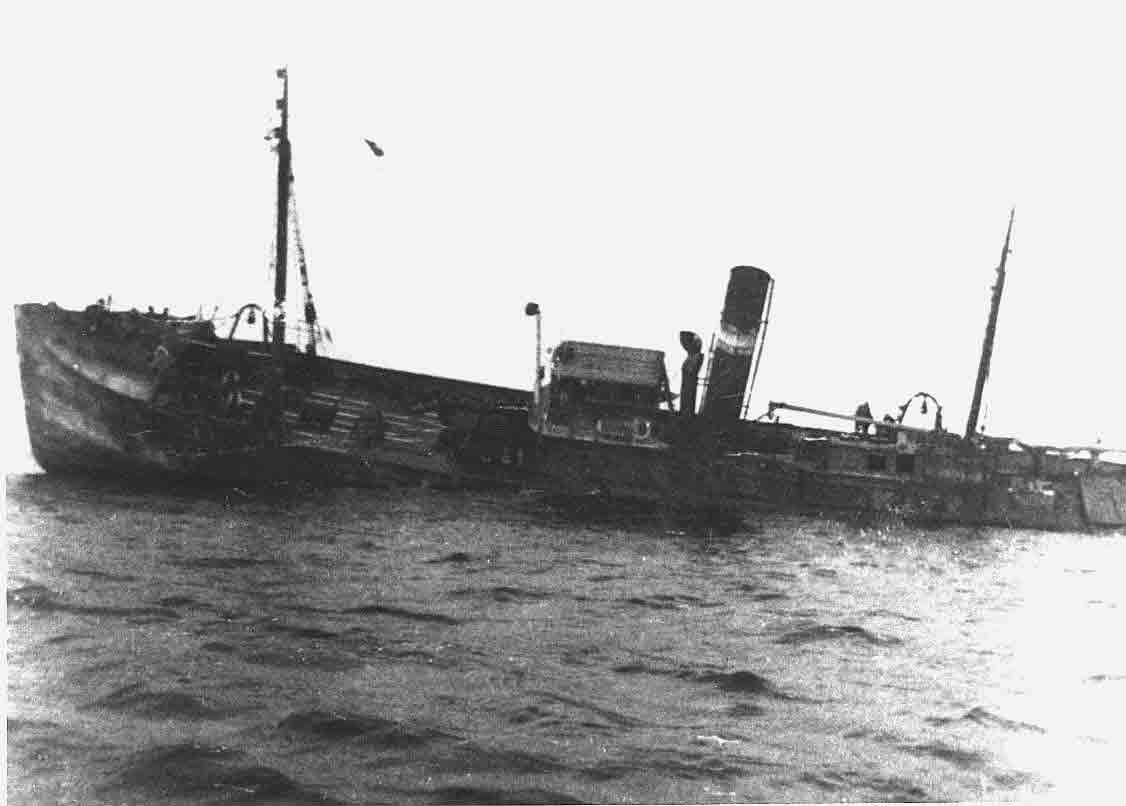
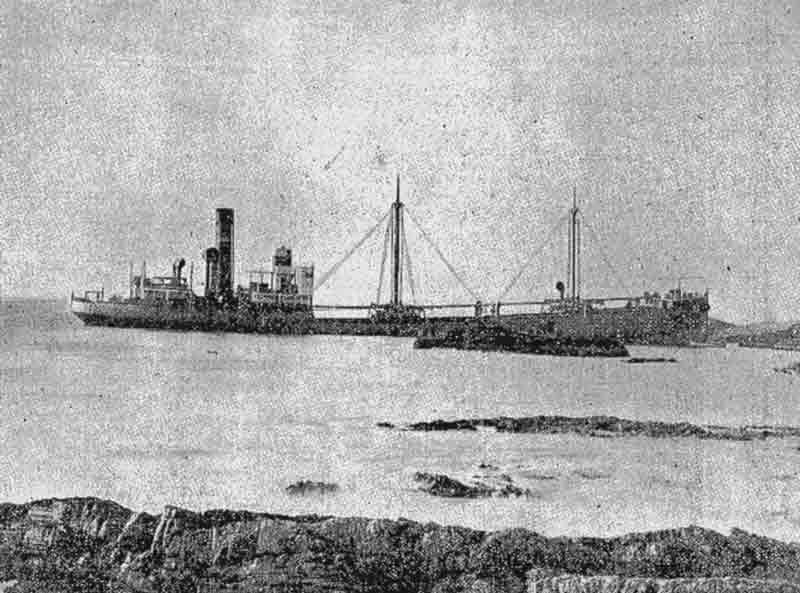
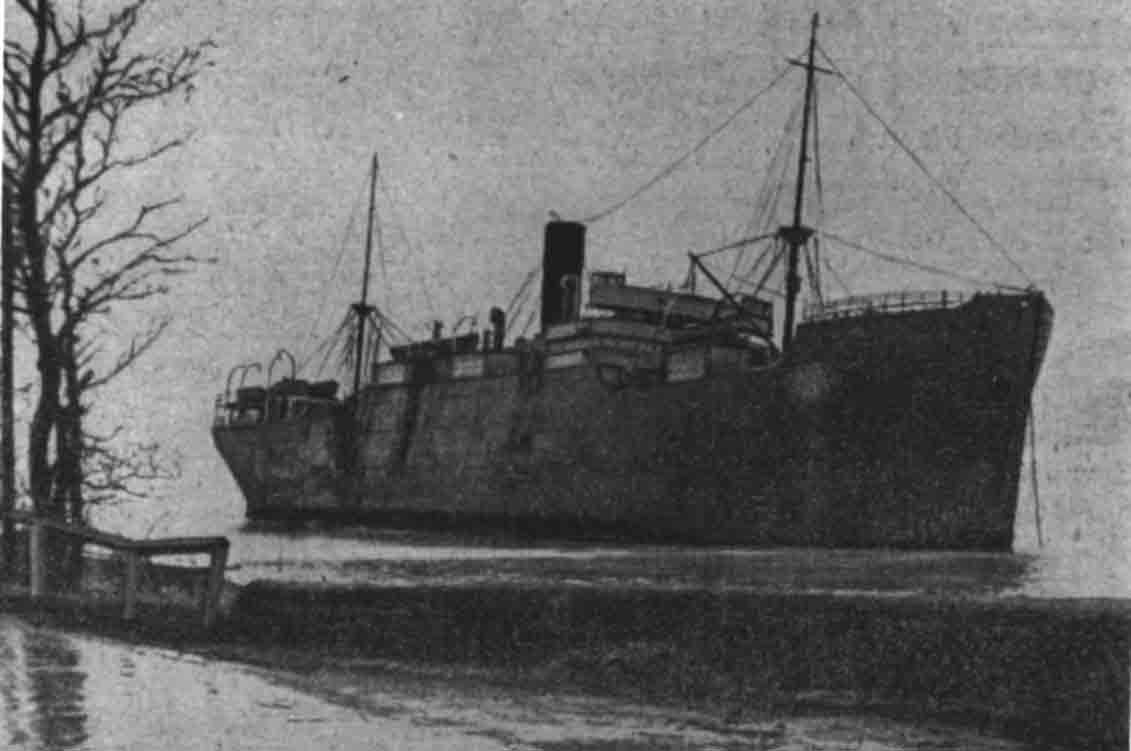
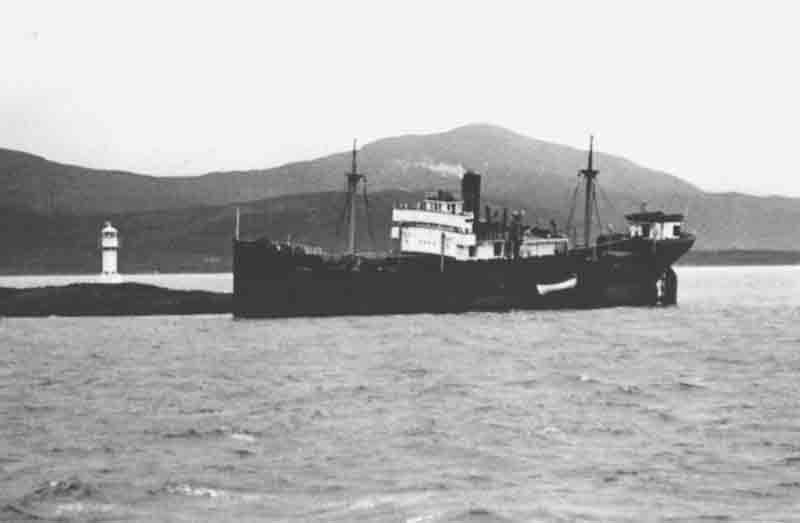
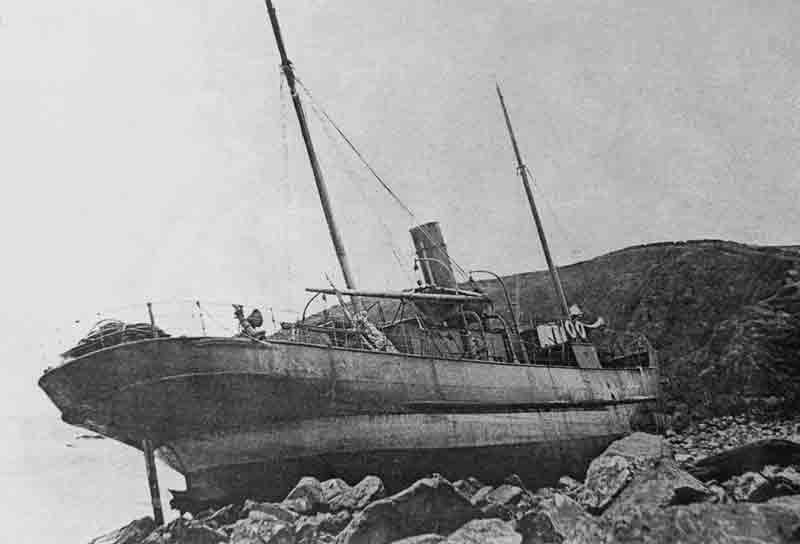
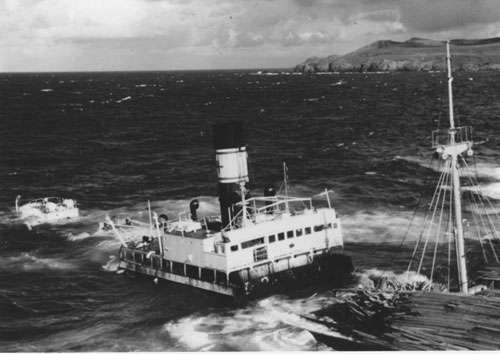
The Essex was a timber hulled brigantine built by J.Vaughan of Newport, Nova Scotia and launched in 1866. She measured 110.0′ x 27.0′ x 12.6′ and her tonnage was 208 registered tons. She was owned by Frederick Watt of Portrush, Co. Antrim and and registered in Coleraine. Her official number was 57169.

Extract Lloyd’s Register 1902.
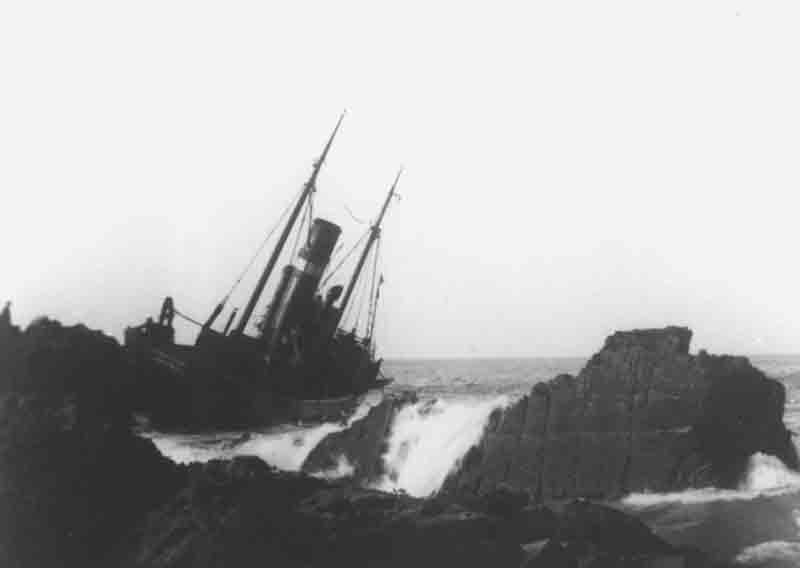
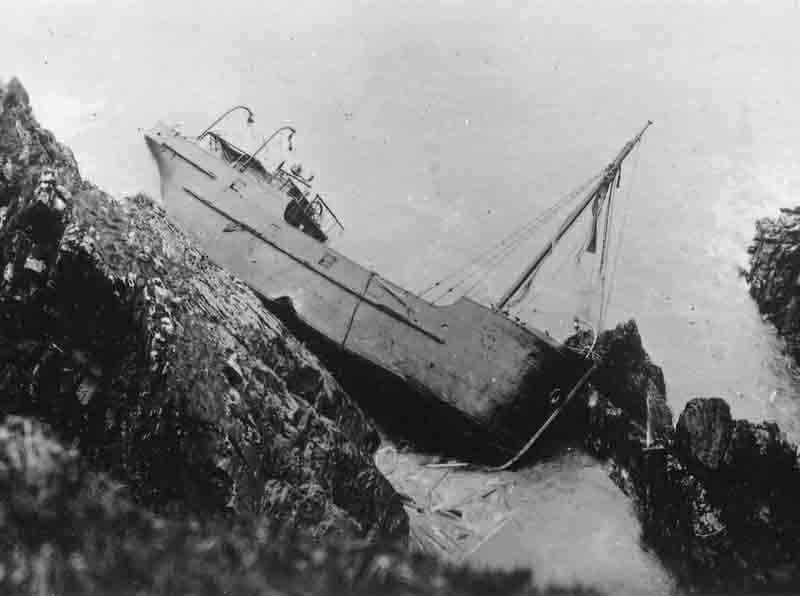
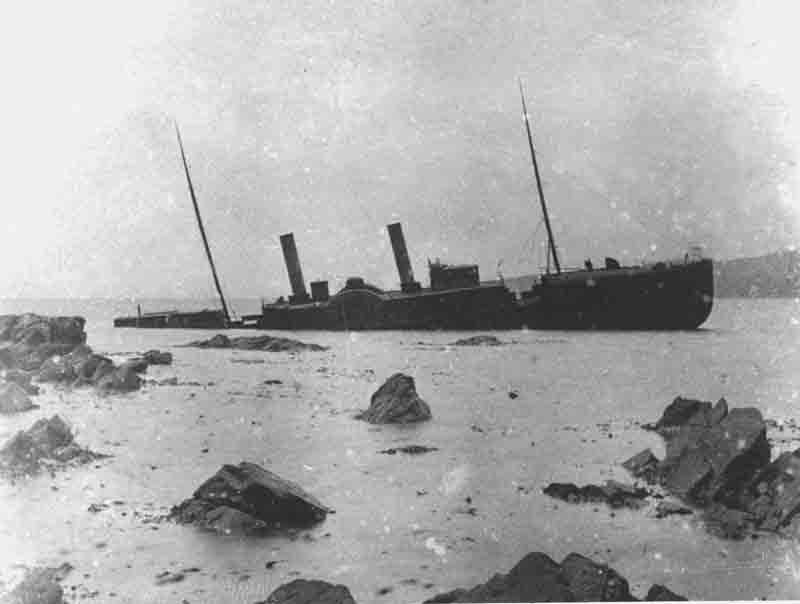
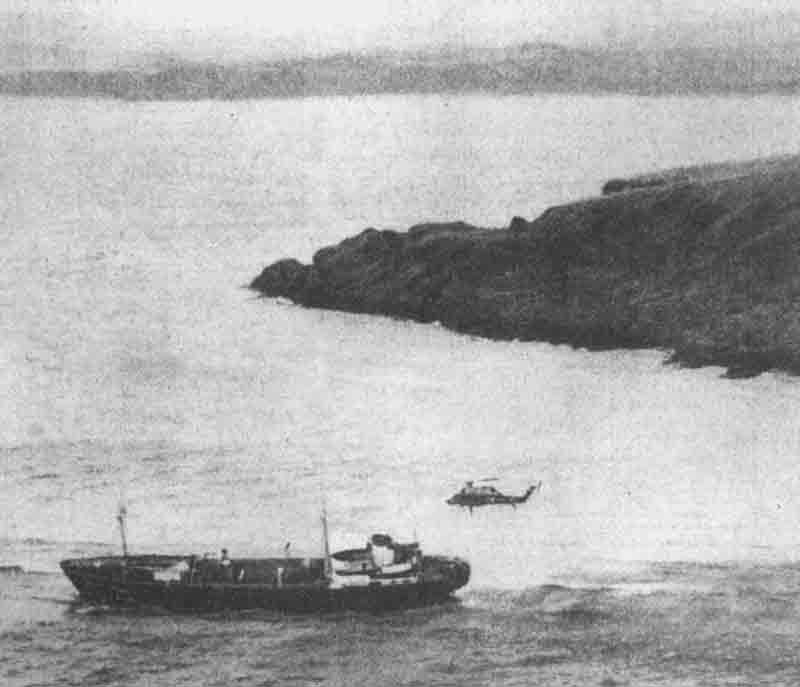
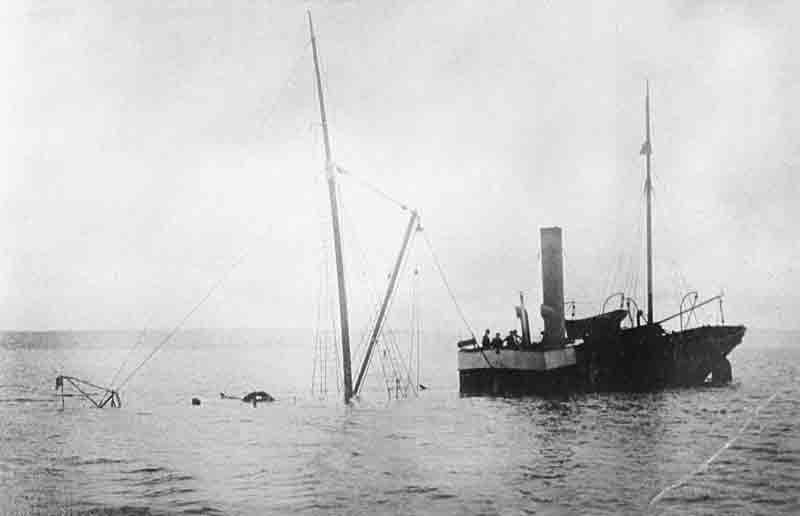
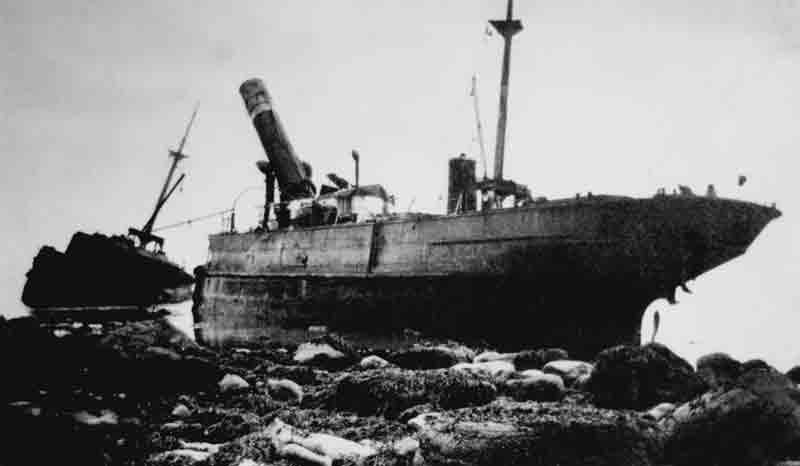
The Essex stranded below Kildonan coastguard station around 10:30pm on 21st January 1903. She had departed from Portrush in ballast the previous day bound for Maryport but had been caught in a storm in the North Channel and was forced to run for shelter in Lamlash Bay. Unfortunately, in the darkness and the heavy snow showers, her master, Mr Skillen, could not see Pladda Lighthouse nor the land ahead before his vessel stranded on the reefs off Kildonan. The Coastguards immediately attempted to rescue the six men aboard with rocket apparatus. However, the equipment broke down as the first man was on his way to the shore. Fortunately he was eventually rescued, but none of the others could be brought ashore in this manner. Telegrams were immediately dispatched to Campbeltown and, at 6:10am, the lifeboat James Stevens II sailed out of Campbeltown Loch into the full force of the storm.
The James Stevens arrived off Kildonan at 9.30am and her crew watched as wave after wave swept over the Essex and her crew who had by now climbed into the rigging. The lifeboat manoeuvred near to the Essex which provided a certain amount of shelter from the confused seas. The crew eventually boarded the lifeboat and were later landed at Lamlash. The James Stevens and her crew of fifteen left Lamlash around midday but, due to the direction of the wind, found that they had to row from Pladda to Campbeltown. The James Stevens arrived home after 11:30pm having been at sea for seventeen and a half hours in extreme weather conditions. It is interesting to note that the seven members of the shore party who helped launch the lifeboat each received six shillings while each member of the crew, for all their efforts, received only fifteen shillings.
The Essex broke up and became a total wreck, her owner having to shoulder an uninsured loss.