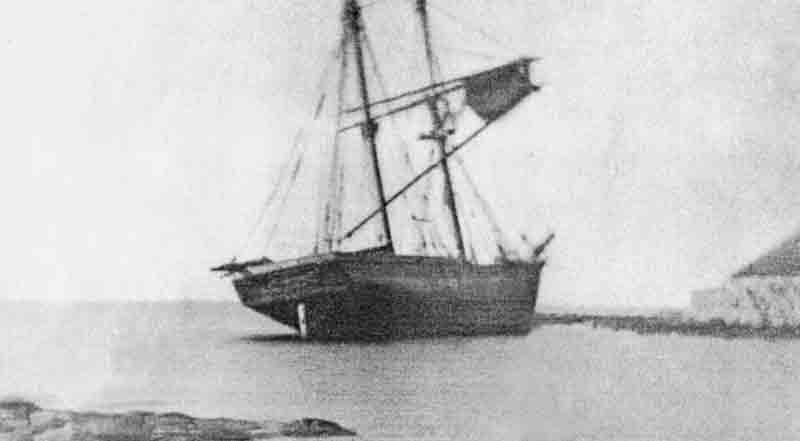
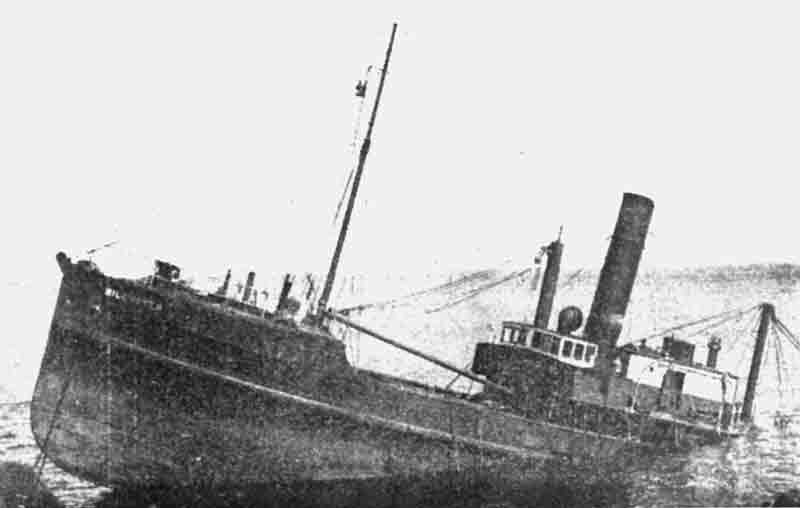
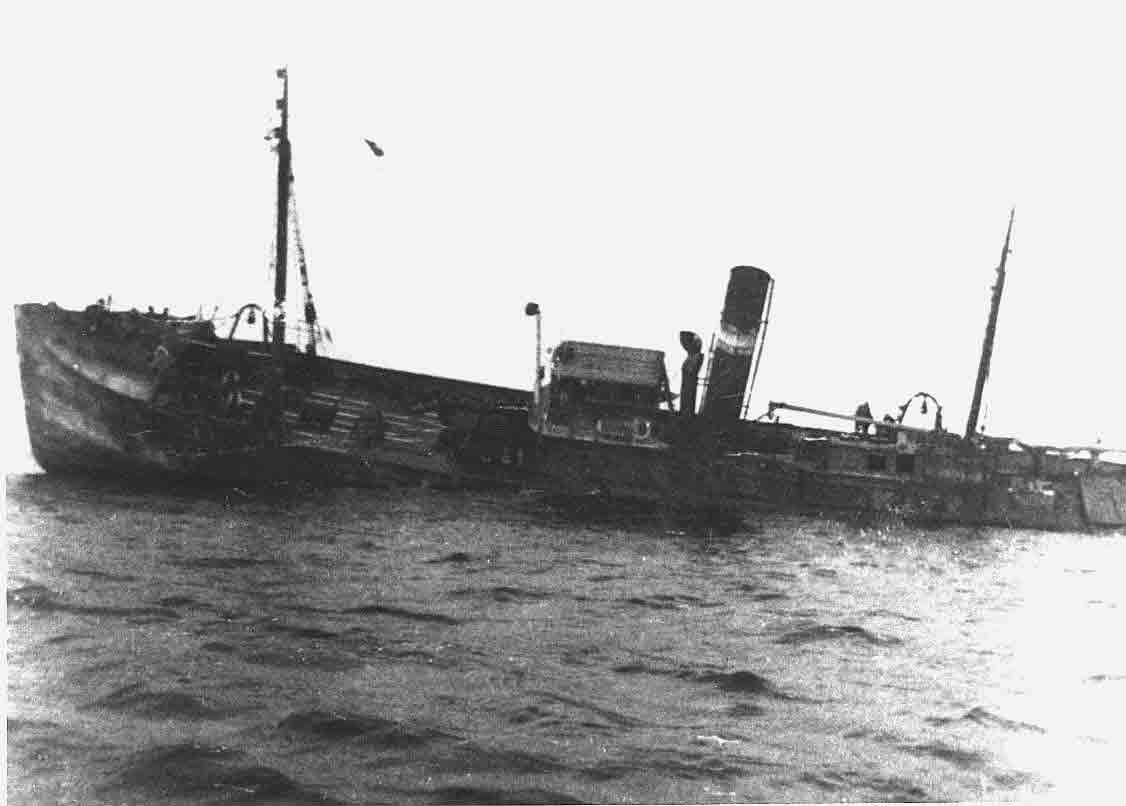
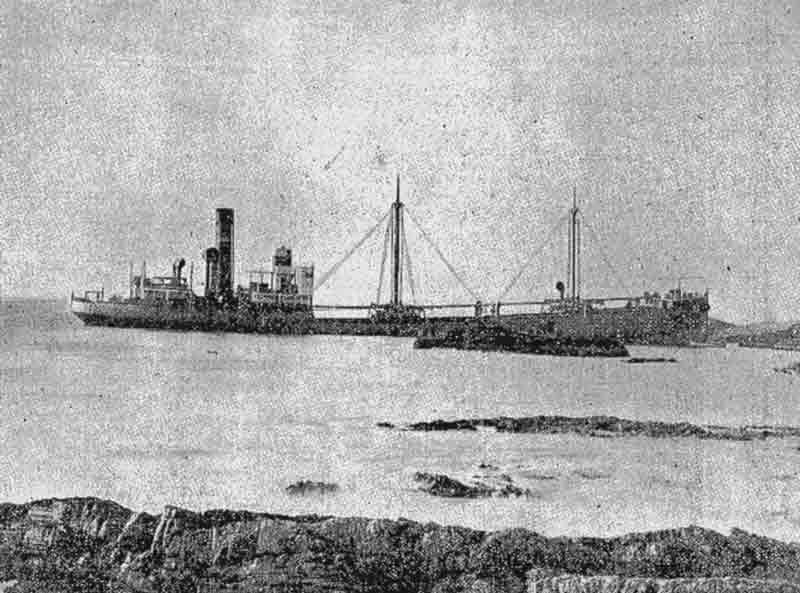
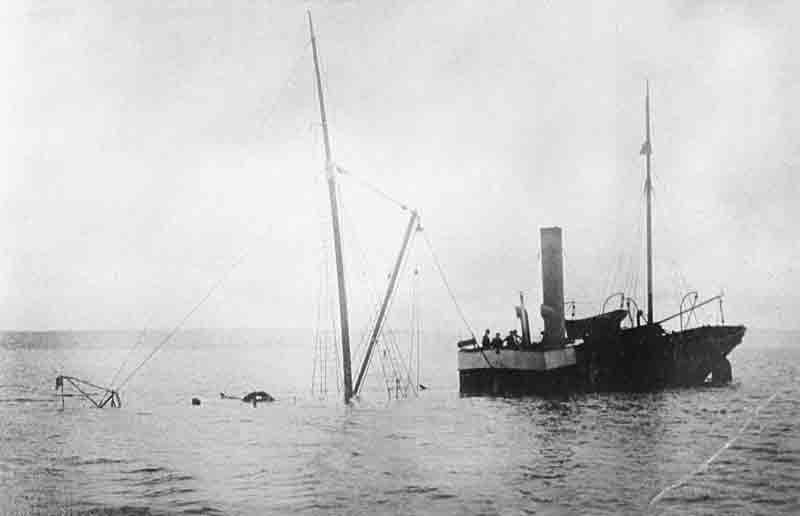
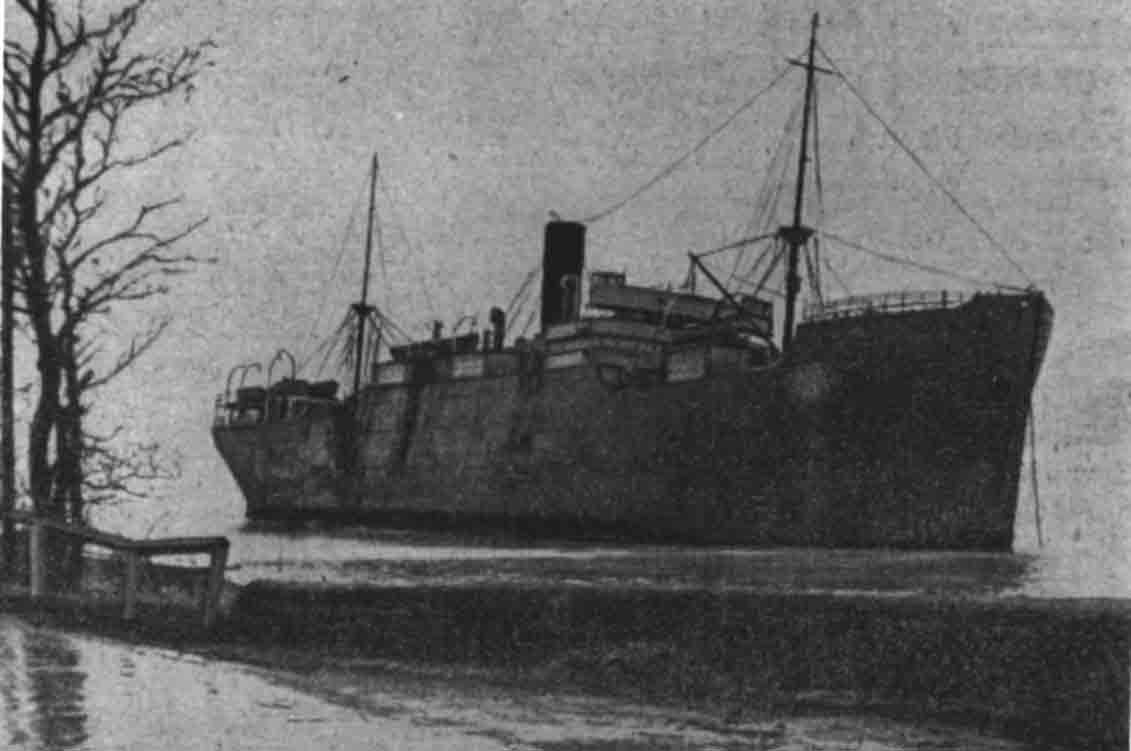
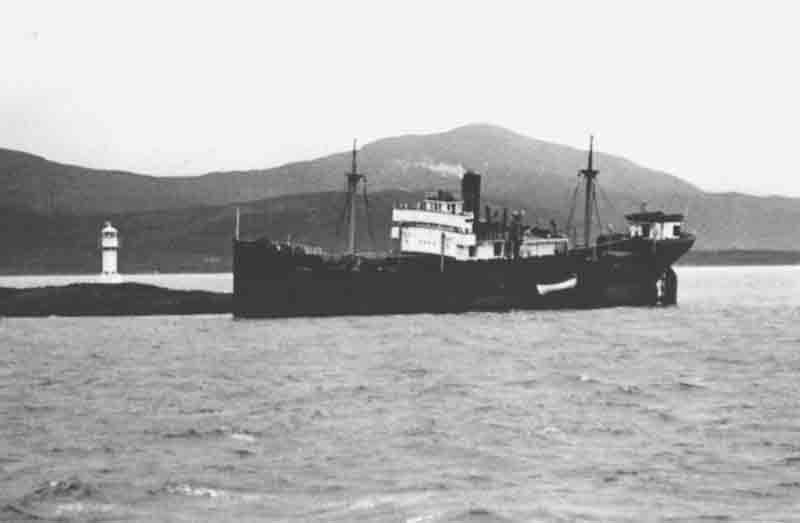
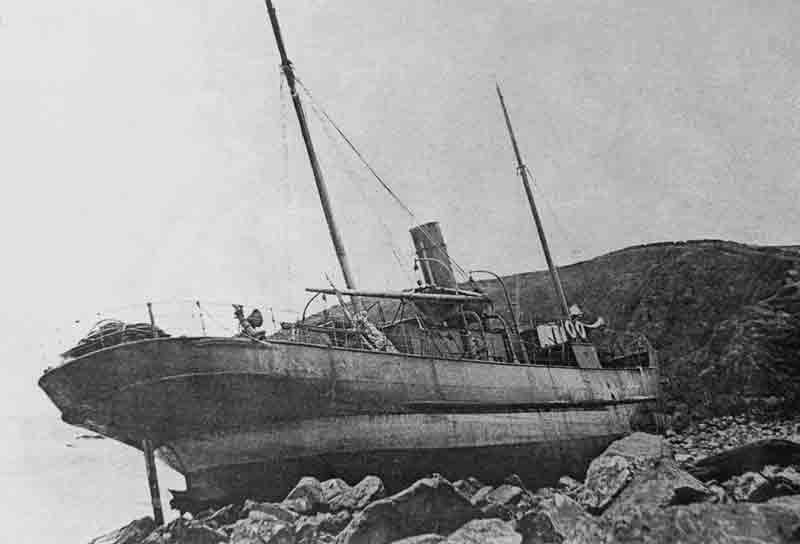
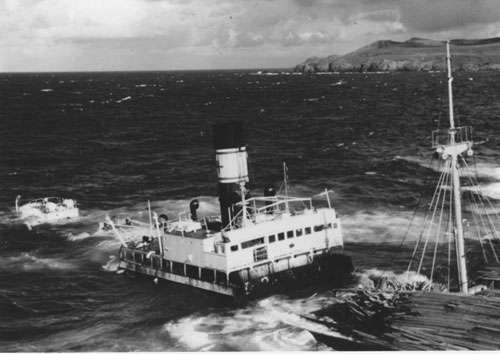
The Mary B. Mitchell was a steel hulled, 3 masted schooner built by Paul Rodgers & Company of Carrickfergus (Yard no 39) and launched on 20th March 1892. She measured 129.7′ x 24.4′ x 10.8′ and her tonnage was 227 gross tons, 133 net tons. Her official number was 97575 and at her loss she was registered in Dublin.

Extract Lloyd’s Register 1939.
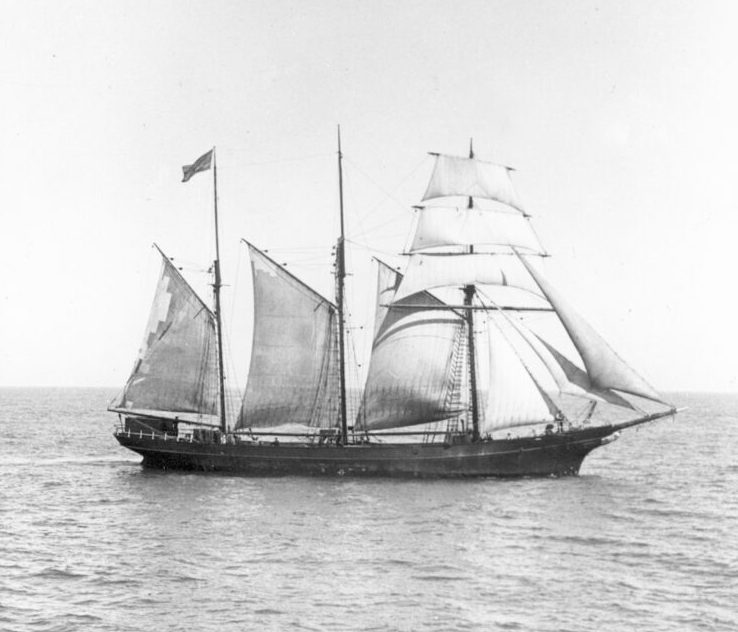
Mary B. Mitchell.
Her first owner was a William Preston of Lleiniog Castle, Beaumaris, who registered her in this Angelsey town. She remained under this ownership until 1900 when she was purchased by Emilius Young of Bangor. In 1912 she was purchased by Baron Penrhyn of Llandegai, Carnarvon. During this period she was mainly utilised to carry cargos of slate for the quarry at Penrhyn. She had an interesting wartime role as a Q-ship from April 1916 to the end of World War 1. In 1917 she was fitted with a 4SCSA paraffin fired auxiliary engine by Bergius Launch and Engine Co Ltd., Glasgow powering twin screws to improve her performance as a Q-ship. By 1920, ownership had changed again to Job Tyrrell of Arklow and she remained in ownership of the Tyrrell family until her loss. In 1938 she was fitted with a 2SCSA diesel engine by Atlas Diesel, Stockholm. Throughout her working life she was mainly used for coastal cargo although, interestingly, she was periodically to appear in a number of movie productions.
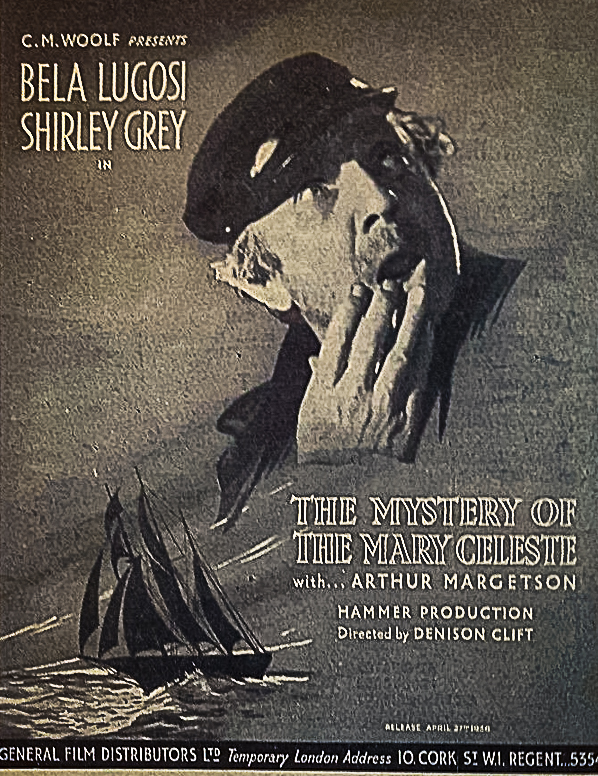
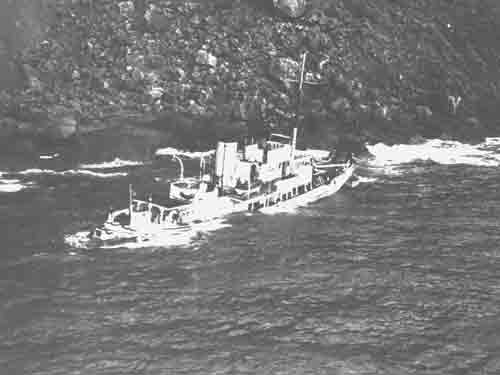
The Mary B. was cast in the role of the Marie Celeste in this 1937 Hammer production.
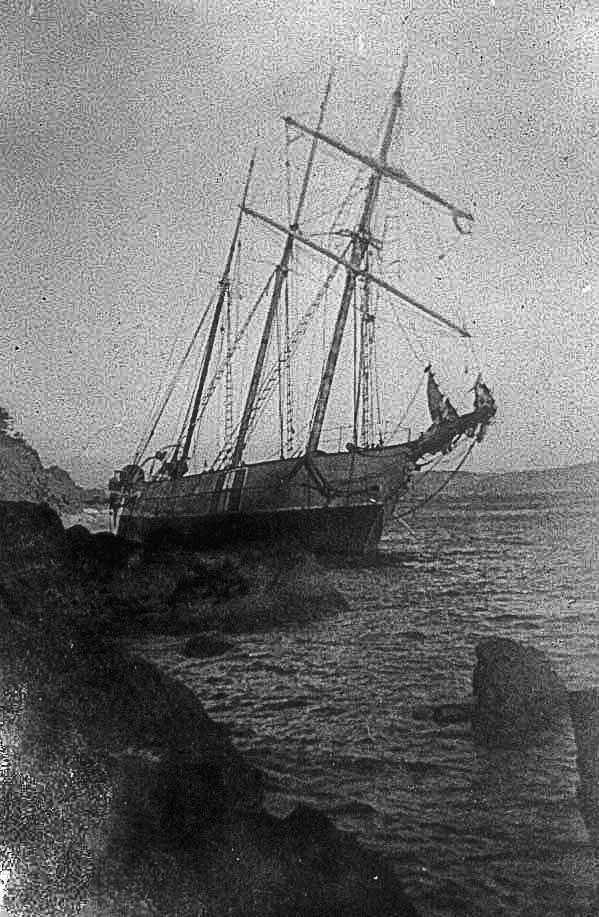
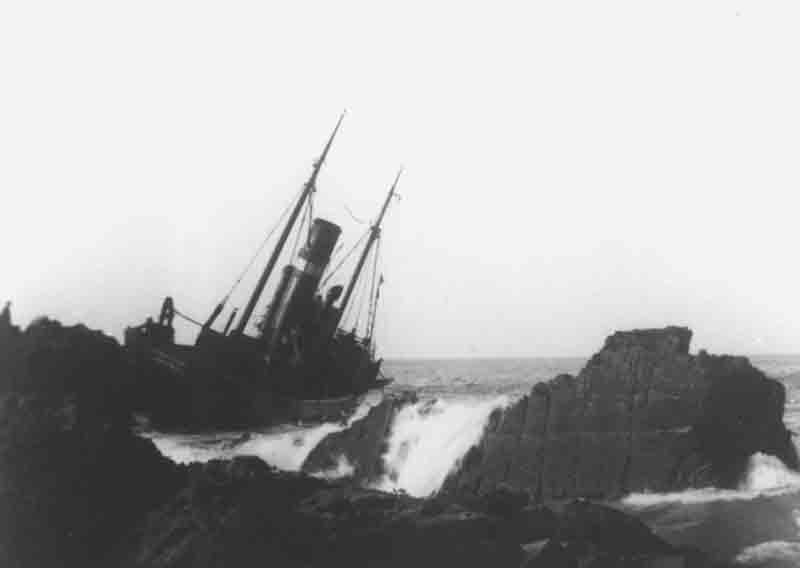
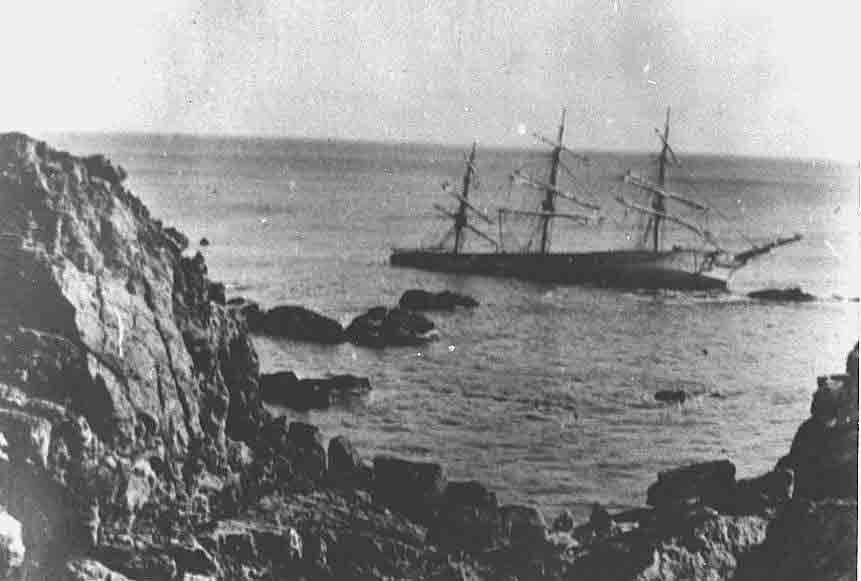
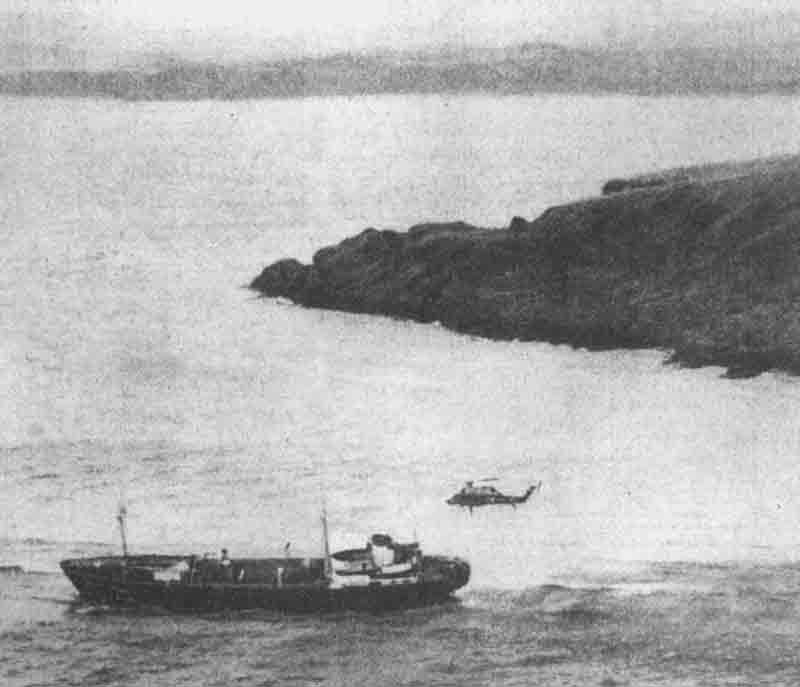
On the 15 December 1943, the Mary B. Mitchell was on voyage from her home port of Dublin to Silloth on the Cumbrian coast with a cargo of 300 tons of burnt ore. As they approached the Solway Firth they were caught in a south easterly gale which blew out most of her sails. As they were driven towards Kirkcudbright Bay, fortunately, they were spotted around 17:00 by the keepers in Ross Lighthouse who noted the vessel was drifting but not displaying any distress signals. The local air sea rescue base at Gibshill was contacted to see if they could send out a boat but, unable to comply, they sent an officer to the shore who signalled the Mary B. Mitchell and confirmed they needed assistance. The motor lifeboat Morison Watson was launched when tide allowed at 20:30 and reached the Mary B. Mitchell which had gone ashore just north of Torrs Point on the east side of Kirkcudbright Bay. The lifeboat managed to get alongside the stricken vessel and safely rescued her eight crew who were landed at the main quay in Kirkcudbright around 22:00.
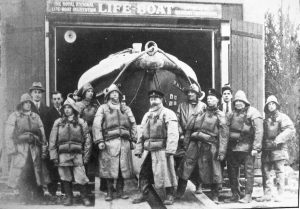
Kirkcudbright Life Boat crew with the Morison Watson – The Lifeboat Magazine 1937.
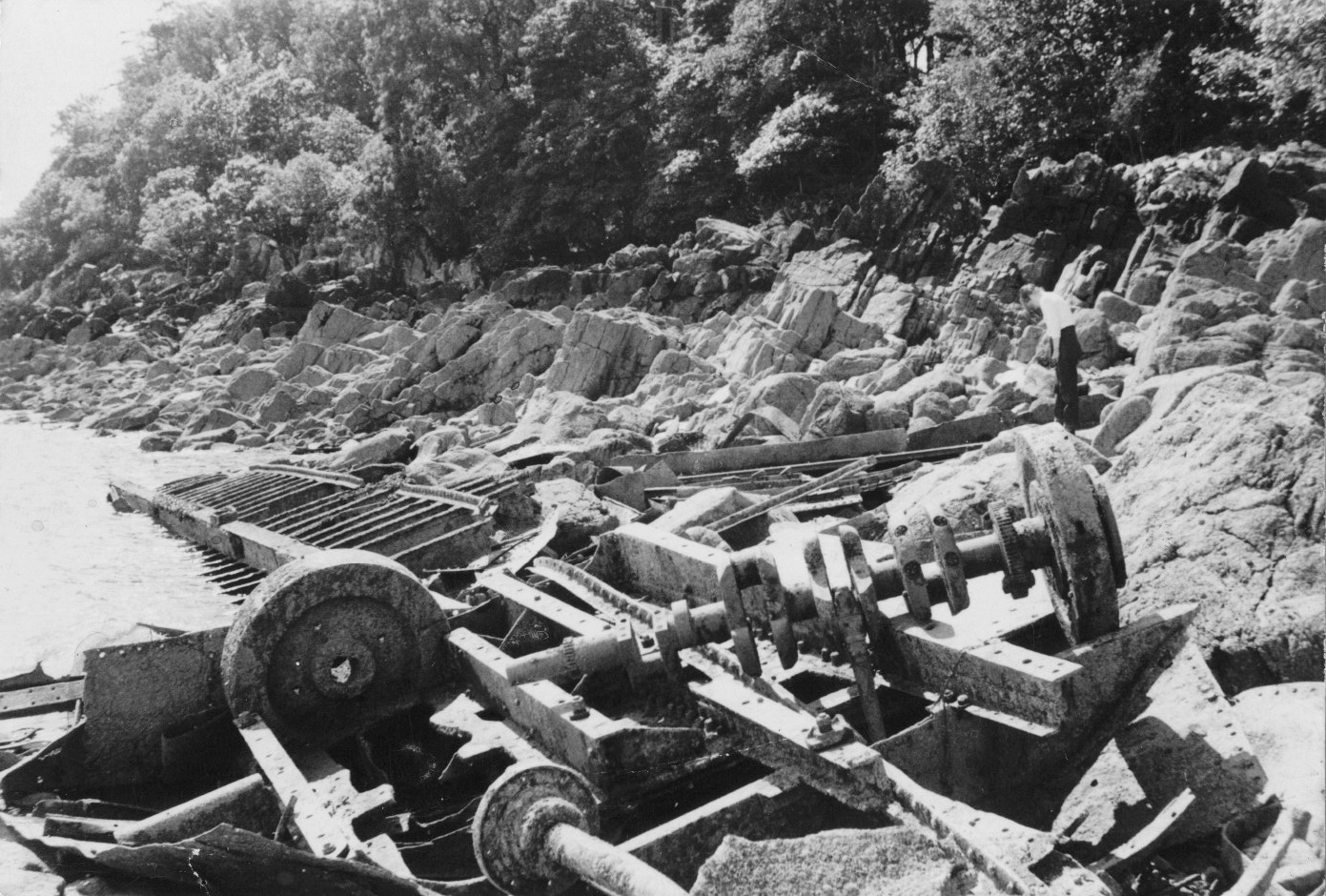
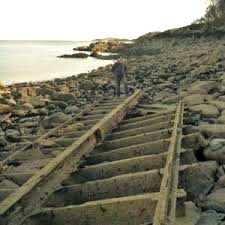
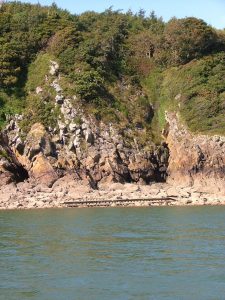
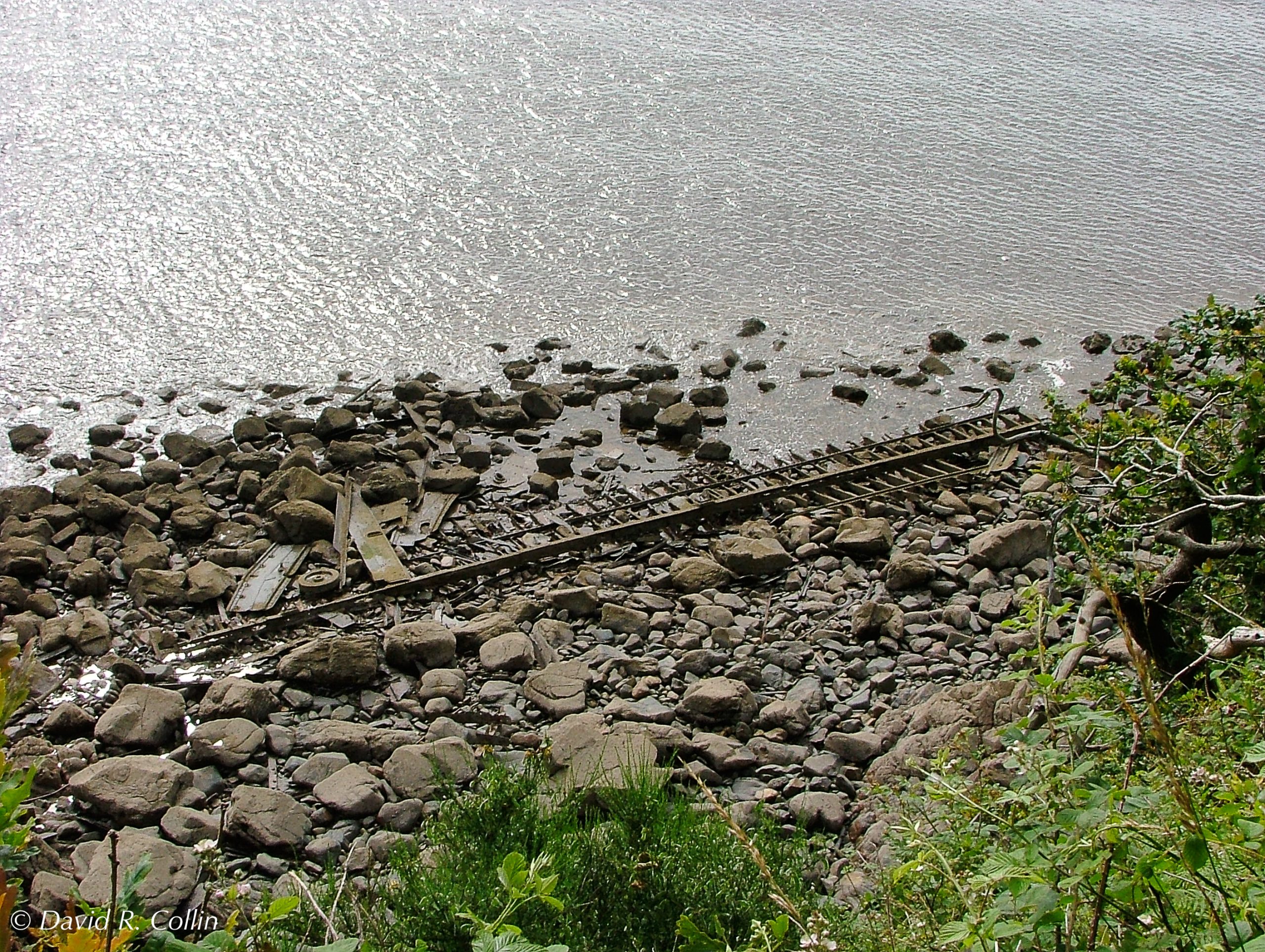
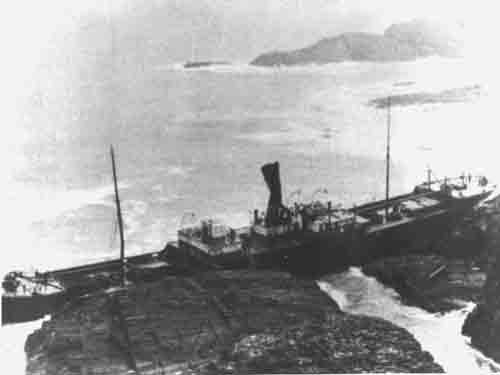
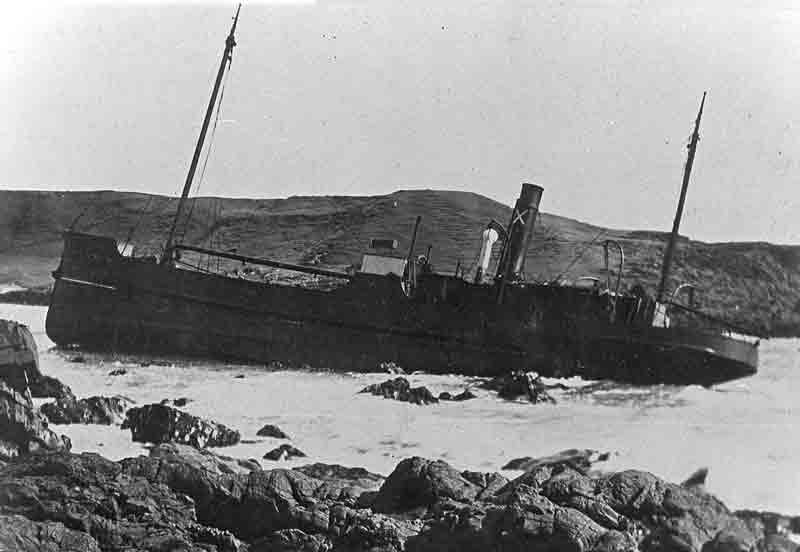
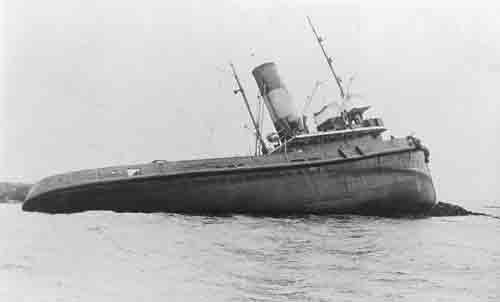
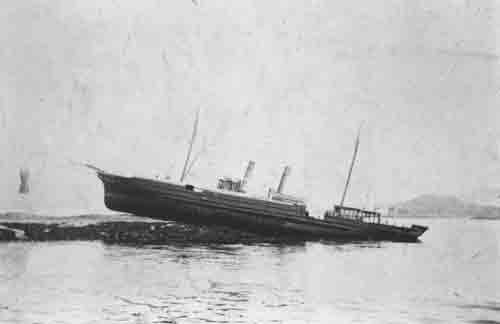
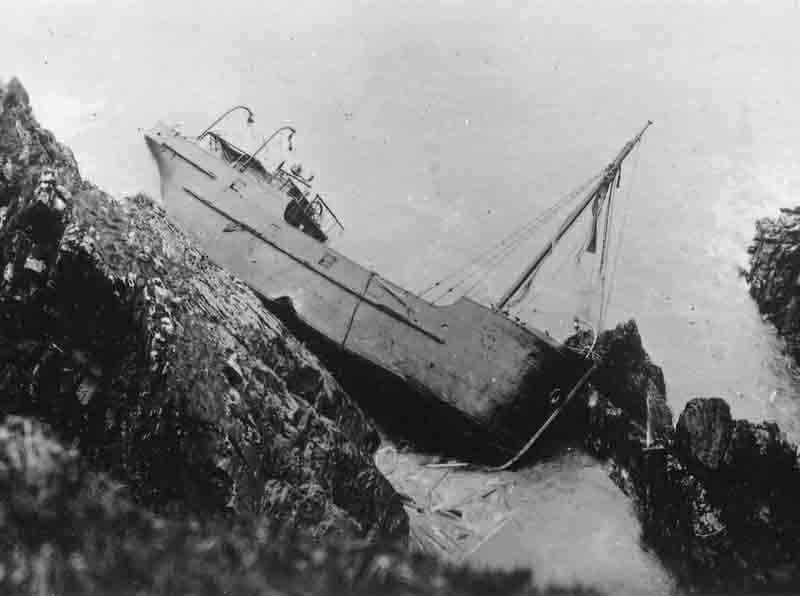
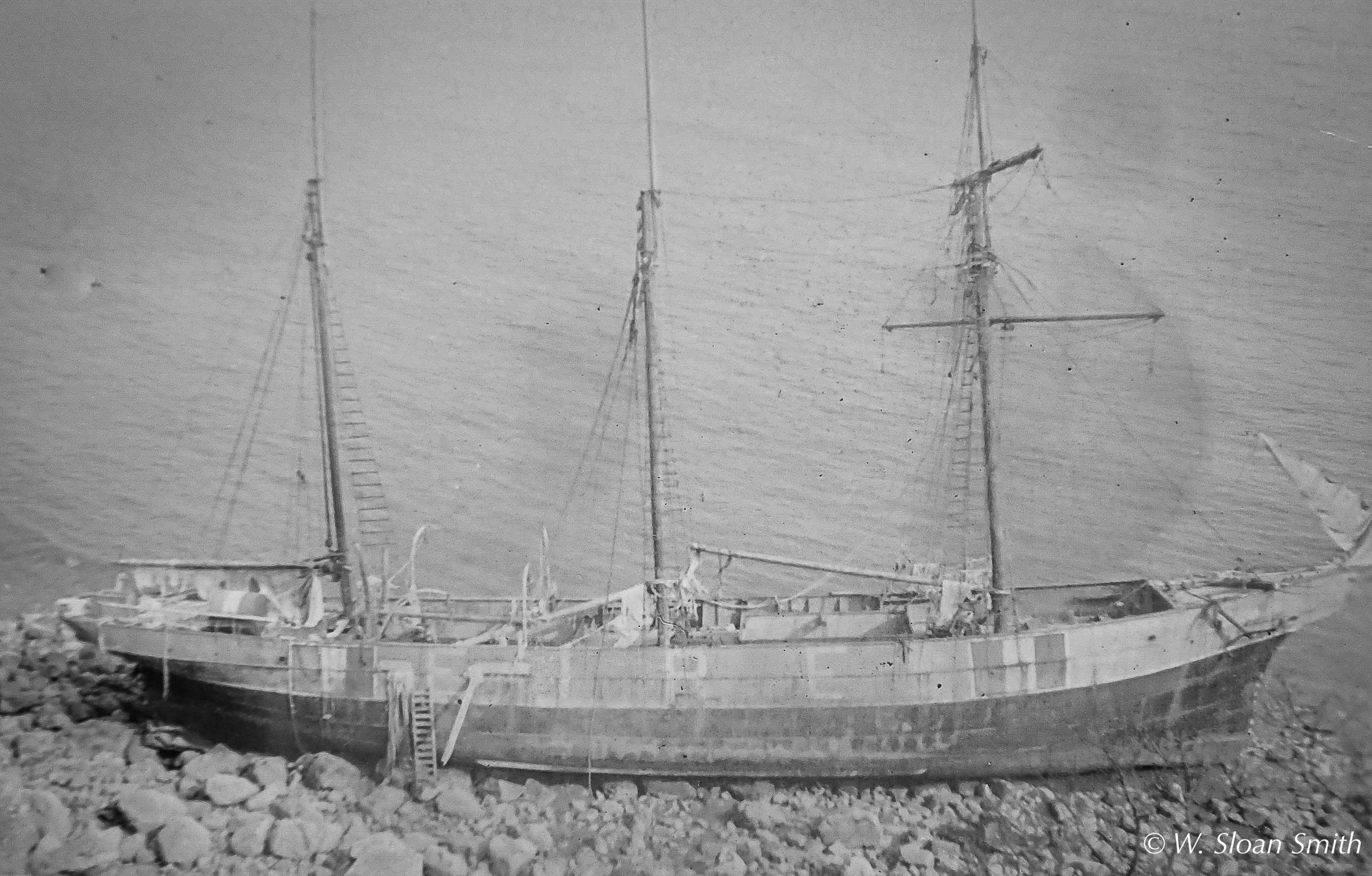
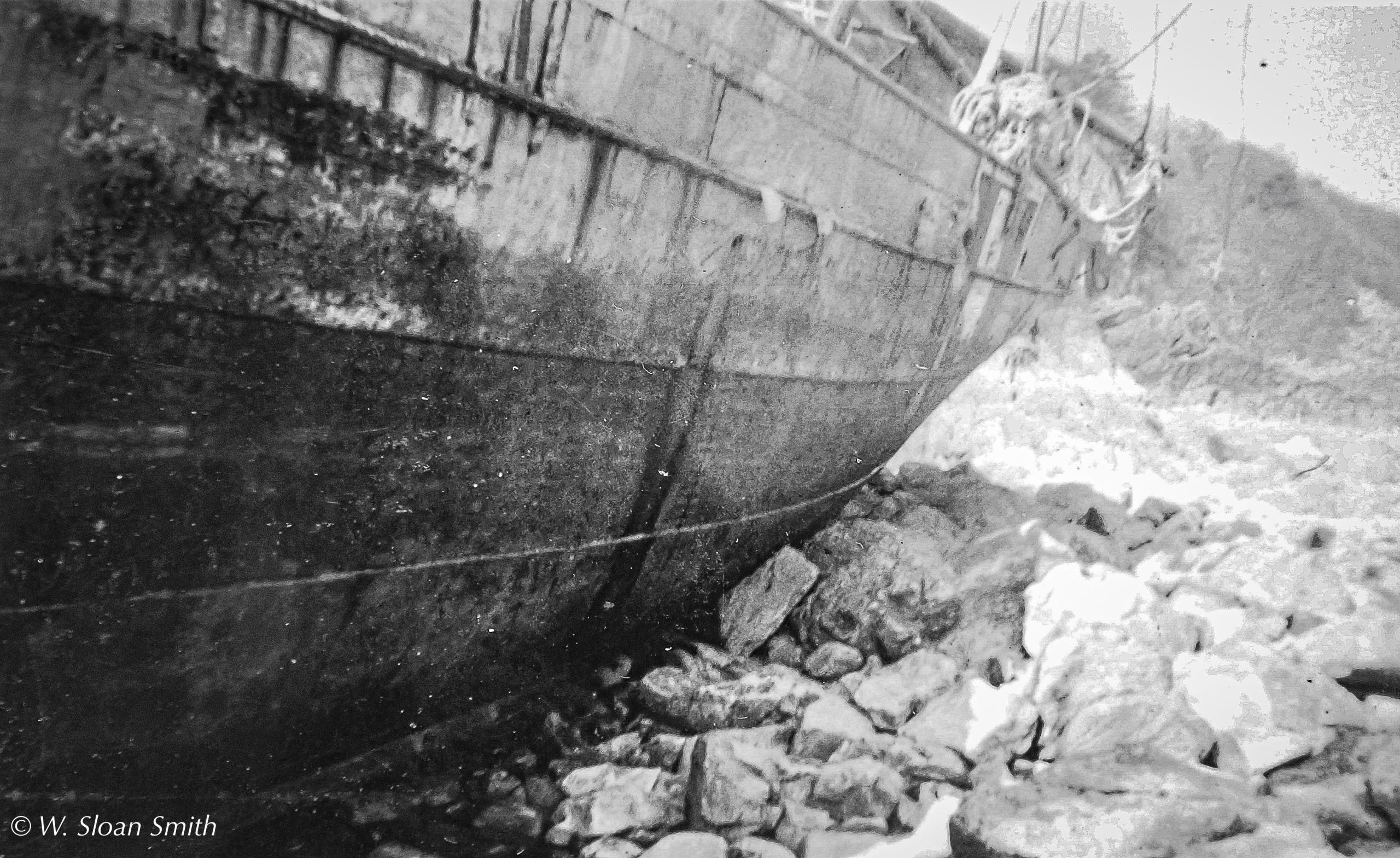
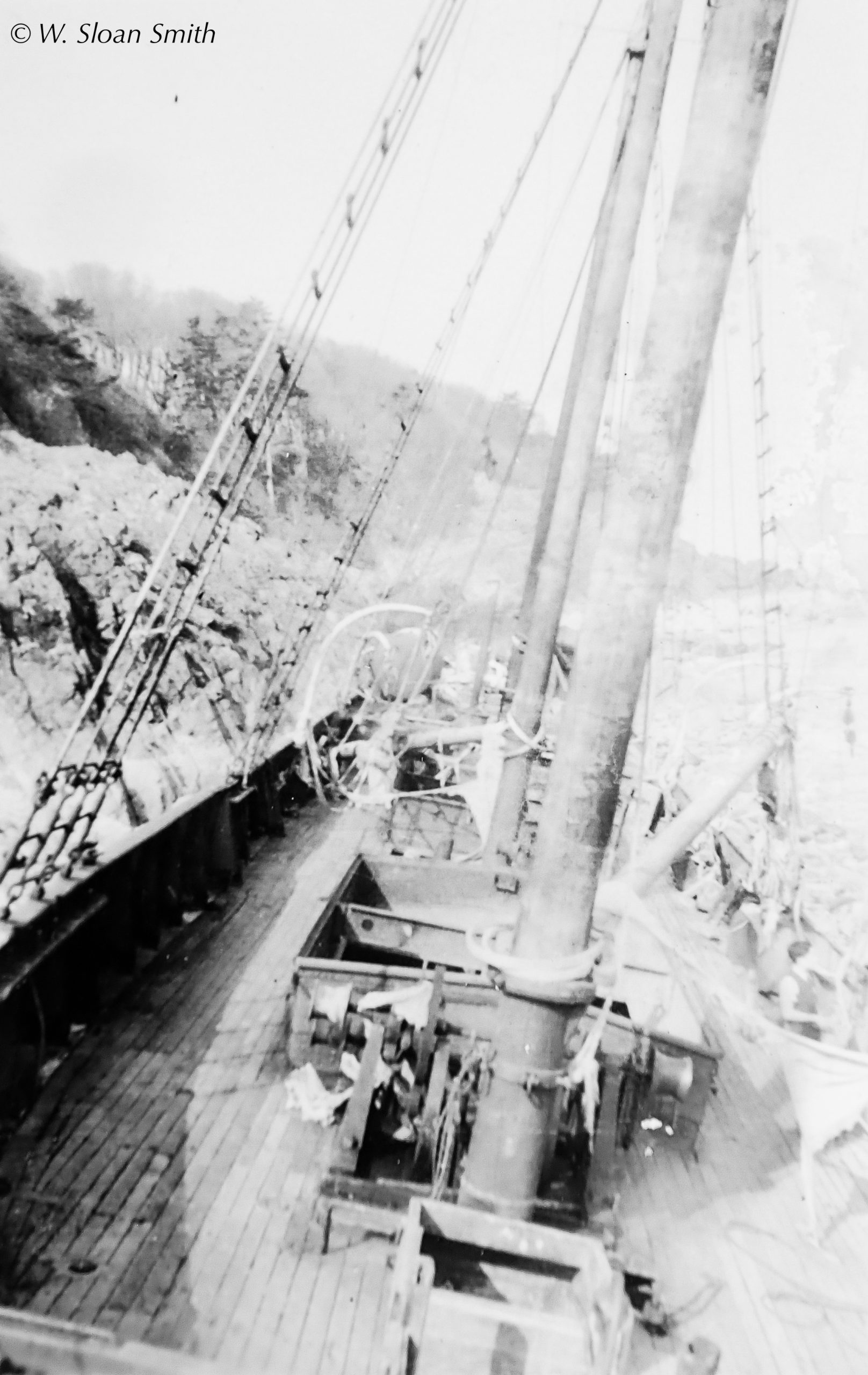
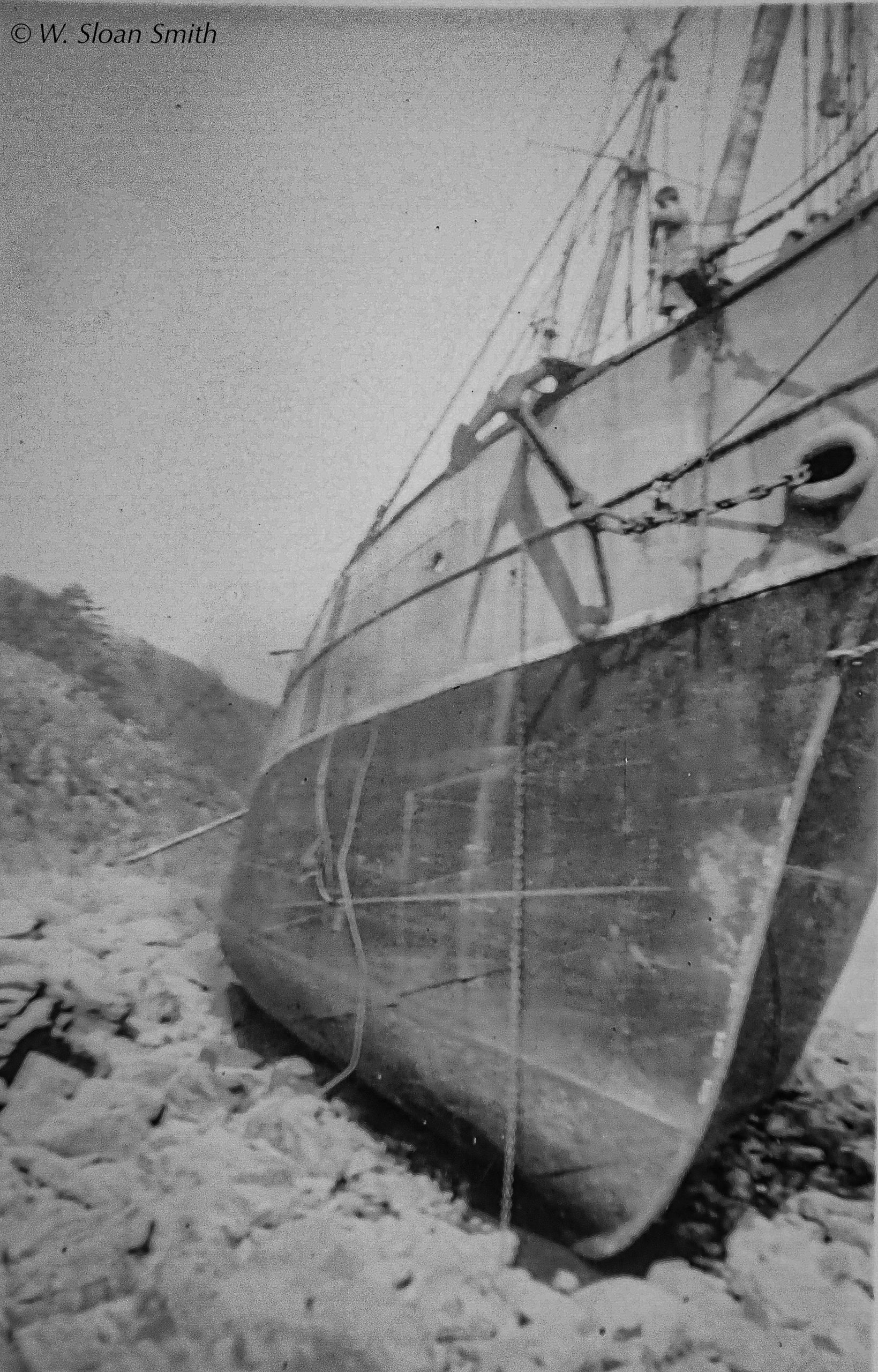
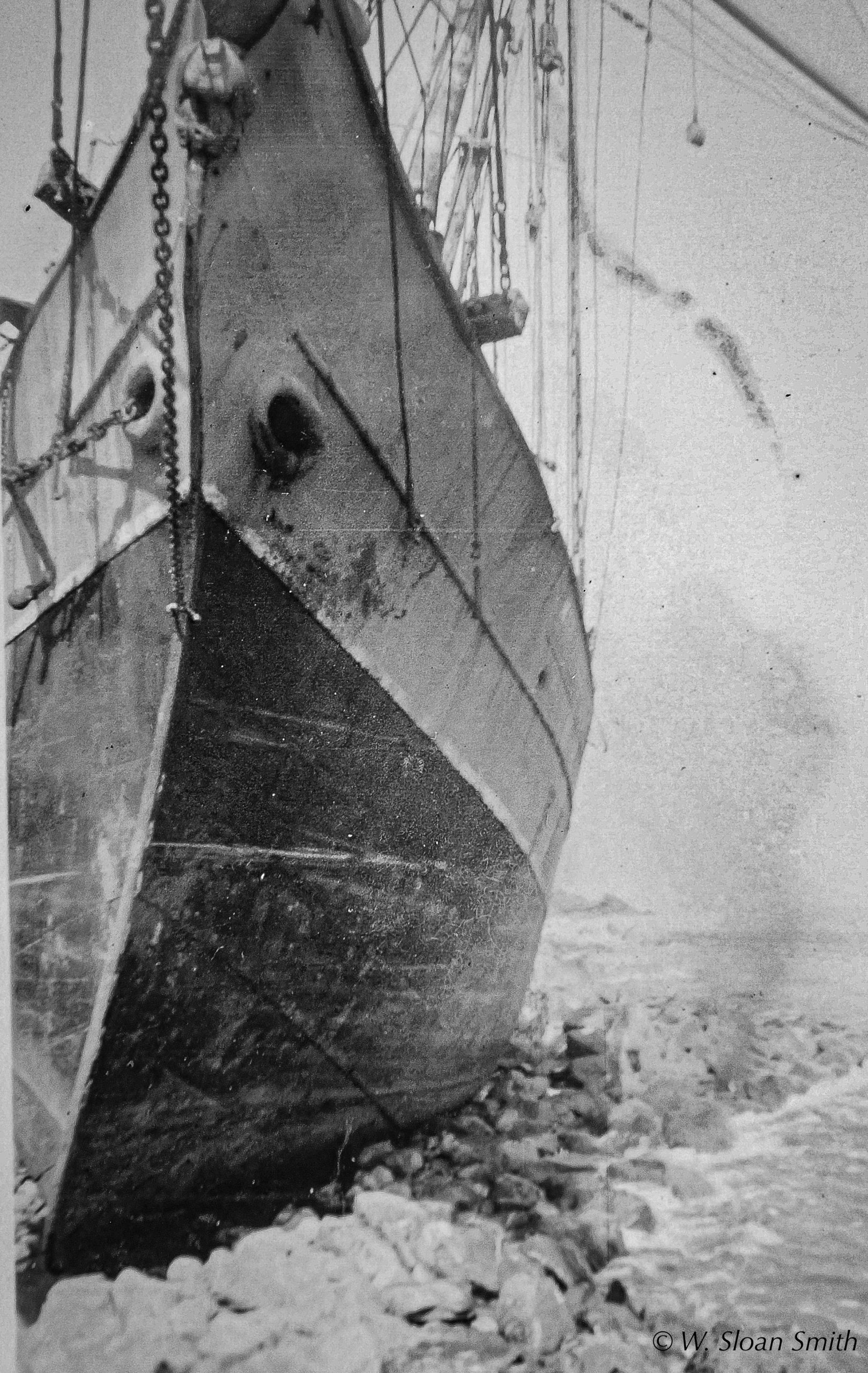
The following day the lifeboat took some of the crew back to the wreck. As they approached the wreck site there was no sign of the Mary B. Mitchell and on scouring the horizon they found her on the west shore of Kirkcudbright Bay, just south of Frenchman’s Rock. She was hard aground on a rocky shore with her hull holed and tidal. She was declared a constructive total loss following further bad weather in January 1944.
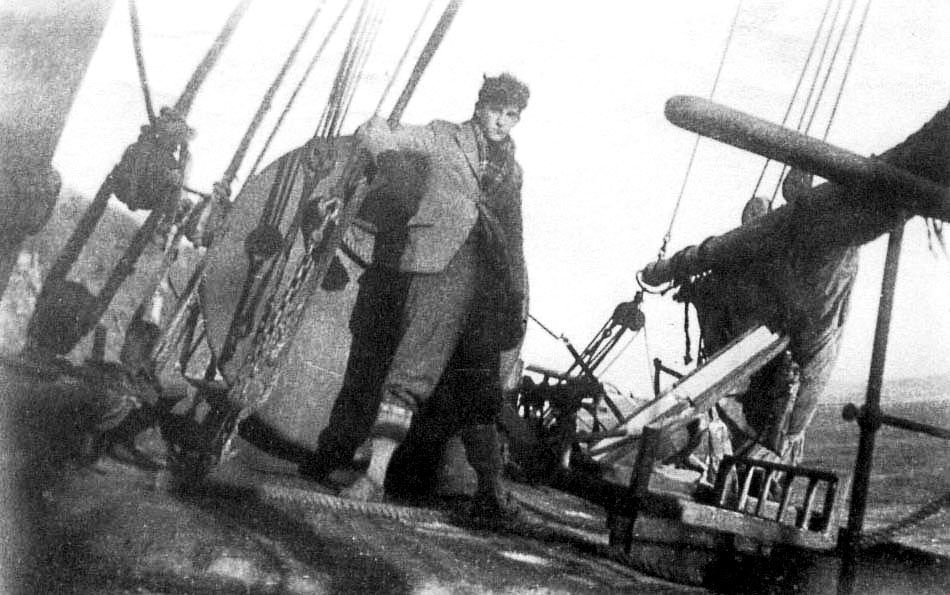
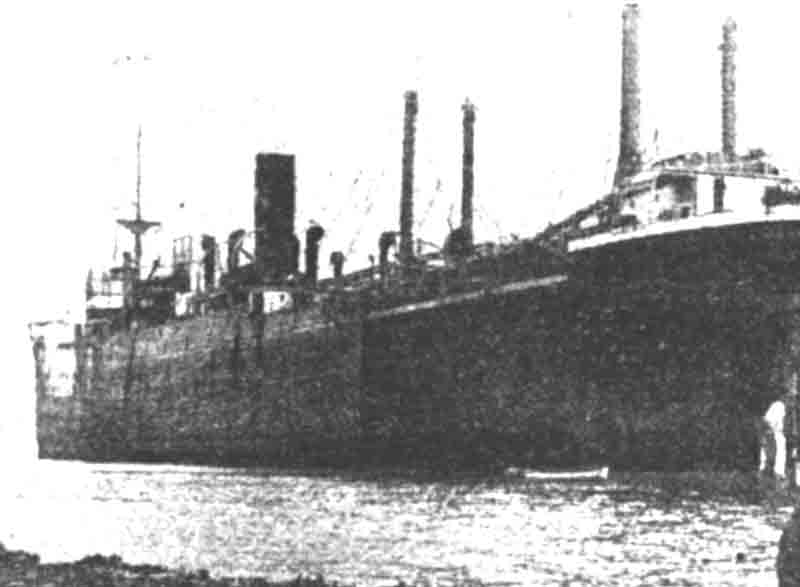
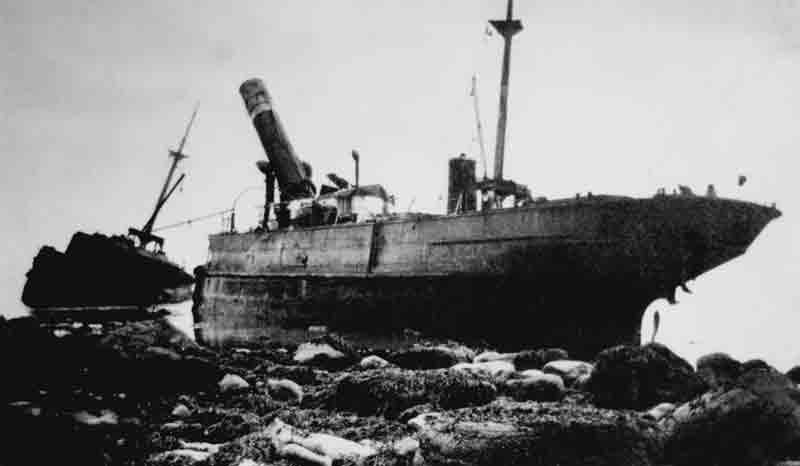
The wreck was visited by representatives of the Dalmuir based ship breaking company W. H. Arnott Young in April 1945 with a view to dismantling the wreck. Its not clear if they undertook any work following this initial survey. Pictures from their visit are shown below, and we thank W. Sloan Smith for allowing us to reproduce pictures from his photographic collection which records the work of the ship breaking company – W.H. Arnott Young & Company Ltd., of Dalmuir and Troon.
We would like to thank Kirkcudbright Historical Society and David R. Collin for allowing us to reproduce the photographs from their archives.