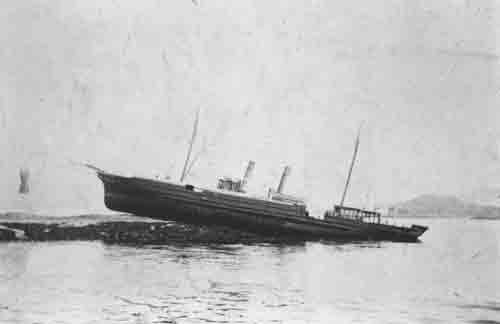
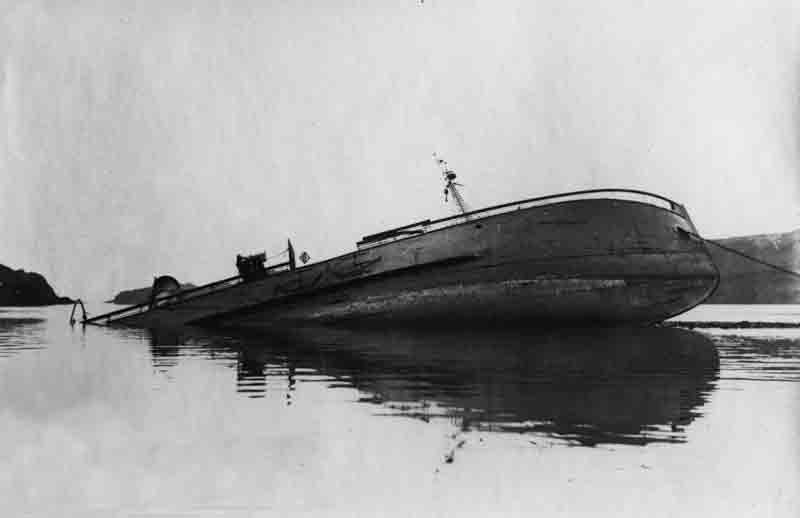
The steel steamship Wheatsheaf was launched from the yard of Ardrossan Drydock and Shipbuilding Co Ltd (Yard No 263) on 17th June 1915. She measured 162.8′ x 25.6′ x 9.8′ and her tonnage was 500 gross tons, 190 net tons. She was powered by a 2 cylinder compound steam engine by McKie and Baxter, Govan delivering 72 nominal horse power. She was ordered by Spillers Steamship Cardiff and first registered in this city 6th October 1915. On 19th November 1929 she was purchased by the Raglan Steamship Company Ltd (Cardiff) who changed her name to Glenarch in January 1930. In September 1935 she was acquired by Joseph and George Bowles before her final ownership change on 15th February 1938, purchased by Mathew Taylor of Methil who changed her name to Parkhill.

Profile plan SS Wheatsheaf

Lloyd’s register 1939
The story of the loss of Parkhill has, until recently, been the subject of inaccurate historical information in some sources with the sinking attributed to German U-boat U-22 off Wick. However some excellent detective work and exploration by the team from Buchan Divers has revealed the correct story and location of the attack.
On 18th November 1939 Parkhill was en route from Blyth to Kirkwall with a cargo of 449 tons of coal. She was under the command of Captain Eric Charles Middleton who had a crew of eight men under his command. Meanwhile the German U-boat U-18 had reached her patrol area off Kinnaird Head. U-18 had departed from her base in Keil on 15th November and travelled directly to the Scottish east coast. She was under the command of Kapitantleutnant Max-Herman Bauer and reached the Rattray Head area in the early hours of the 18th November. Bauer began his search for enemy ships to attack. As darkness fell and evening approached he surfaced at 6:10pm to charge batteries. The lights of Rattray Head and Kinnaird Head were visible to the west as Bauer scoured the darkness for a vessel to attack. Finally, at 8:45, a ship was sighted and Bauer fired a single torpedo. The torpedo missed the ship and Bauer turned east to begin a second attack. At 9:16pm he closed in to 300 metres from the ship and fired a second torpedo. This time, after short run of 17 seconds, a huge explosion with flames leaping high into the night sky, confirmed a hit and the vessel disappeared within a minute. At the time Bauer attributed the explosion to a cargo of fuel although this turned out to be inaccurate. The nine men aboard Parkhill were lost instantly in the explosion.
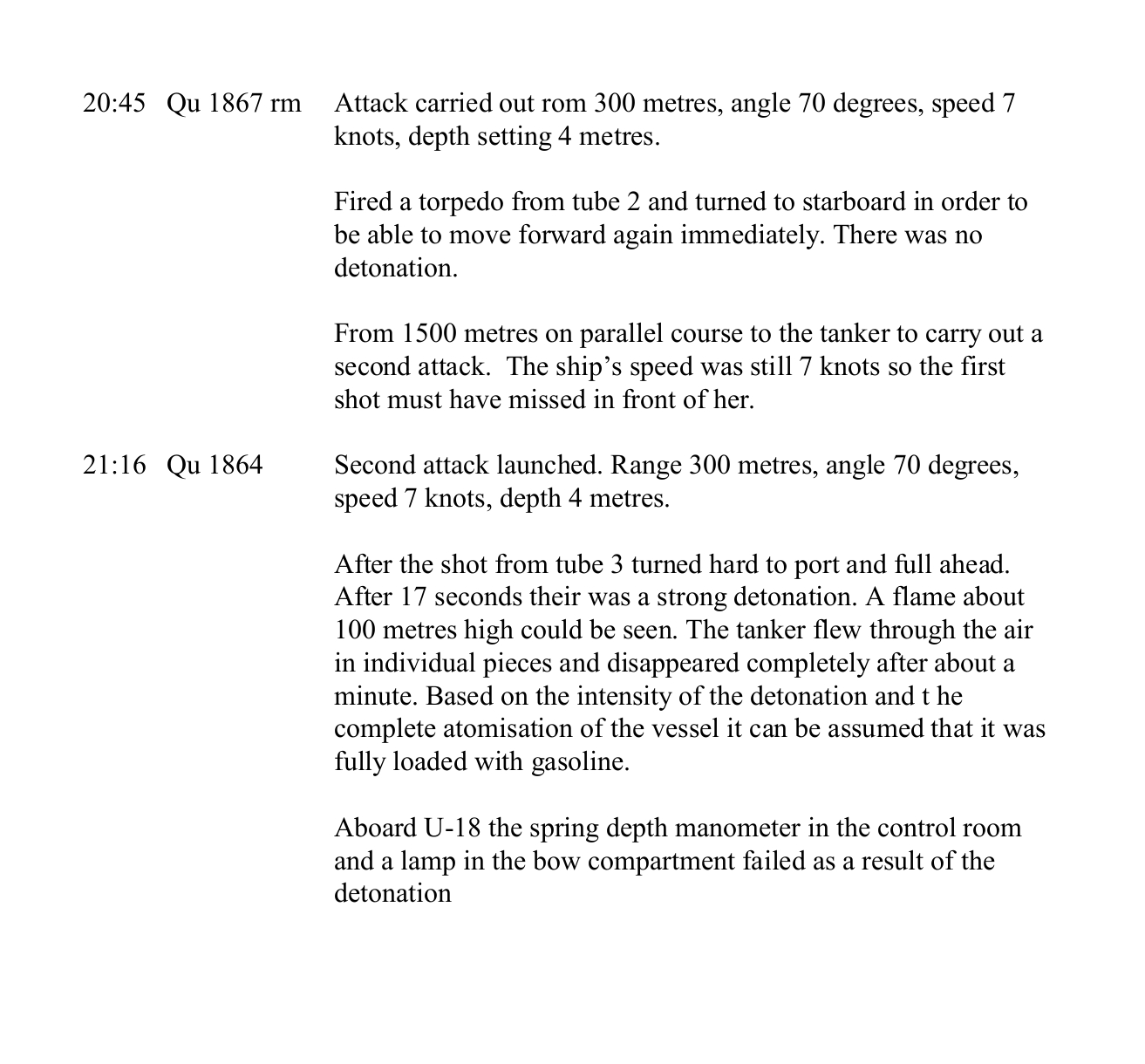
U-18 KTB translation
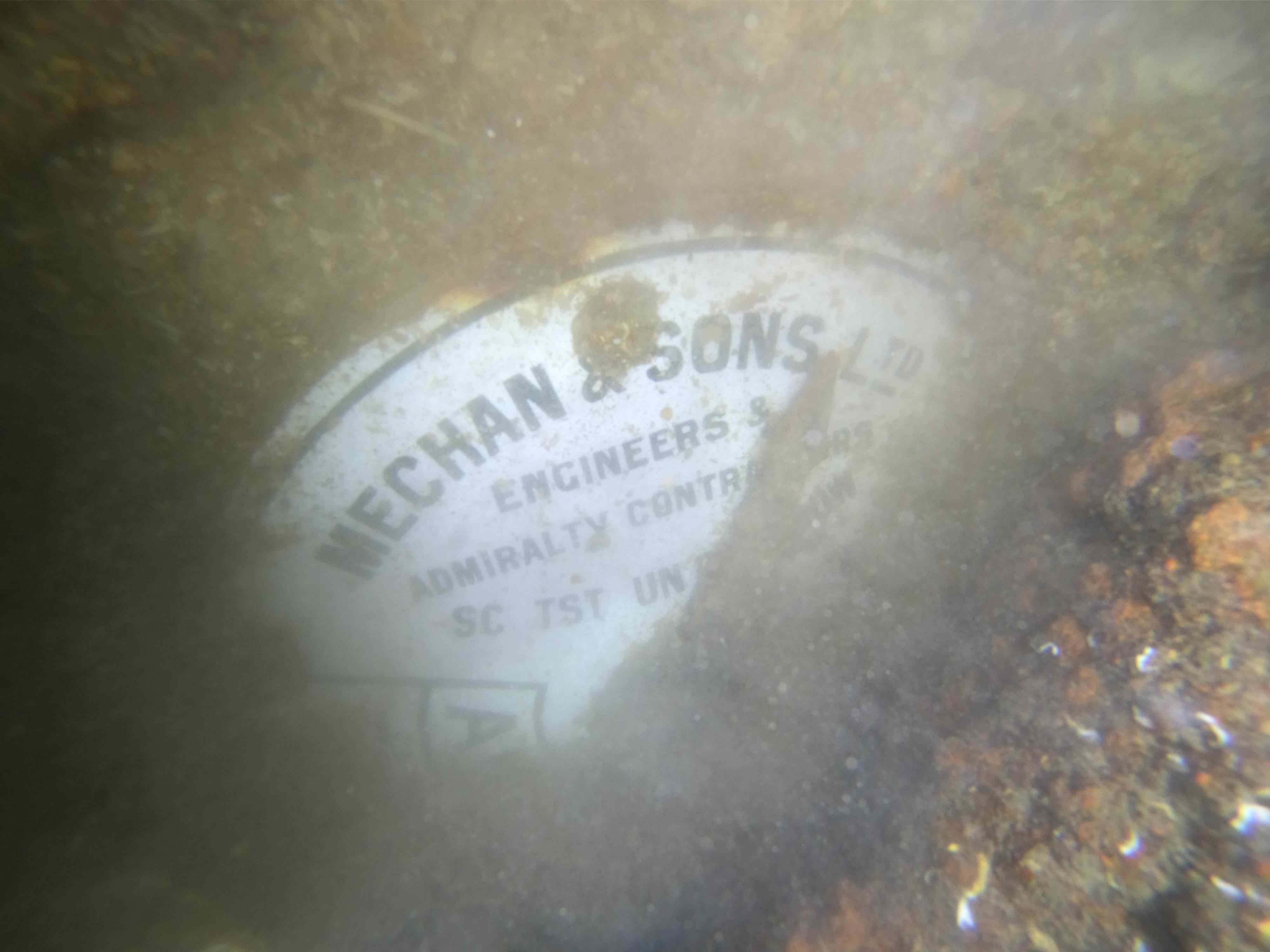
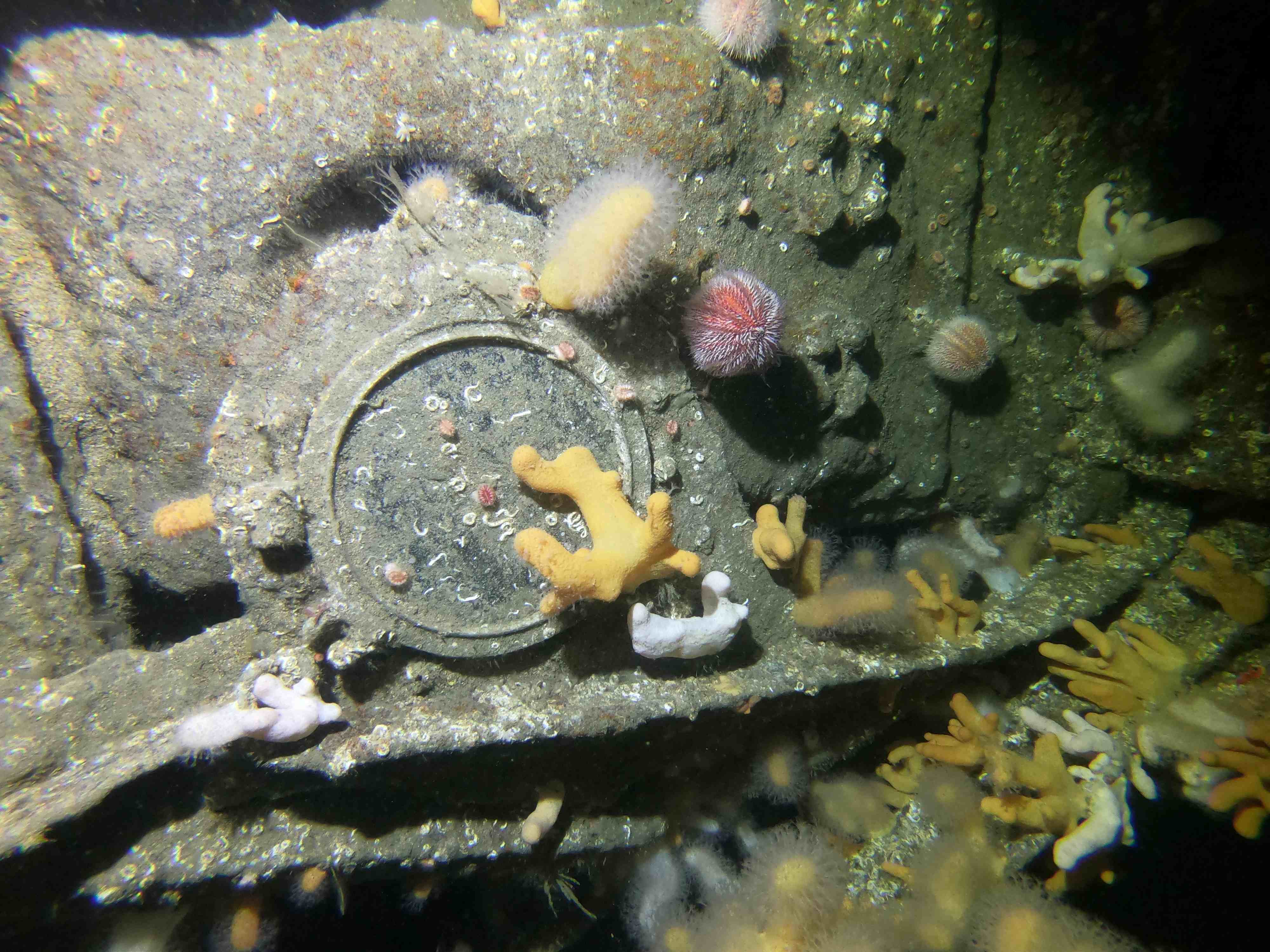
In May 2023 Buchan Divers explored the wreck they had previously dived and named as Ethel Gwendoline. They were surprised to uncover the ship’s telegraph which clearly indicated the name of the telegraph maker – Mechan and Sons Ltd., Scotstoun, Glasgow. Subsequent research showed that this company had started production in Scotstoun in 1900 proving the Ethel Gwendoline, sunk in 1890, was not this wreck. Further desk based research and analysis of photographs of various features on the wreck revealed the more likely candidate – Parkhill.

Lloyd’s Casualty report
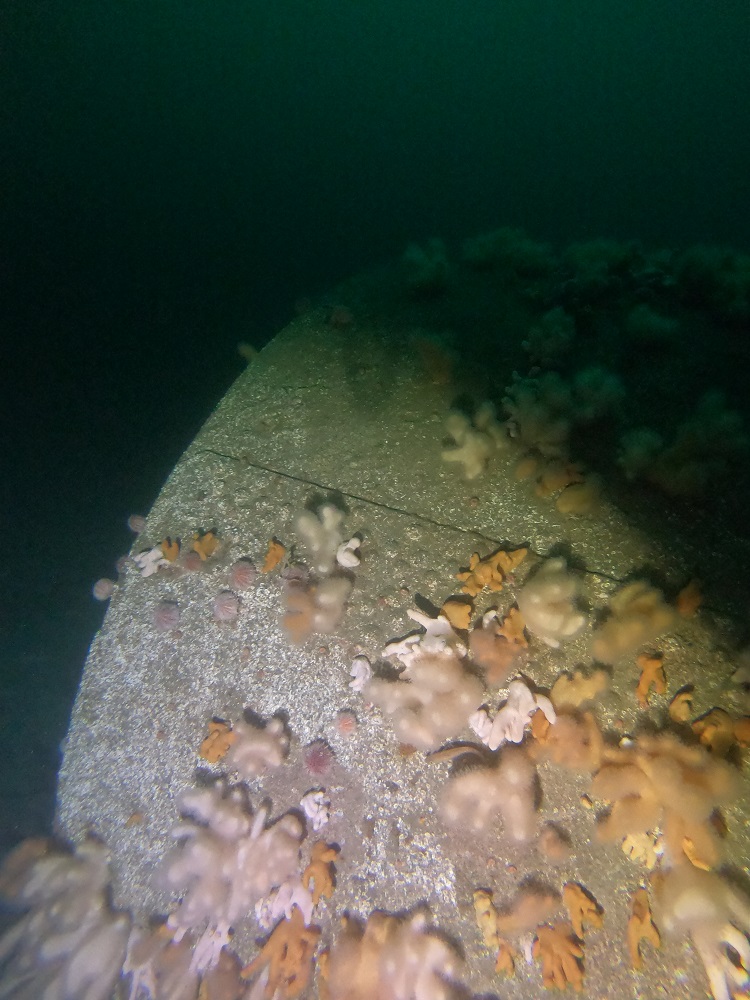
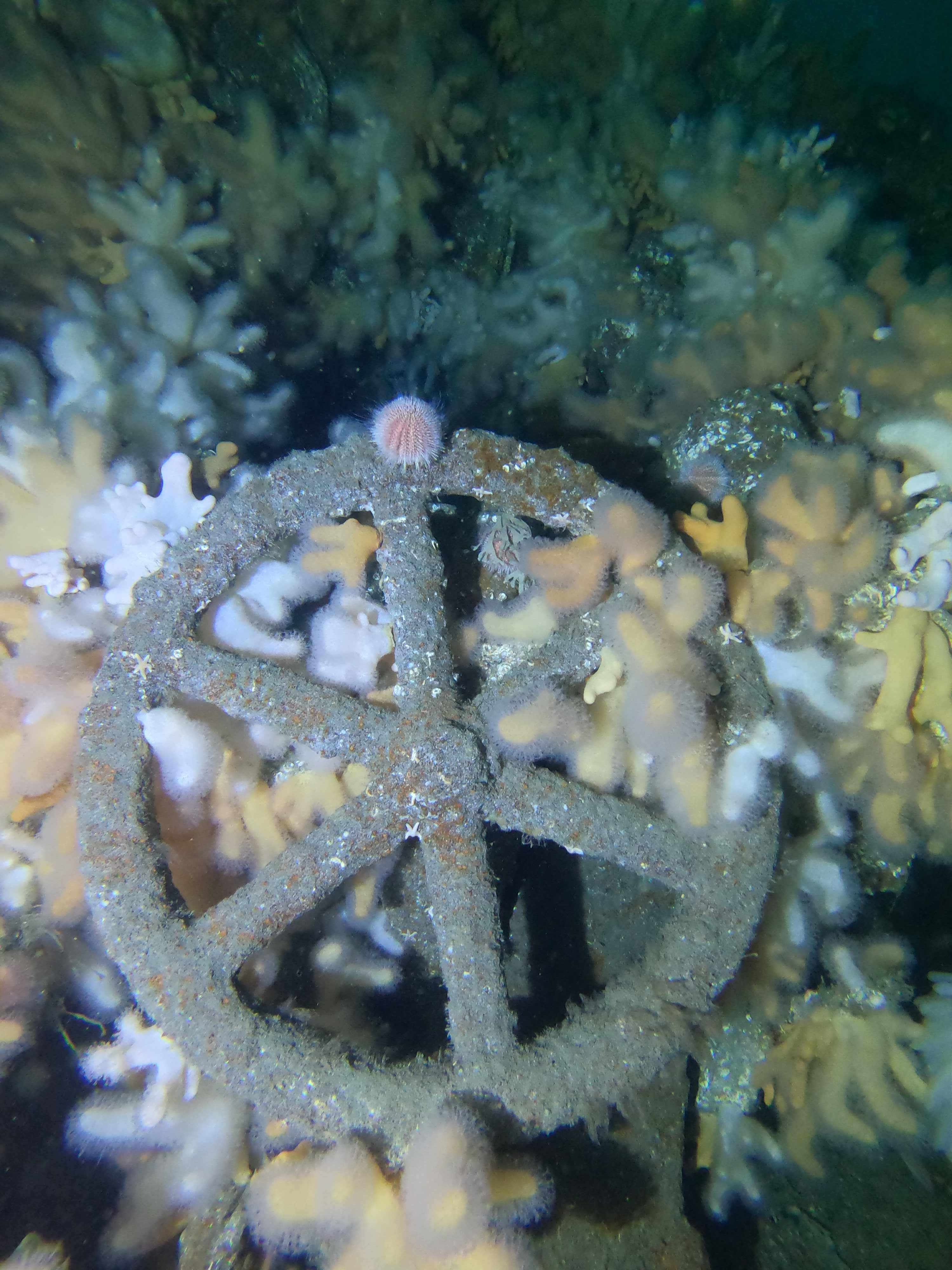
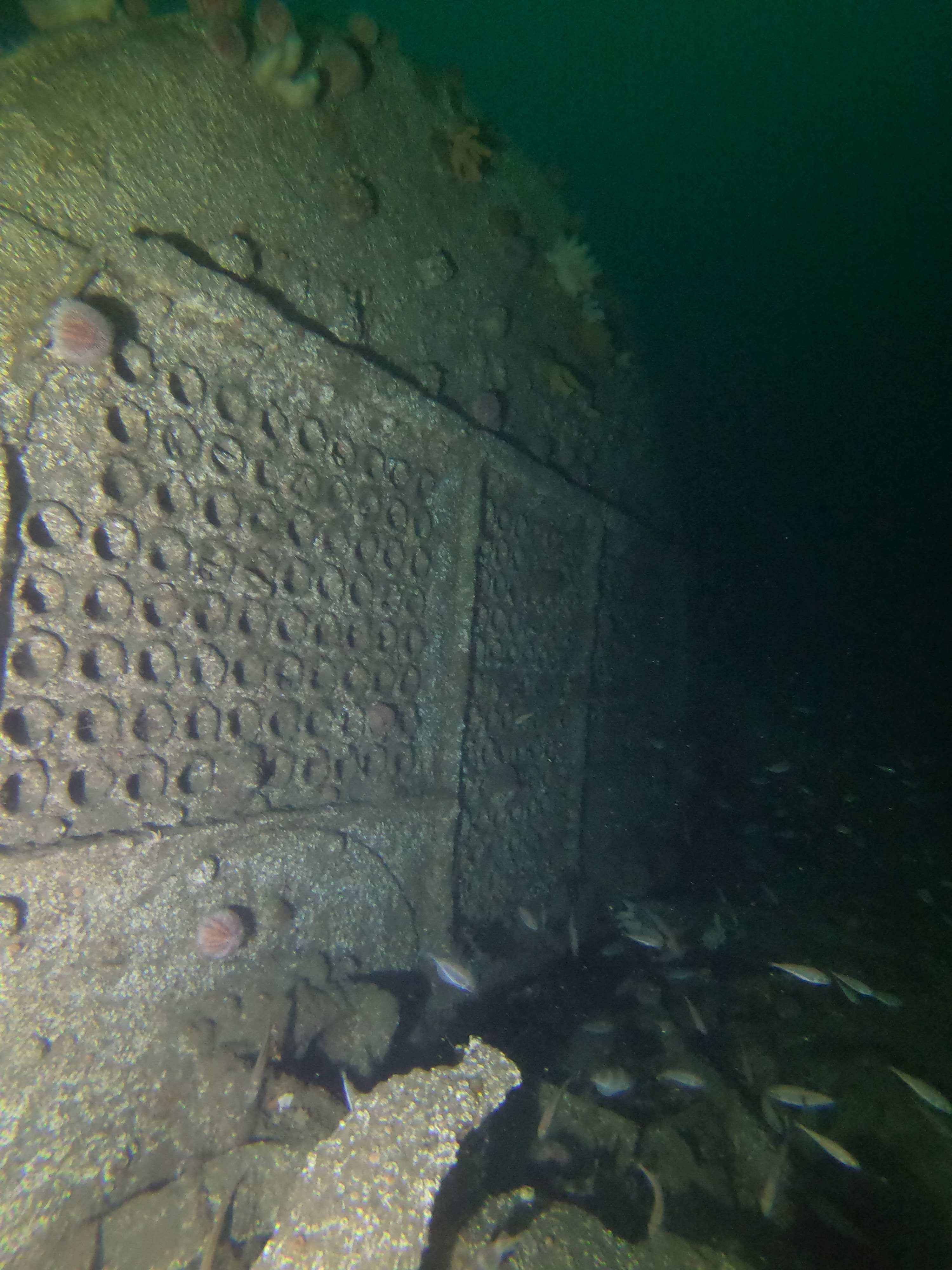
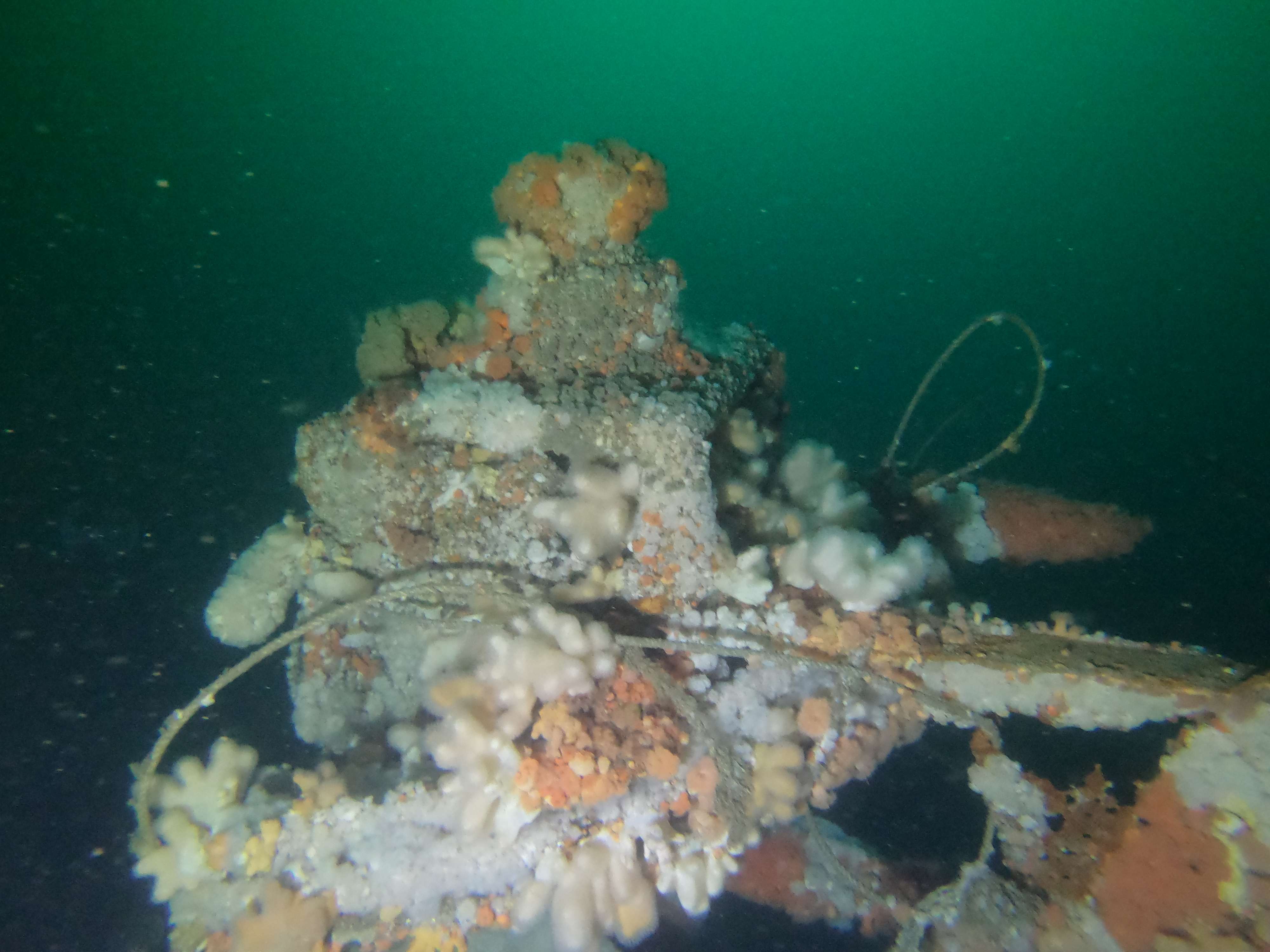
The wreck believed to be Parkhill lies in position 57° 43.520’N, 01° 45.840’W. She lies in 57 metres with a least depth clearance of 52 metres. The wreck, which is oriented 135/315 degrees, is well broken and in two main parts. The boiler, which is the highest point of the wreck, is still in tact and clearly visible.
We would like to thank Lloyd’s Register Foundation – Heritage & Education Centre for allowing us to reproduce documents from their archive in this article.