The steel steamship Queensbury was launched from the yard of Burntisland Shipbuilding Co Ltd (Yard No 162) on 25th August 1930. She measured 372.6′ x 52.3′ x 24.4′ and her tonnage was 3911 gross tons, 2425 net tons. She was powered by an inverted direct acting triple expansion steam engine by David Rowan and Co Ltd., Glasgow delivering 381 nominal horse power. Ordered by the Alexander Shipping Co Ltd (Capper Alexander and Co Managers) Glasgow she was registered in London later that year. She operated on various Transatlantic and European routes until the outbreak of World War Two.
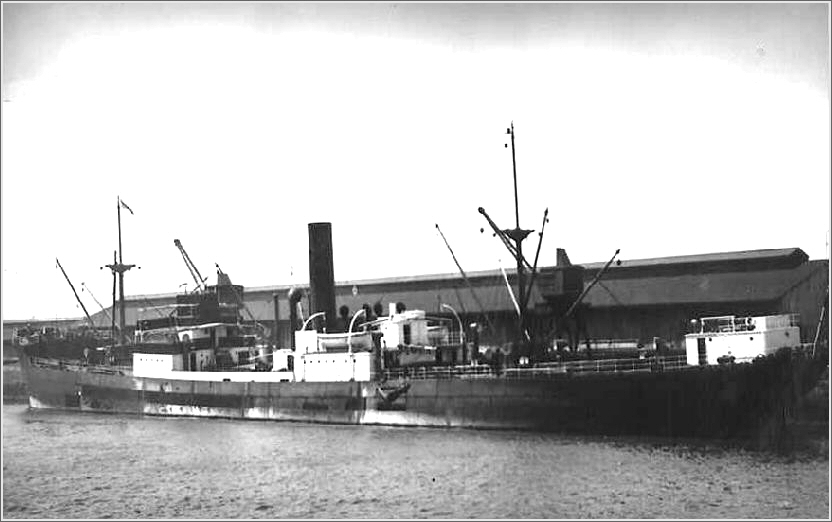
SS Queensbury alongside

Lloyd’s register 1939
With the start of the war she was pressed into convoy service and successfully completed a number of voyages to South America and Freetown on the African west coast. In early May 1941 she was back in Freetown departing for Oban on 10th May in convoy SL74 bound for Liverpool. She was under the command of Captain Alban Francis Cleary who had a crew of thirty seven aboard. As the convoy reached the Western Approaches the ships began to disperse to various ports. Queensbury headed for Oban on the Scottish west coast – a key convoy assembly location for the whole of the conflict – arriving there on 3rd June. Here she joined up with convoy WN136 bound for Methil. The convoy consisted of 35 vessels with a single escort. They departed the Firth of Lorne later that same day and steamed north through the Pentland Firth and then south down the Scottish east coast.
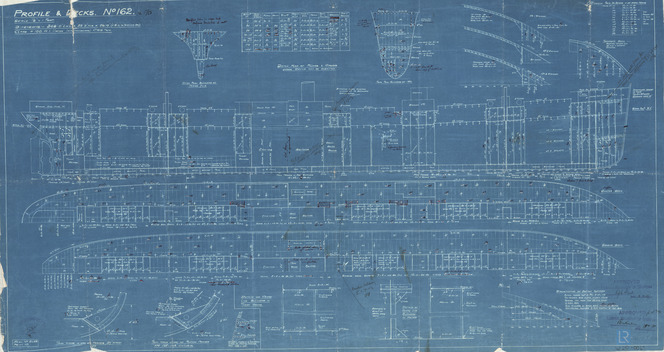
SS Queensbury profile plan
Just after midnight on 6th June the convoy had reached a position off the Angus coast 13 miles ExN Scurdy Ness when it was attacked by a group of German aircraft. In the attack another vessel, MV Taurus, was hit and fatally damaged by one aircraft. Queensbury too was hit and severely damaged as fire broke out and swept through the ship. Eleven men were killed in the explosion and subsequent fire. After the remaining crew disembarked, Queensbury capsized and drifted until, considered a navigation hazard, she was sunk by HMT Sturton. The survivors were picked up by two passing coasters and later transferred to the local lifeboat which, by 3:45am, had reached the scene.
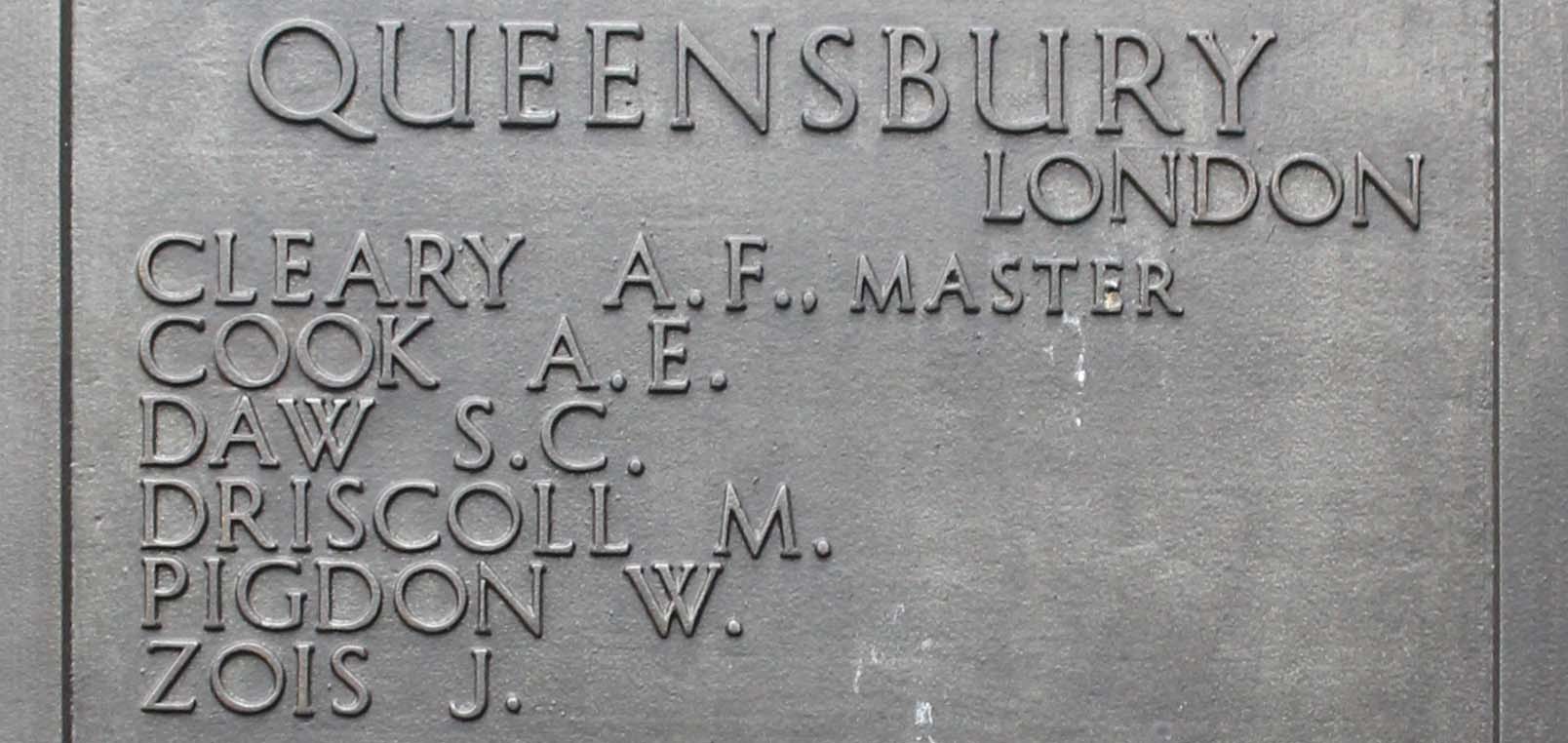
Tower Hill War memorial
The wrecks of Taurus and Queensbury lie close to each other and, for many years, were confused in Hydrographic records but exploration by local divers revealed to true identities of both wrecks. The wreck believed to be Queensbury lies in position 56° 46.333’N, 02° 08.326’W. She lies in 59 metres with a least depth clearance of 49 metres oriented 130/310 degrees. We are not aware that anything has been recovered from the wreck that absolutely confirms her identity but the location and dimensions of the wreck make this almost certain.
We’d like to thanks Lloyd’s Register Foundation for their permission to use documents from their archive in this article.