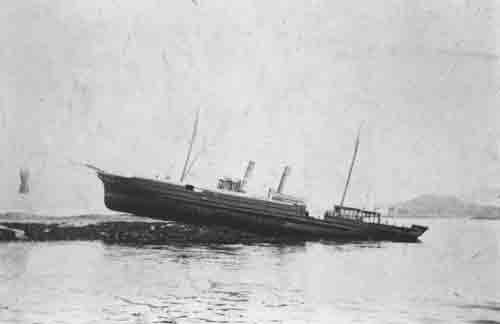
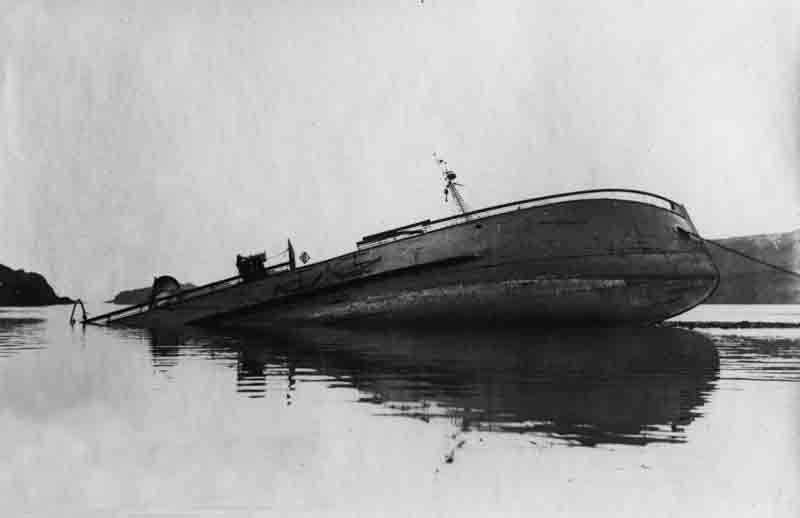
The steel motor tanker British Pluck was launched from the Neptune yard of Swan Hunter and Wigham Richardson Ltd, Low Walker (Yard No 1254) on 4th April 1928. She measured 230.0′ x 32.7′ x 13.8′ and her tonnage was 1025 gross tons, 514 net tons. She was powered by a 2SCSA diesel engine by the builders delivering 1430 brake horse power. She was ordered by the British Tanker Co Ltd., London and was delivered to them on 8th August 1928. In 1936 management of the tanker transferred to Shell-Mex and BP Ltd. At this stage she was renamed Shelbrit I.
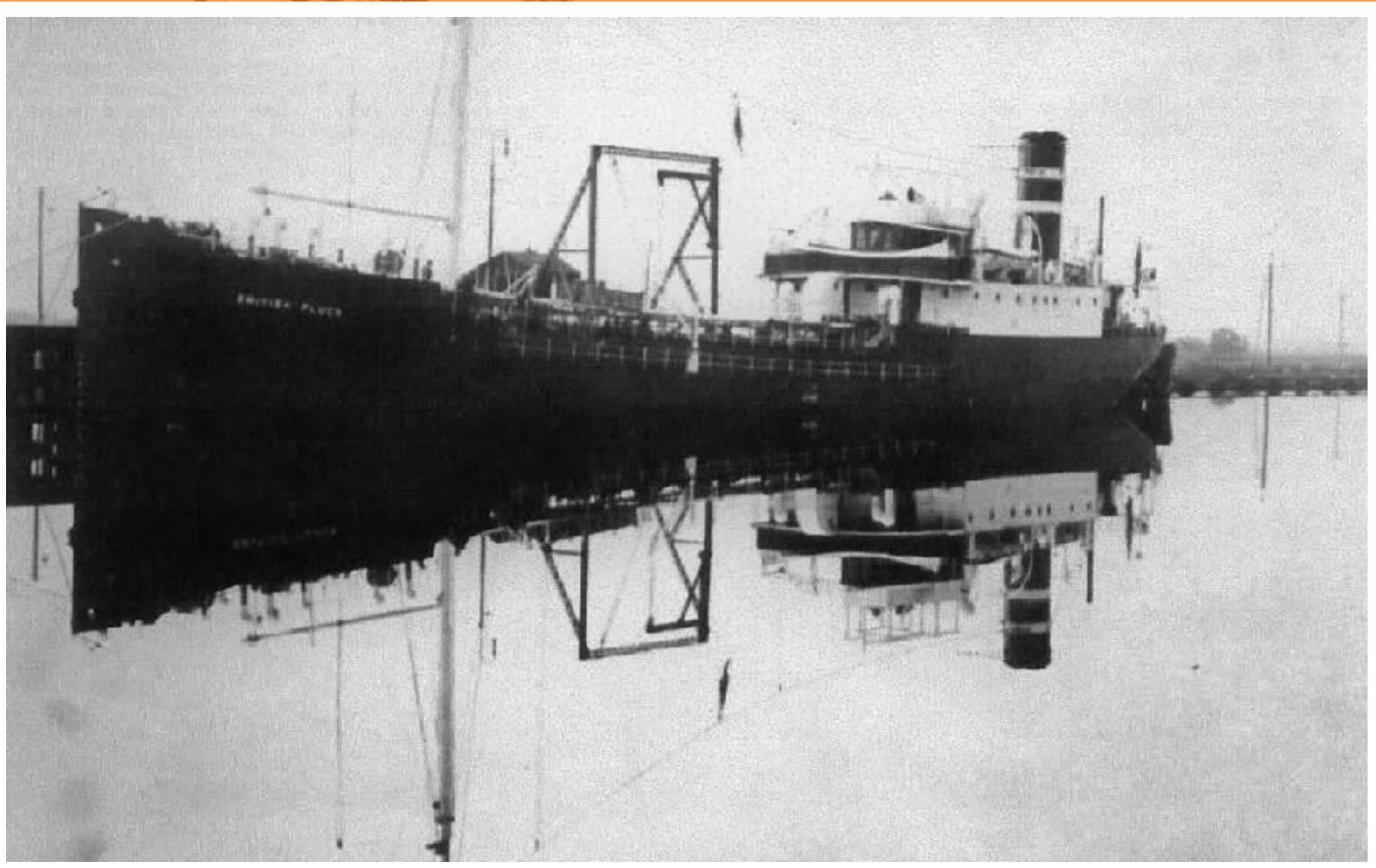
MV British Pluck under way

Lloyd’s register 1939
On 17th September 1940 Shelbrit I was en route from Grangemouth to Inverness with a cargo of 300 tons of pool sprit and 700 tons of aviation spirit. She was under the command of Captain William Martin who had a crew of nineteen men and a naval gunner aboard. They travelled north in a small coastal convoy then, off Rattray Head, Shelbrit I and another vessel SS Southwick, broke off a headed west along the Moray coast. Off Cromarty Firth Shelbrit slowed to allow the examination vessel Craik to pull alongside. Soon after the crew had answered a few questions Shelbrit moved ahead and almost immediately, in a position later reported as 57° 40′ 11″ N, 03° 57′ 30″ W, she was engulfed in a huge explosion, caught fire and sank quickly with the loss of all of the men aboard. The fuel floating on the surface burned for hours after the ship had gone down.
The subsequent naval enquiry heard confusing accounts of what had happened and, as a result, the true cause of the explosion was never absolutely confirmed. The crews of two vessels, Enid and Southwick, both some sixteen miles from the scene reported airplane engine noises prior to the explosion but intelligence from the RAF more or less discounted the possibility of an aerial attack. The men aboard the two vessels believed that they may have been dropping magnetic mines off Cromarty. A more likely explanation was that Shelbrit had hit a mine laid earlier by a German U-boat. The area off Cromarty Firth and the Invergordon naval base was certainly a favourite site for German mines. Indeed HMT Marsona had been sunk close by when she struck a mine during minesweeping operations only a month earlier. However, despite the conclusion of the enquiry that she had likely hit a floating mine, there were dissenting opinions stating that the nature of the explosion made it uncertain that this was the case. In any case, Shelbrit was lost with all of her crew in the huge explosion that occurred. Two vessels raced to the scene, Craik and Ebor Abbey, but only a single body was recovered.
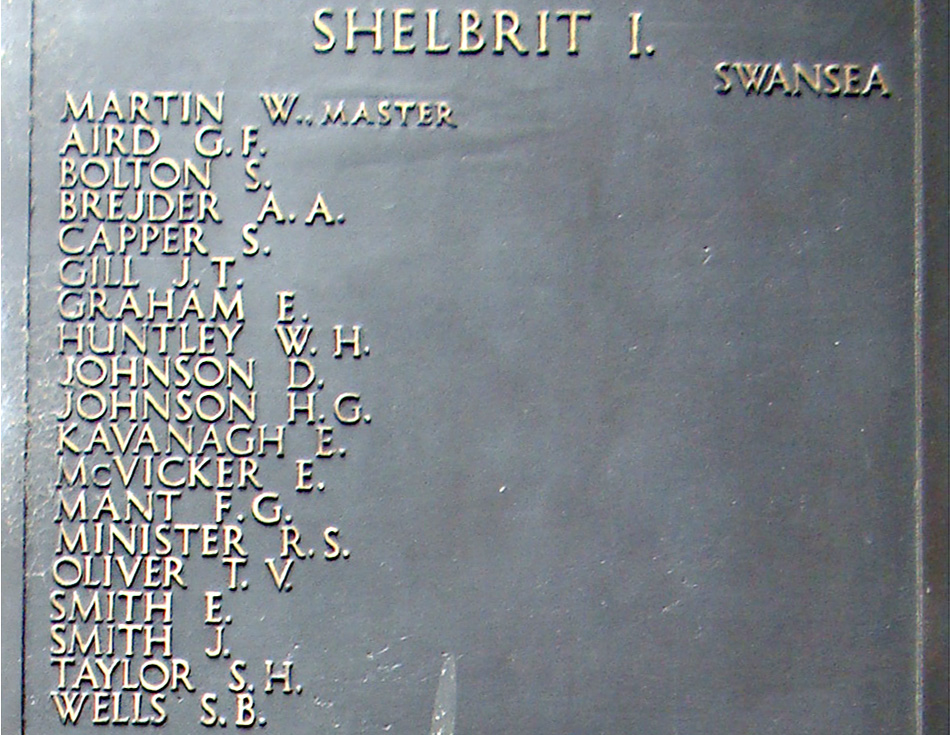
Tower Hill War Memorial
The wreck itself has also been the subject of a degree of mystery over the subsequent years. The wreck was buoyed immediately after she went down in a position described as 108 degrees, 2.6 miles from Cromarty Light. In 1951 the buoy was reported to be removed. We have no details of any salvage but it seems likely that, due to her position close to the entrance to Cromarty Firth, she would have been dispersed by explosives at some point. After this the position was lost but the wreck has been explored by local divers. The ship’s bell, presumably recovered by divers, is in the collection at Inverness museum The bow section of the wreck lies in position 57° 39.969’N, 03° 57.001’W. The location of stern section is unknown.
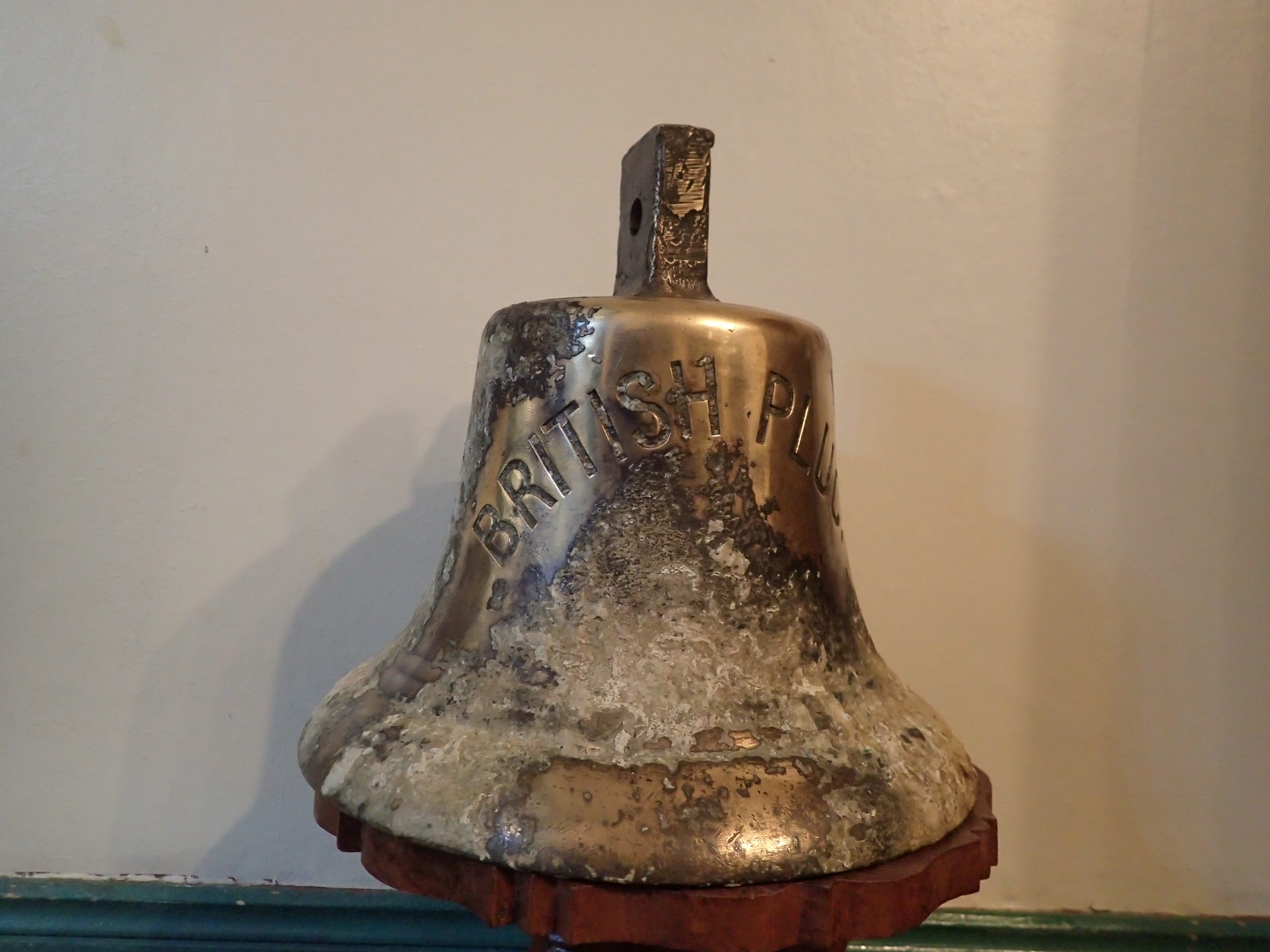
Ship’s bell recovered. (Inverness museum)
We’d like to acknowledge the contribution of Simon Cook in the preparation of this article.