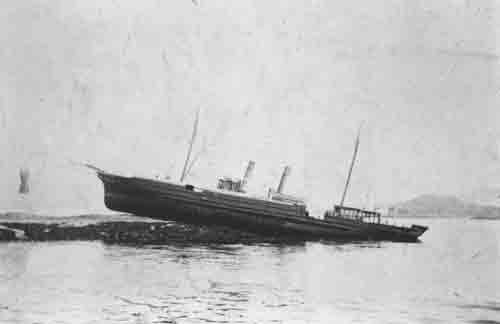
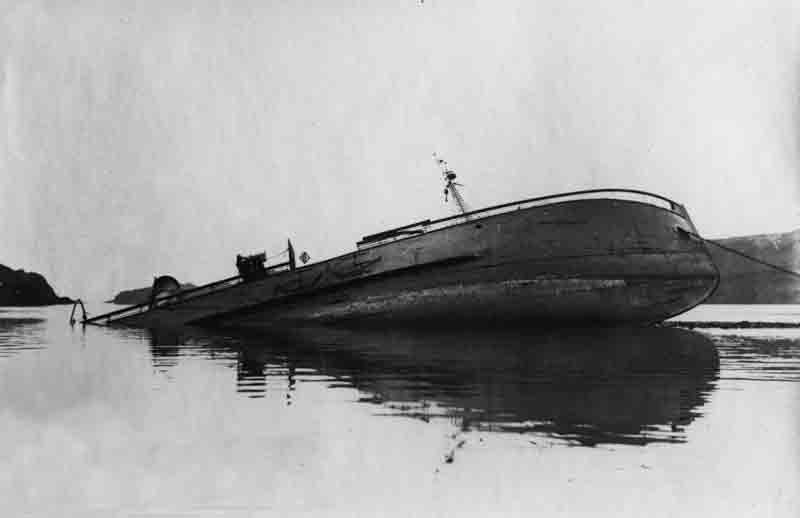
UC-41, a German Type UCII minelaying submarine, was ordered by the German Navy on 20th November 1915 from the yard of AG Vulcan in Hamburg. She was launched on 13th September 1916 and commissioned one moth later on 11th October 1916. She measured 49.5 x 5.2 x 3.7 metres and her tonnage was 400 displacement tons on the surface and 480 displacement tons submerged. Powered by 2 six cylinder diesel engines delivering 510 shaft horse power on the surface and 2 electric engines delivering 450 shaft horse power she had a top speed of nearly 12 knots on the surface and 7 knots submerged. She was destined to be a very successful boat with 16 allied ships sunk, mainly off the Scottish east coast, while she was under the command of Kapitanlieutnant Kurt Bernis and her final victim, HMT Sophron, sunk when she struck a mine on 22nd August 1917 while sweeping for mines laid by UC-41 prior to the submarine’s loss the previous day.
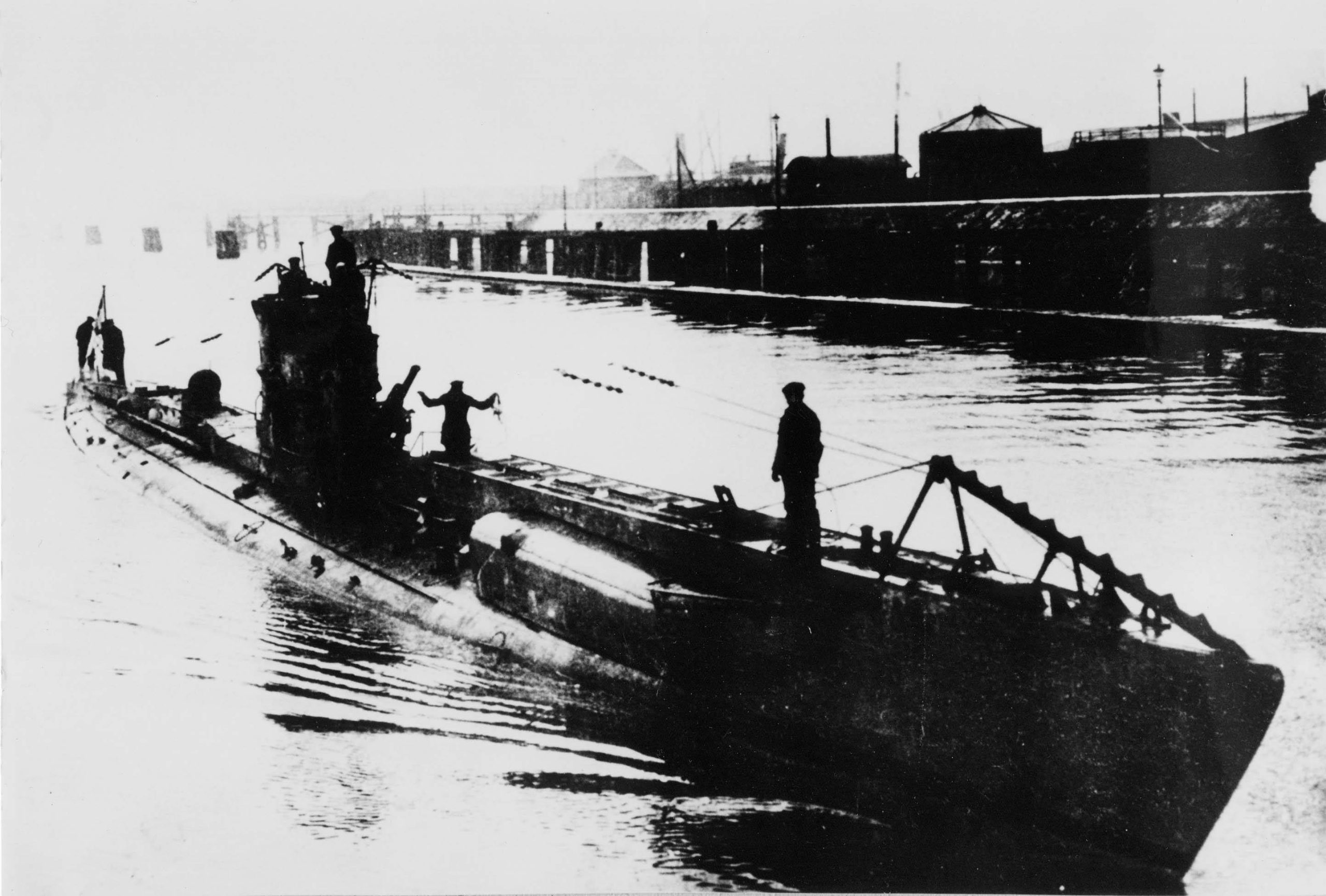
Sister ship UC-47
Oberlieutnant Zur-See Hans Forste had taken command of UC-41 on 5th August. On 18th August UC-41 departed from Zeebrugge on a sortie to lay mines off the River Tay. She arrived off the Tay on 21st August and immediately began laying her deadly cargo of floating mines. It is not known exactly what happened but, at 16.50, a huge explosion erupted a few miles off the Tay estuary. Two British minesweepers, Jacinth and Thomas Young, raced to the scene where they spotted oil leaking to the surface. As they approached with minesweeping gear deployed, a German mine floated to the surface confirming the presence of an enemy submarine nearby. Both vessels launched depth charges around the oil spill and a further huge explosion followed resulting in more oil and debris floating to the surface. The twenty seven crewmen, including Oberlieutnant Forste, were lost in the incident. As a result it is not certain what exactly happened. It is possible that UC-41 ran into one of her own mines while trying to avoid the minesweepers operating in the vicinity or, perhaps more likely, a explosion caused by a malfunction of the minelaying equipment on the submarine. This would not have been an unusual occurrence.
Over the following few days the wreck was visited by team of Royal Navy divers who reported large holes in the forward section of the submarine’s hull and, more dramatically a complete split 12 metres behind the conning tower. Mines were still visible in some of the minelaying chutes. At some point the deck gun was removed and brought to the surface appearing in the Sunday Post newspaper on Sunday 9th March 1919.
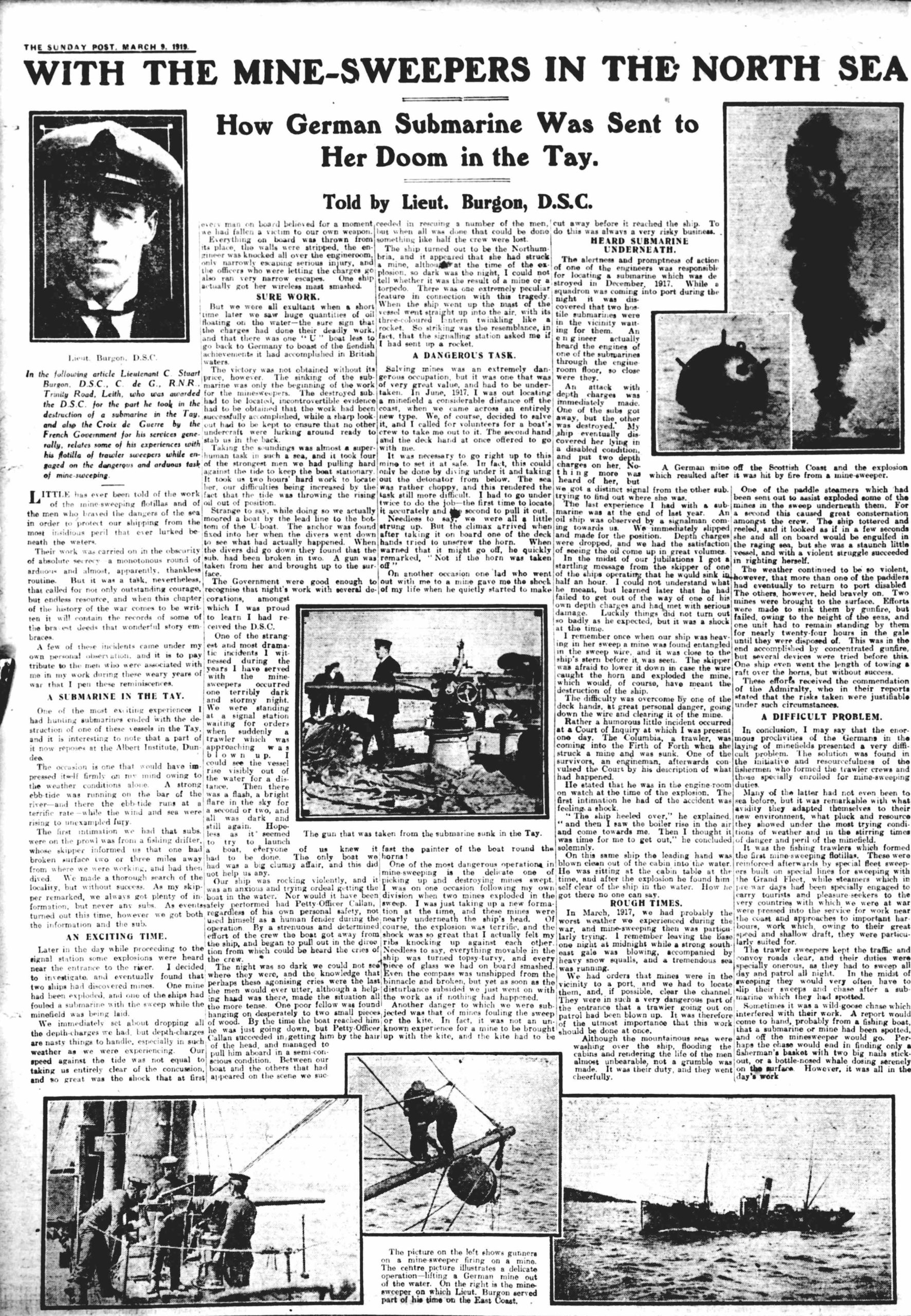
Sunday Post 9th March 1919
The wreckage of UC-41 is reported broken and spread over a wide area with two main sections in position 56° 25.788’N, 002° 36.382’W. The two main sections are 18 metres and 23 metres long respectively lying in 22 metres with a least depth clearance of 20 metres. The wreck has been a popular dive site for local divers and a number of interesting artefacts have been recovered from the site.
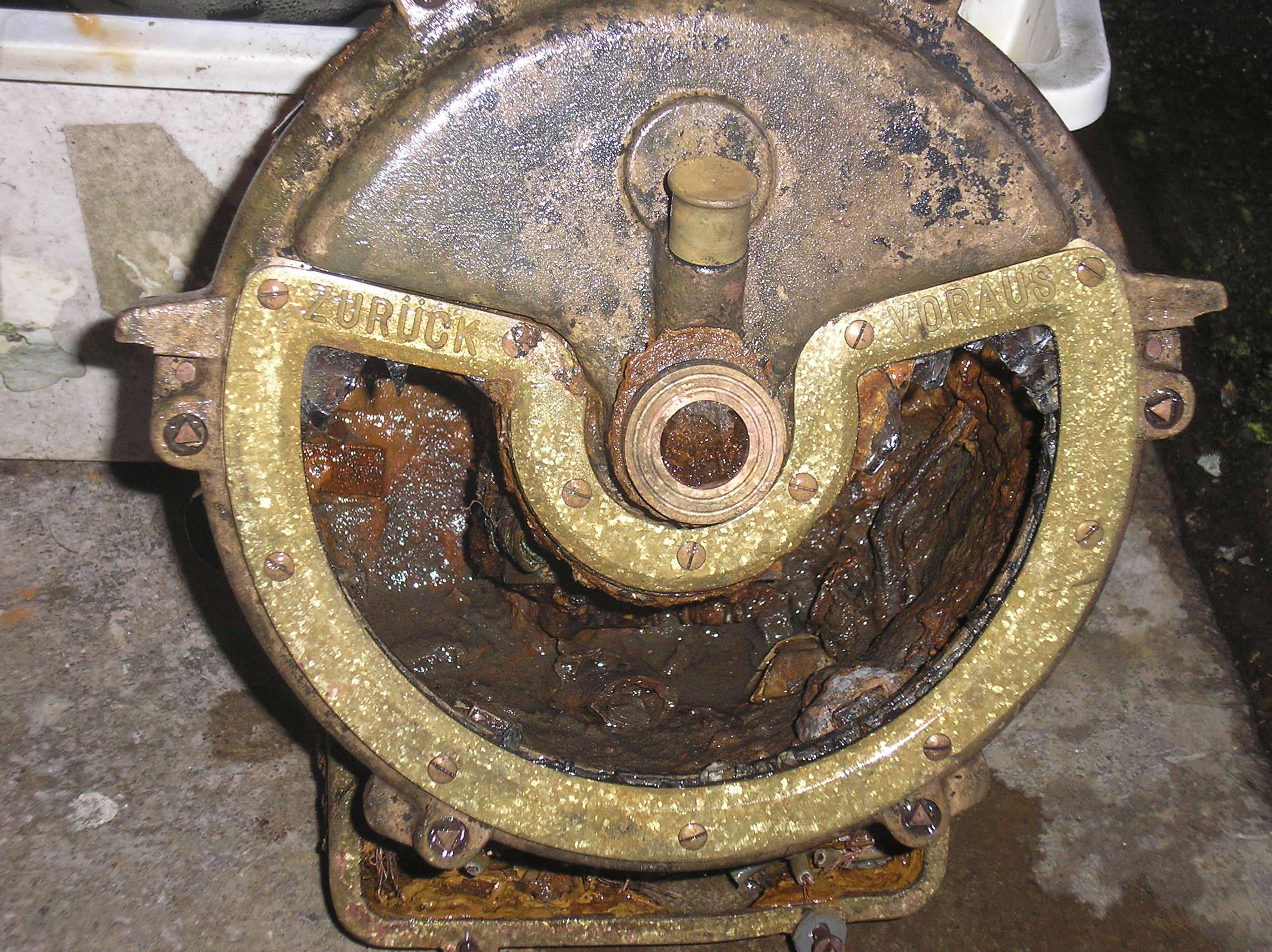
Artefact recovered from wreck site. Appears to be telegraph head.