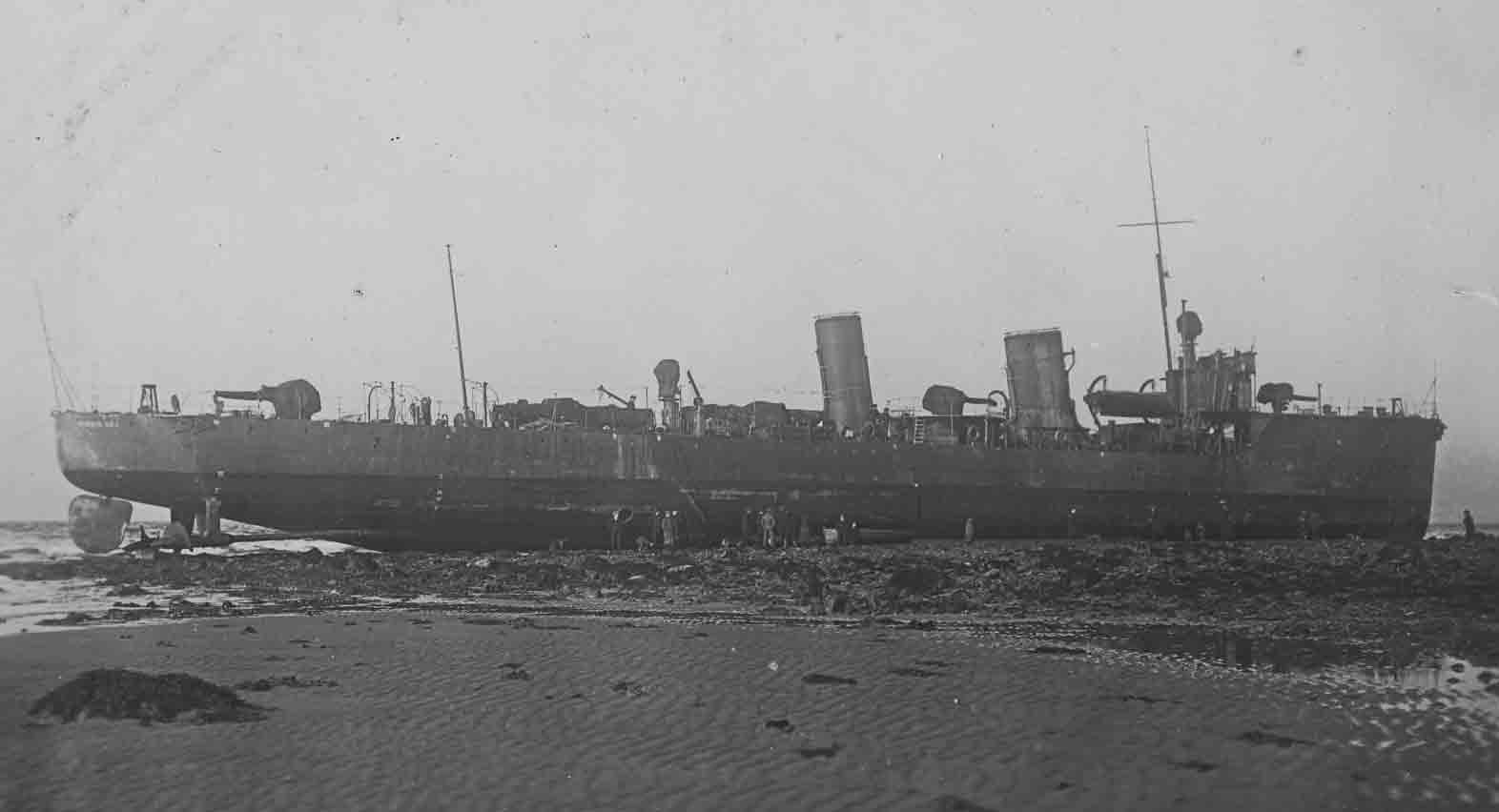
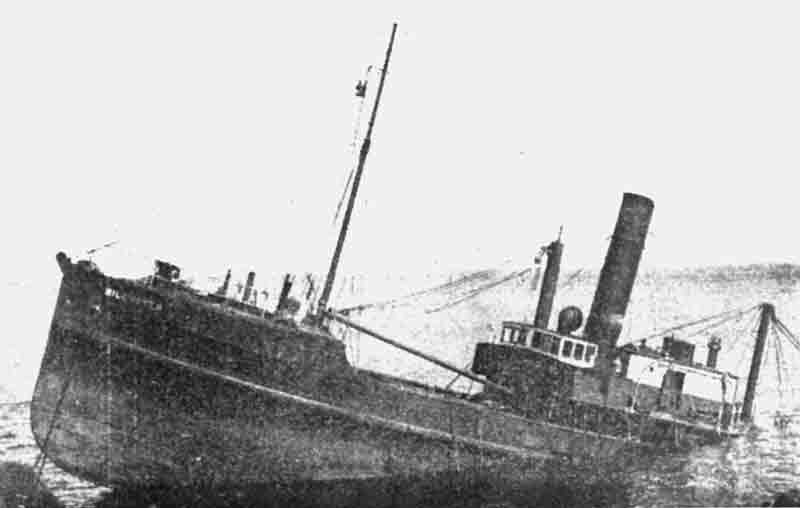
The steel steam powered V-25 Class torpedo boat V-81 was launched from the yard of A G Vulcan, Hamburg (Yard No 384) on 27th May 1916. She measured 82 x 8.32 x 3.4 metres and displaced 1188 tons. At the start of World War One the German Navy had 132 similar destroyers and torpedo boats and a further 112 were completed and delivered during the war. The specifications of the V-25 class varied slightly by shipyard but they had a similar configuration, armament and capability. V-81 was one of 109 vessels constructed by A G Vulcan and one of 71 V-25 class vessels built at yards all around Germany. Her powerful engines delivered 24000 shaft horse power driving twin propellers capable of a top speed of 36 knots. She was armed with 3 x 3.4 inch guns and 6 x 20 inch torpedo tubes and had a standard crew of 87 seamen.
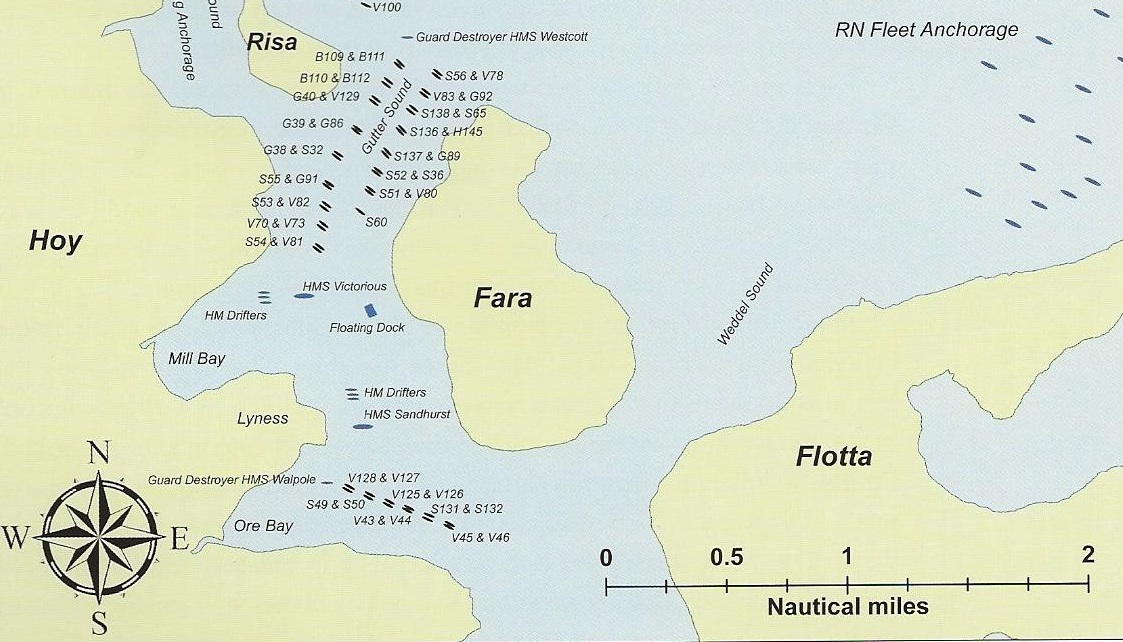
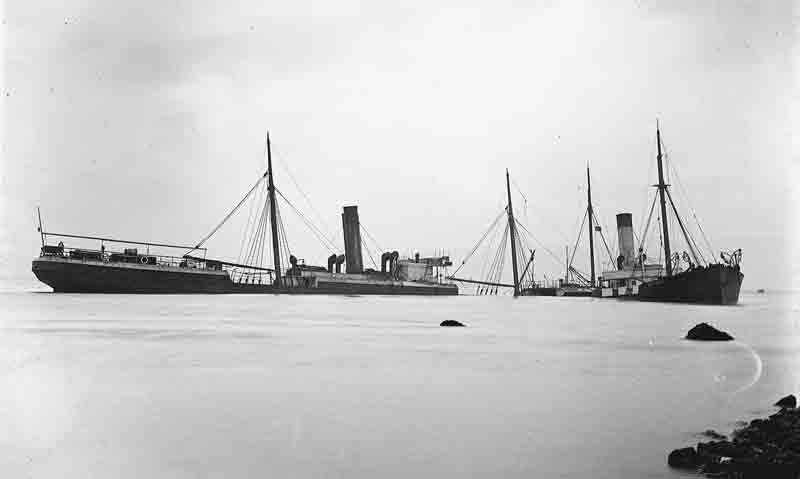
Destroyer fleet anchorage in Scapa Flow
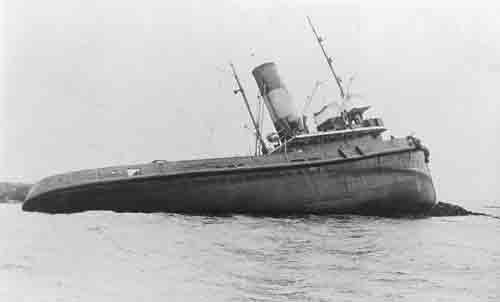
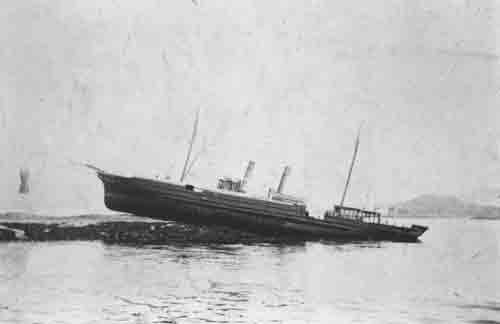
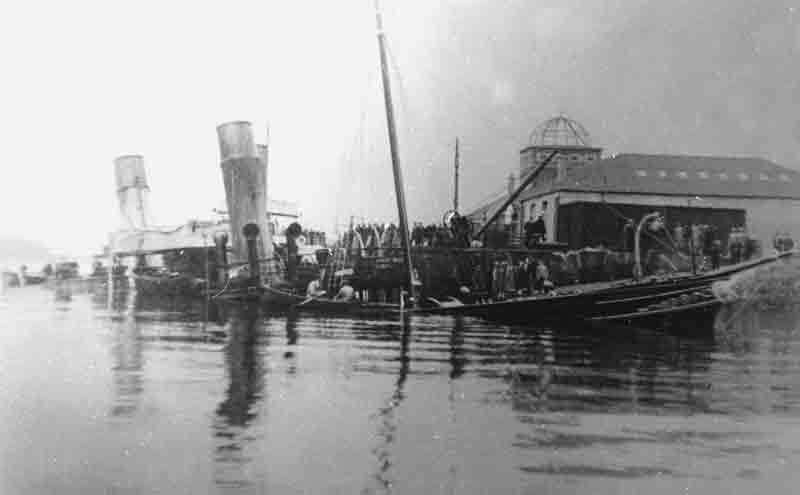
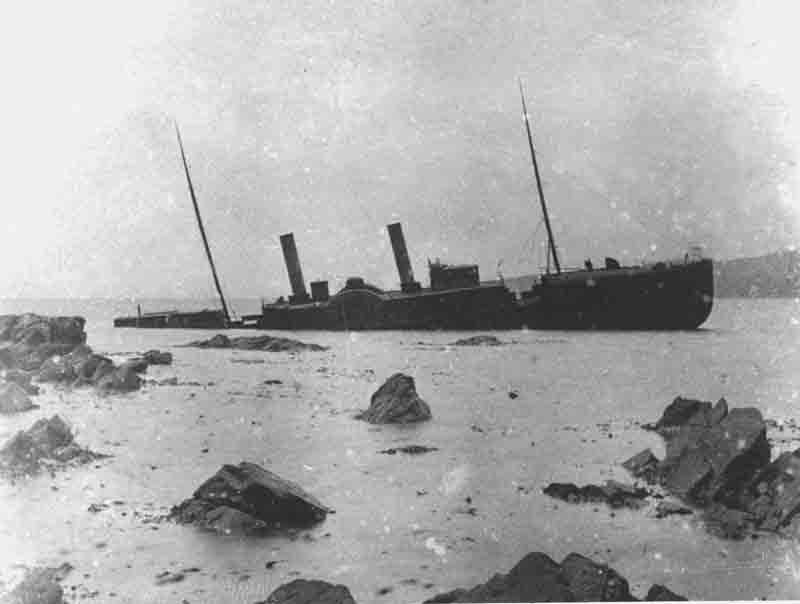
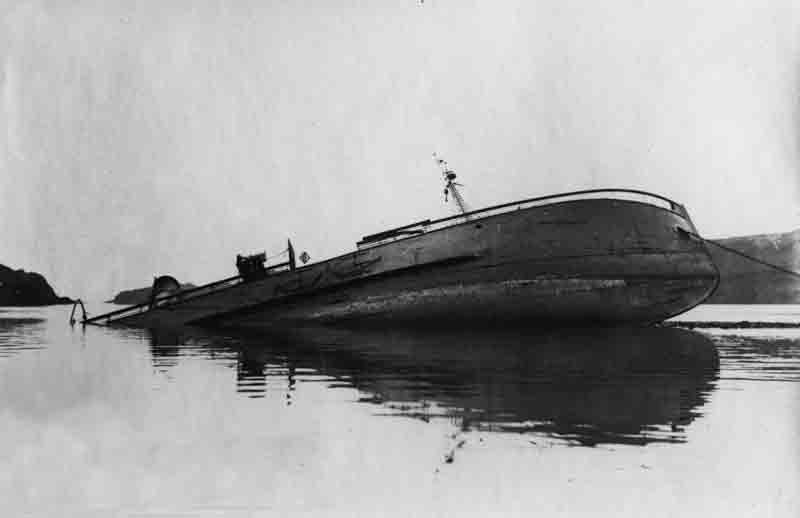
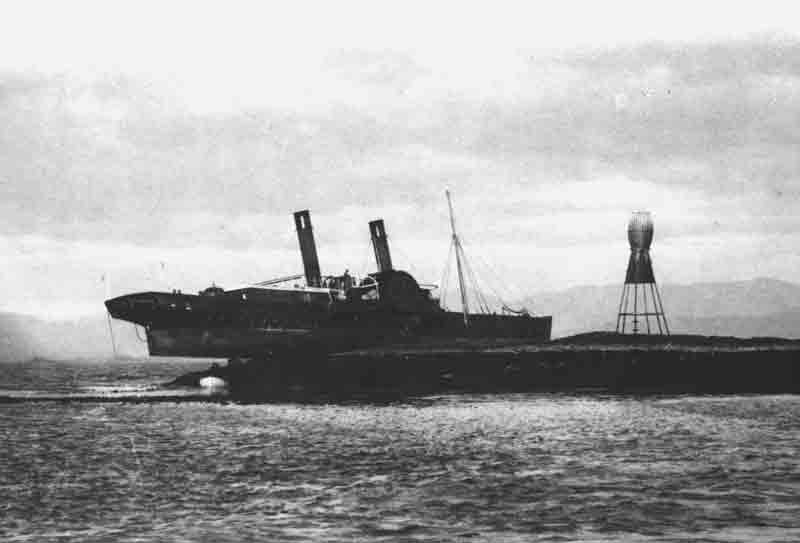
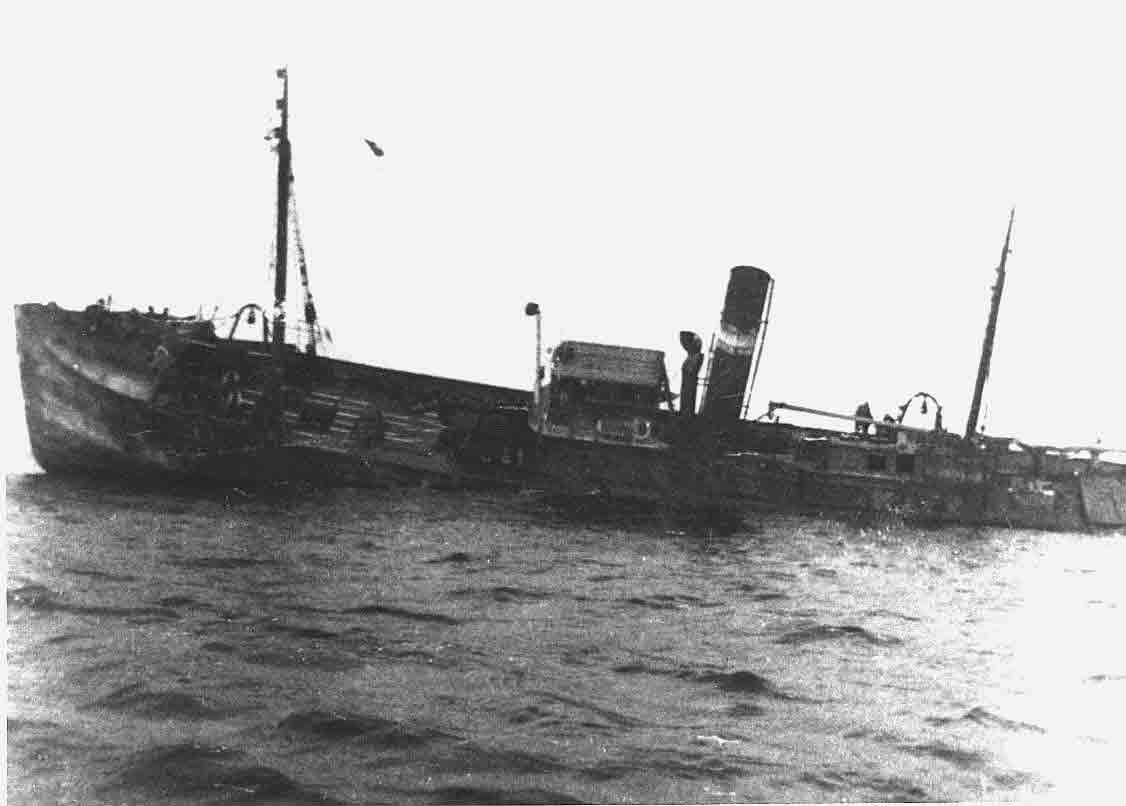
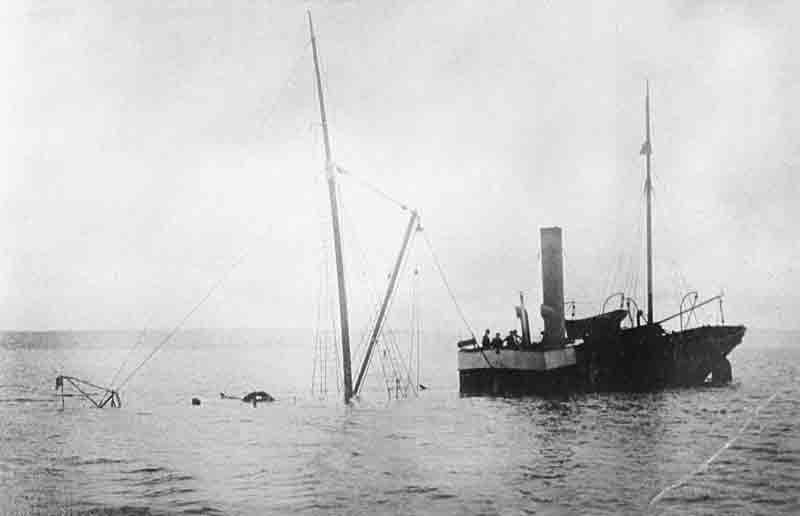
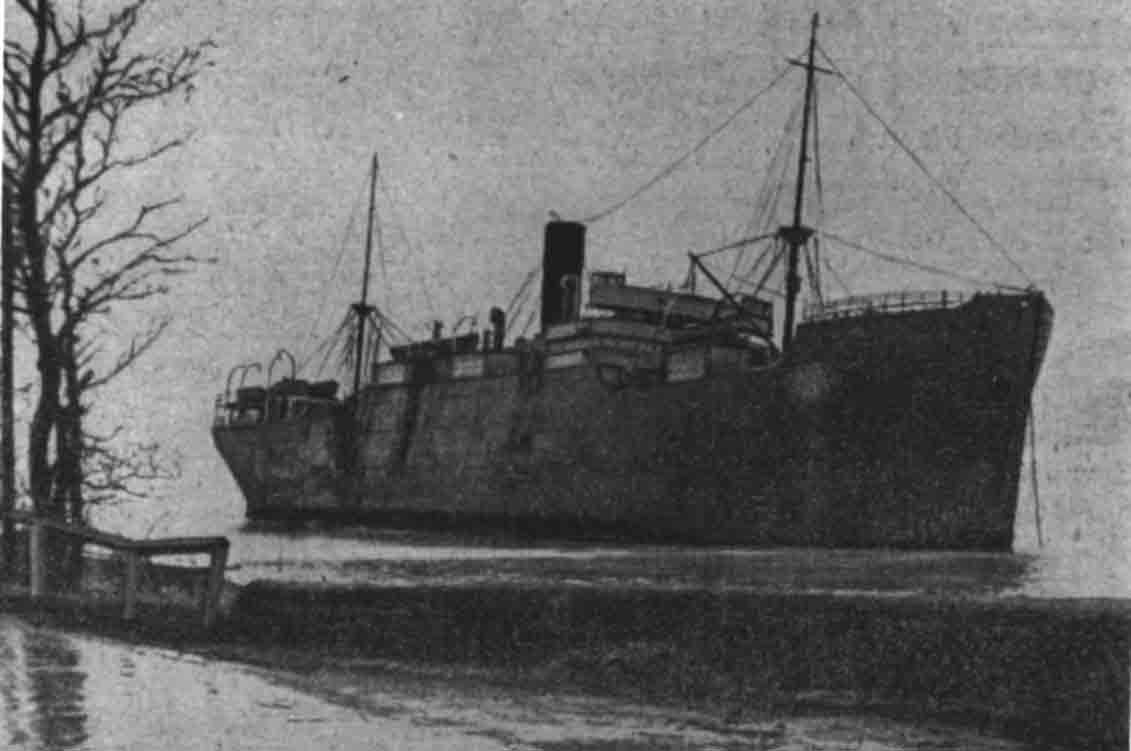
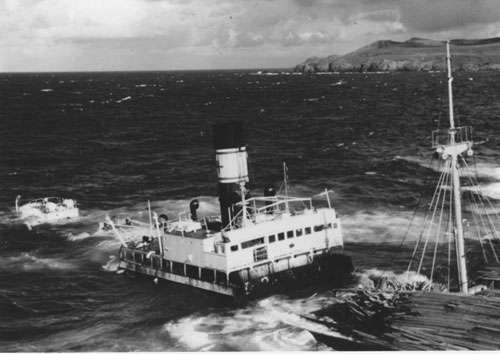
On 22nd November 1918 V-81 joined 73 other warships of the German High Seas Fleet interned in the sheltered anchorage of Scapa Flow Orkney. She was anchored in Gutter Sound to the east of the island of Fara paired with the destroyer s-54. Seven months later, on 20th June 1919, Von Reuter’s flagship, SMS Emden, raised an unusual signal – the top flag was a white ball on a blue pennant, the lower one a yellow and blue pennant – the signal was answered by all the ships in the interned fleet. The signal aroused no suspicion and the next day, June 21st, the British First Battle Squadron and its escorting destroyers left Scapa on an exercise. The first signs that something was happening started to appear just before noon. Around the anchorage German sailors were lowering boats and leaving their ships. Reuter had ordered his fleet to be scuttled rather than let it fall into the hands of the Allied Navies. Attempts by the the British sailors remaining in Scapa Flow to stop the German vessels sinking were mainly unsuccessful but a few of the destroyers were beached or sank in very shallow water. V-81 was one of these.
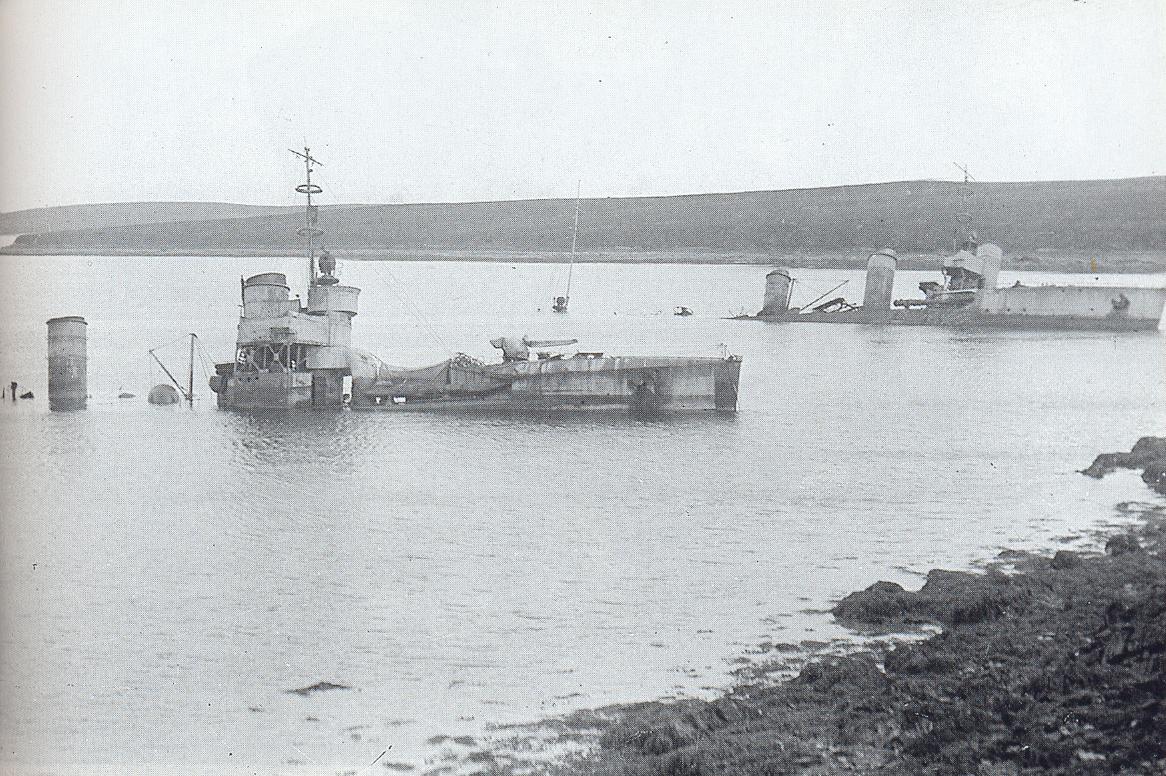
Beached destroyers in Mill Bay
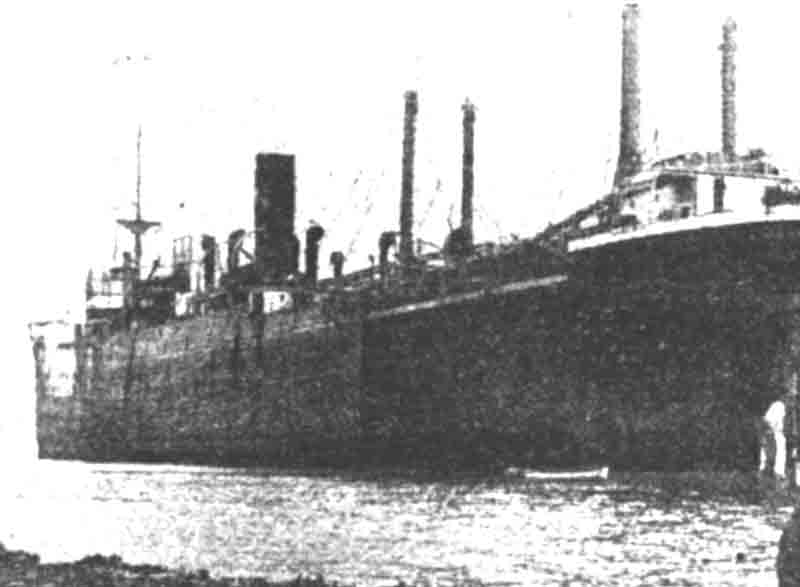
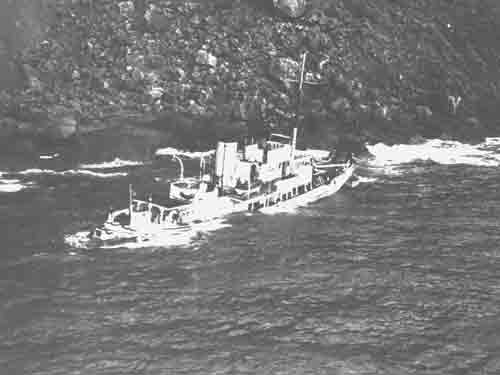
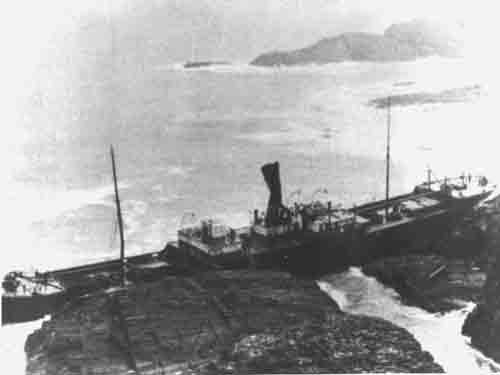
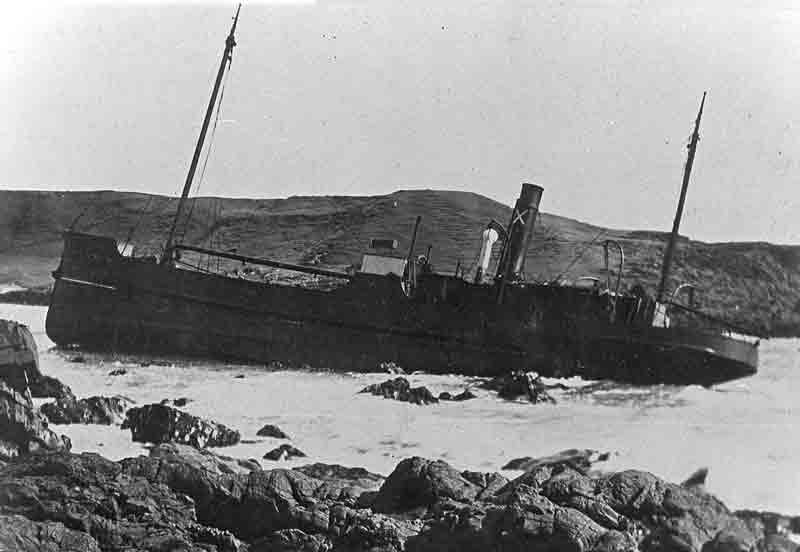
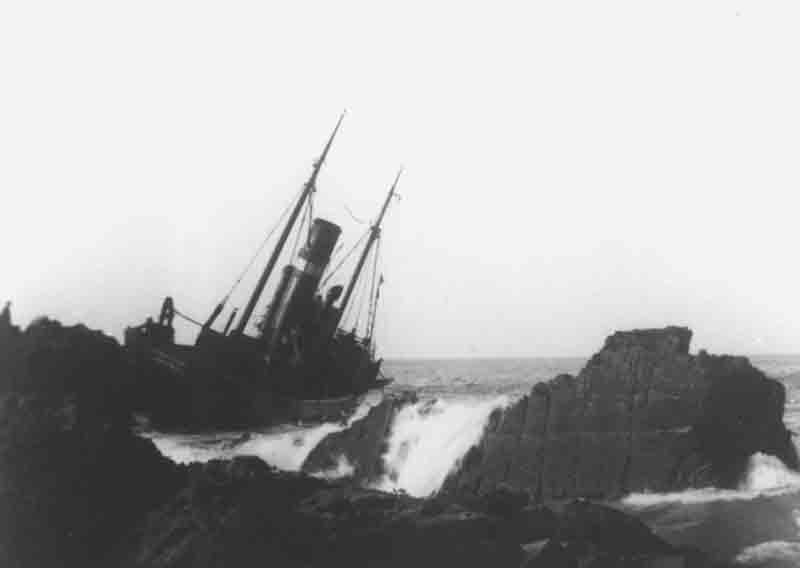
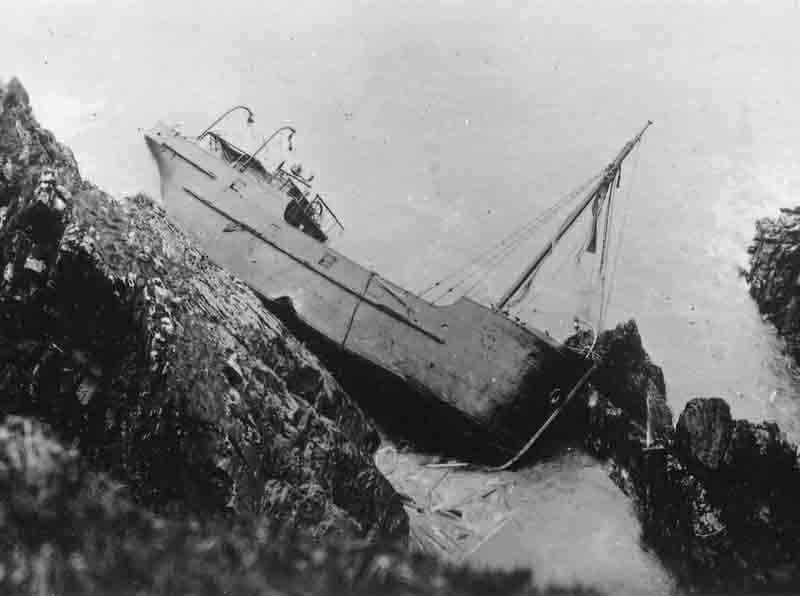
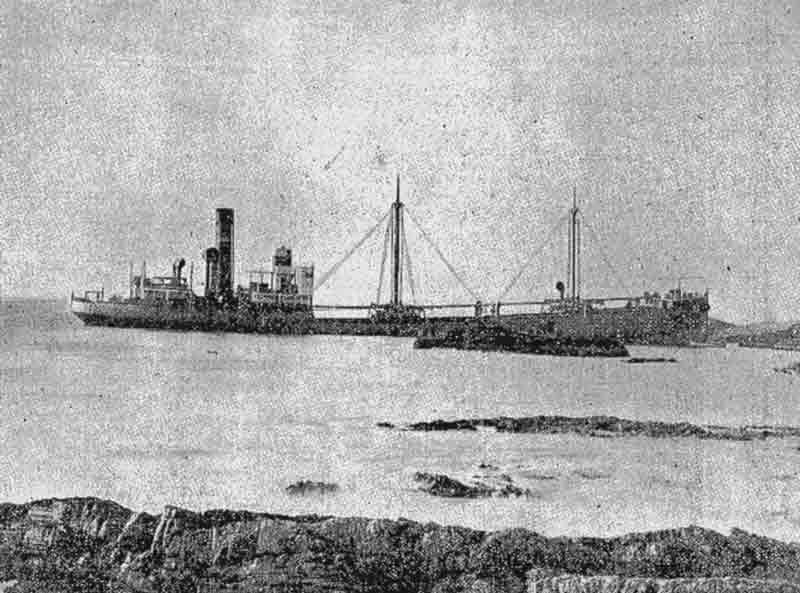
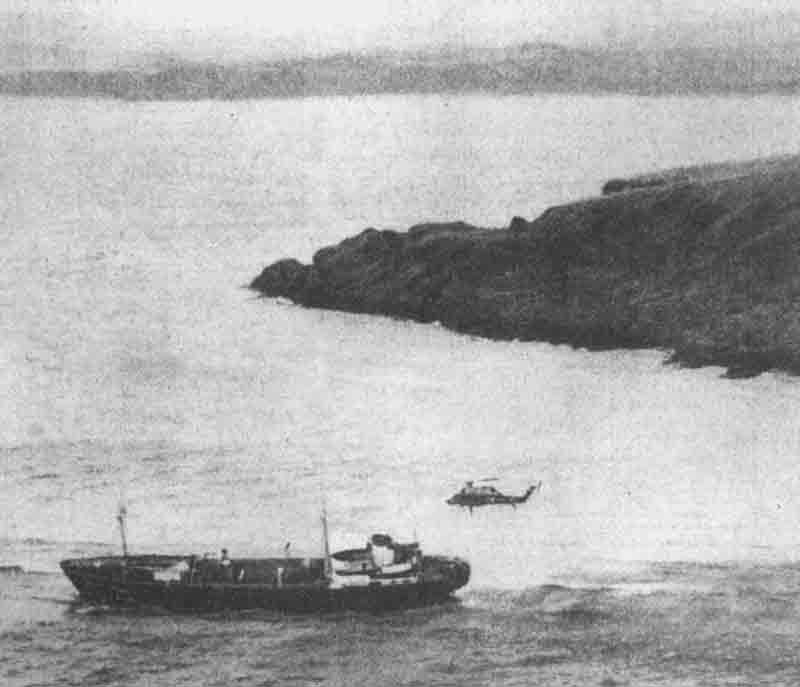
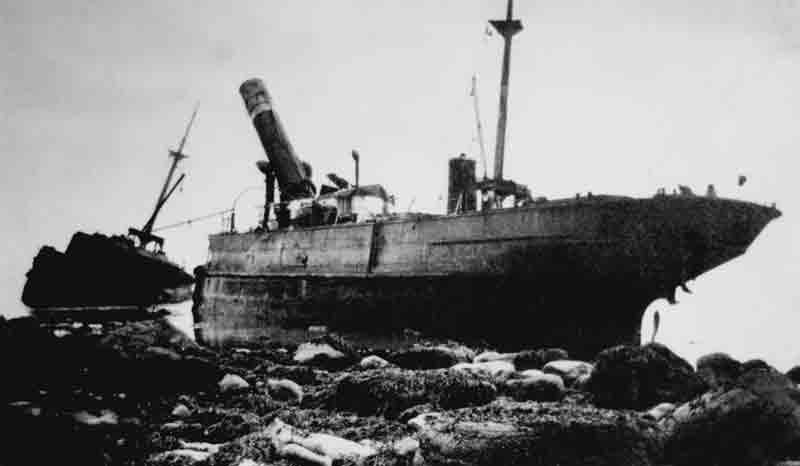
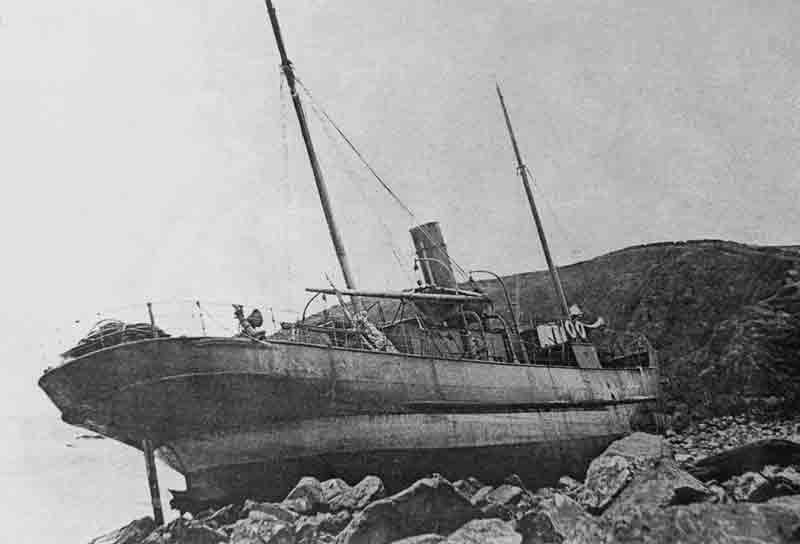
The largest ever underwater salvage operation began in 1922 eventually removing all but seven of the vessels scuttled. The salvage began with the smaller destroyers before moving on the the larger capital ships. V-81, beached during the scuttle, became one of the easier vessels to be recovered. She was raised by Cox and Danks in 1922, still in tact, and was patched up to be towed south the the breaker’s yard in Rosyth. When the two vessels reached a position off Noss Head the tow line snapped in rough weather and V-81 drifted helplessly towards the shore. She went aground just south of Buchollie Caste, Freswick. We have no record of subsequent salvage but it is certain that this took place, probably by Cox and Danks themselves.

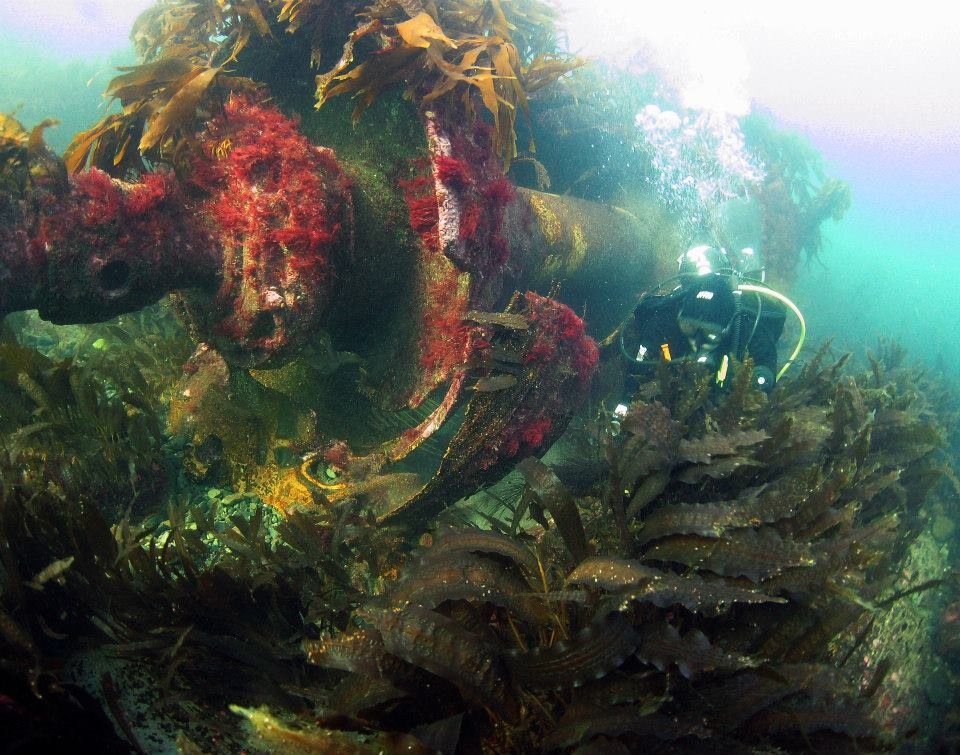
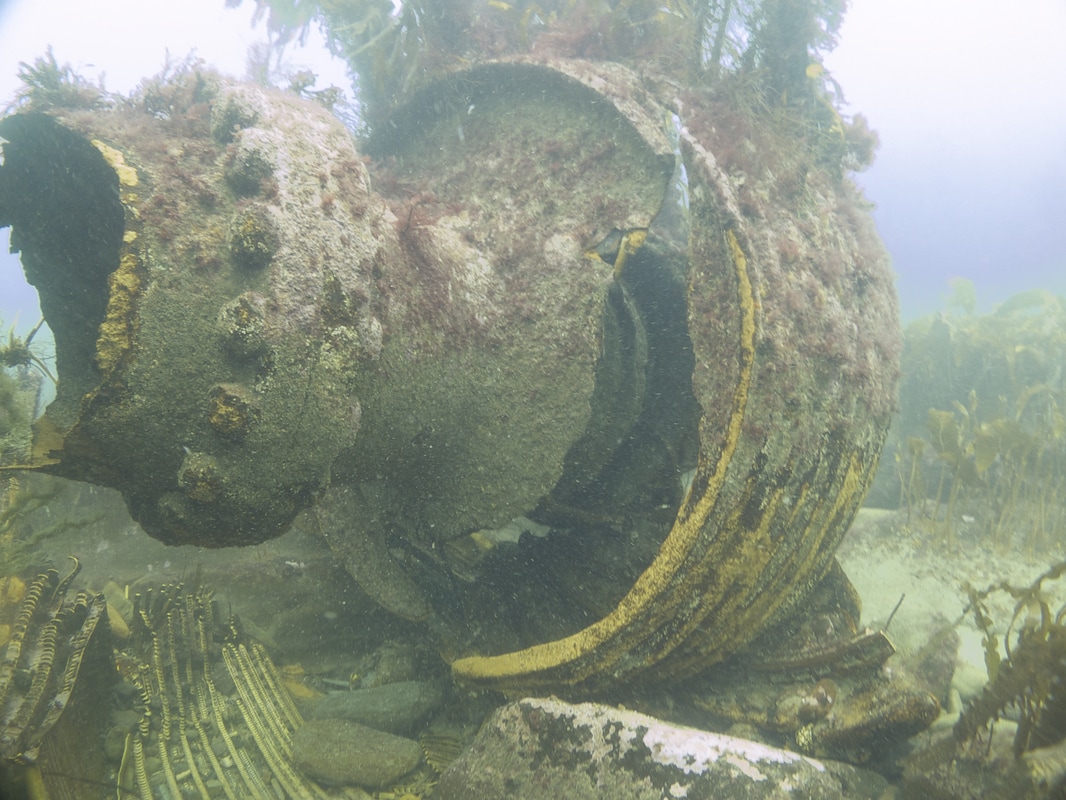
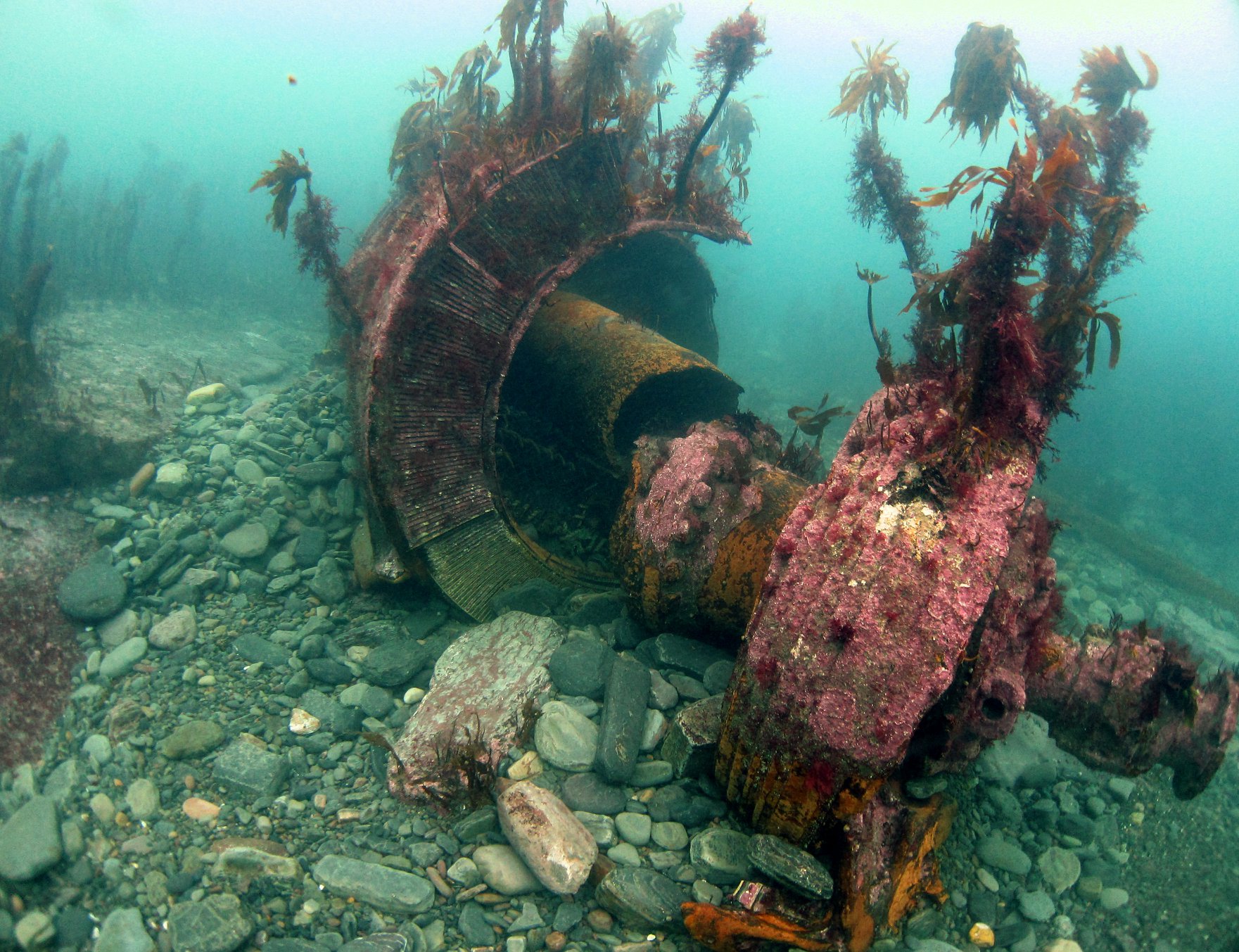
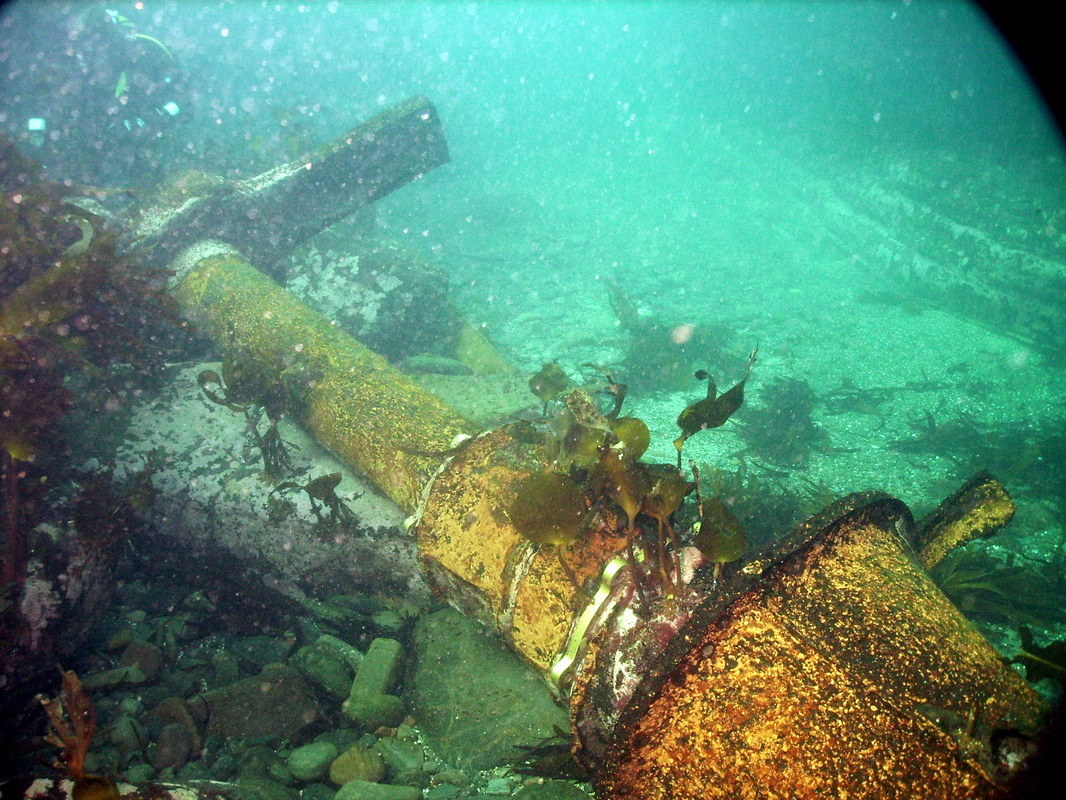
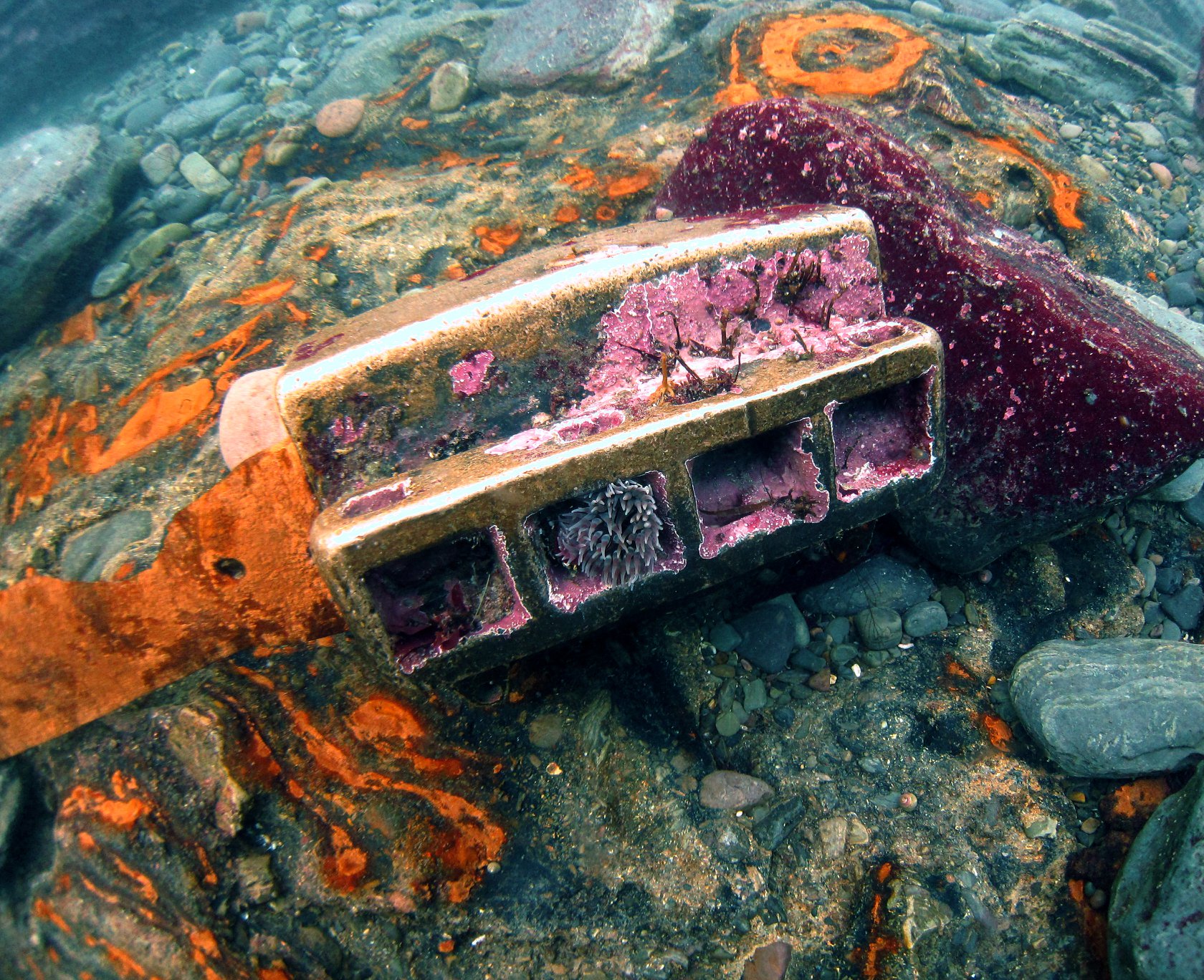
We would like to thank the website Hellsmouth.com for allowing us to reproduce their underwater photographs of this wreck.