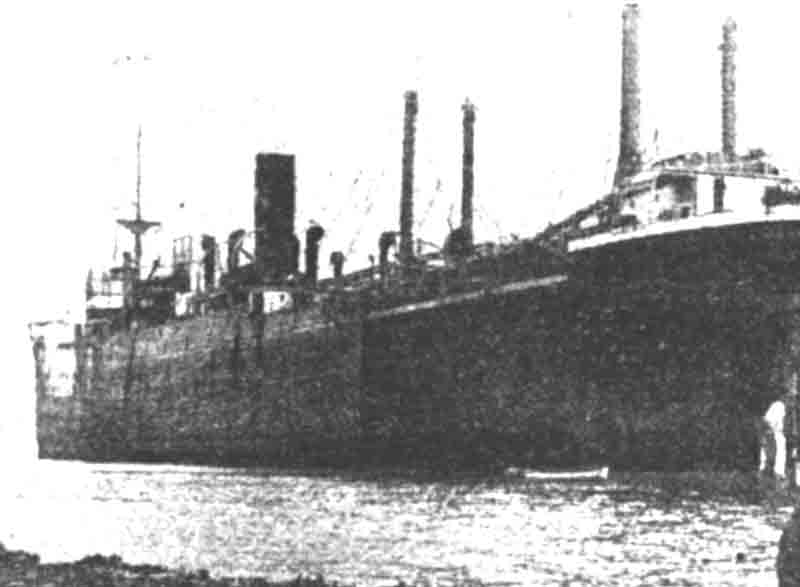
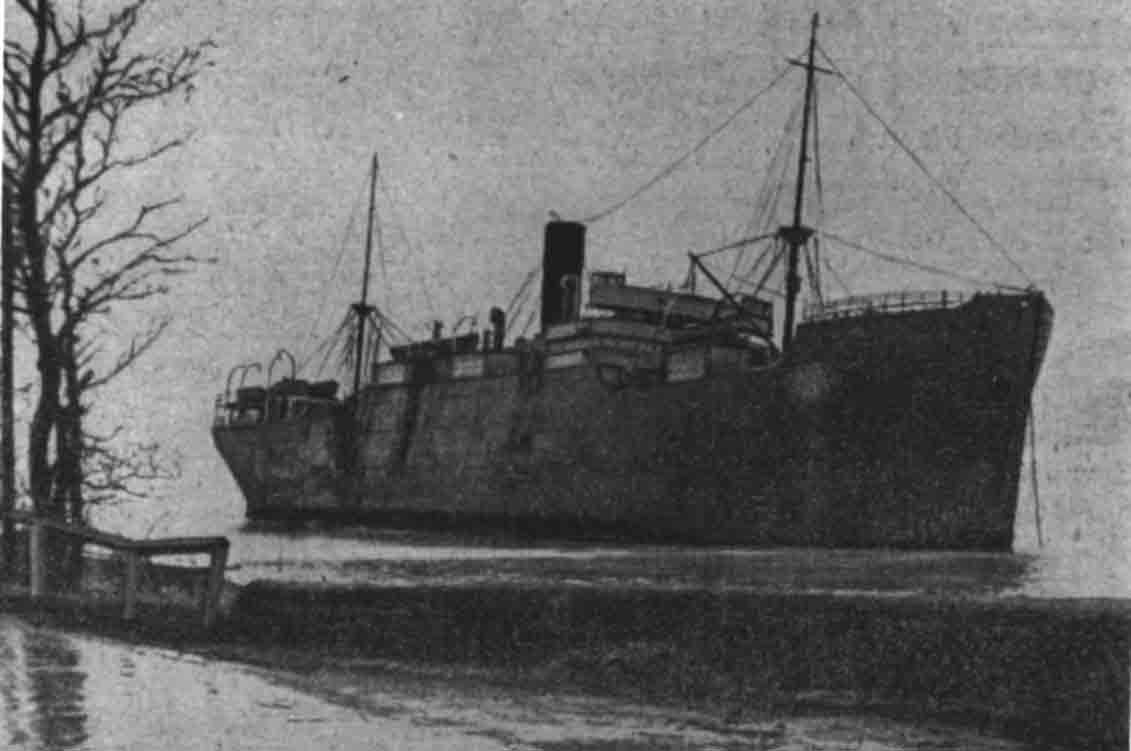
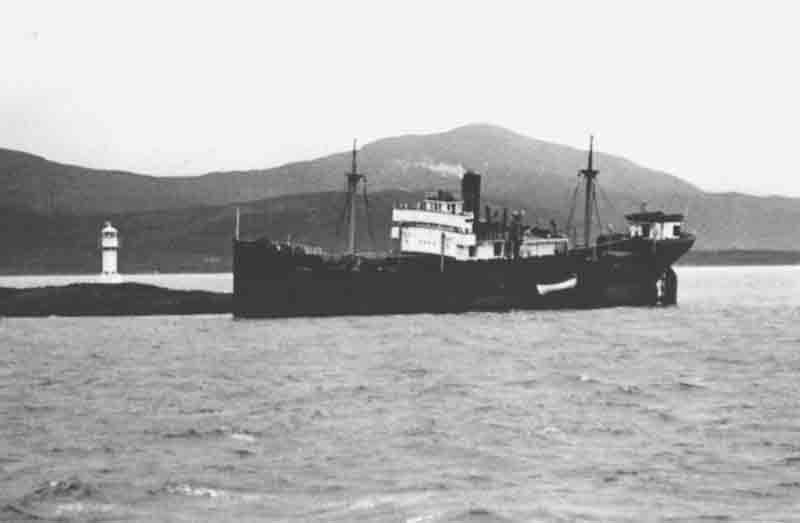
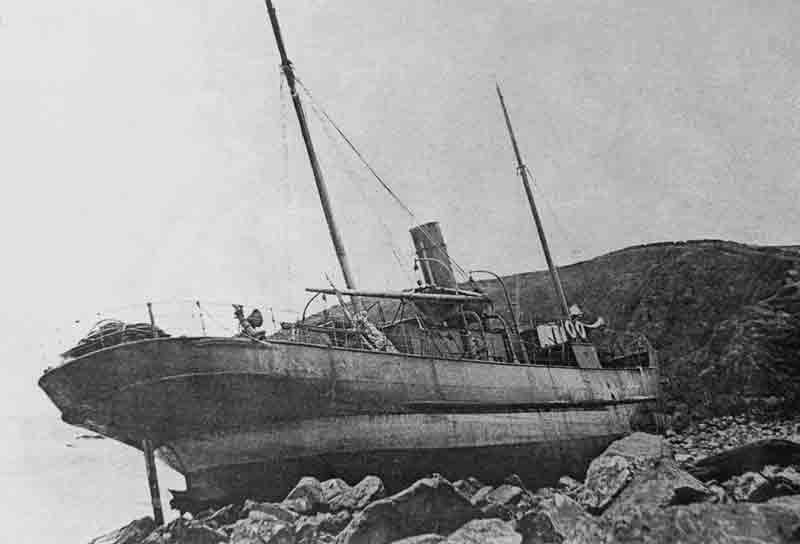
The steel motor tanker Vildfugl was launched from the Frerickstad yard of Glommens Mekaniske Verksted (Yard No 91) in 1941. She measured 156.1′ x 25.6′ x 10.0′ and her tonnage was 462 gross tons, 216 net tons. She was powered by a 2S CSA diesel engine by A/B Atlas Diesel, Stockholm. Built to the order of Skibs A/S Morphemic (Halfdan Ditlev-Simonsen), Oslo. She operated on the Baltic and North Sea routes. In 1941 she was captured by the German navy and operated for the Kreigsmarine throughout the was under the name of Feisten before she was returned to her original owners at the end of the war and returning to her original name Vildfugl.

Motor vessel Vildfugl alongside

Lloyd’s register 1948
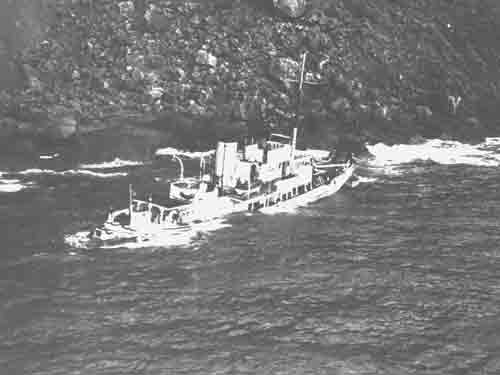
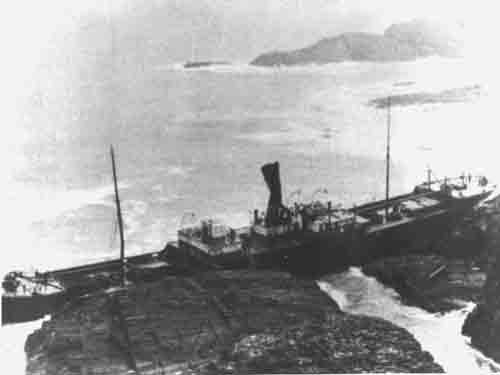
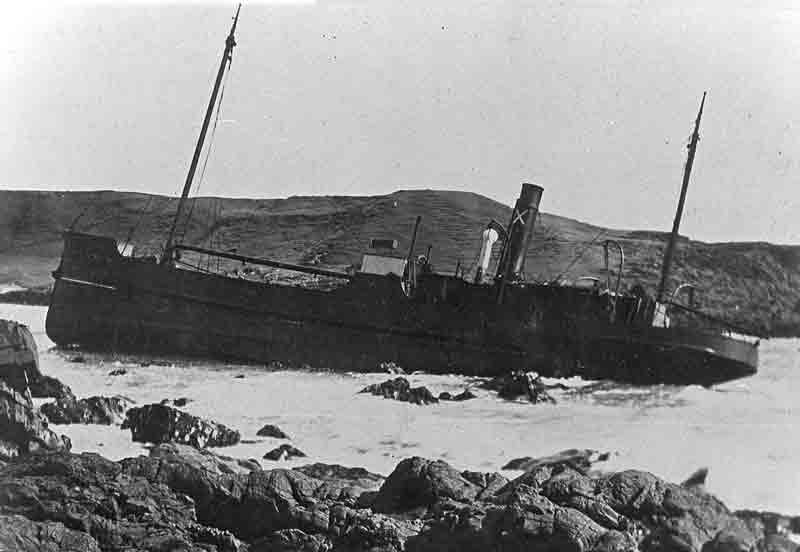
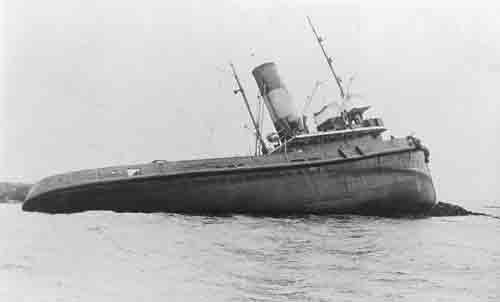
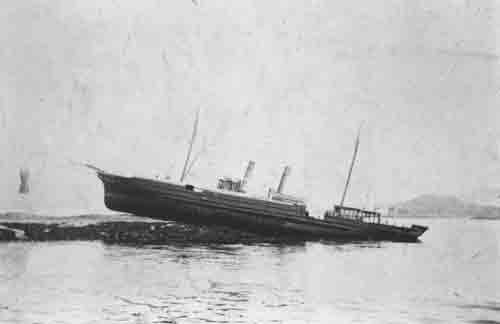
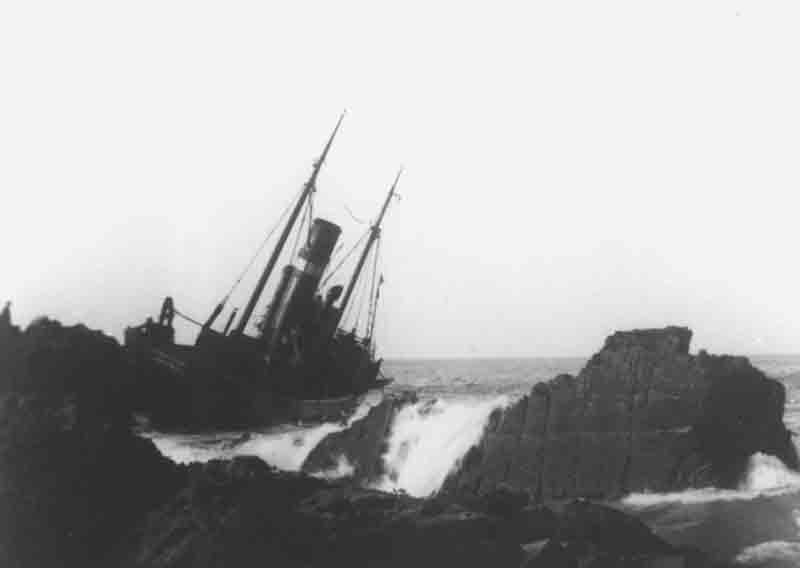
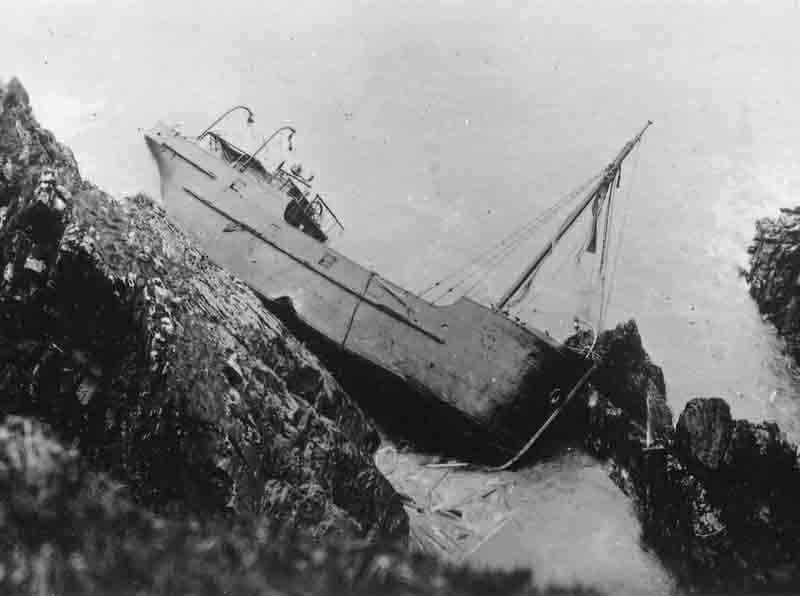
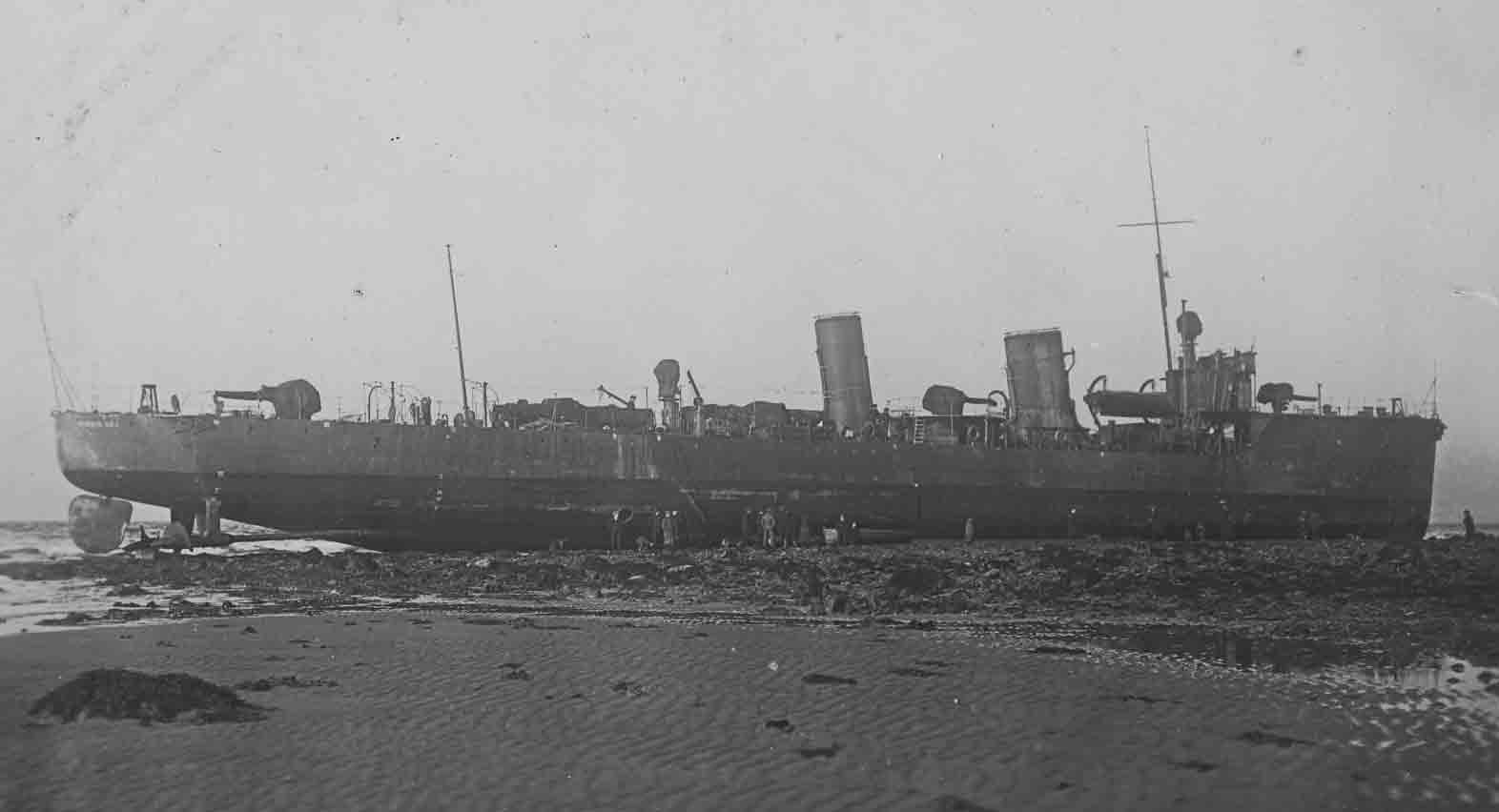
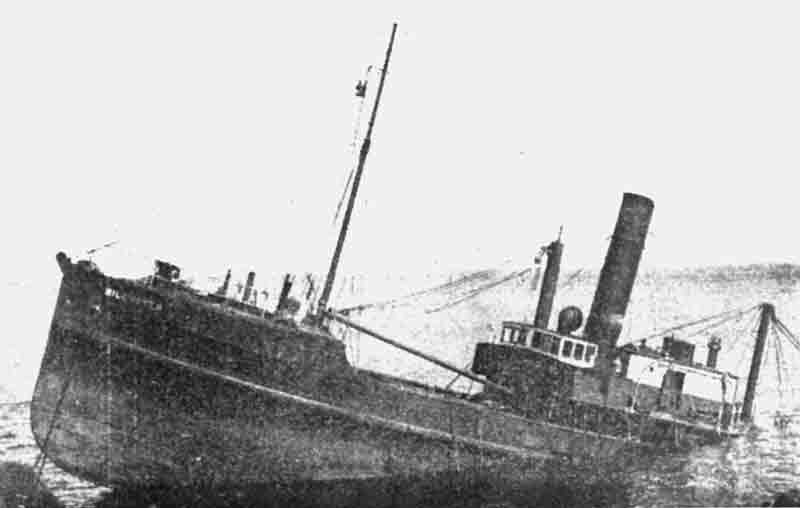
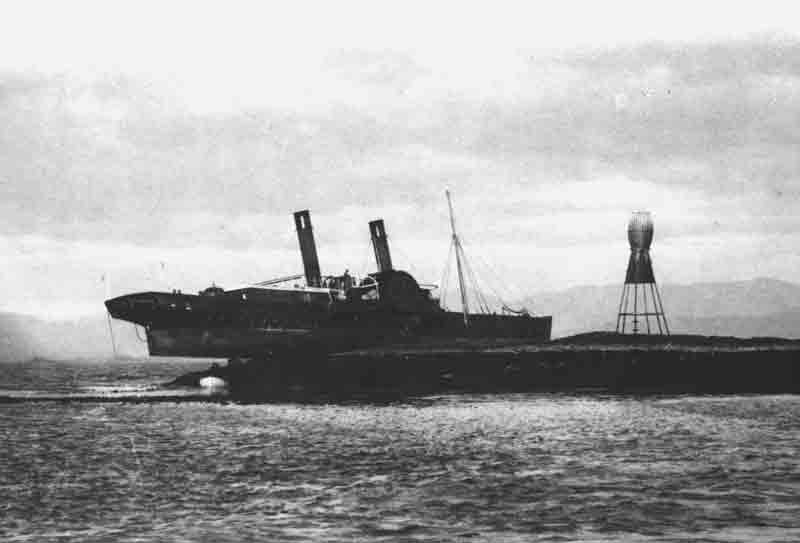
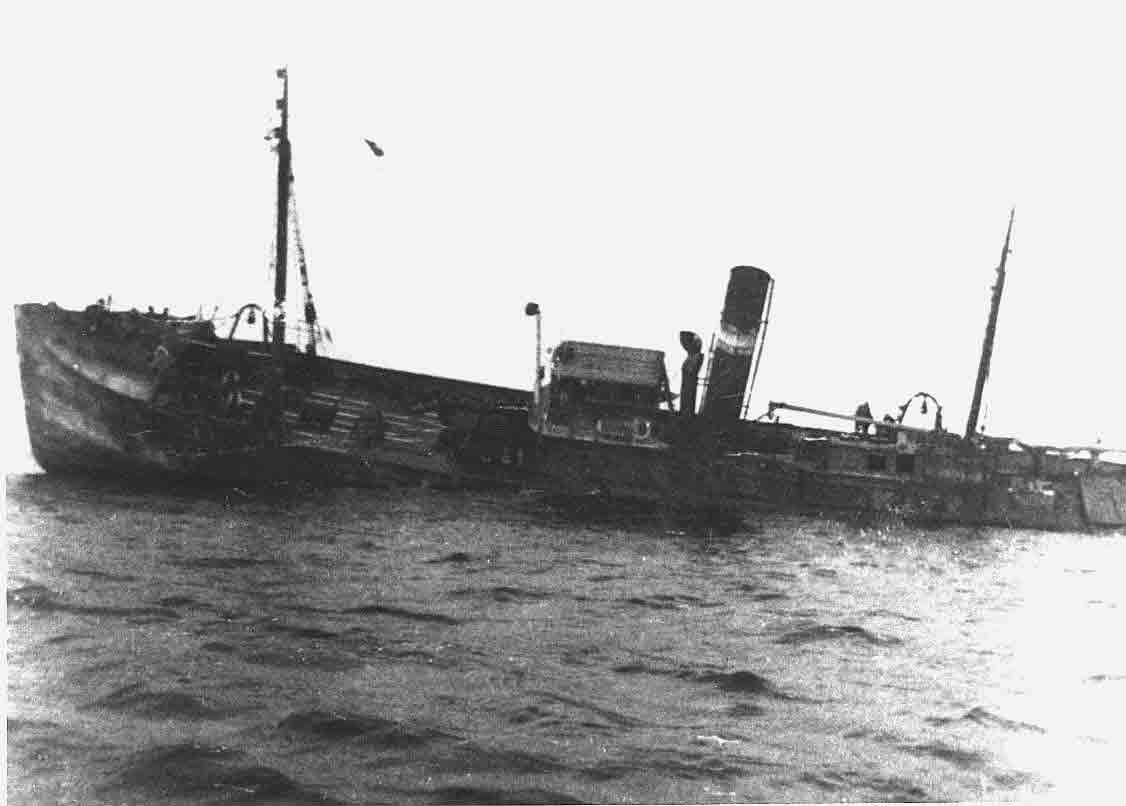
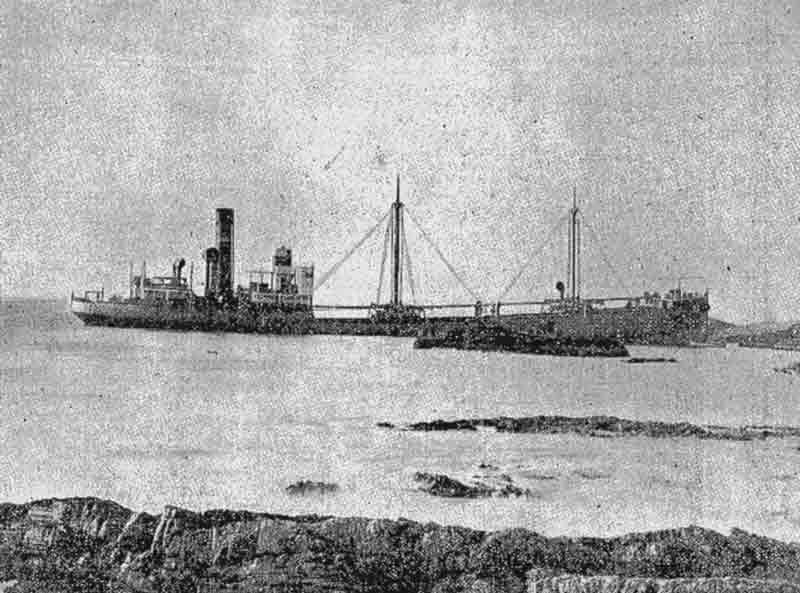
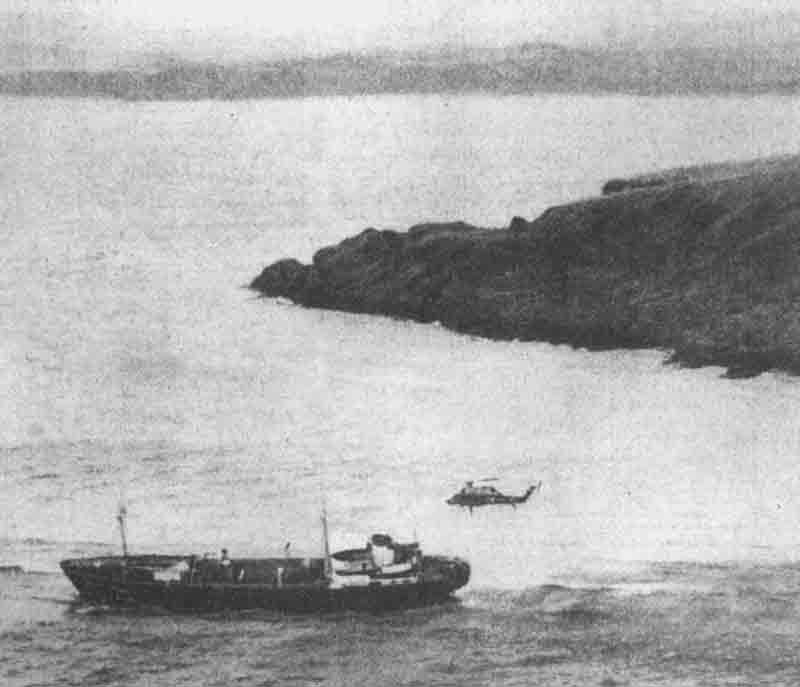
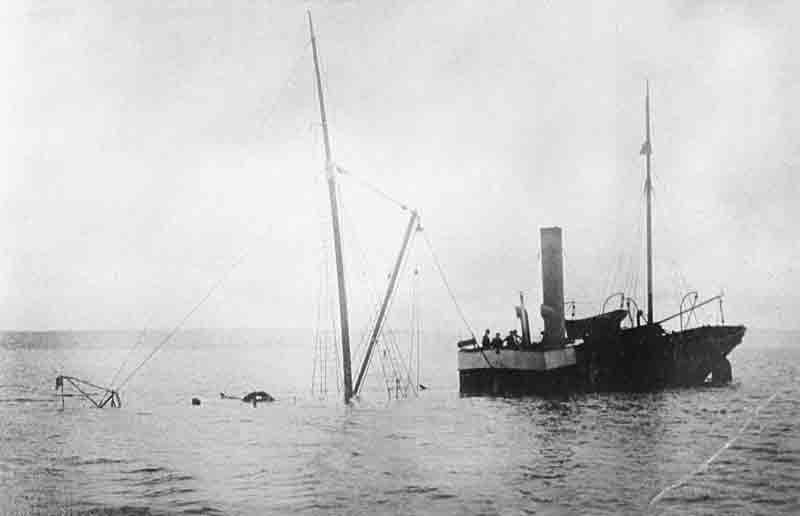
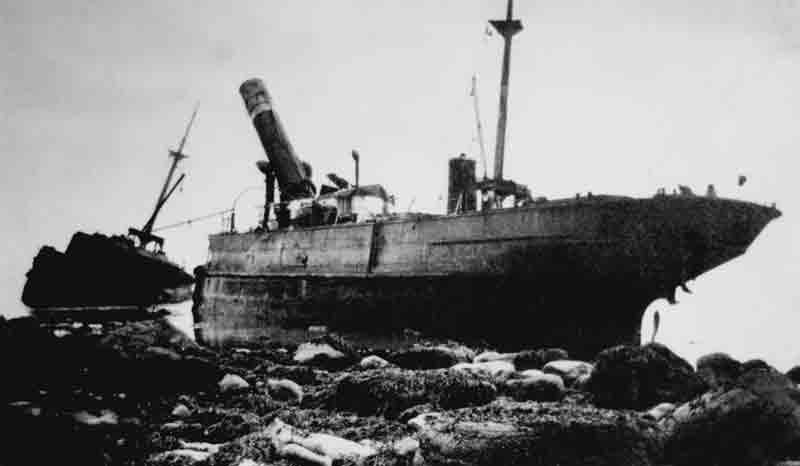
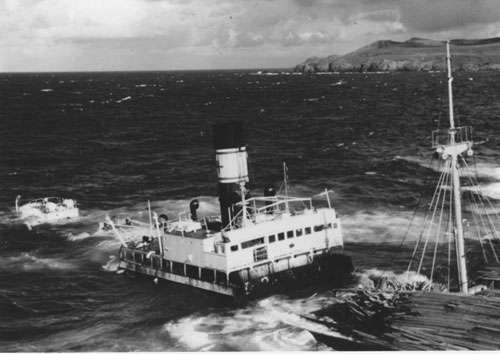
In May 1951 Vildfugl was en route from Inverness to Grangemouth in ballast where she was to pick up her latest cargo. In command was Captain Alvard O Degaard with a crew of thirteen men. On 28th May, as she approached the entrance to the Firth of Forth, Degaard set his course round Fifeness but, presumably due to his lack of experience of the waters there, he steered too close to the shore and she ran aground on a reef just north of Lochaber Rock 200 yards from the Fifeness Coastguard Station. She wedged tight on a flat rock narrowly missing the jagged rocks that reach out from the shoreline at Fifeness. The Coastguards, who had observed the vessel approaching, tried to warn her off but their signals were unseen. The Fifeness Rocket Brigade were quickly on the scene succeeding in getting a line aboard and evacuating the crew by breeches buoy without incident. Local fishermen were quick to assess the situation and concluded that she would not be refloated. They were to be proved correct. An initial investigation on 31st May revealed engine room was flooded. A further survey by Metal Industries in early June confirmed the position reporting that the vessel had broken in three parts.

St Andrews Citizen 2nd June
Presumably some substantial salvage occurred at a later date and a survey in 1994 failed to find any substantial remains. We have reports that some scattered wreckage still exists in depths of around 12 metres in approximate position 56° 16.744’N, 002° 35.091’W. There have been dozens of wrecks reported in this vicinity over the decades so it is uncertain that this wreckage, if it exists, is indeed the remains after salvage of Vildfugl.

Vildfugl aground at Fifeness