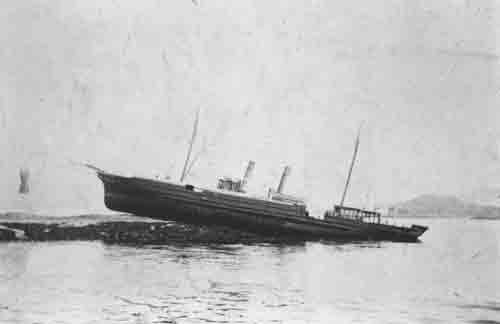
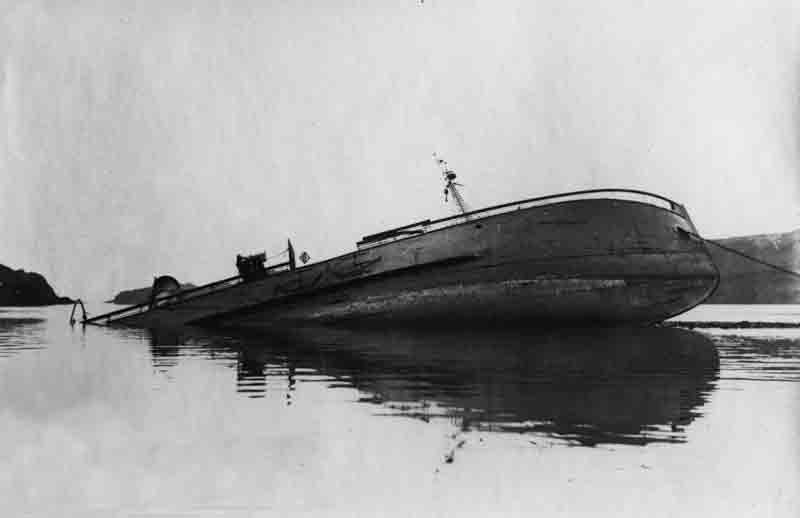
The iron steam trawler Virgilia was launched from the Grimsby yard of Schofield, Hagerup and Doughty Ltd (Yard No 22) on 29th May 1900. She measured 116.2′ x 21.5′ x 11.2′ and her tonnage was 209 gross tons, 99 net tons. She was powered by a triple expansion steam engine by C D Holmes Ltd delivering 58 registered horse power. Built for the North East Steam Fishing Co Ltd she was first registered in Grimsby of 5th October 1900 (GY1200).

Profile plan Virgilia

Lloyd’s register 1915
On 24th May 1917 Virgilia set out from her home port of Grimsby and steamed north to the fishing grounds off the Faroe Islands. Skipper Alf Rawlins had a crew of sixteen men aboard. After a successful trip Rawlins set course for home with holds full of cod and halibut. On 3rd June around midnight they were off the Aberdeenshire coast when German U-boat UC-77 commanded by Kapitanleutnant Reinhard von Rabenau surfaced half a mile from their vessel. The German submarine immediately began firing at Virgilia. Thankfully the initial shots missed Virgilia and Rawlins was able to disembark his crew in to a lifeboat. As the crew pulled away from their vessel the German submarine pulled alongside and ordered the crew onto the deck of the submarine. The crew watched as the Germans rowed over to Virgilia and placed explosive charges inside the ship. When they returned to the submarine they threw the boats mast and sails overboard before ordering the crew back into the boat to make their way ashore as best they could. Skipper Rawlins was taken prisoner and ordered below before the submarine submerged and disappeared. Virgilia sank to the bottom as they explosive charges ignited. Rawlins was to experience the frightening existence of a U-boat submariner as UC-77 attacked five steamships (sinking SS Anton and SS Harald Klitgaard on 6th June) on her return voyage to base. They, in turn, were attacked by a British naval patrol boat, temporarily caught in an anti-submarine net and later disabled by depth charges before they reached the safety of the German home base. Rawlins was interred in a prisoner of war camp and returned to Britain late in 1918.
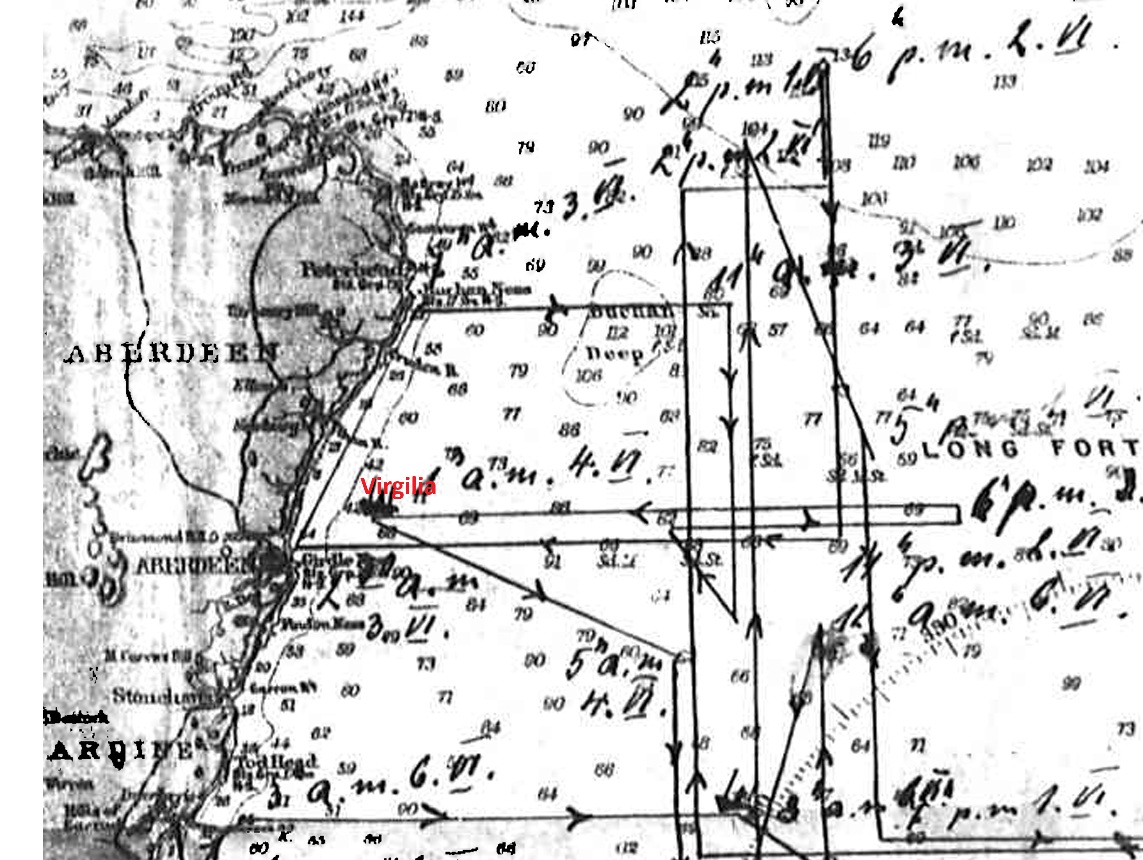
UC-77 KTB chart with attack position
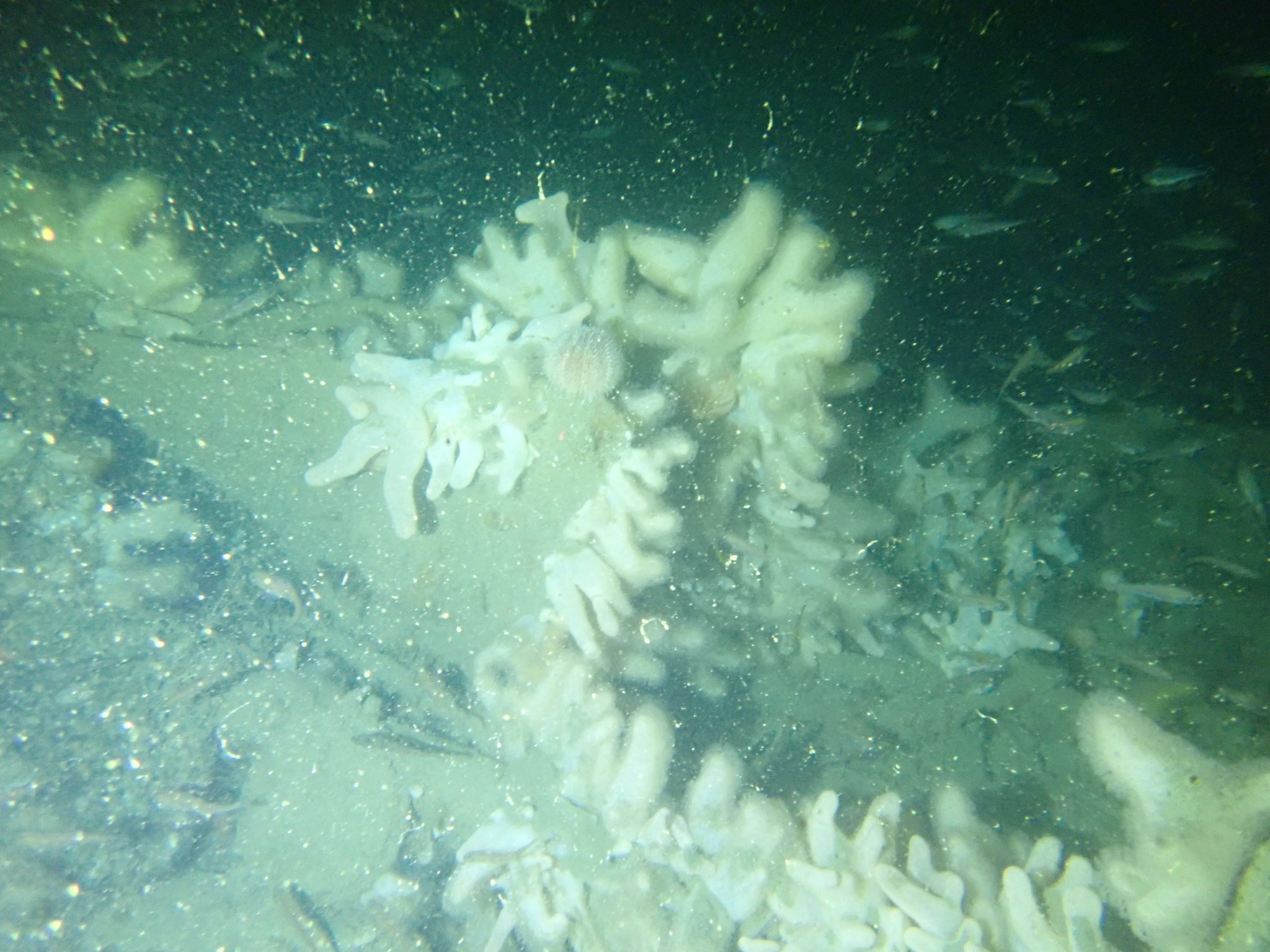
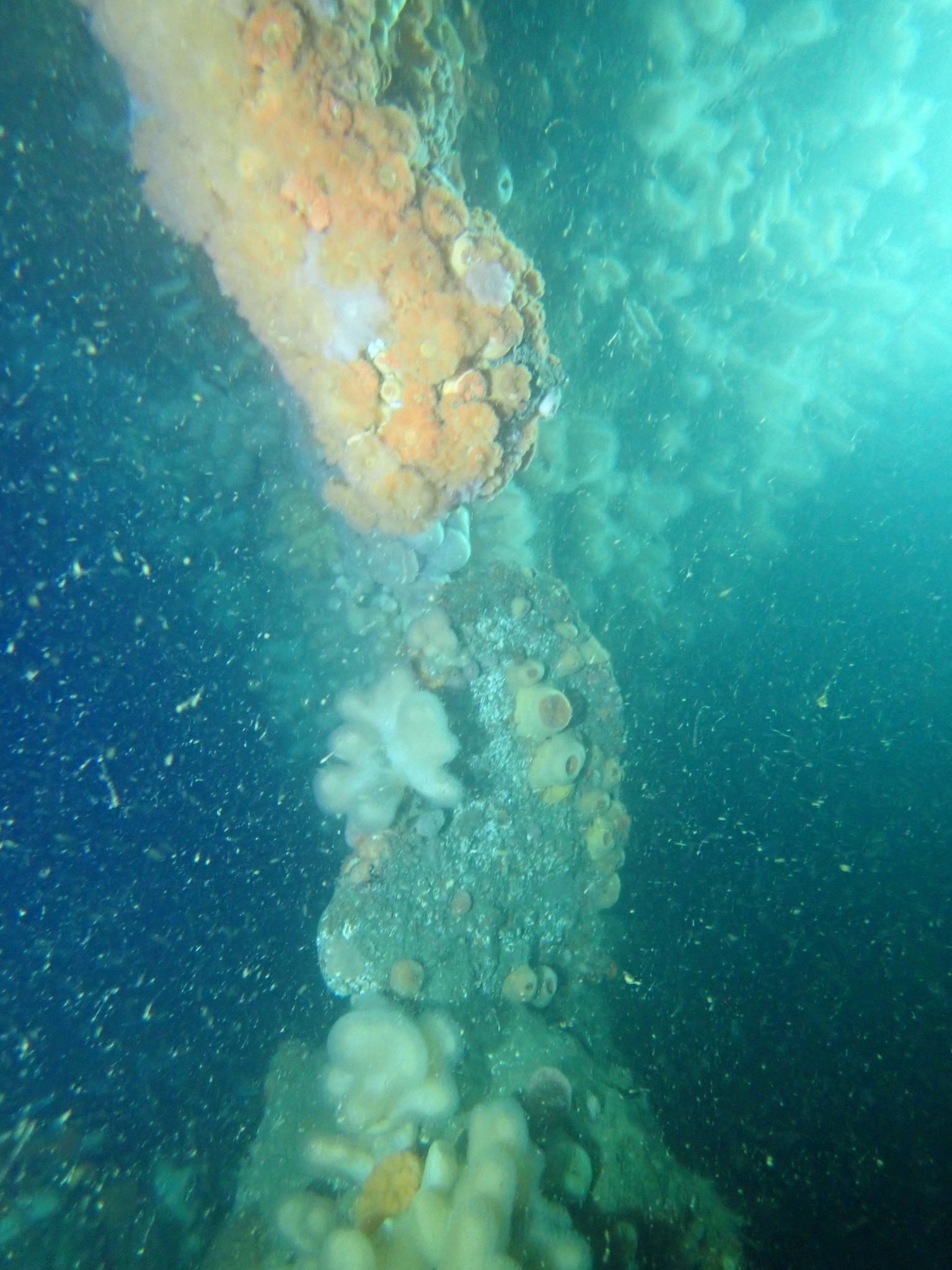
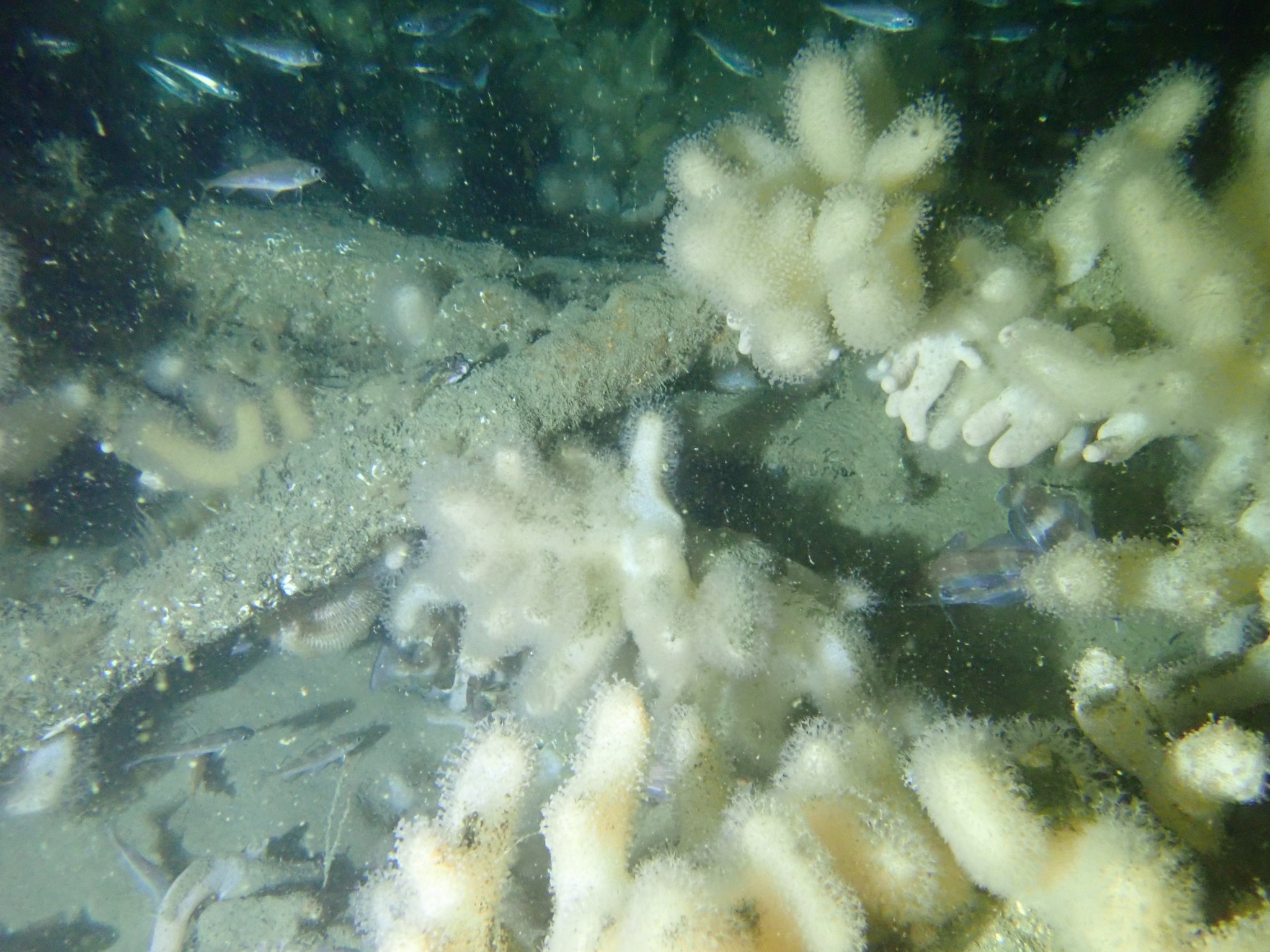
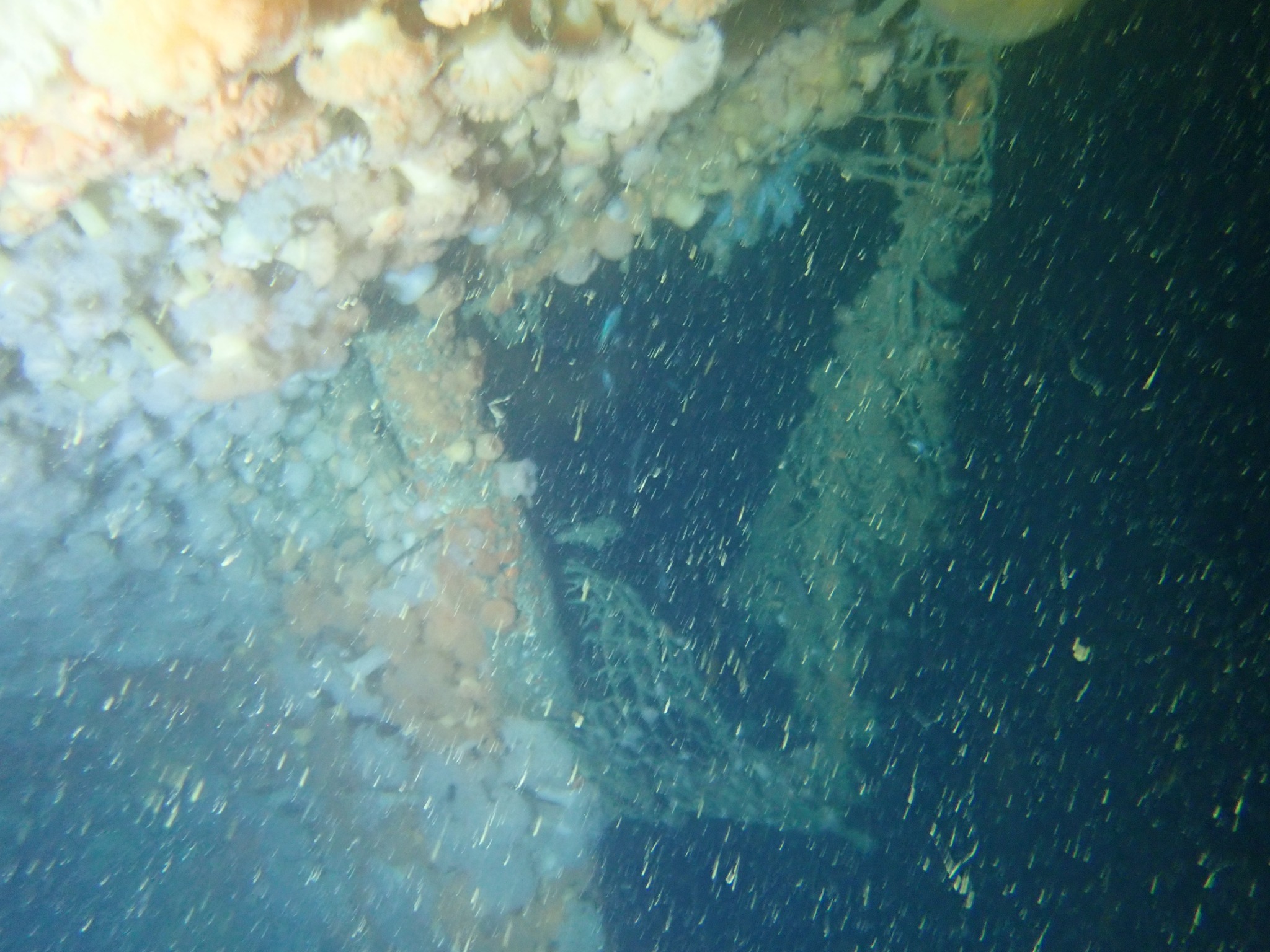
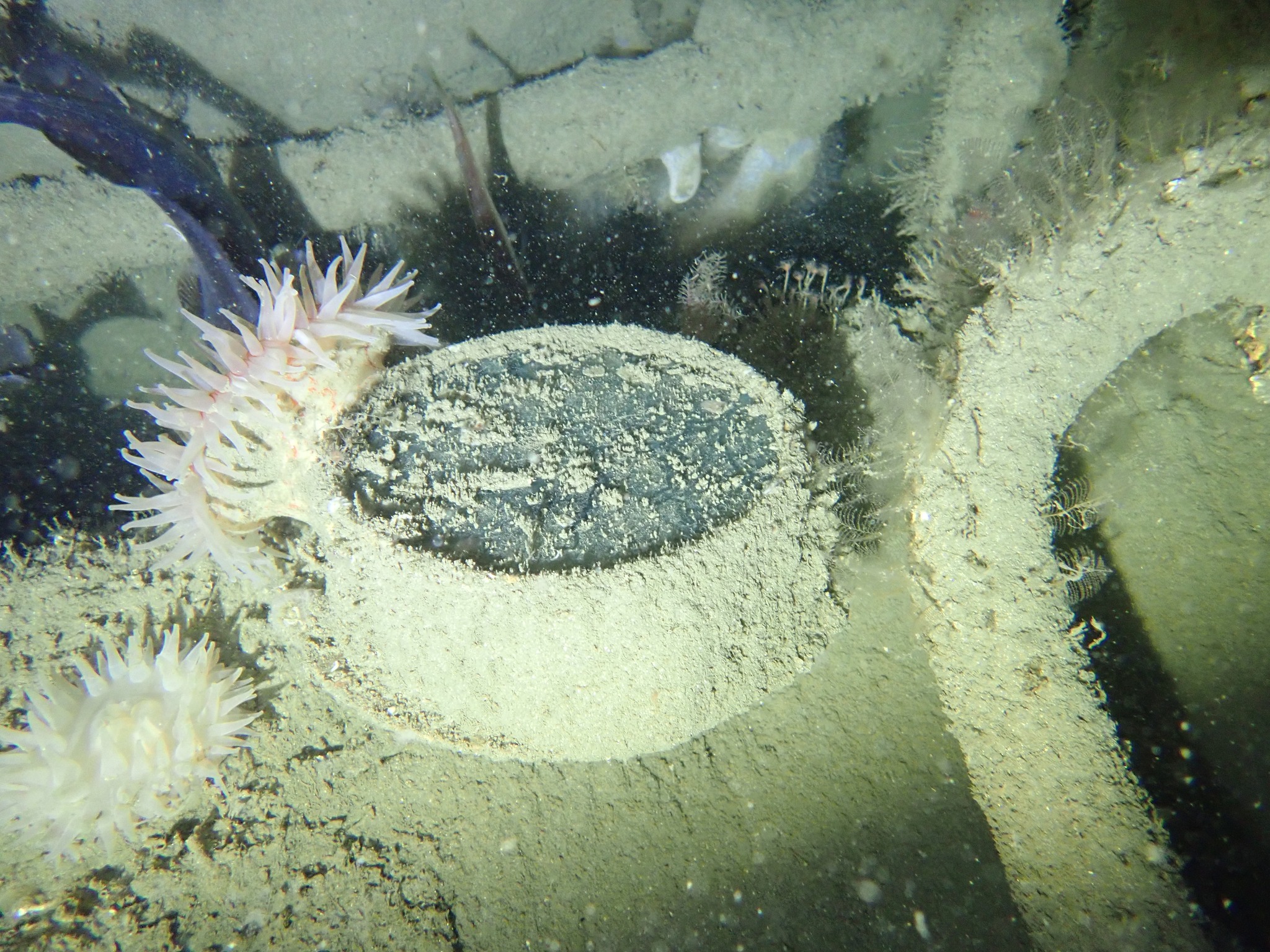
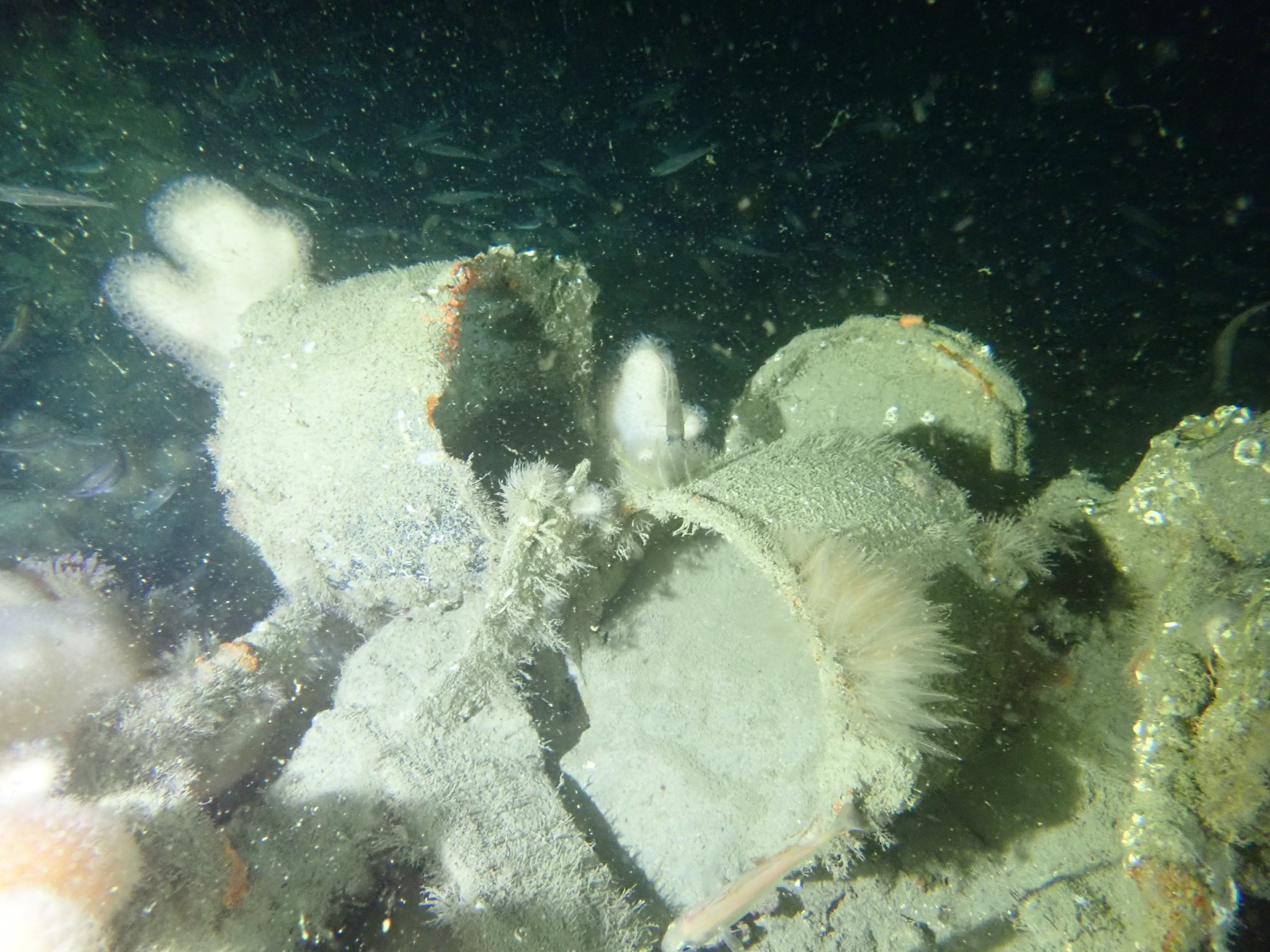
The team at Buchan Divers identified the wreck they believe to be Virgilia in 2025. They had explored two nearby wrecks in 2023 (Robert Bowen and Fort Royal) and finally dived and explored the third wreck in the area in April 2025. Nothing was found on the wreck to definitively identify her but the location, layout and dimensions of the wreck make this almost certain. She lies in position 57° 14.209’N, 01° 48.528’W in 64 metres. She is largely in tact sitting upright with a slight list to port. Her triple expansion steam engine and single boiler are clearly visible as the deck structure has mainly rotted and collapsed.
We would like to thank Lloyd’s Register Foundation – Heritage & Education Centre for allowing us to reproduce documents from their archive in this article