Scottish Shipwrecks

Information and Pictures of Shipwrecks in Scotland

  • Home
  • About
    • About Clyde Shipwrecks
    • About Argyll Shipwrecks
  • Shipwrecks
    • Scottish Shipwrecks
    • 1 – Galloway & Solway Firth
    • 2 – Clyde
    • 3 – Argyll
    • 4 – NW Scotland & Outer Hebrides
    • 5 – North Coast & Orkney Isles
    • 6 – Shetland Isles & Fair Isle
    • 7 – North East Scotland
    • 8 – East Scotland
    • 9 – South East Scotland
  • GALLERY
    • GALLERY INTRODUCTION
    • VINTAGE VIEWS
    • WRECKLIFE
    • WRECKSHOTS
    • WRECKCLIPS
  • Book Sale
    • Argyll Shipwrecks
    • Clyde Shipwrecks
  • Blog

Gigha Dive 2021

17th August 2021 By Peter Moir 2 Comments

Last weekend we returned to Ferry Farm at Tayinloan, a perfect base for diving the west coast of the Kintyre Peninsula, south east Islay and Rathlin. Tayinloan has a commercial ferry slip which can be used for launching boats at all states of the tide.

After many weeks of calm and sunny weather we were greeted by strong winds and low cloud on Friday morning as we drove round to the west coast. A quick change of plan from west to east coast provided sheltered conditions on the wreck of the Margaret Niven in Loch Fyne, if nothing else to check our equipment and more importantly those using it!

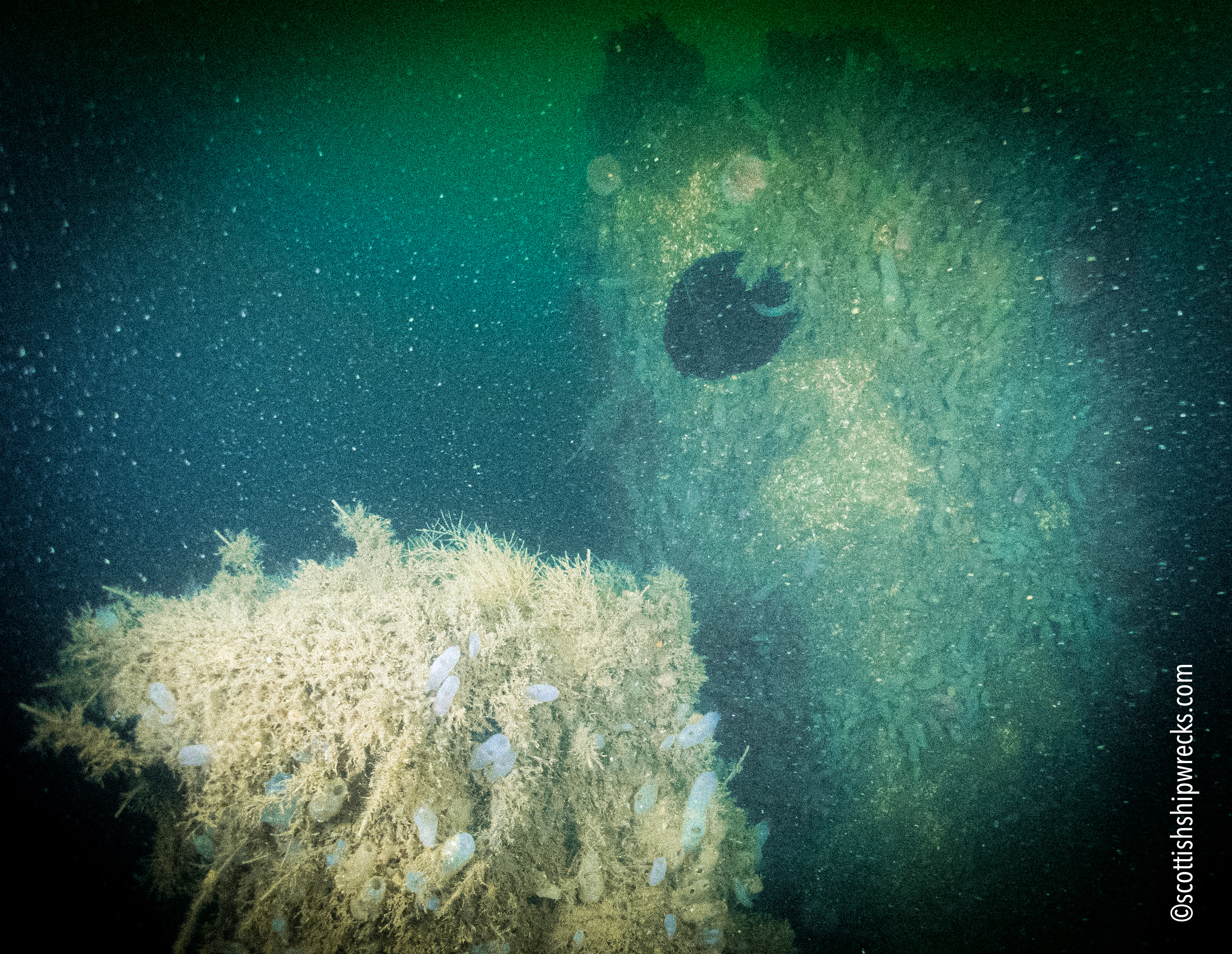
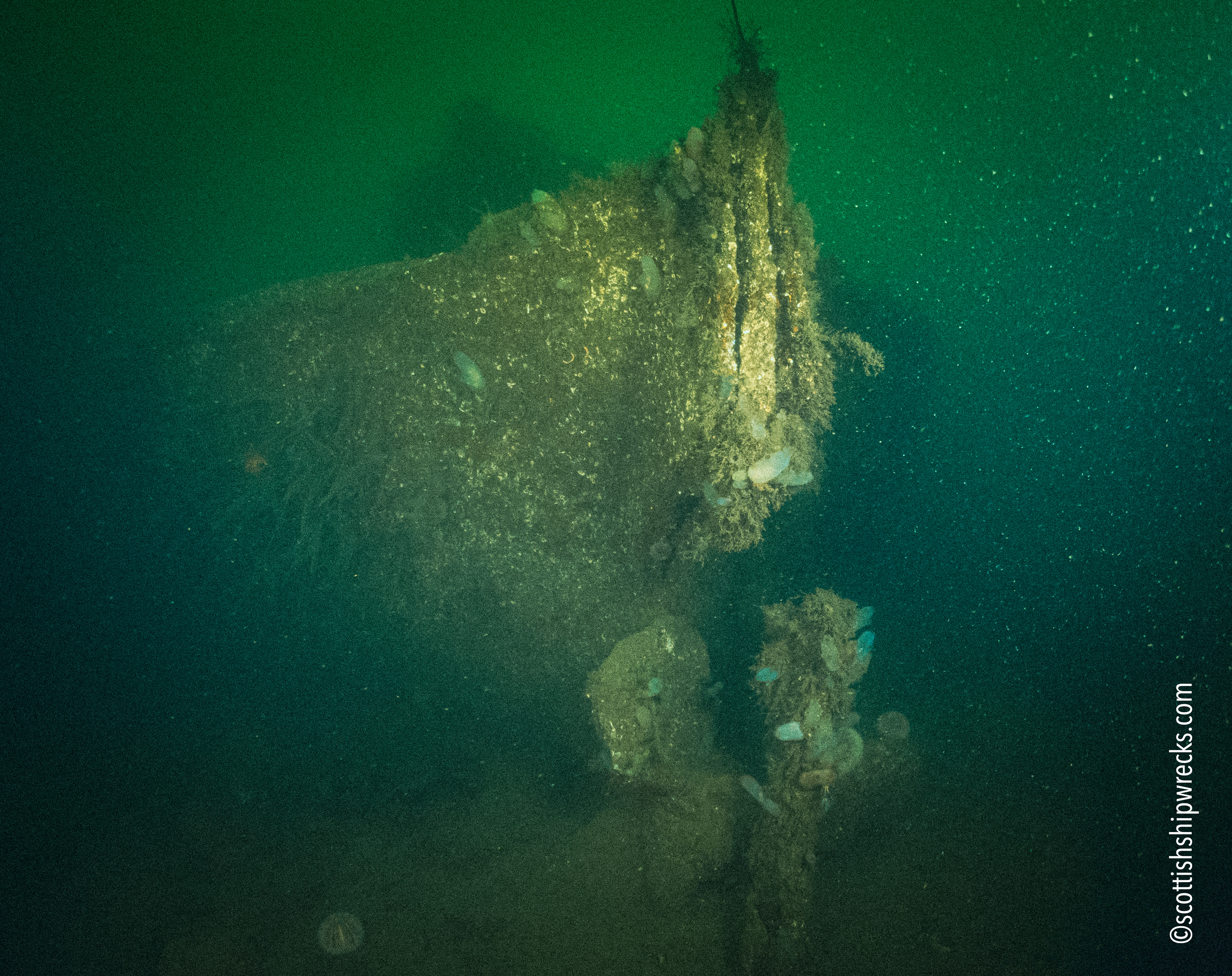
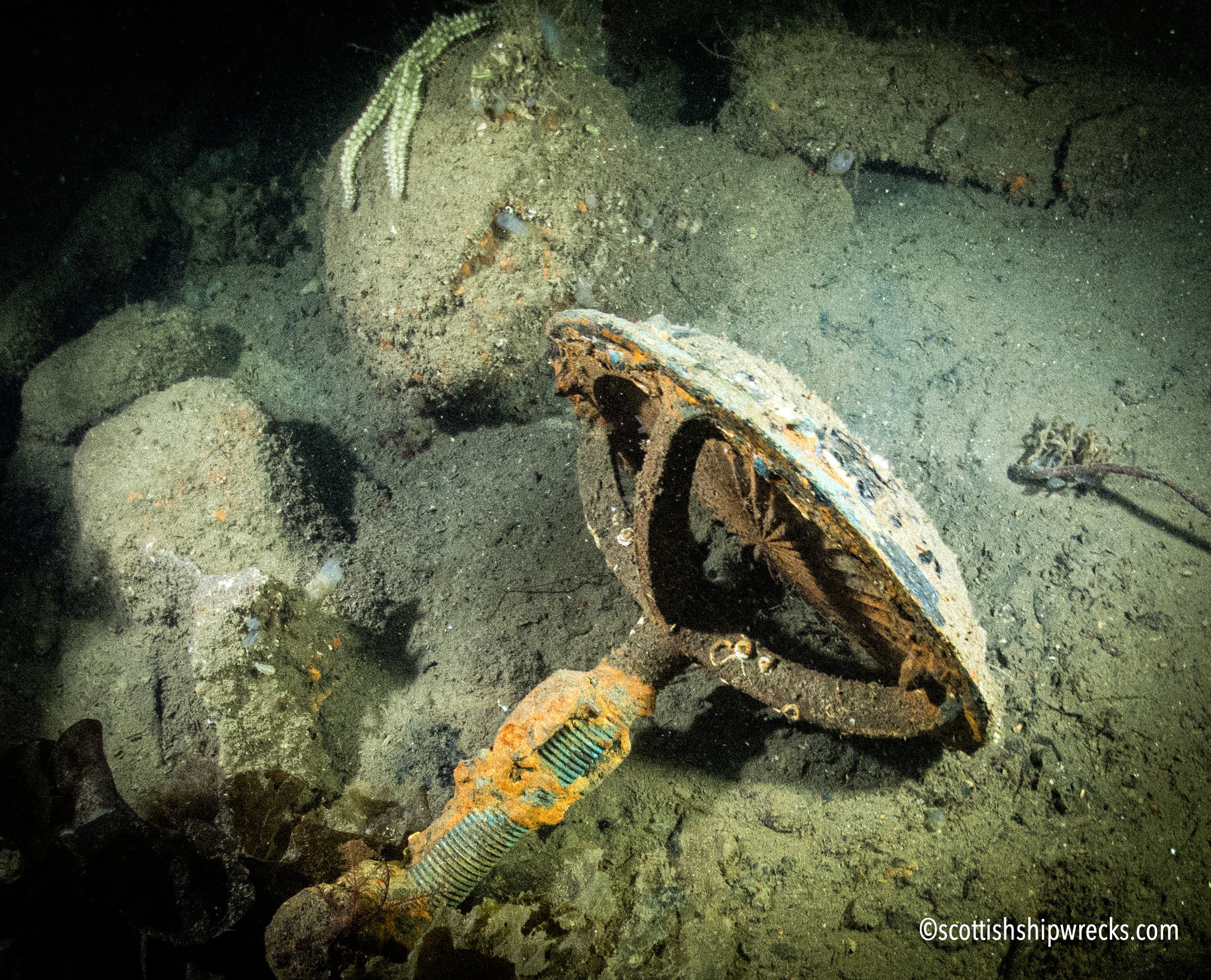
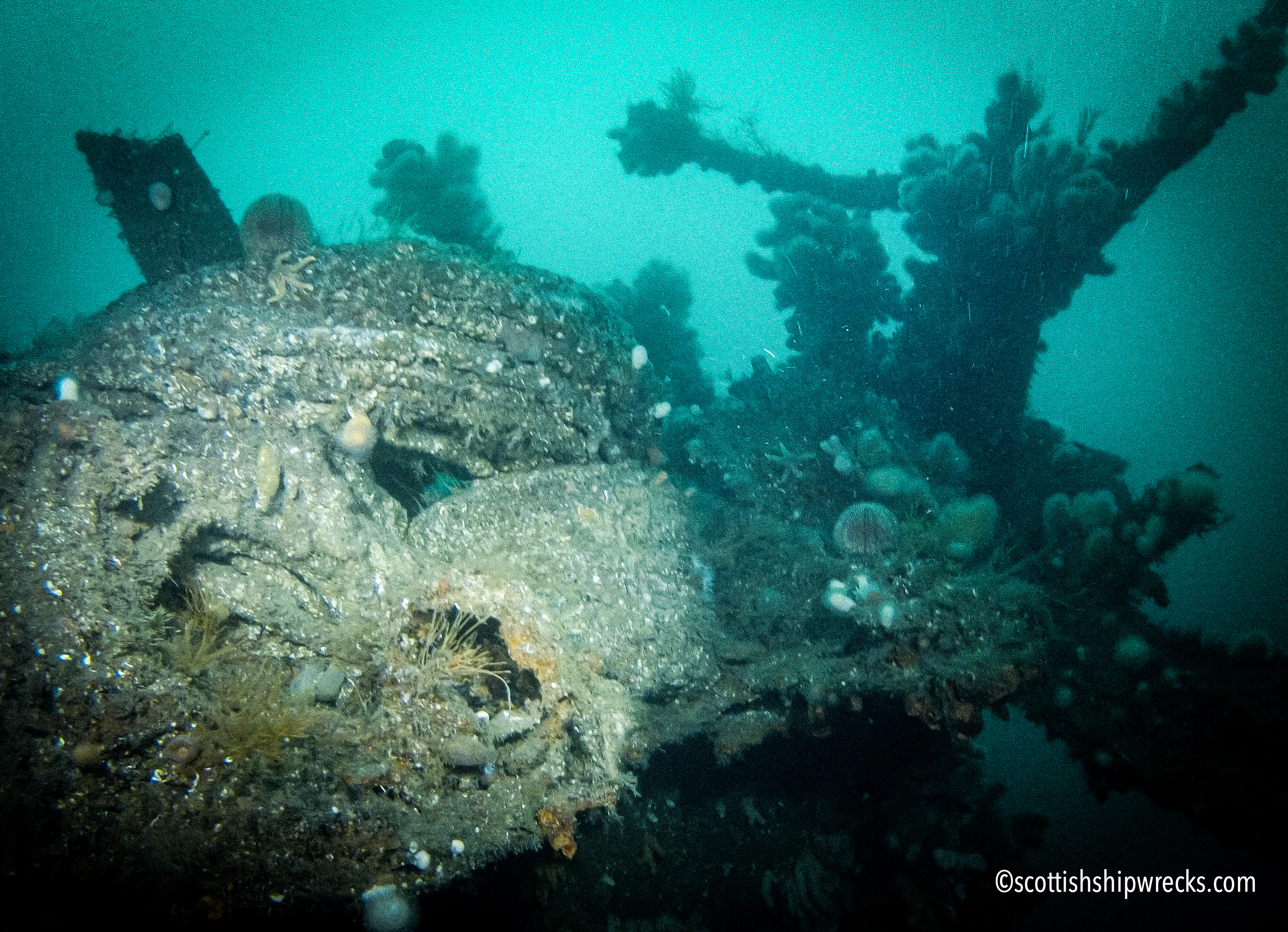
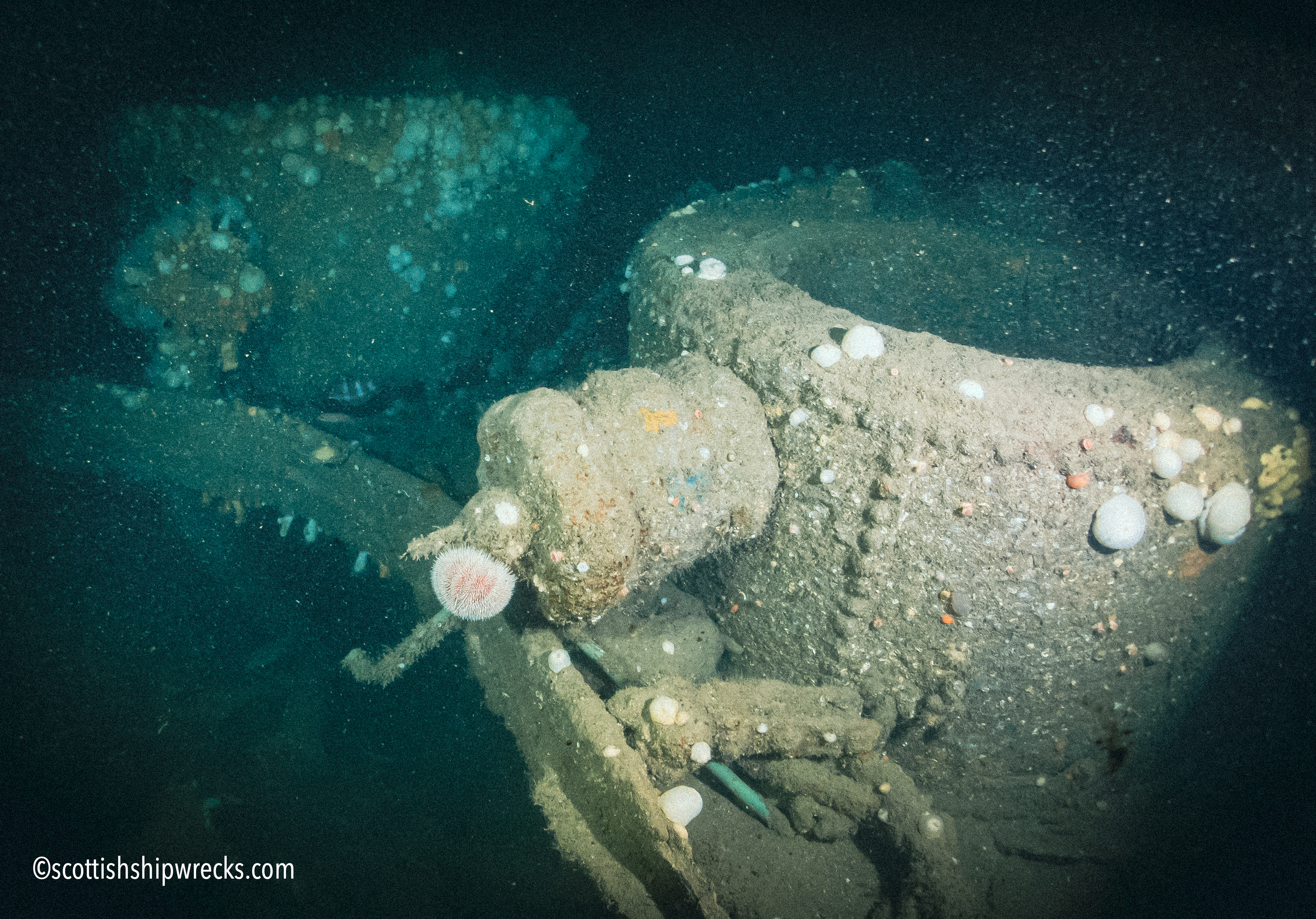
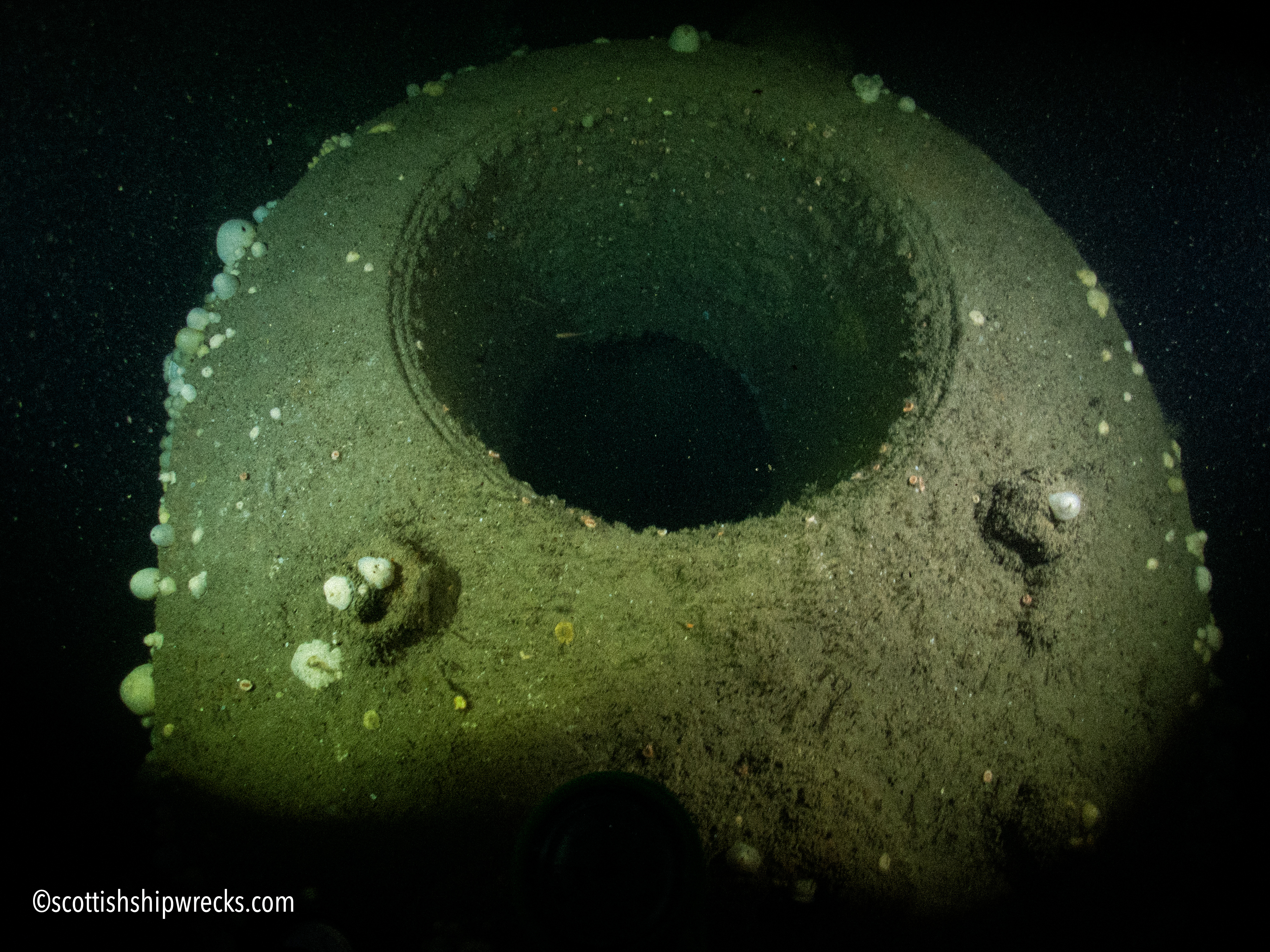
Friday Dive – the Margaret Niven was a small iron steamlighter launched in 1866 at Port Glasgow. The 63 foot long vessel was on a voyage from Crarae Quarry, Loch Fyne to Glasgow with a full cargo of stone chips when she ran aground north of Tarbert, Loch Fyne in 1908. The wreck lies on a muddy seabed 50 metres north east of a small reef known locally as the “Bauld Heid”, aka Sgeir Mhada Cinn, just north of Barmore Island. The reef is marked by a metal pole, positioned at a suitably jaunty angle. The wreck lies between 24 and 28 metres on a gently sloping mud and stone seabed, the remains are essentially the hull, damaged propellor, vertical boiler, small engine, bow winch and her cargo of stone chips. We will upload a page on this wreck shortly, but here are some images from the dive with visibility around 3-4 metres.
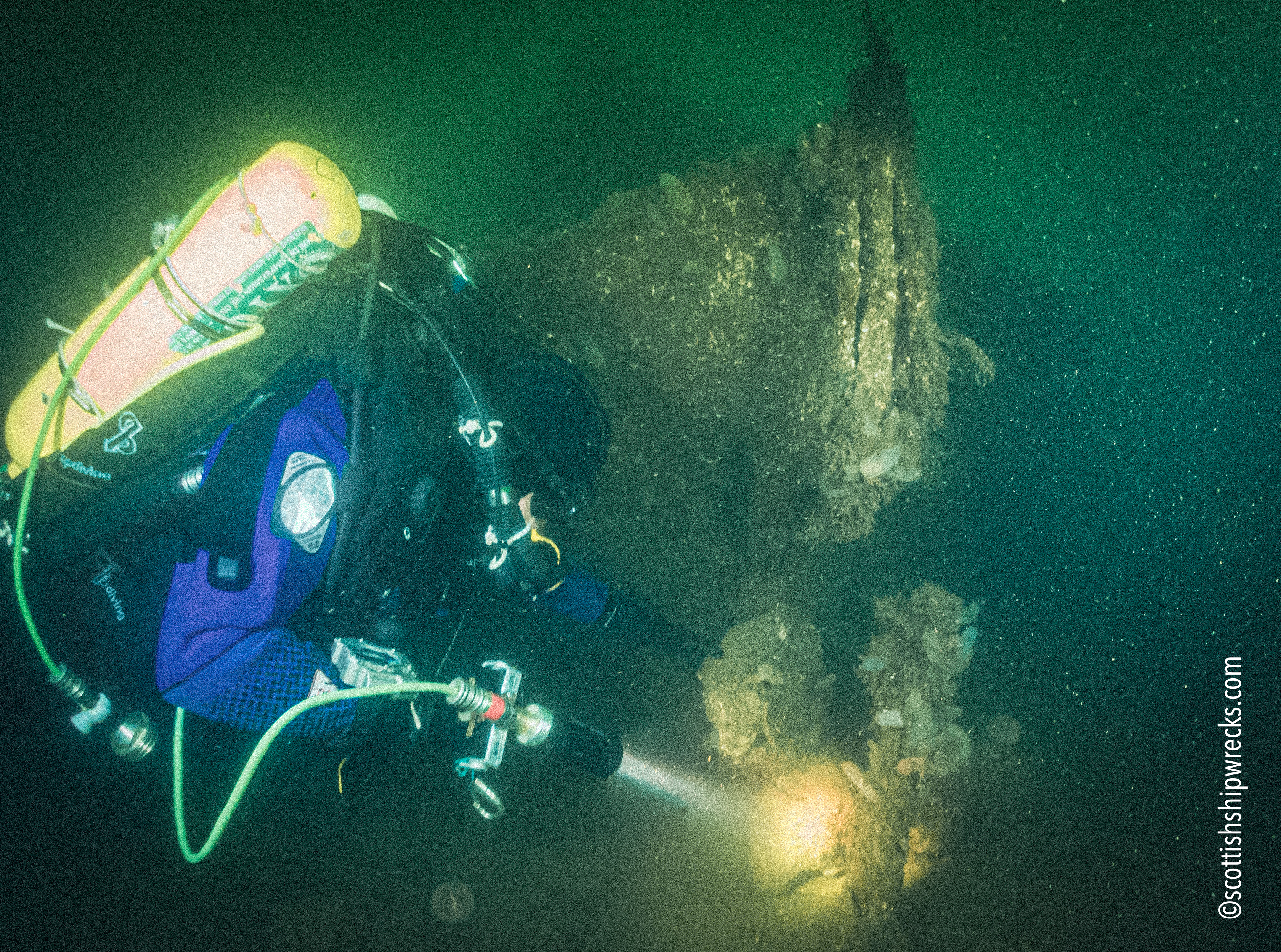
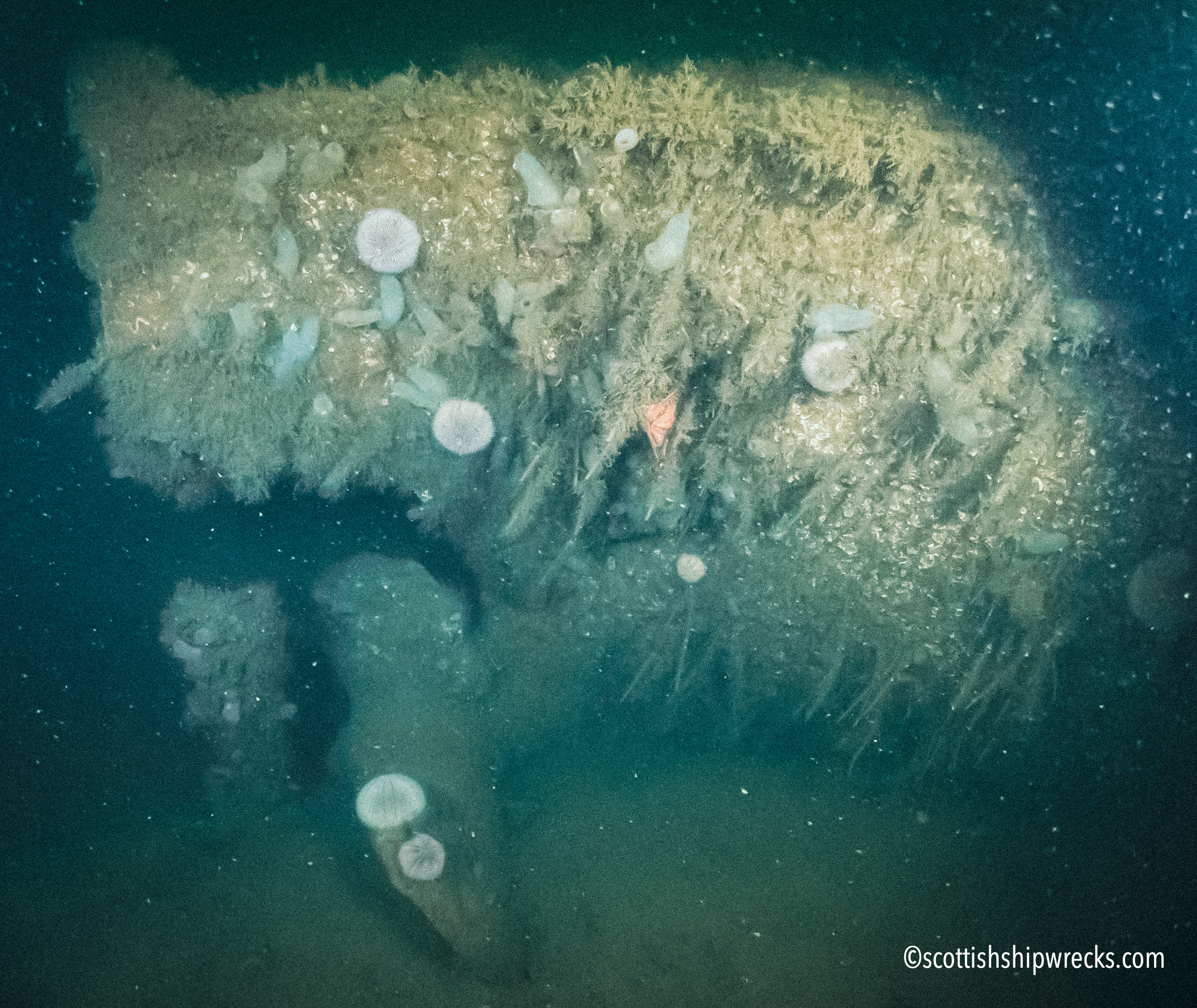
Stern and propellor.
Starboard view of stern.
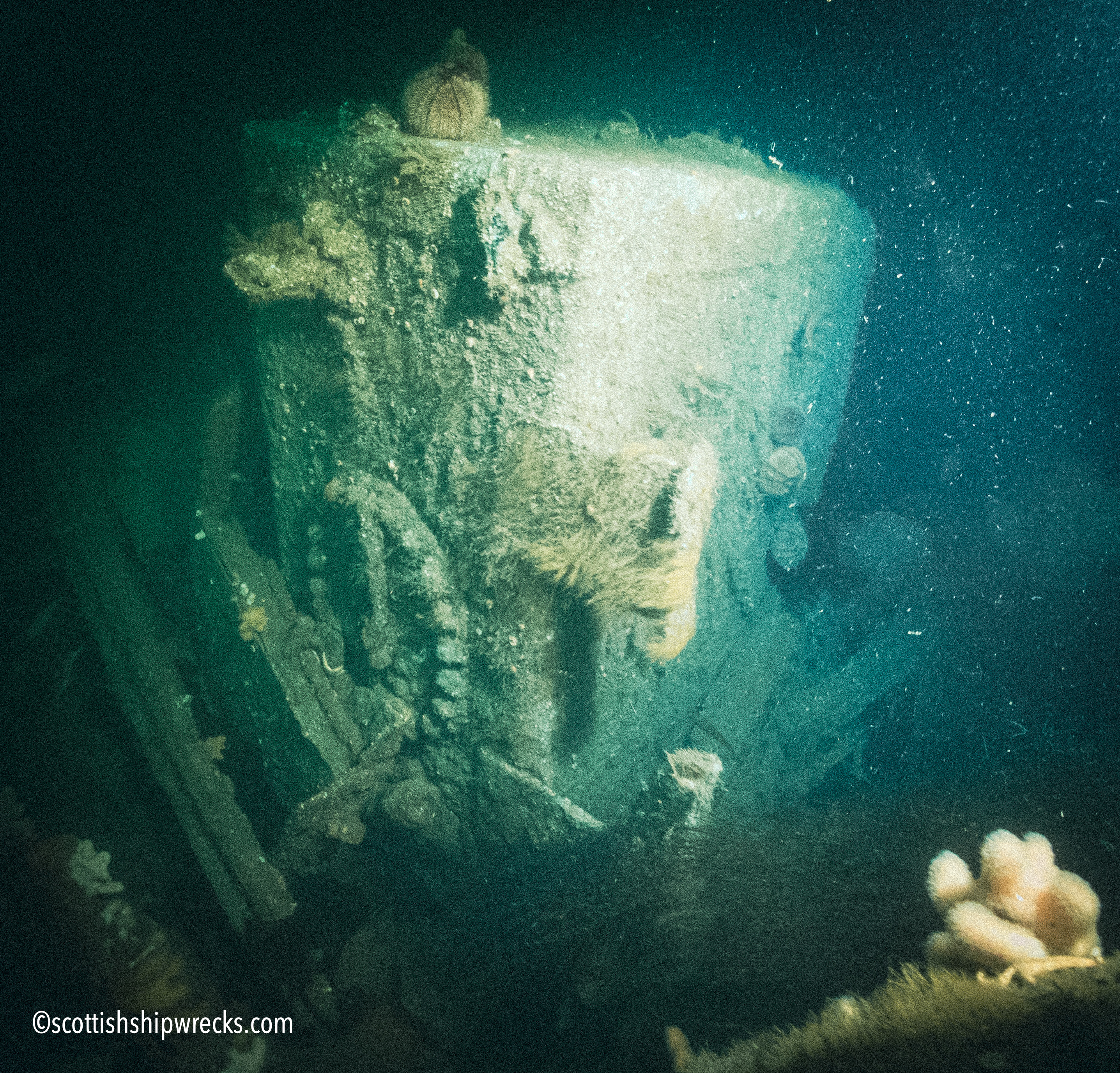
Boiler and engine.
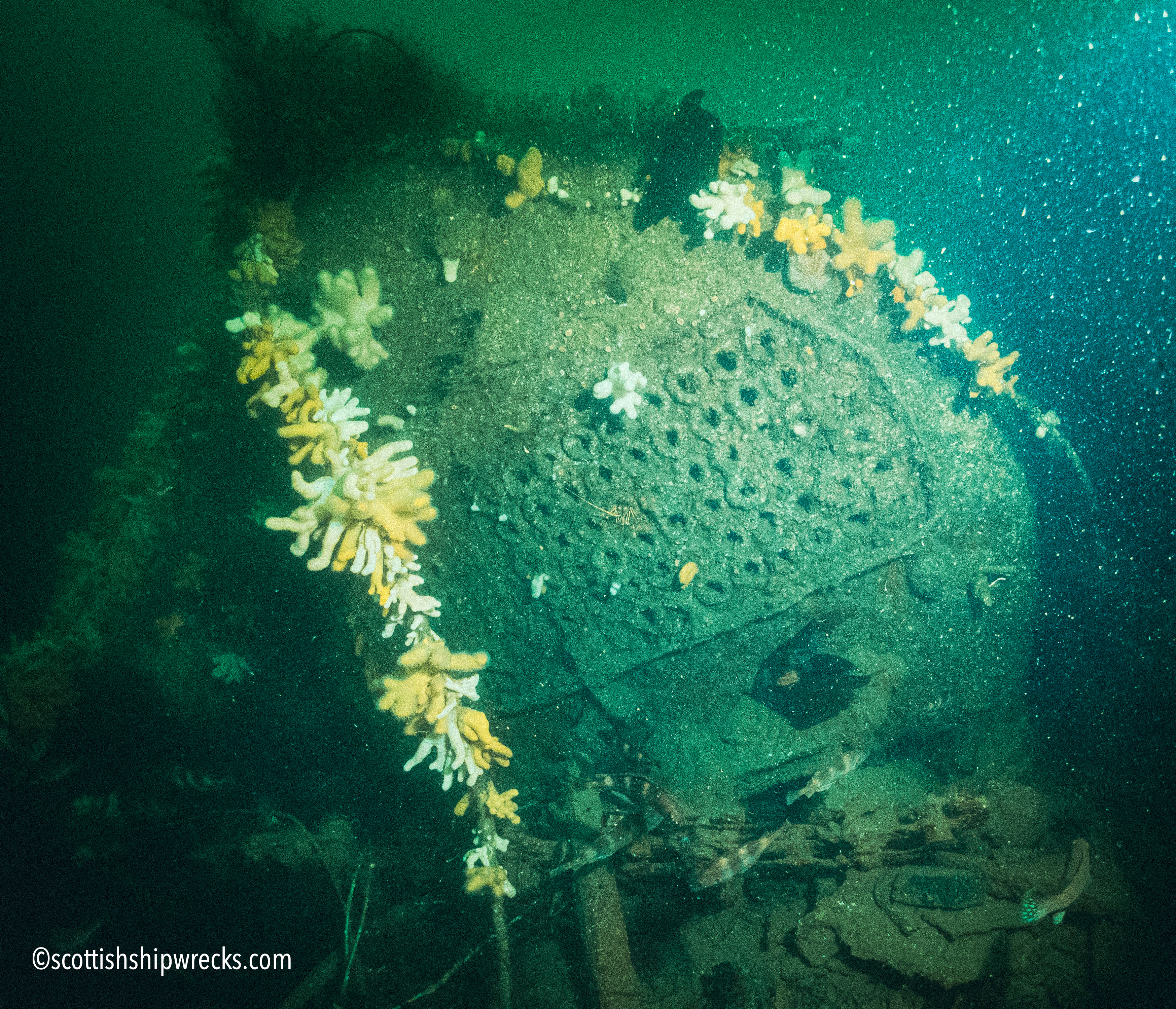
Vertical boiler.
P8130243
Bow winch.
Stern view.
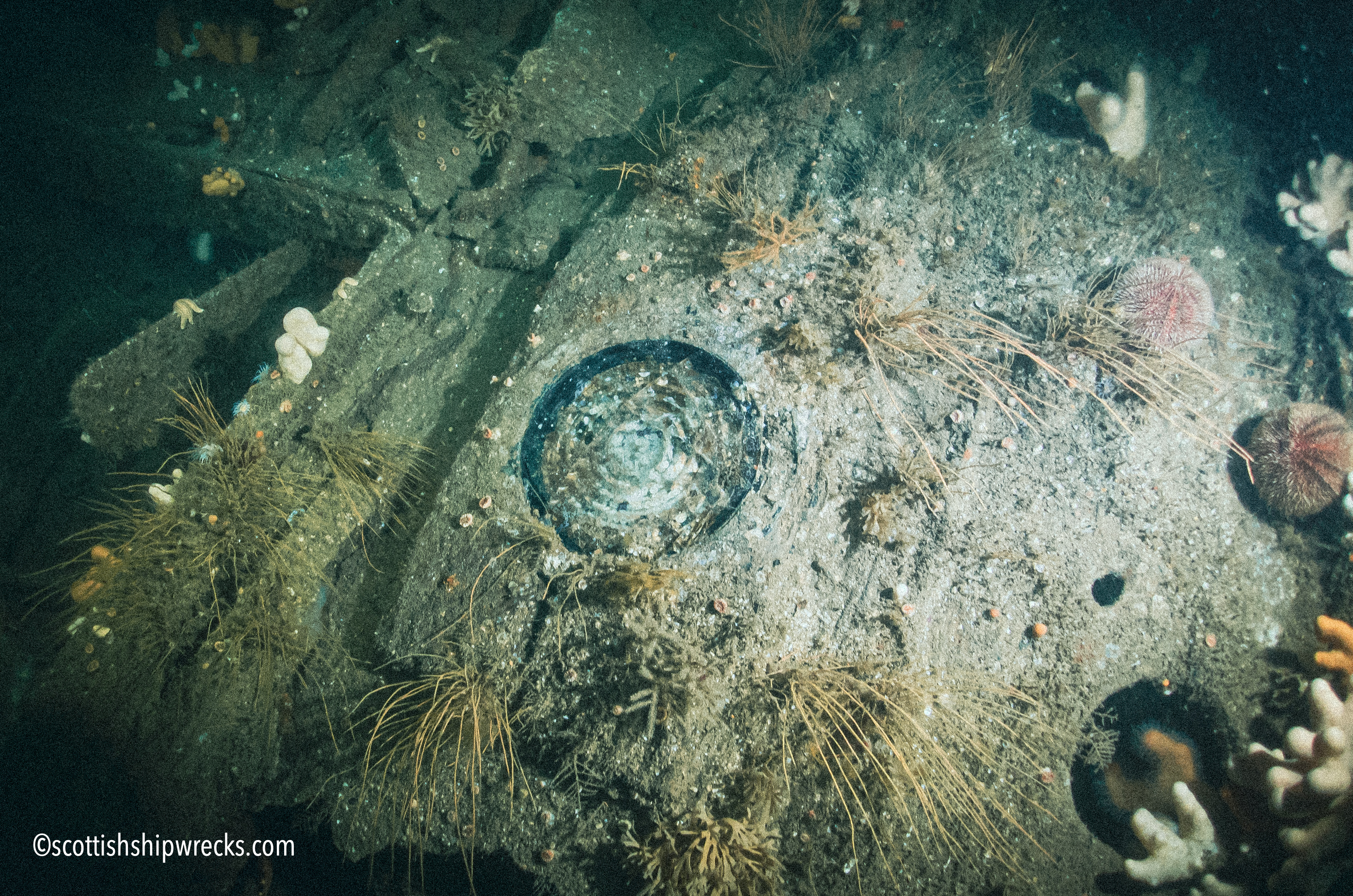
Decklight and vent.
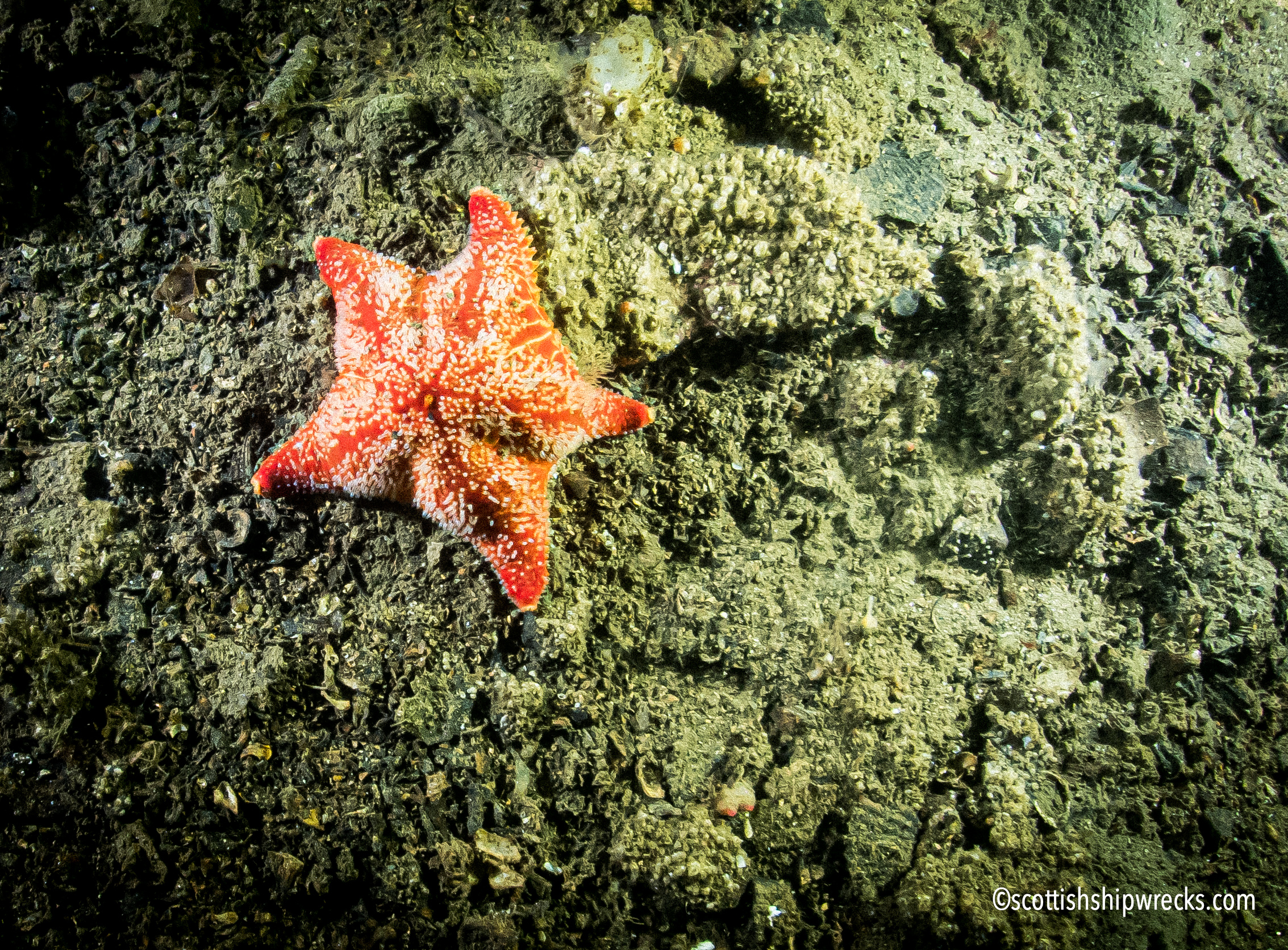
Cushion star and chips!
Bow - split open.
Bow - split open.
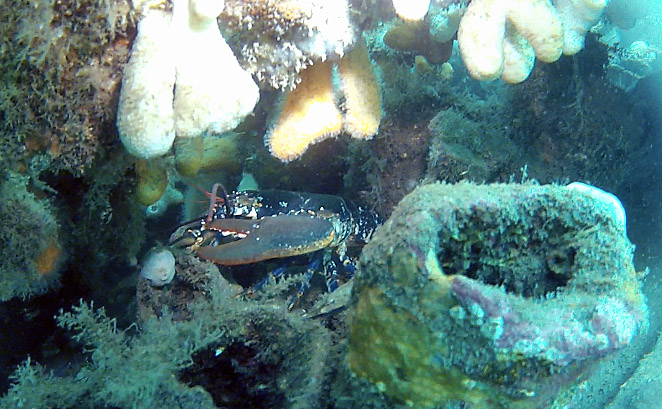
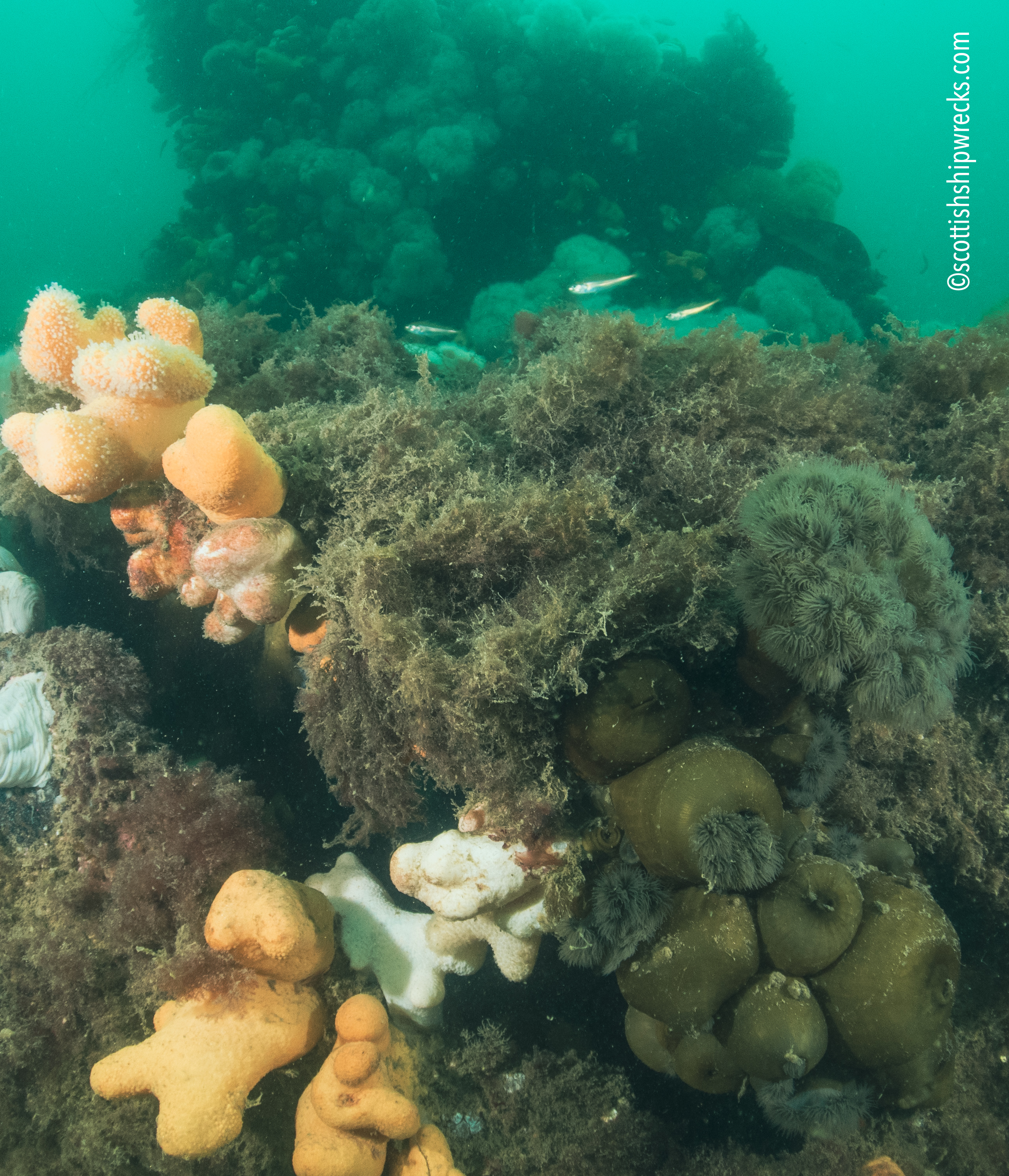
Saturday Dives – overnight the wind had dropped a bit and we decided to dive west side as the wind was due to drop away early afternoon. We headed for the only metal on the east side of Gigha, the remains of the SS Mon Cousu that was moored as a bombing target at the north end of the Sound of Gigha in late 1943 and by early 1944 was so damaged that she sank and was later salvaged in situ. What little remains of the 235 foot long vessel lies in 8-10 metres and provides a very colourful reef for a wide range of sealife and is a great subject for underwater photography. Visibility was around 5-6 metres, probably reduced by the blow on Thursday through Friday.

Moncousu
Moncousu
Moncousu
Moncousu
Moncousu
Moncousu
Moncousu.28.46
Moncousu
Moncousu
Moncousu
Moncousu
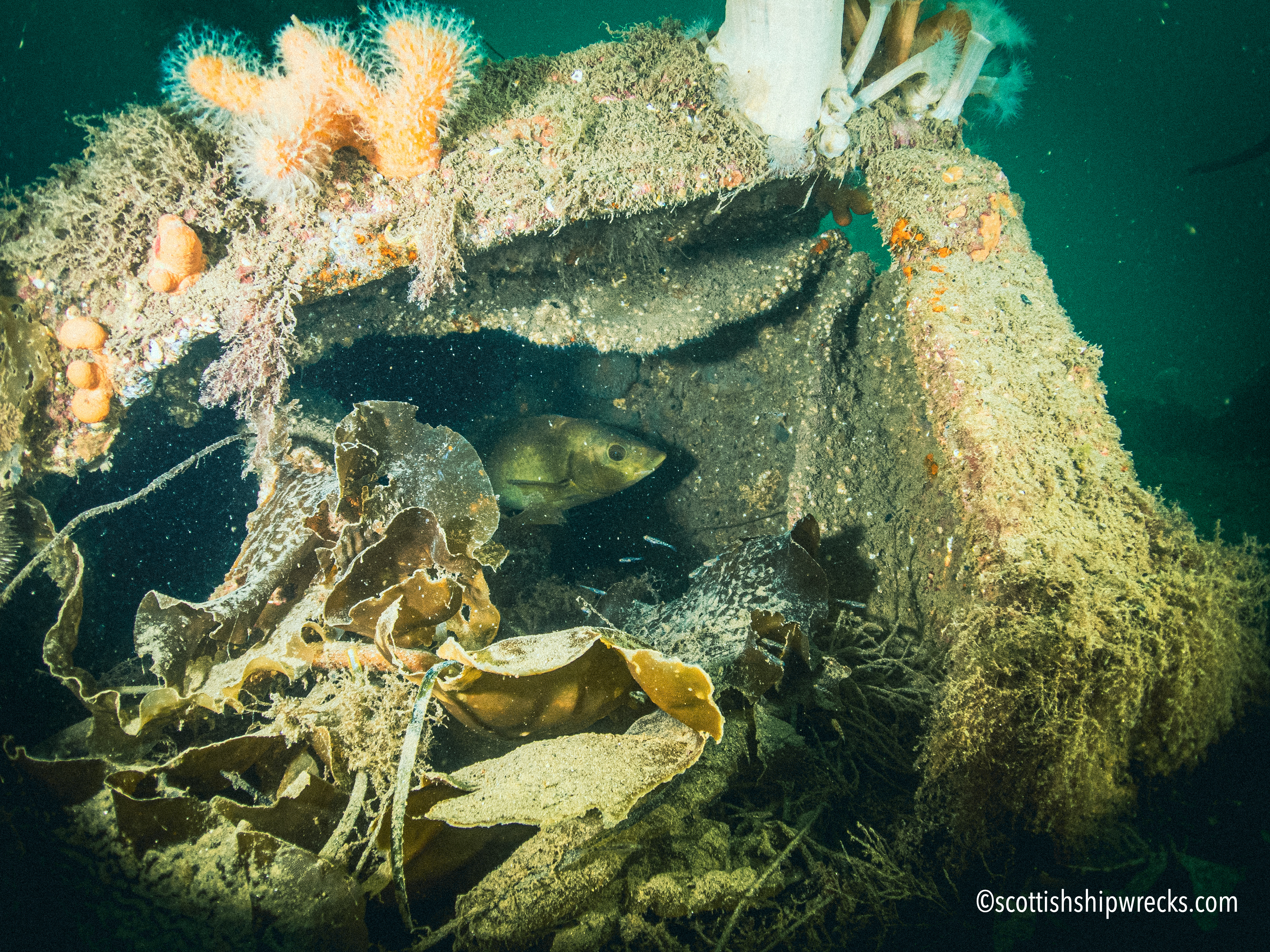
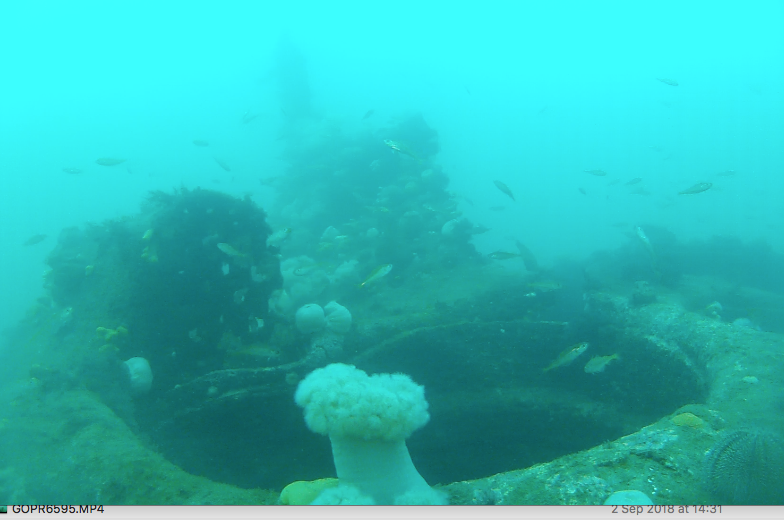
As forecast, the weather conditions improved early afternoon and we moved round to the west coast of Gigha to dive the wreck of the Admiralty steam drifter Riant. The conditions looked great on site and the shot could be seen many metres below the boats. The wreck lies in 31-34 metres although pieces of debris extend down to 36m on the south side. The Riant is a shadow of when I first dived her with Gus Newman from Islay, as she received the attentions of a large scallop trawler many years ago and was basically flattened midships, her bow and stern were also badly damaged. Details of the Riant can be found here Riant. 

Bow port side.
Bow.
Decklight prism.
Steam engine.
Main boiler.
Stern hatch.
Fishing?
Main boiler.
Stern steering wishbone.
Propellor and rudder.
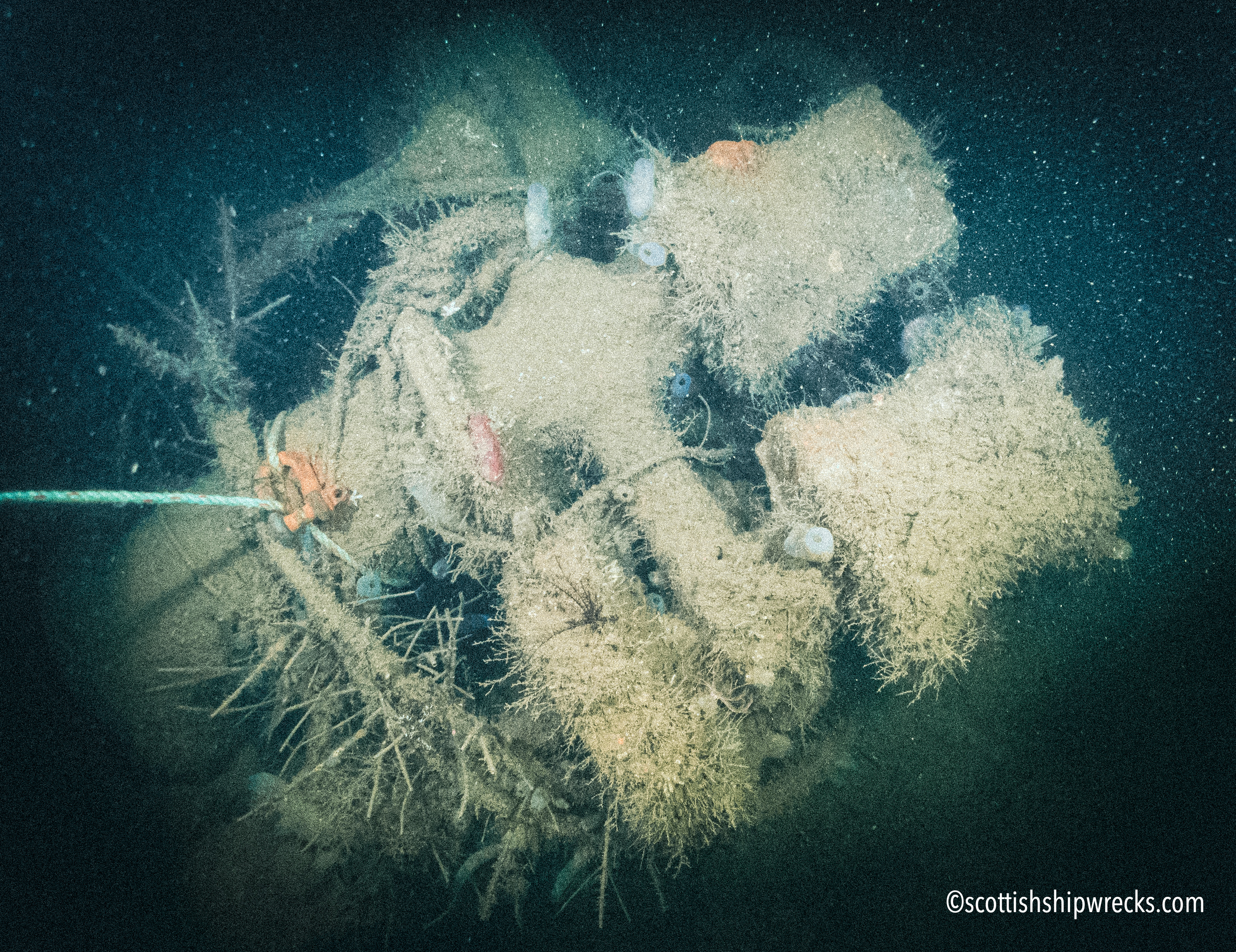
Sunday Dives – at last, the wind had dropped away and we have a flat calm conditions. We are returning to two wrecks south of Tayinloan the steam trawler Ospray II and a paddle tug which we believe is called the Universe. Both lie off Bellochantuy a small village on the Campbeltown road. First to be visited was the Ospray II, once a beautiful wreck, again found by Gus Newman, but sadly its been smashed by scallop dredgers. The main features remaining are main trawl winch, boiler, steam engine and propellor. Details of the Ospray II can be found here Ospray II.

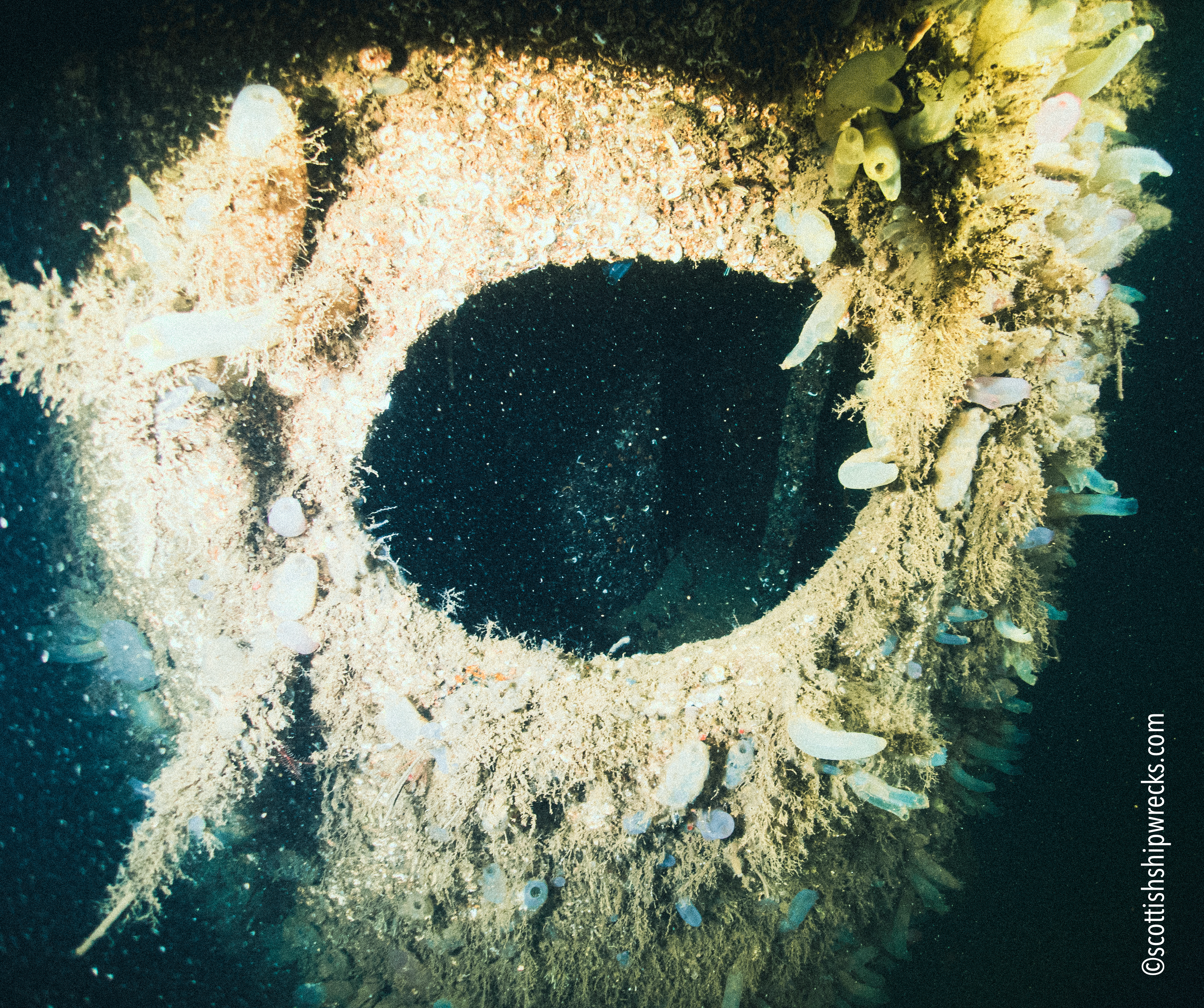
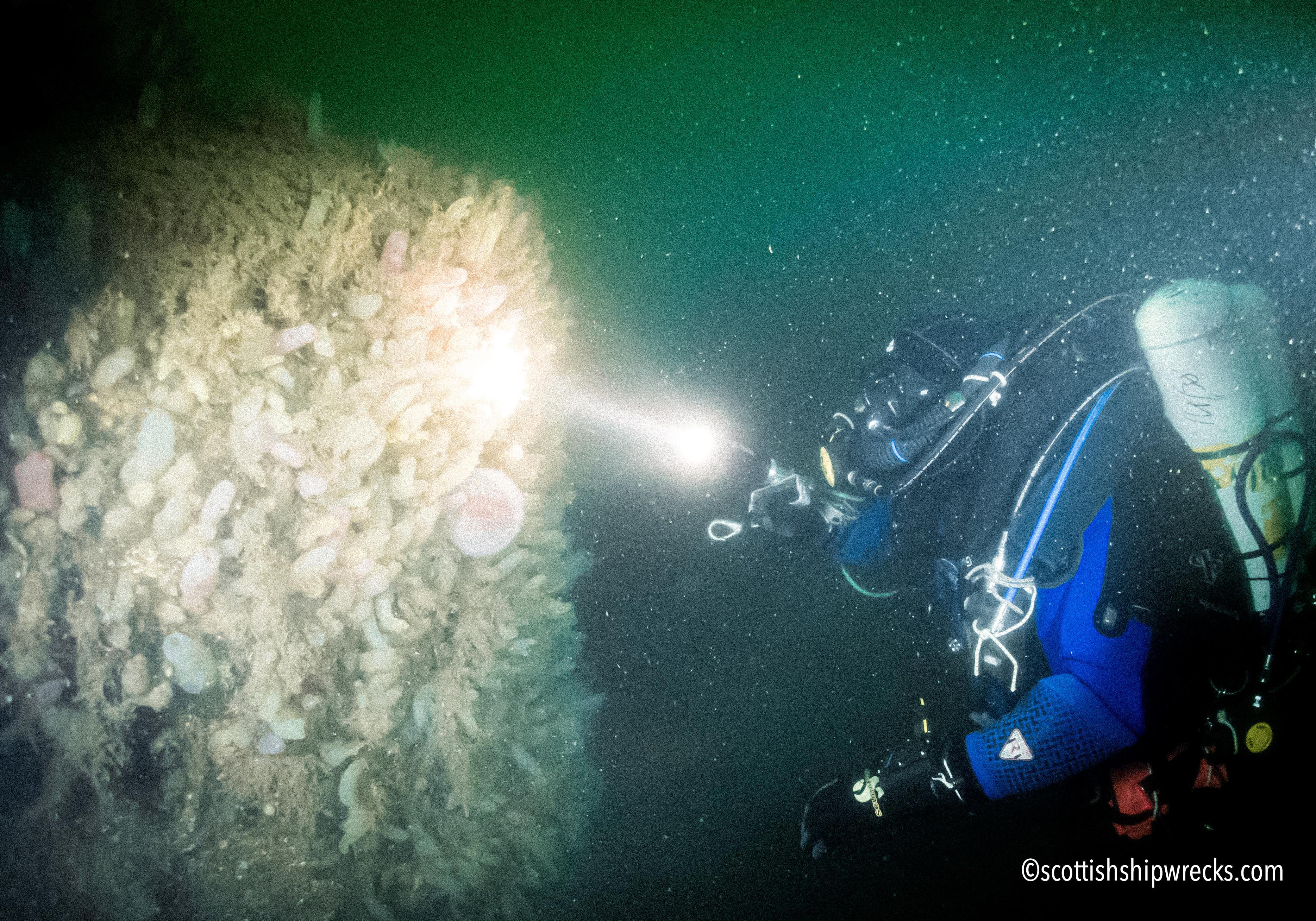
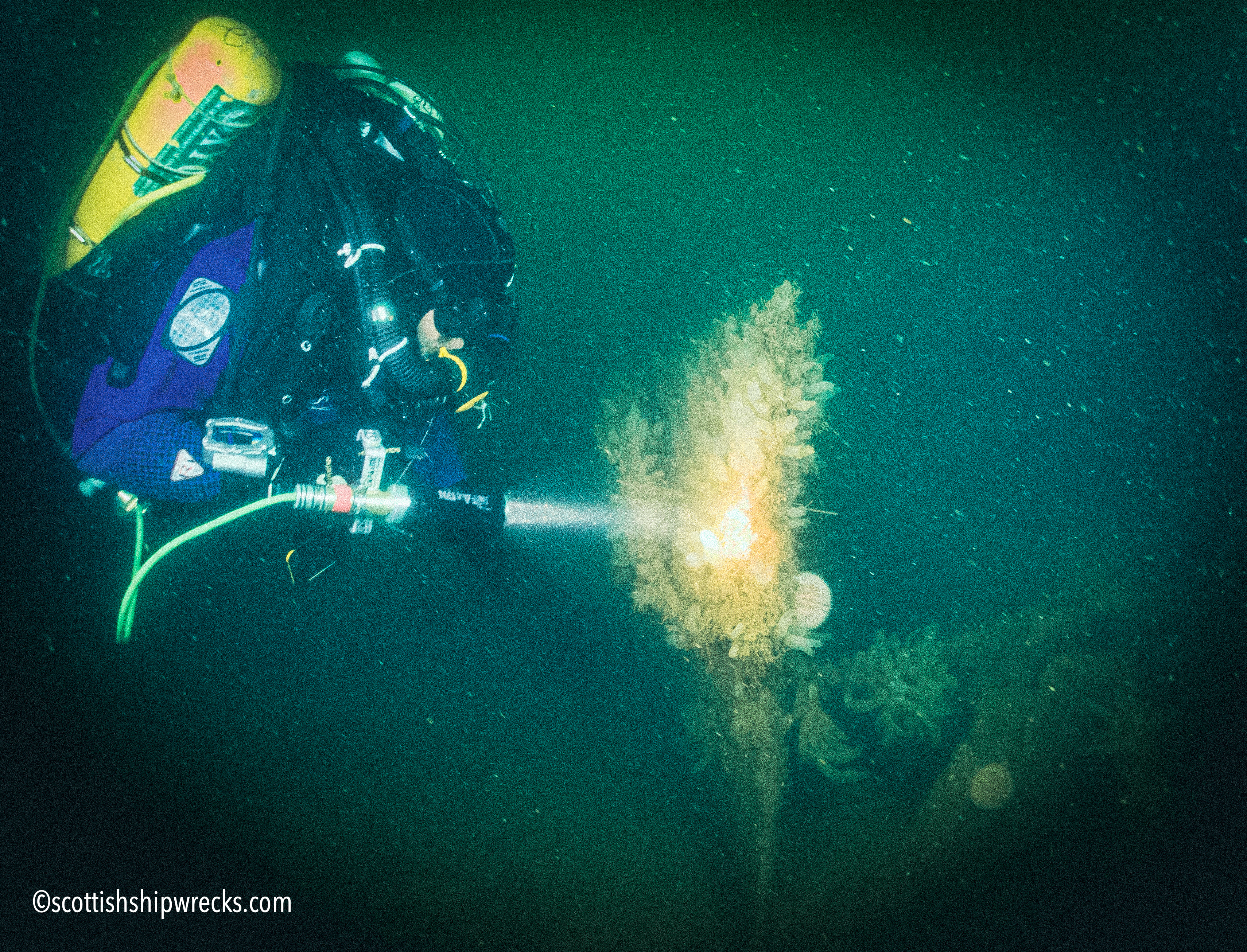
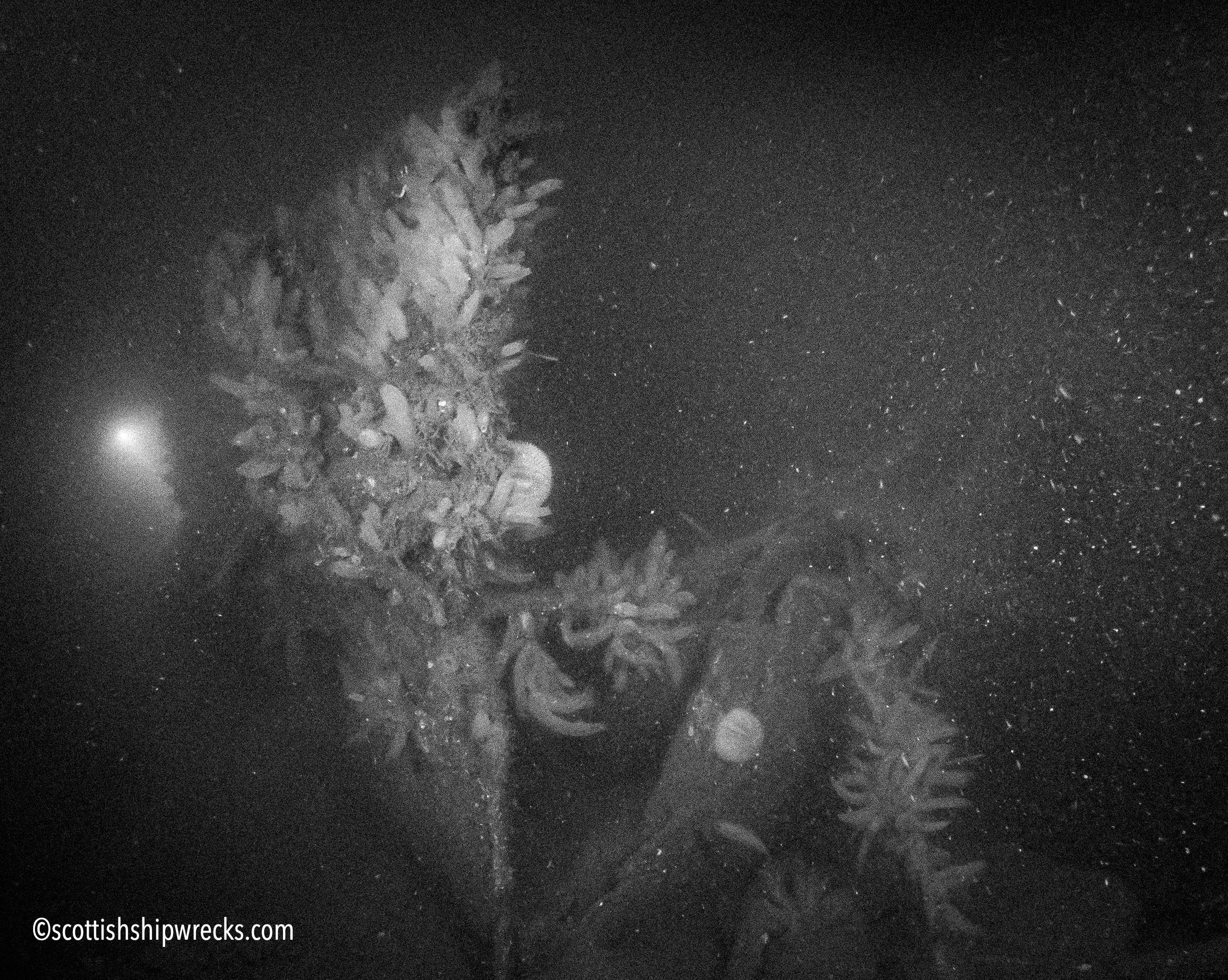
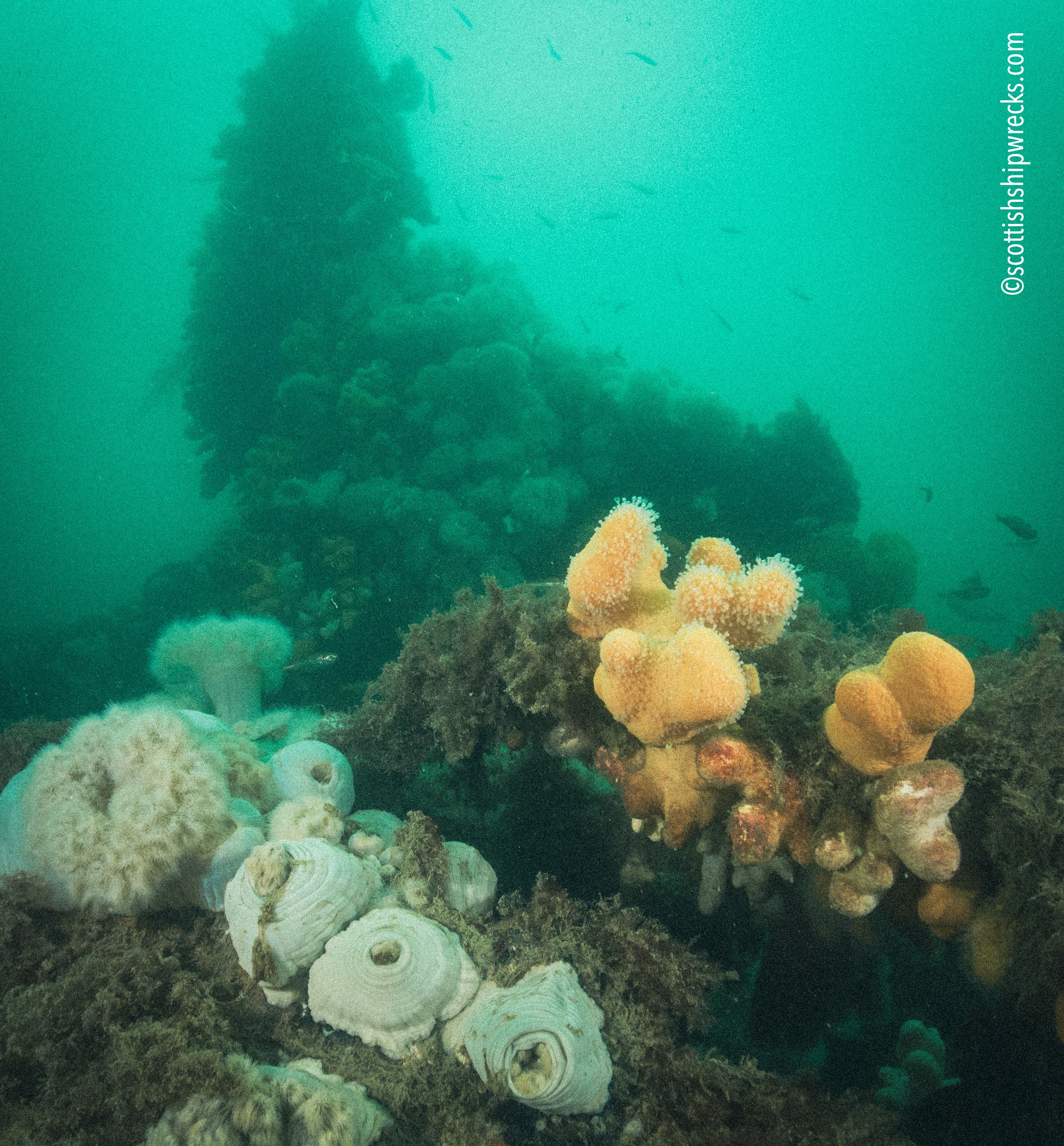
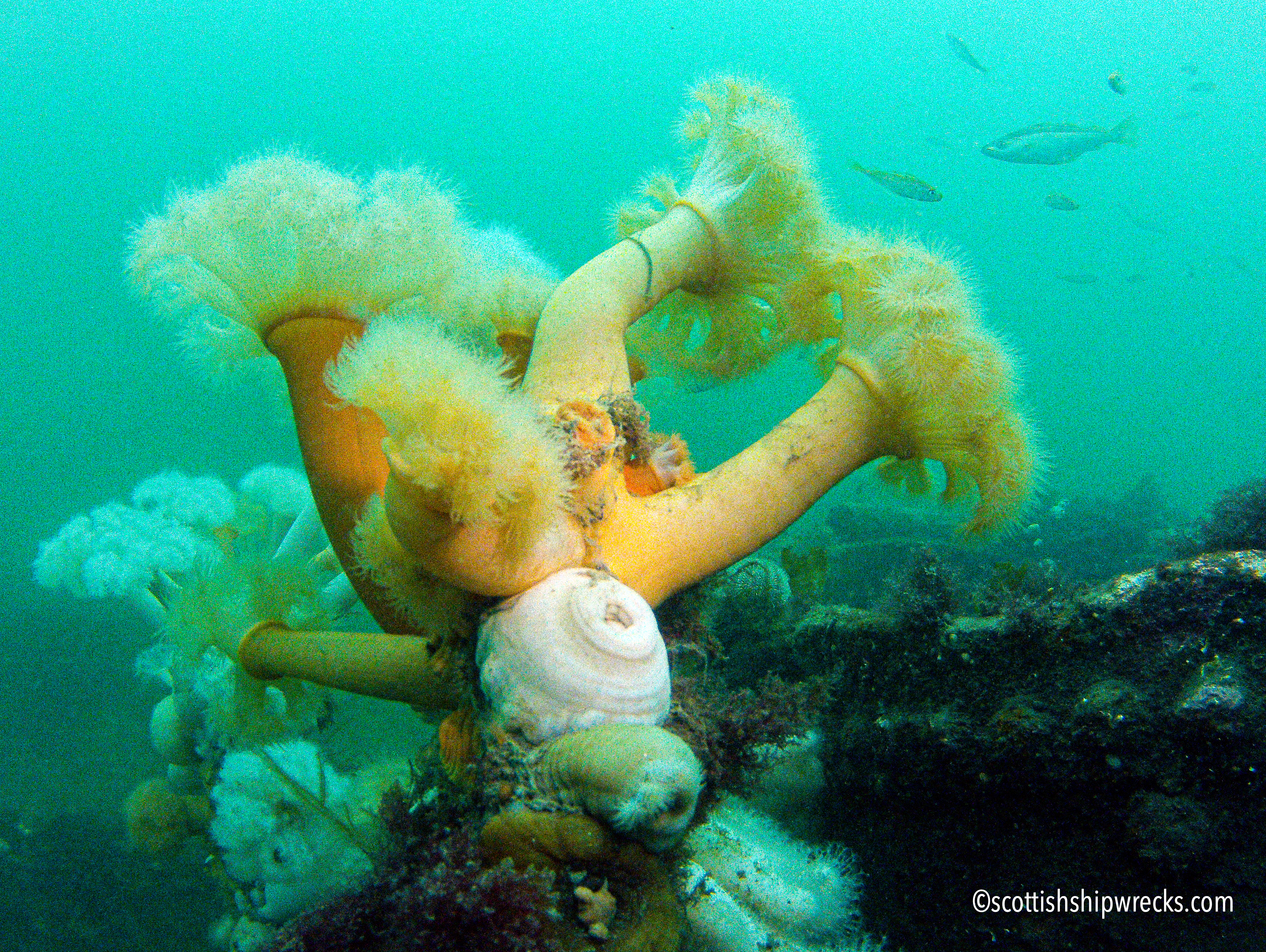
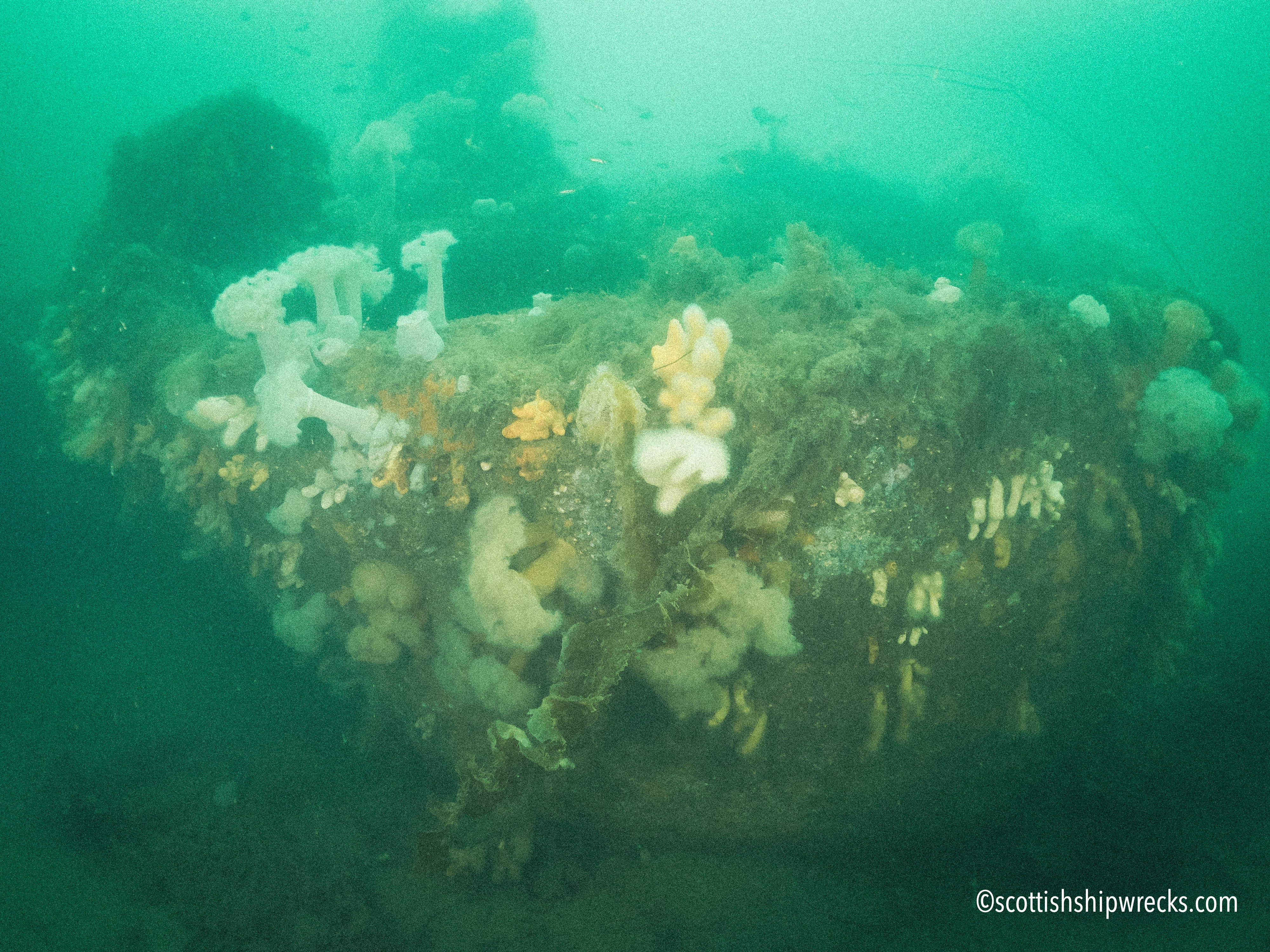
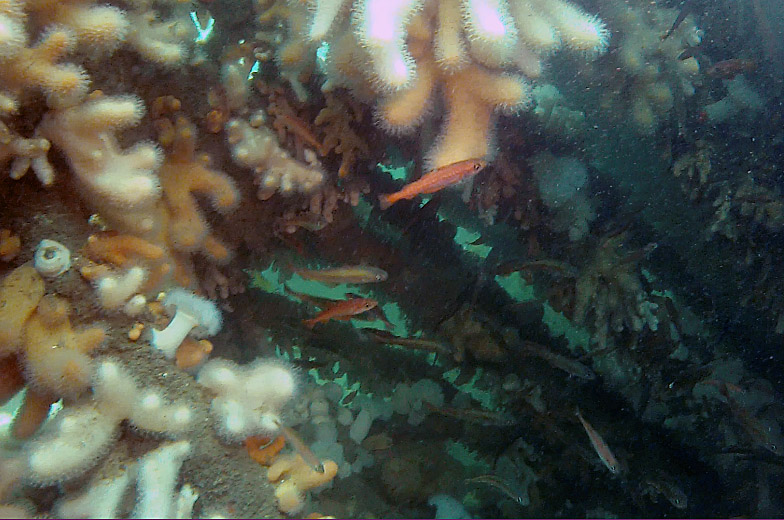
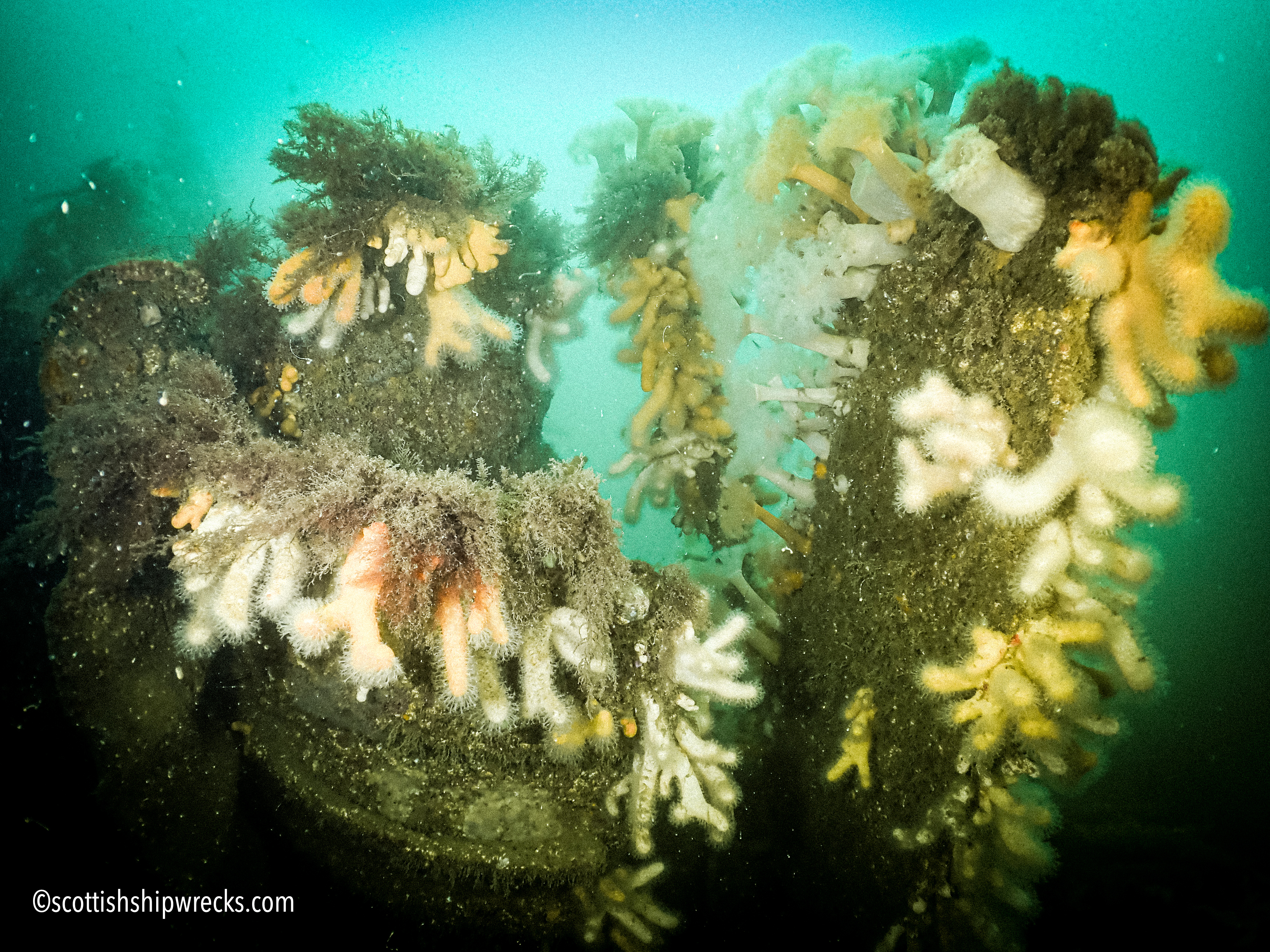
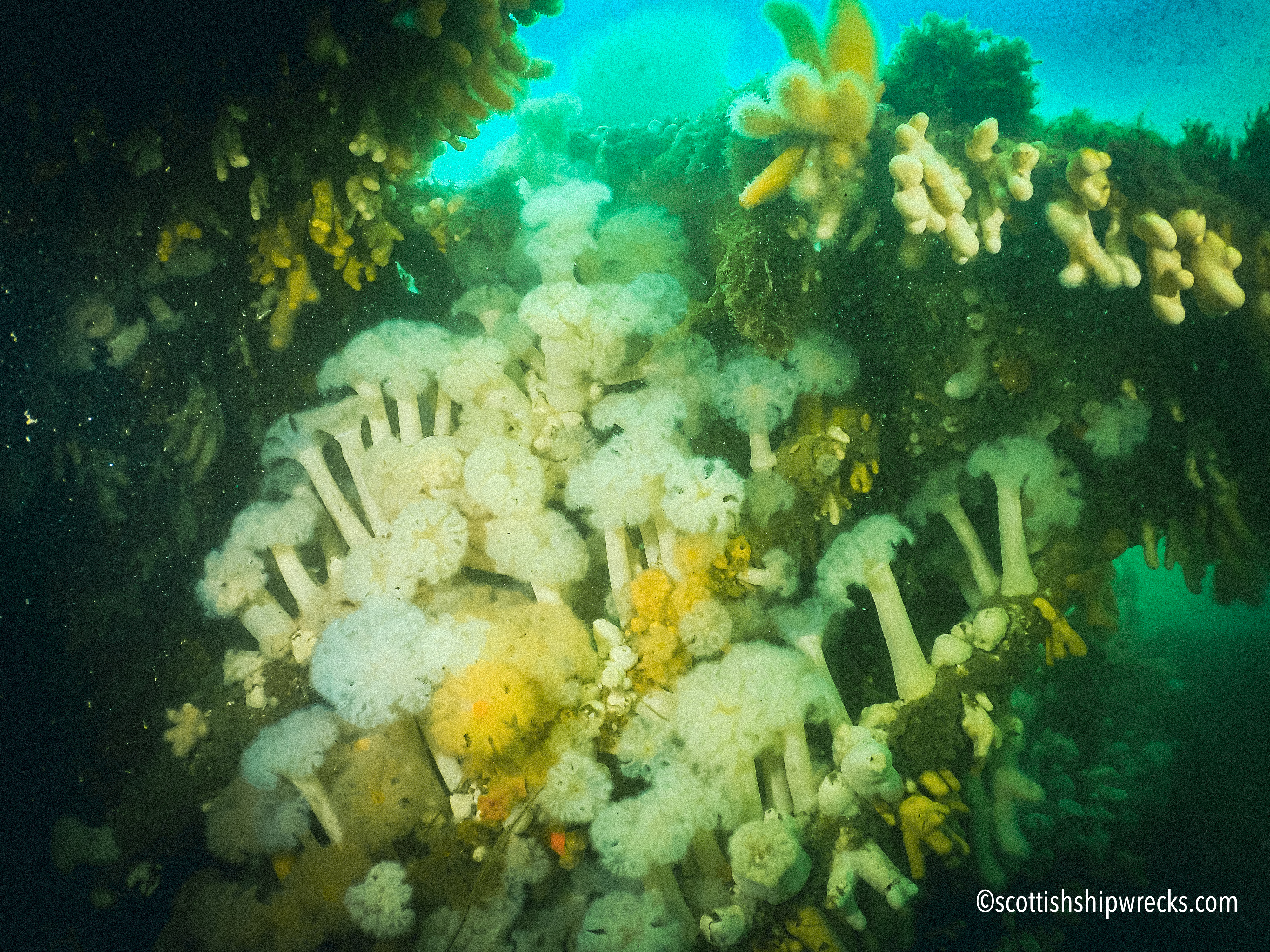
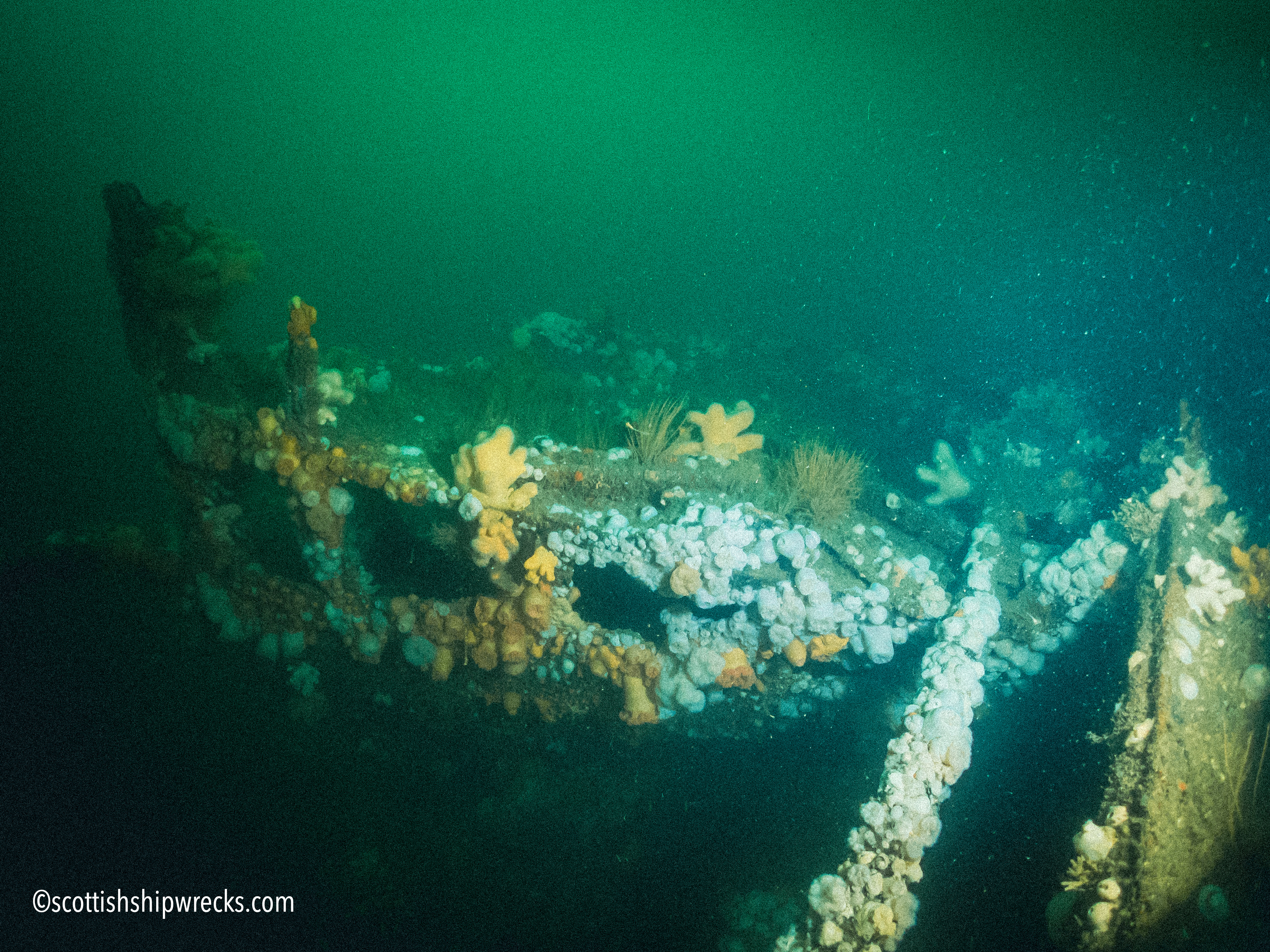
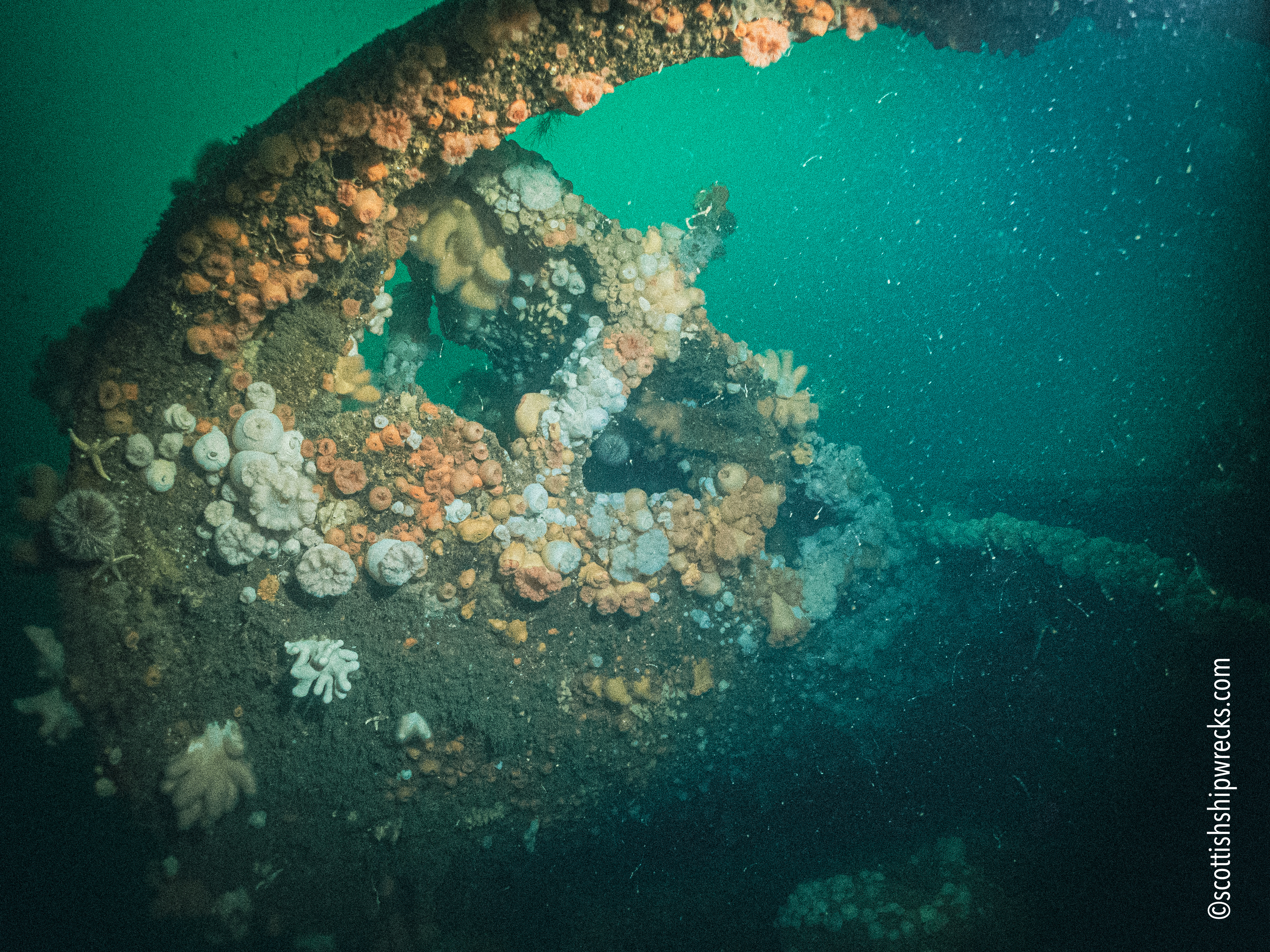
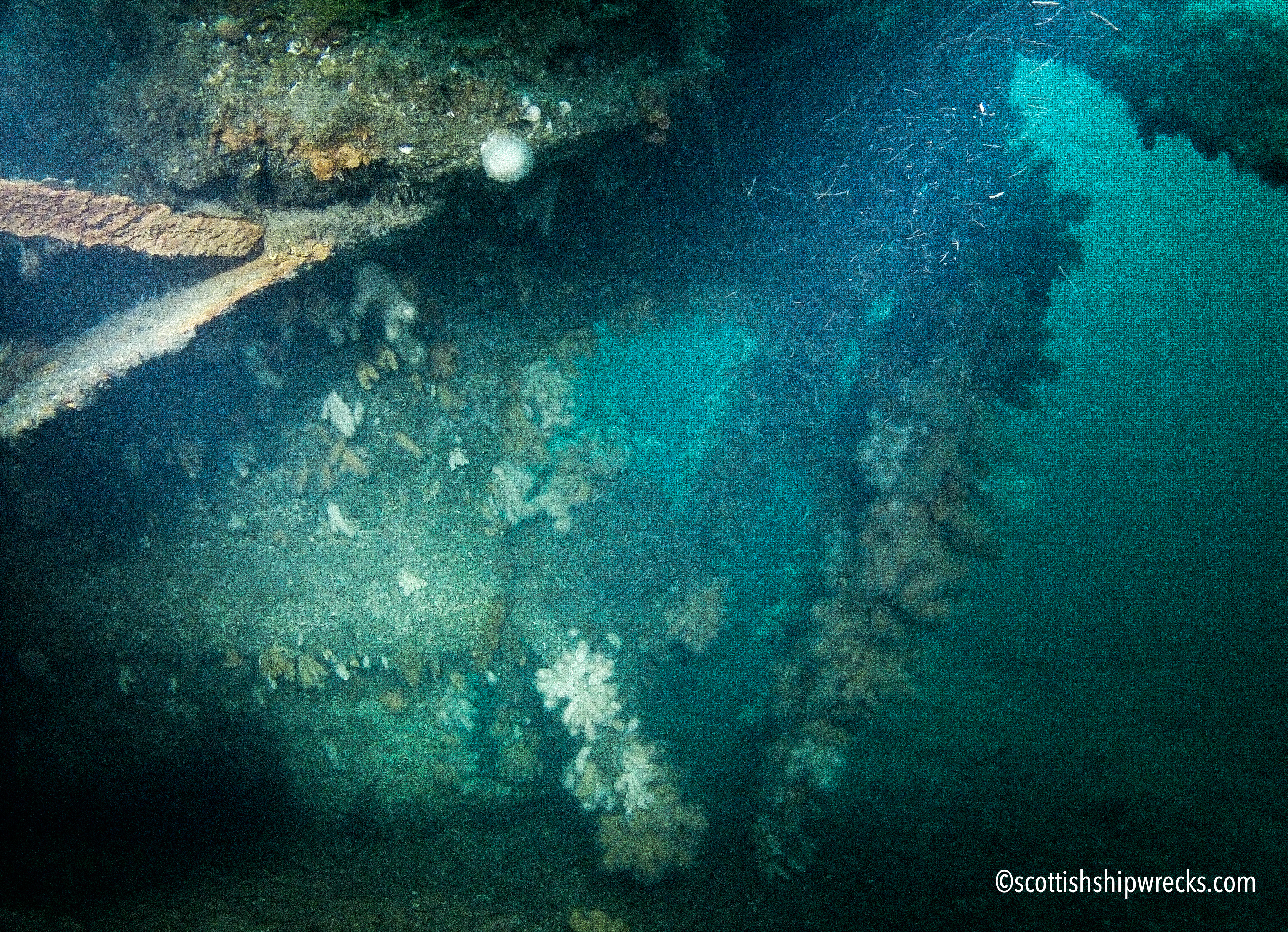
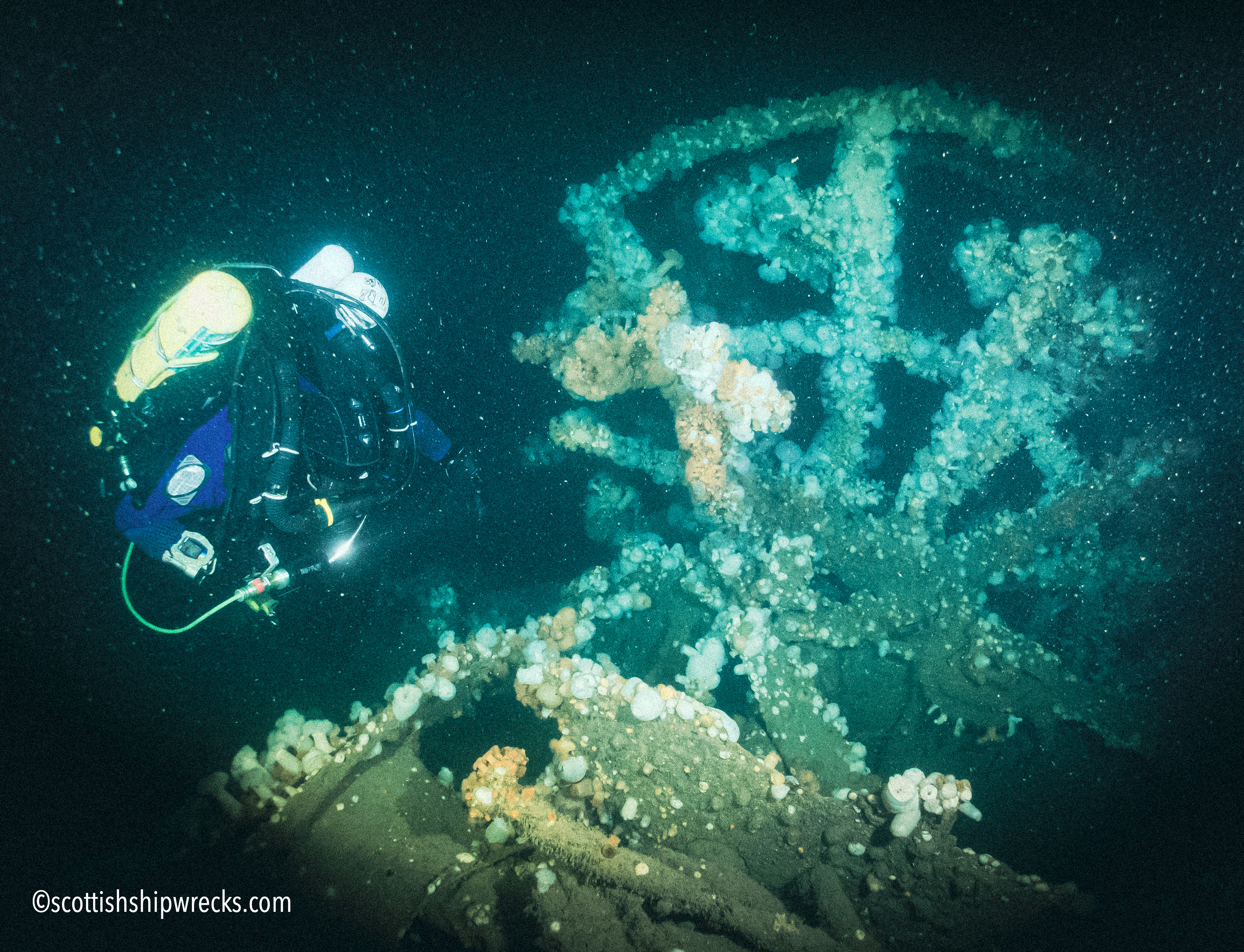
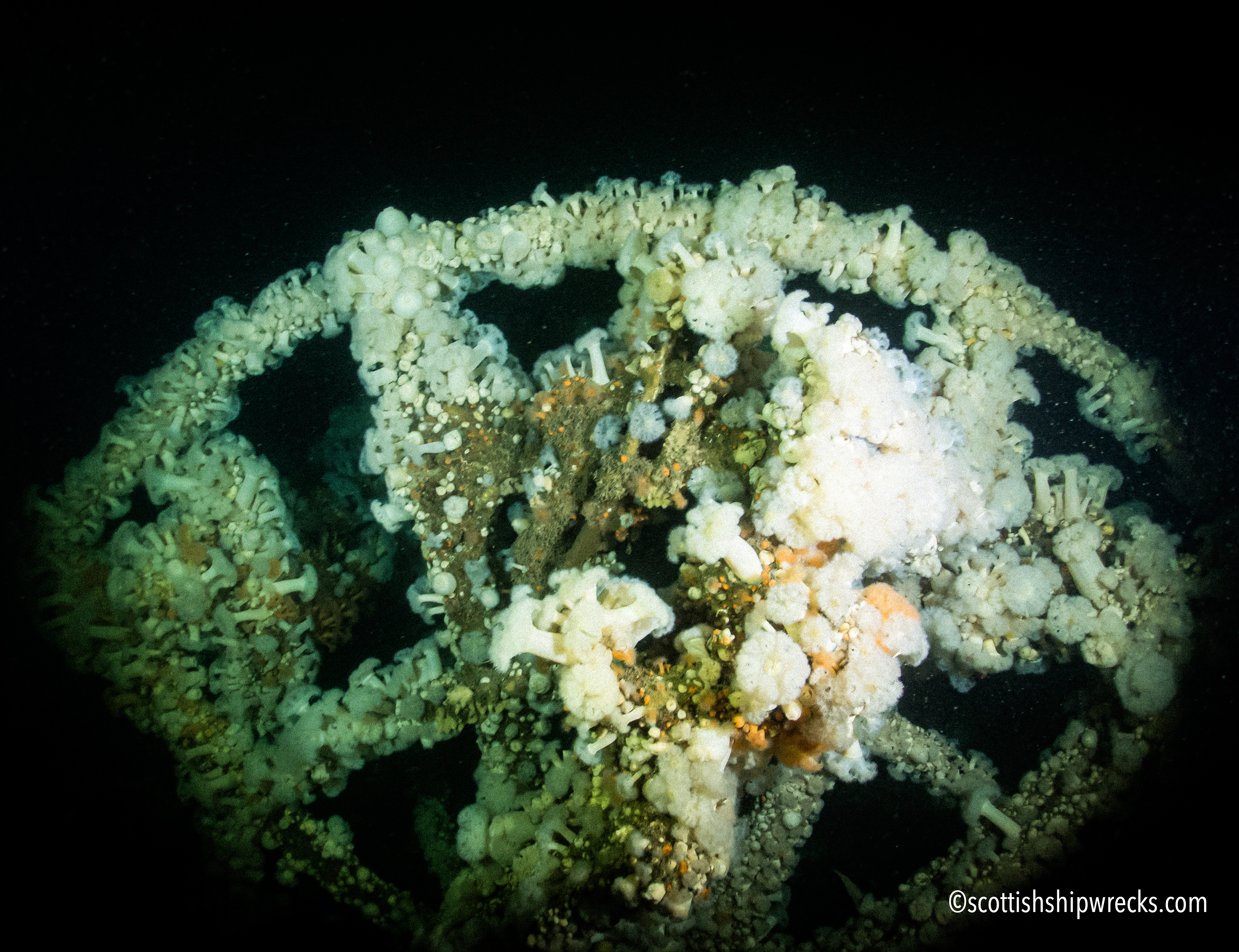
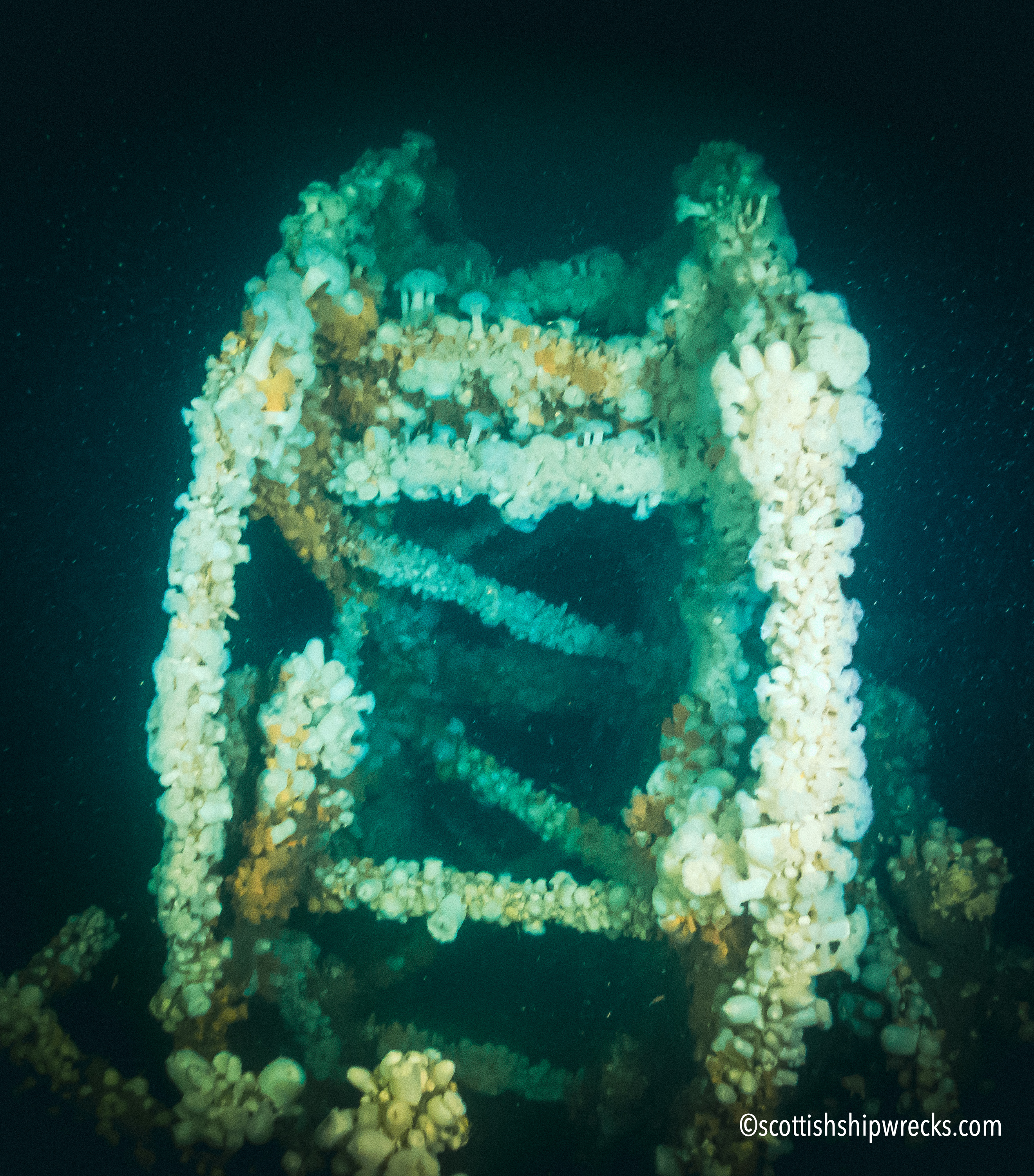
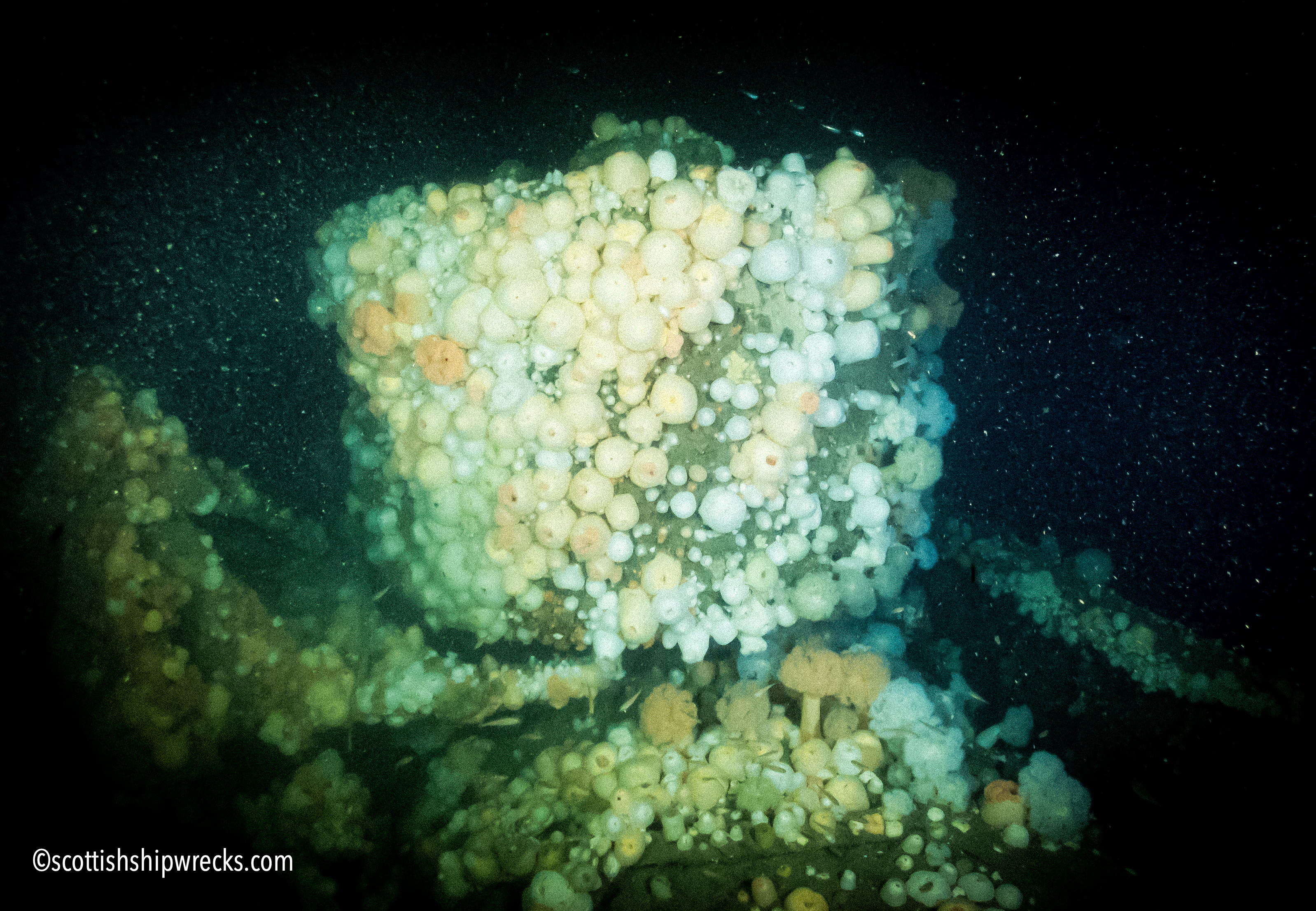
The second wreck to be visited was the Universe, fortunately she has avoided the attentions of any fishing activity, with no nets, buckie pots, ropes or any debris. This wreck lies in 62 metres and rises between 2-4 metres. Visibility of the wreck was very good, probably 10-12 metres, sealife has coated the paddle box framing with dense clumps of orange and white plumose anemones, shoals of small fish and large bib swam around the central section. We hope to add a page for this wreck once we have concluded a bit more research into her loss, but here are some pictures from the dive.
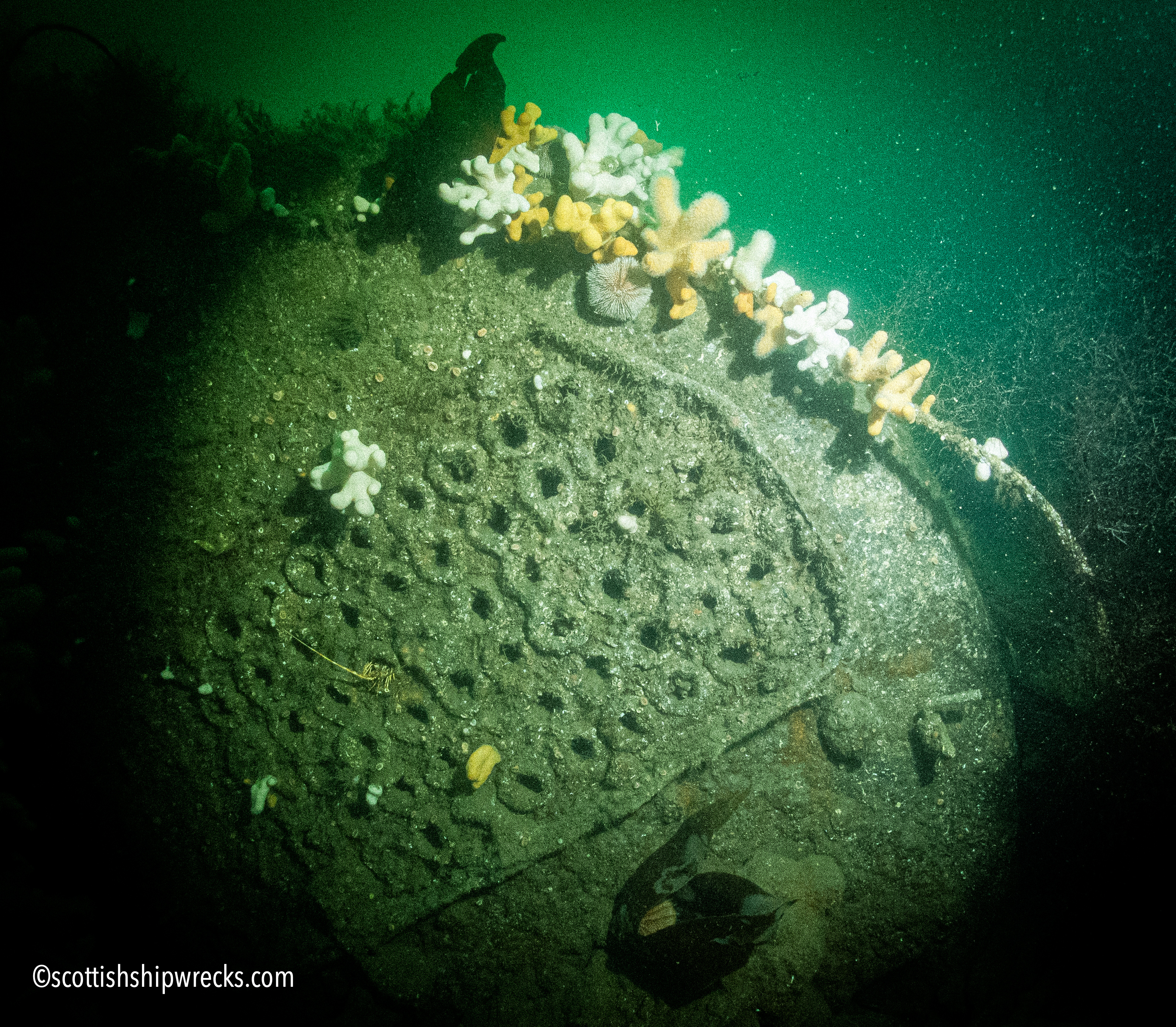
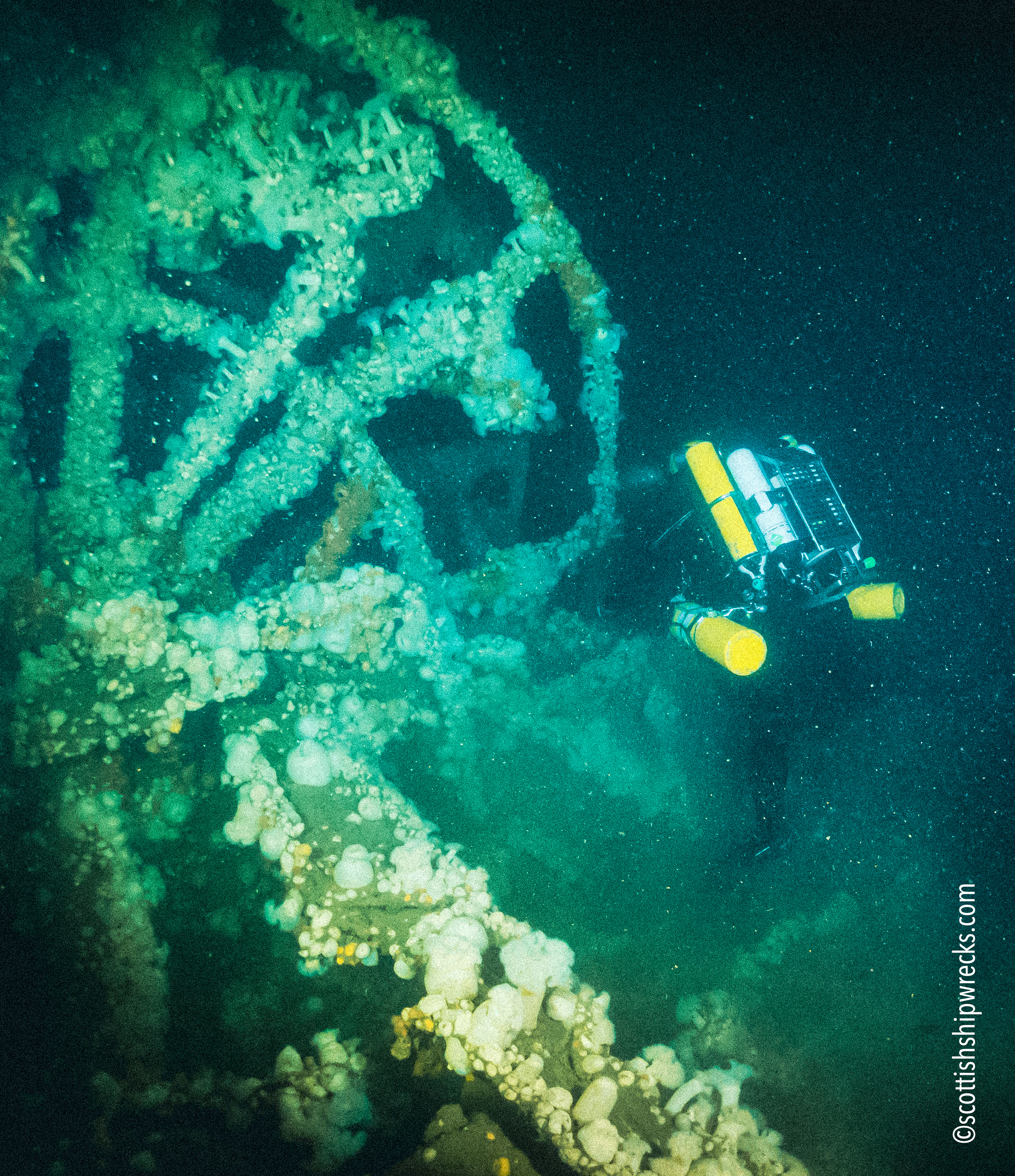
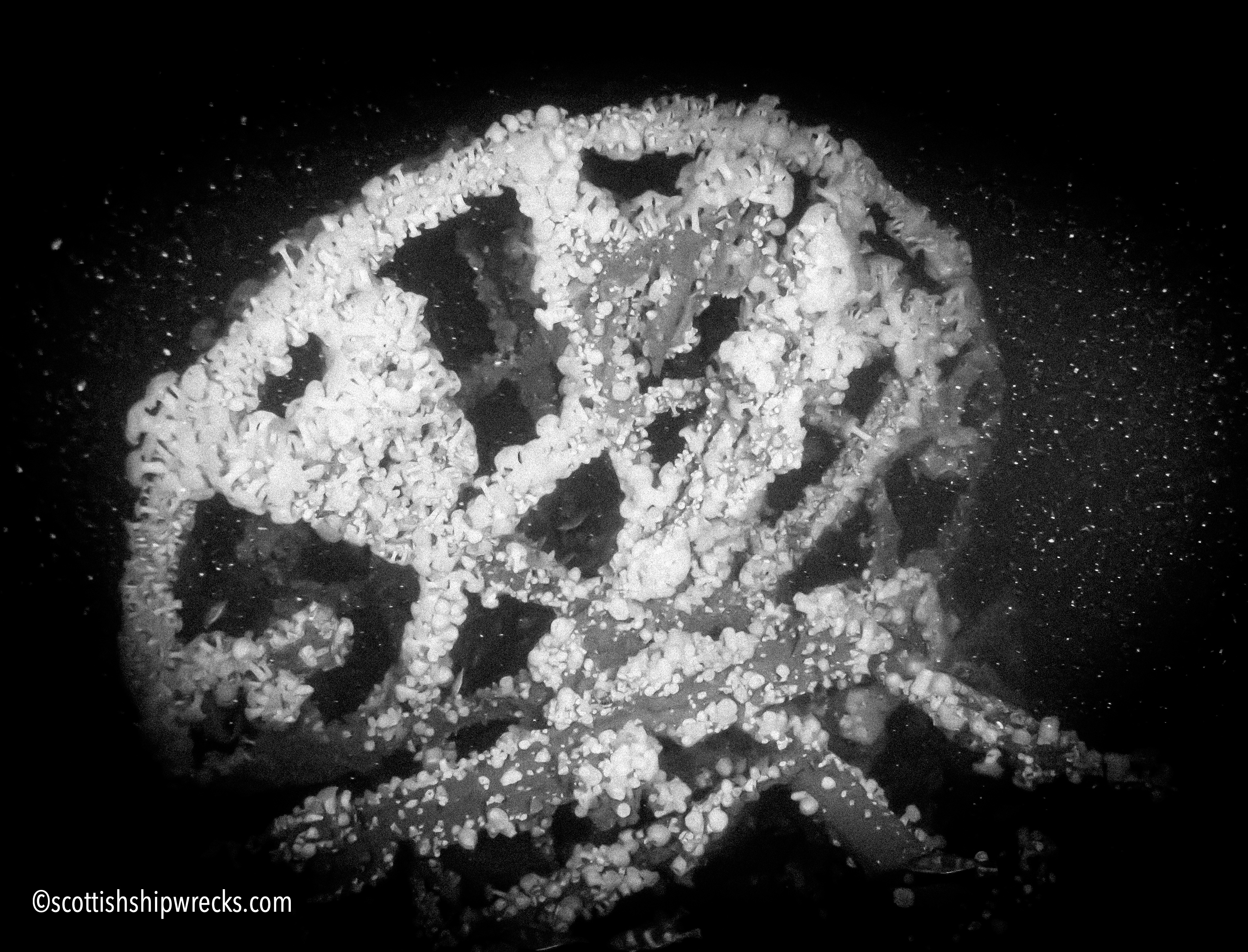
Port paddle box.
Port paddle box.
Starboard paddle box.
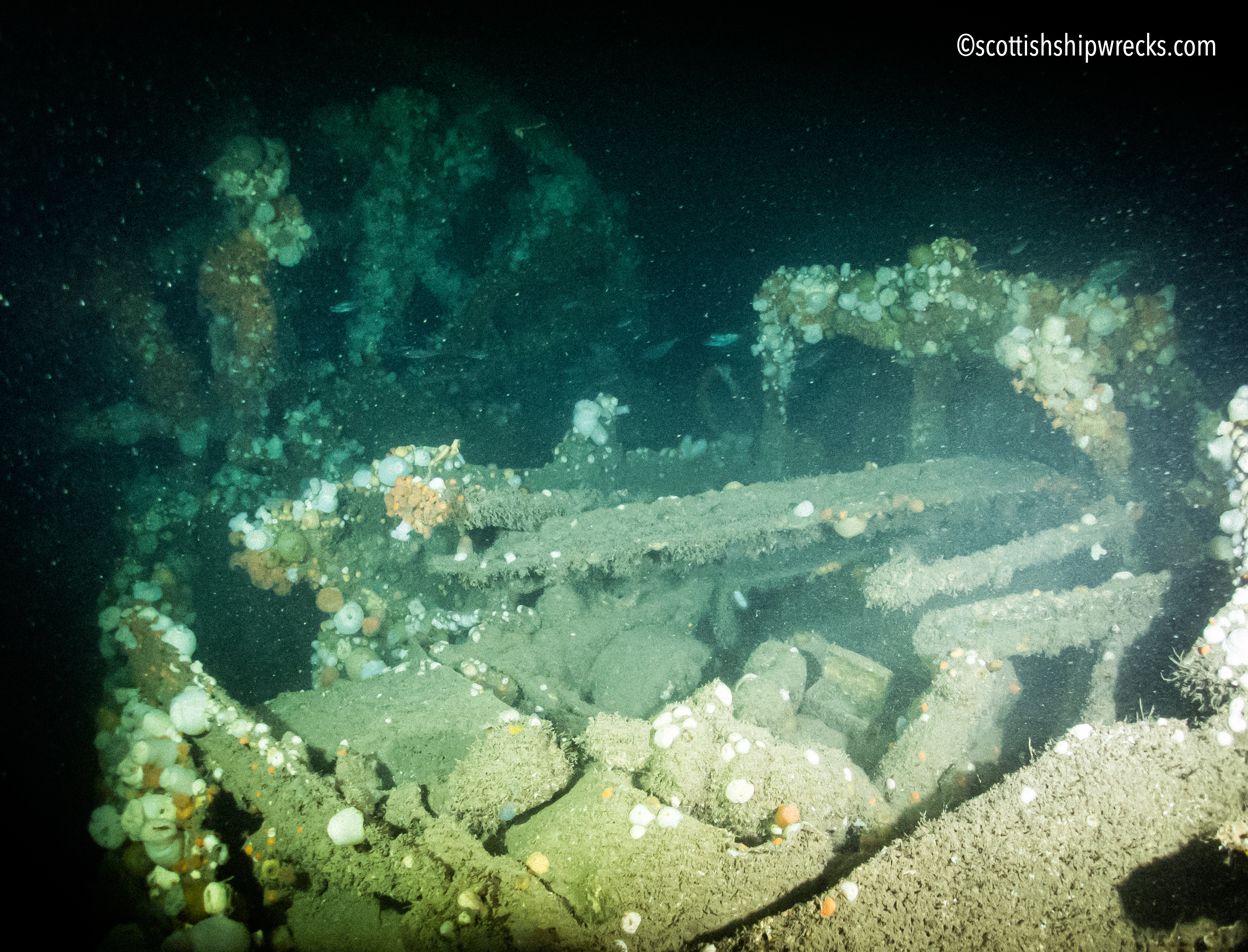
Engine room forward bulkhead.
Crosshead of engine thro' deck.
Paddle box.
Paddle box.
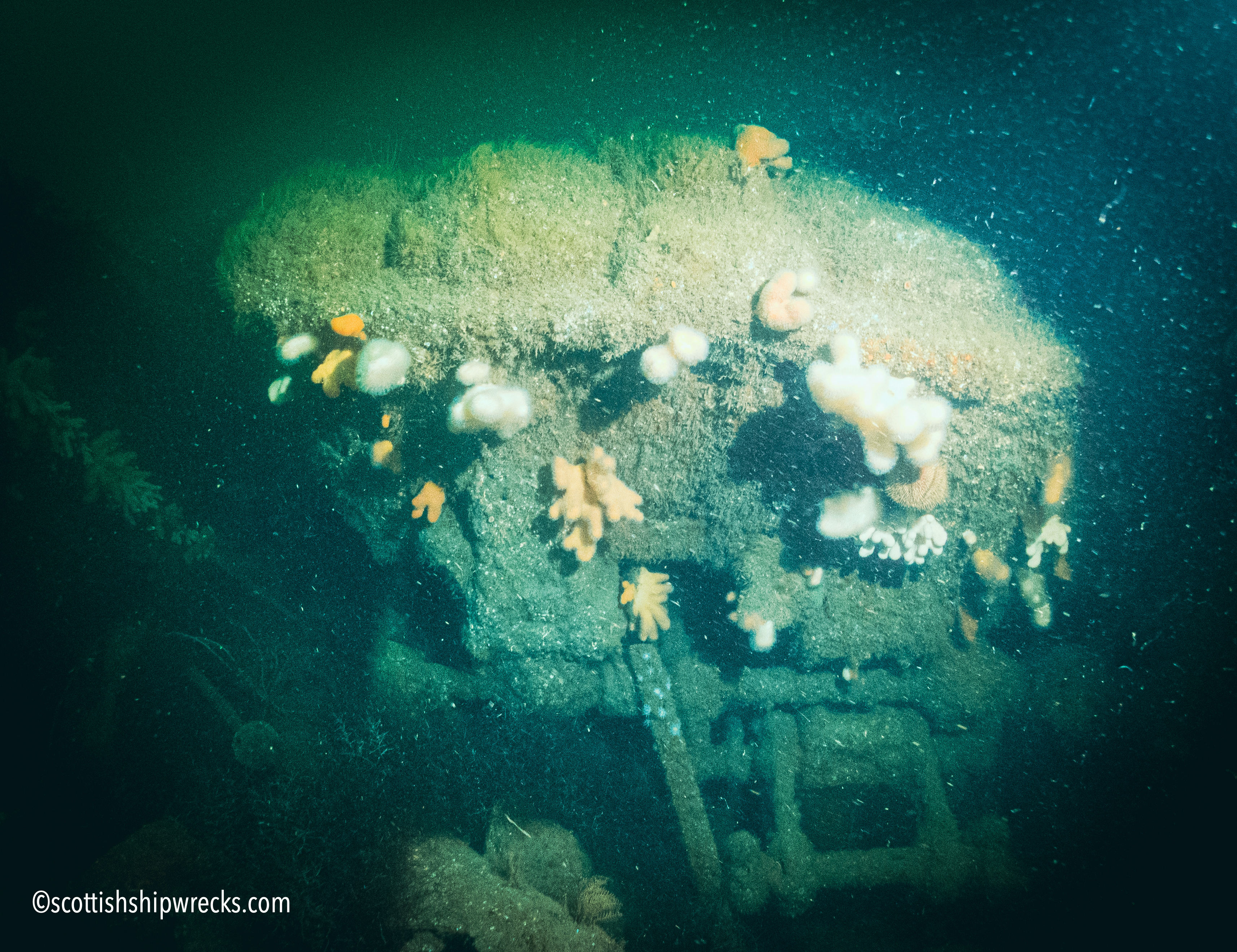
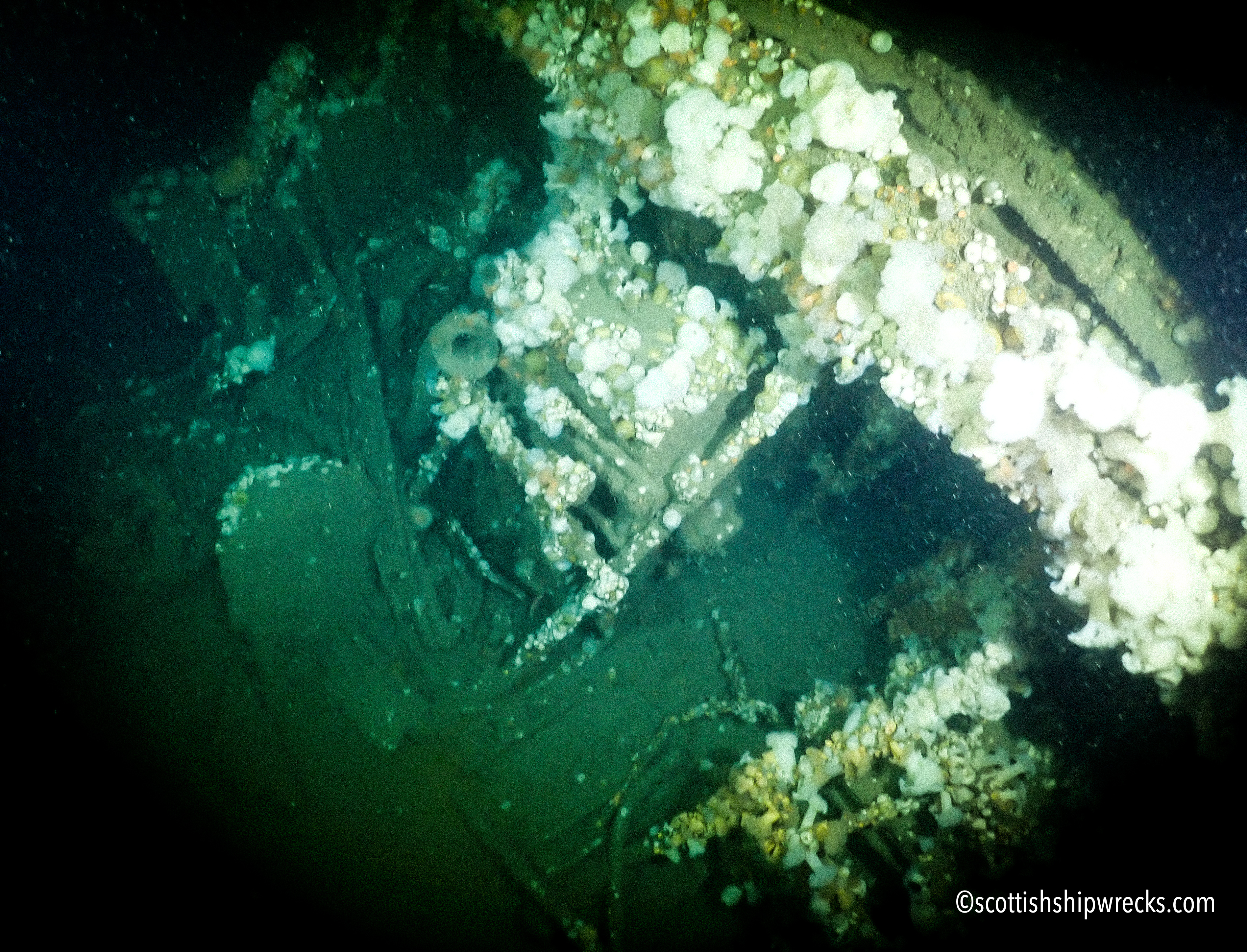
Top of twin boilers.
Top of port boiler.
P8150379
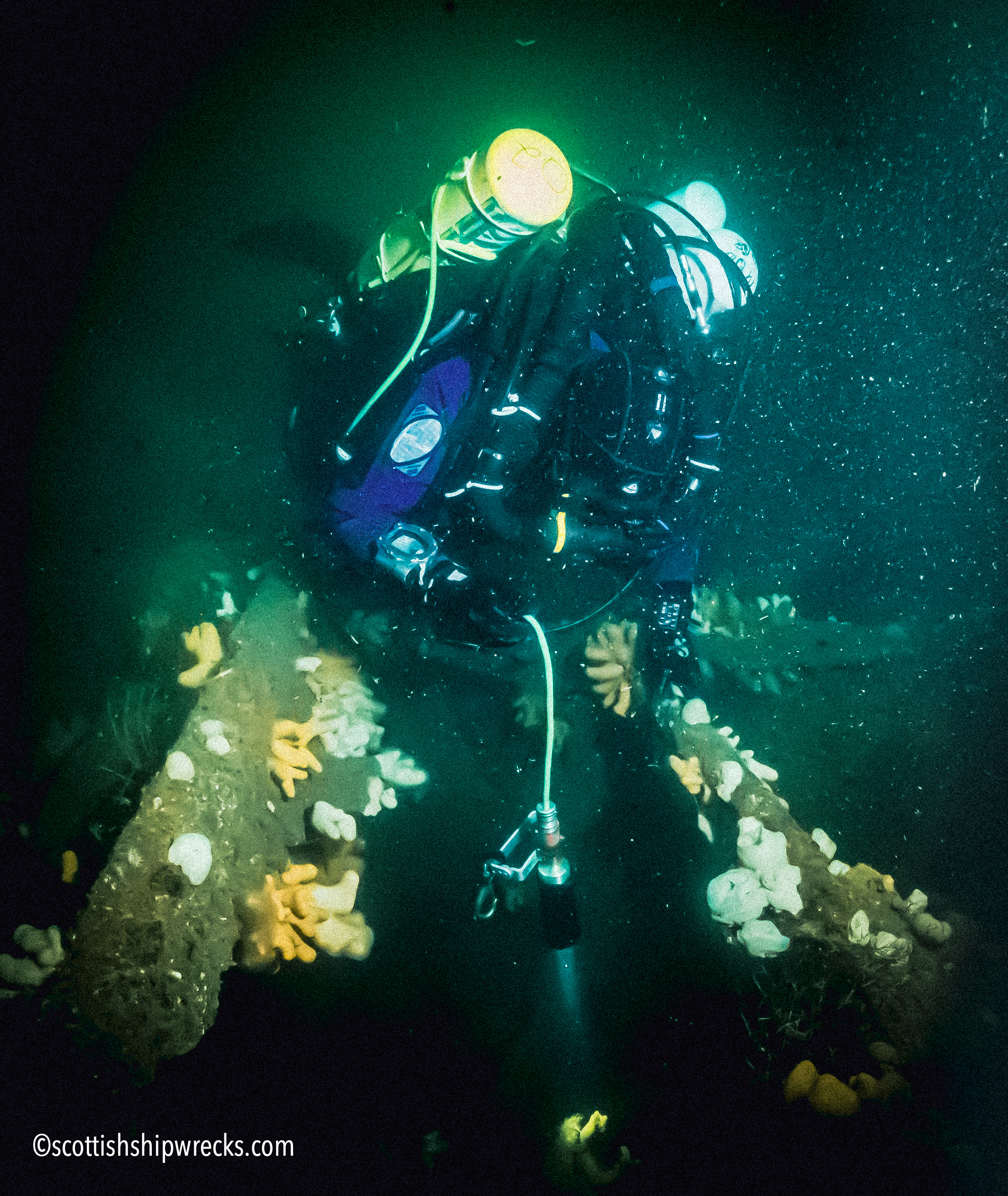
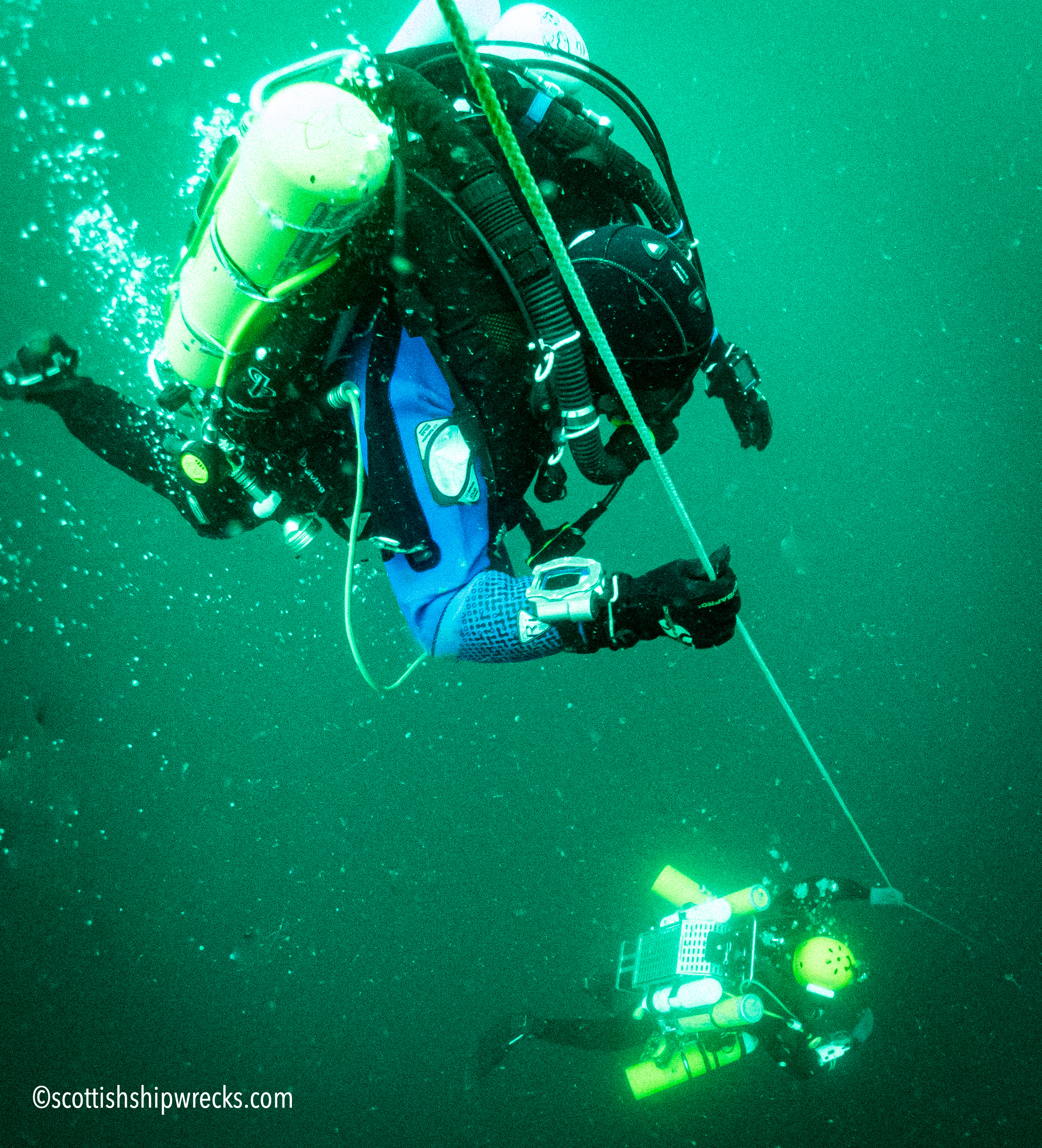
Deco time.
Boredom sets in.
P8150397

Share this:

  • Share on Facebook (Opens in new window) Facebook
  • Share on X (Opens in new window) X
  • More
  • Print (Opens in new window) Print
  • Email a link to a friend (Opens in new window) Email

Filed Under: Uncategorized Tagged With: CCR, Diving, Gigha, Kintyre, Shipwreck, Tayinloan

Comments

  1. George Farrow says

    18th August 2021 at 07:10

    Hello Peter,
    I was particularly interested to see your account of the Margaret Niven because I have just completed “The Streets of a Great City” , a volume which describes the development of the various sources of stone used in Glasgow. I was inspired by the art of Archibald Kay and the book’s title is the subtitle of his finest painting – of Furnace Quarry: he also produced a great painting of a puffer loading at Crarae.
    Only 20 copies were produced in hardback, going to the archivists/curators on whose data the book is based. However, If you would care to see it in pdf form I can attach it to an email via my Google Drive. It has many tabulations of vessels and their captains; and dates of arrival at Glasgow. Ian Whittaker kindly helped with shipwreck data and your own books and website are naturally given a strong plug!

    Reply
    • Peter Moir says

      20th August 2021 at 14:14

      Hi George, thanks for getting in touch, would welcome a look through your book, always interested to read about puffers and the Clyde. My email is peter.moir1@btinternet.com. Many thanks Peter

      Reply

Leave a Reply Cancel reply

Your email address will not be published. Required fields are marked *

Subscribe to Blog via Email

Enter your email address to subscribe to this blog and receive notifications of new posts by email.

Our Social Media Sites


Shipwreck Slideshow

Admiral Cordington Barcombe Belford Bombardier Brigadier Clydesdale Cormoran Coronella Dunira Grenadier Harald Hereford Express Islay Kathleen Stromboli Lapwing II Laverock Milewater Mountaineer Norse Paulina Hexpress Pirate Pretorian Princess Patricia Rondo Tyrconnel Agios Minas

Site built and hosted by Braveheart Webdesign Islay