THE BLOCKSHIPS

The story of Scapa Flow is the story of British Naval history since the late 19th century. Chosen as the most important base of our navy due to it’s strategic geographical location guarding the entrance to the North Atlantic for many of the European countries it was the British Grand Fleet’s main anchorage for both World Wars. ‘The Flow’ as it is known in naval circles is guarded by a number of small islands round it’s periphery but the many channels between these islands offered an opportunity to enemy vessels, especially U-boats, to penetrate the anchorage and attack the fleet. During both conflicts the channels not used by the British to enter and exit the anchorage were blocked when dozens of vessels were deliberated scuttled to ensure the enemy could not penetrate – the wreckage of many of these vessels still lies where they were sunk. Some were removed after the end of both conflicts but many remain with some even visible above water and ashore. These are the blockships.

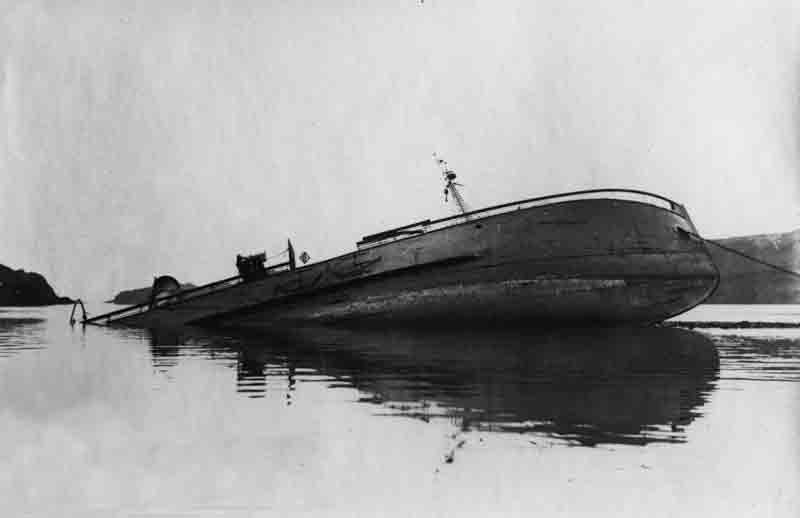
We have now added a full section to our website ( The Blockships ) which you can access here providing the history of the vessels, the details of their scuttling (and subsequent removal if appropriate) and the position and status of the wrecks today. The section includes some interesting, previously unseen, photographs of the wrecks in position from the Arnott and Young photograph collection.


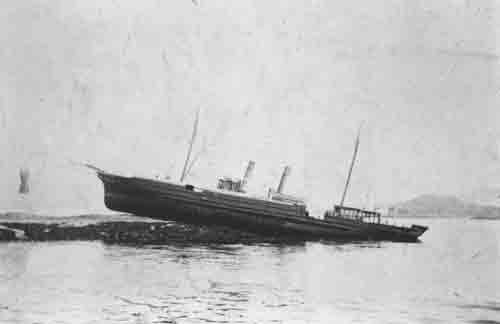




Amazing site, recording incredibly systematic and thorough work. Am very impressed. I found it through searching online for the history of a steamship that named SS Alsatia depicted in a painting I have bought. This shows a 2 masted steamship with one funnel breasting stormy seas, inscribed “SS Alsatia of Glasgow in Atlantic 26th August [August isn’t very clear] 1892”, i.e. before she became the Minieh. So she looks rather different to the image of her as a 3 masted single funnelled ship in this Blockships article – shorter, and generally smaller, particularly in relation to the figures shown crewing her, although that may be an artefact of the somewhat naive folk art style in which the painting is executed. But it is still attractive (which is why I bought it!). So now I’m not sure whether the painting isn’t of SS Alsatia, has been mislabeled, or if refitting an iron ship can involve adding a significant chunk of mid section. Happy to share an image of the picture if of interest.
Thanks for your interest and positive comments on the website. Check out the record for Alsatia on clydeships.co.uk which includes the painting of Alsatia. I can find no record of any major refit to the vessel that would significantly change her layout. However, it is also possible the painting of the Alsatia on clydeships.co.uk is wrongly labelled. I would be interested to see a photo of your ship. If you could send to me at ianjcrawfordvp@btinternet.com I’ll take a look. I would comment that the vessel depicted on the clydeships.co.uk site looks a bit too sophisticated for a vessel built in 1876 so it is equally possible that your painting is the correct one. I look forward to hearing from you.
Ian Crawford